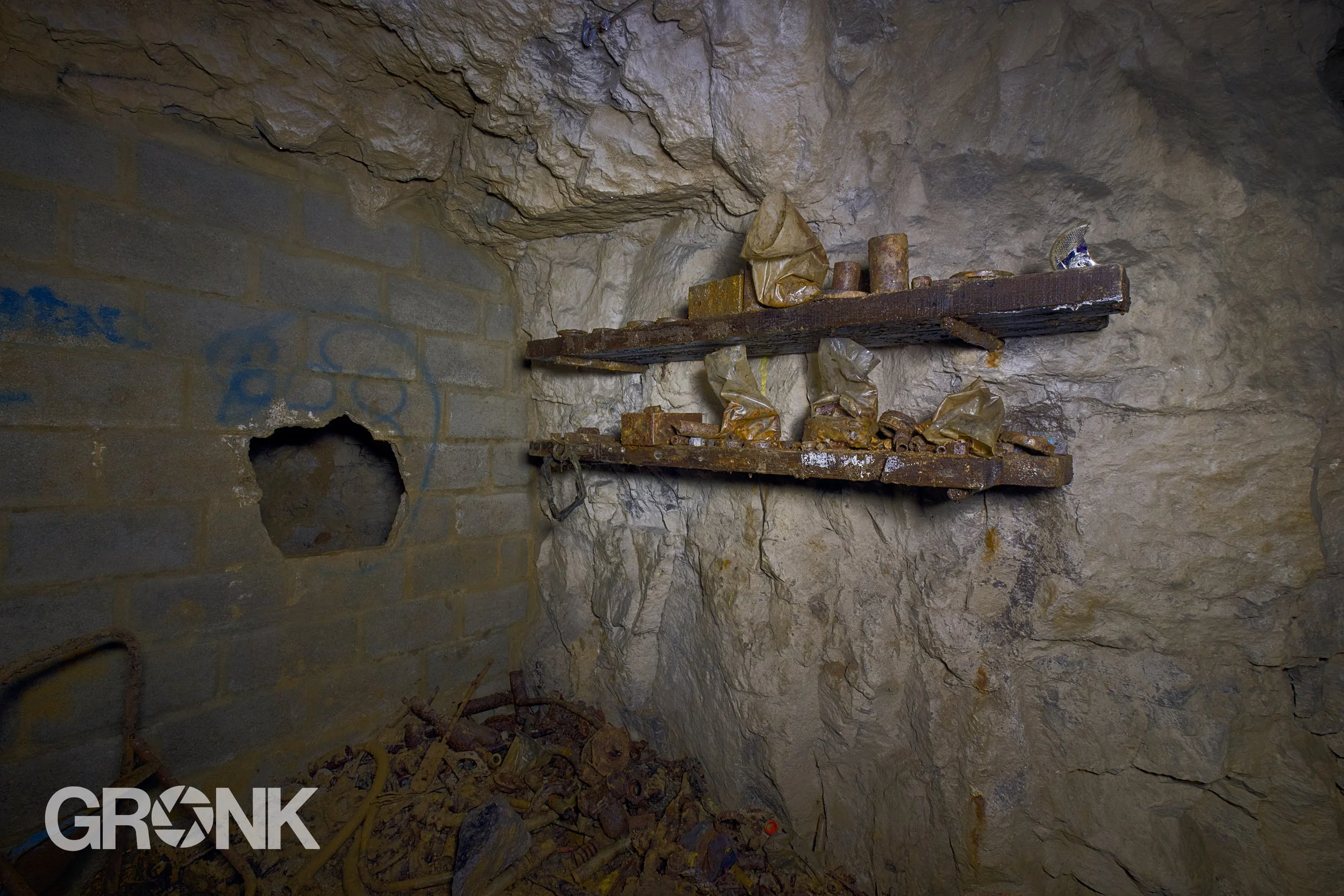
Sallet Hole, Stoney Middleton
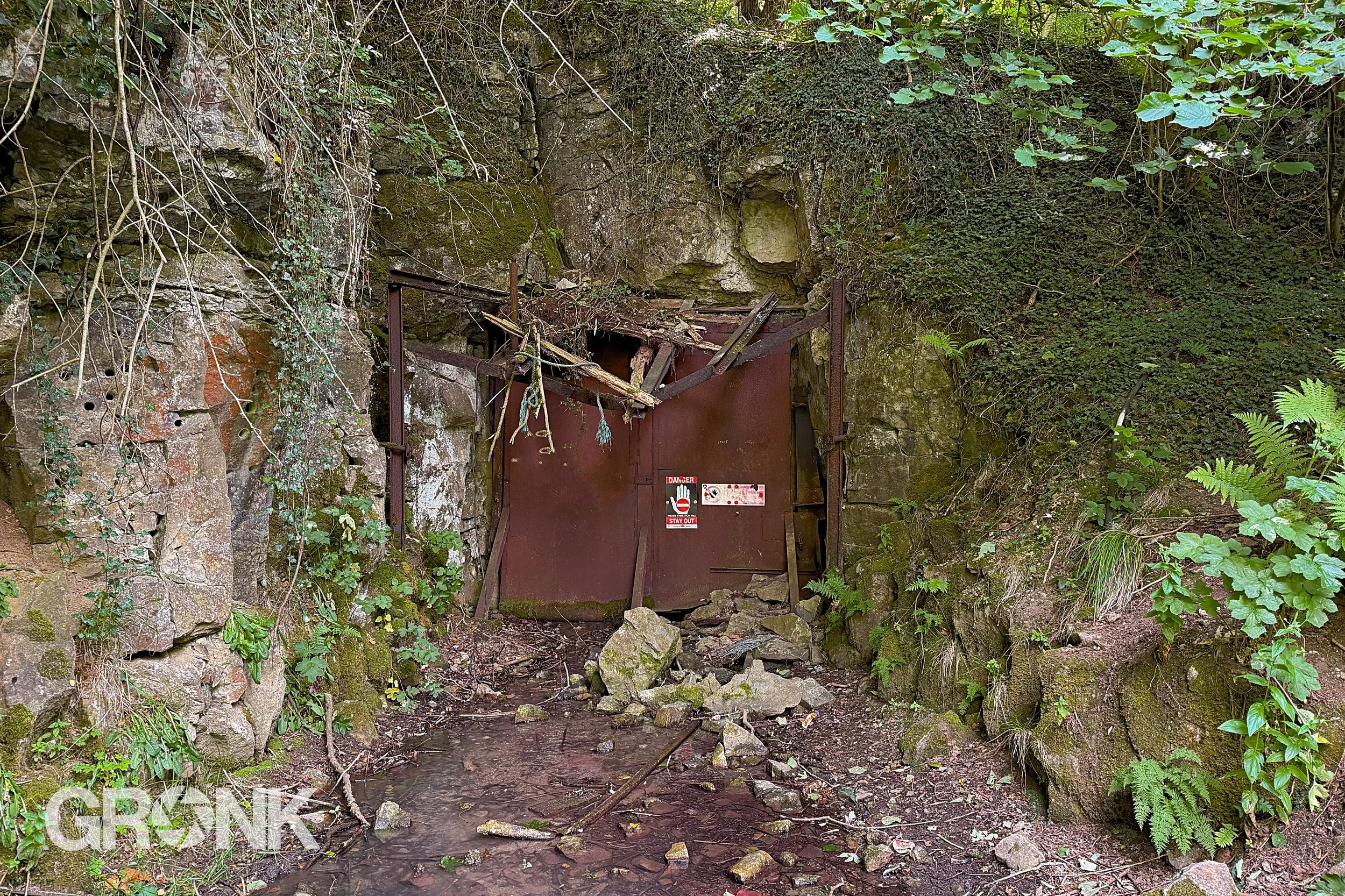
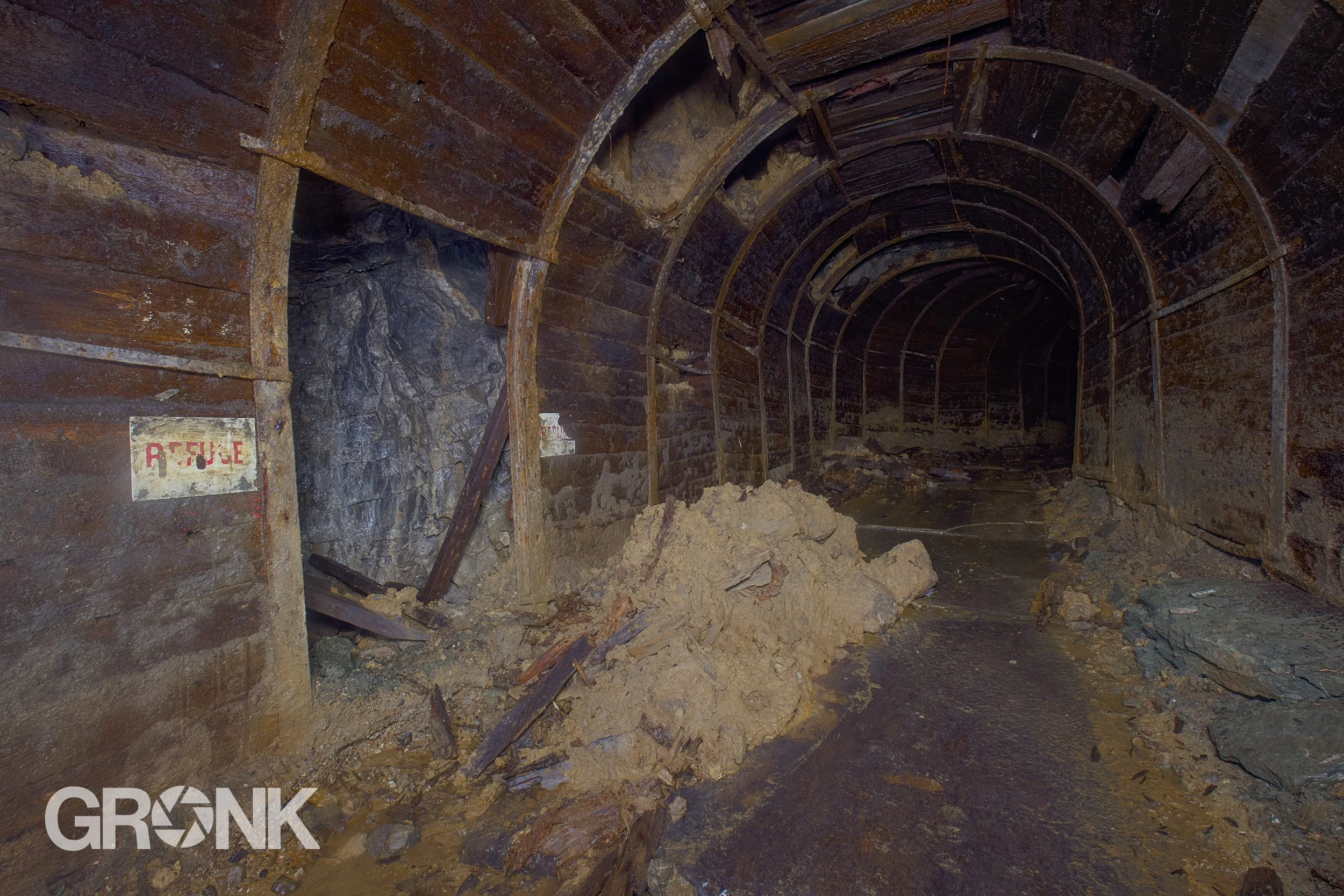
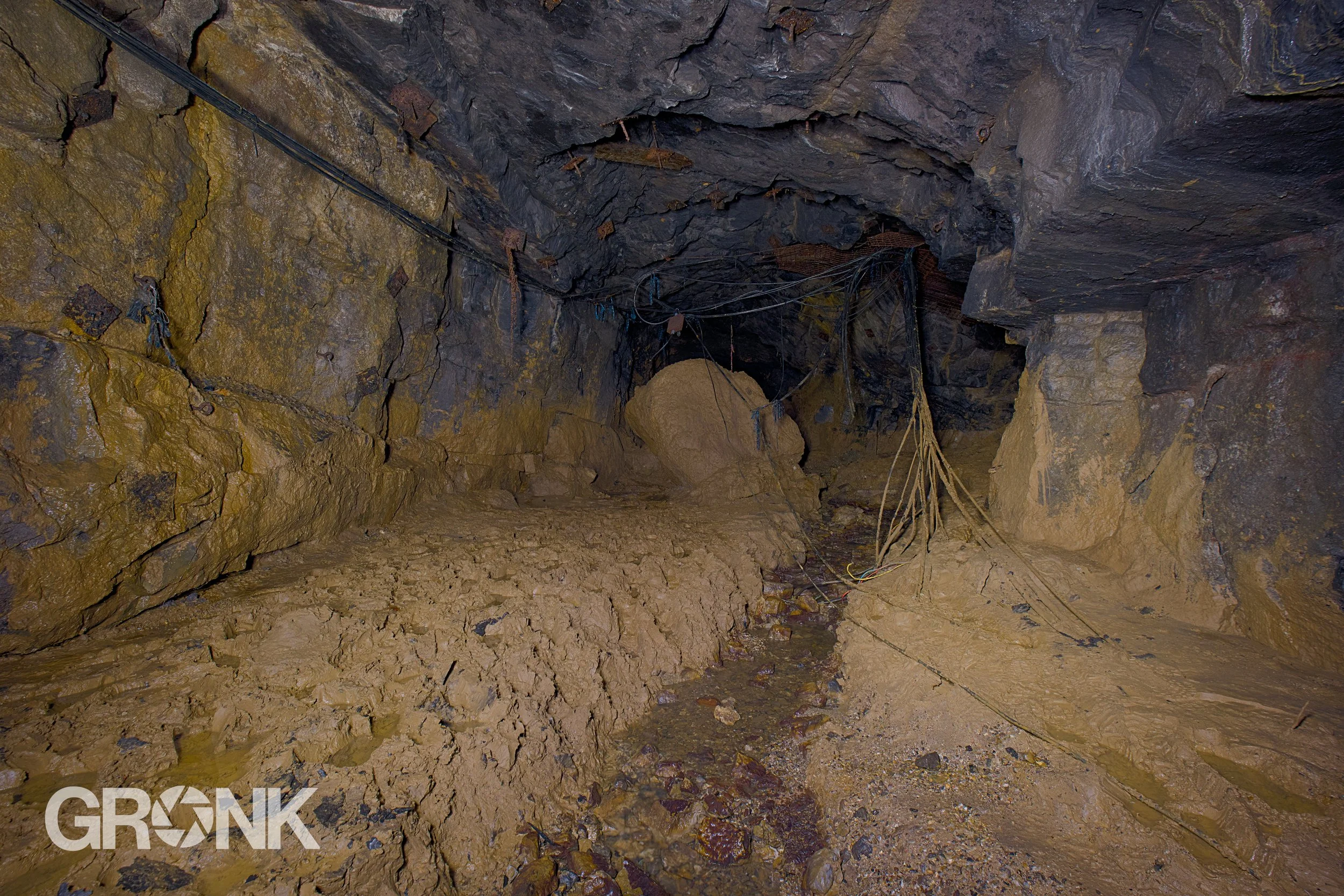
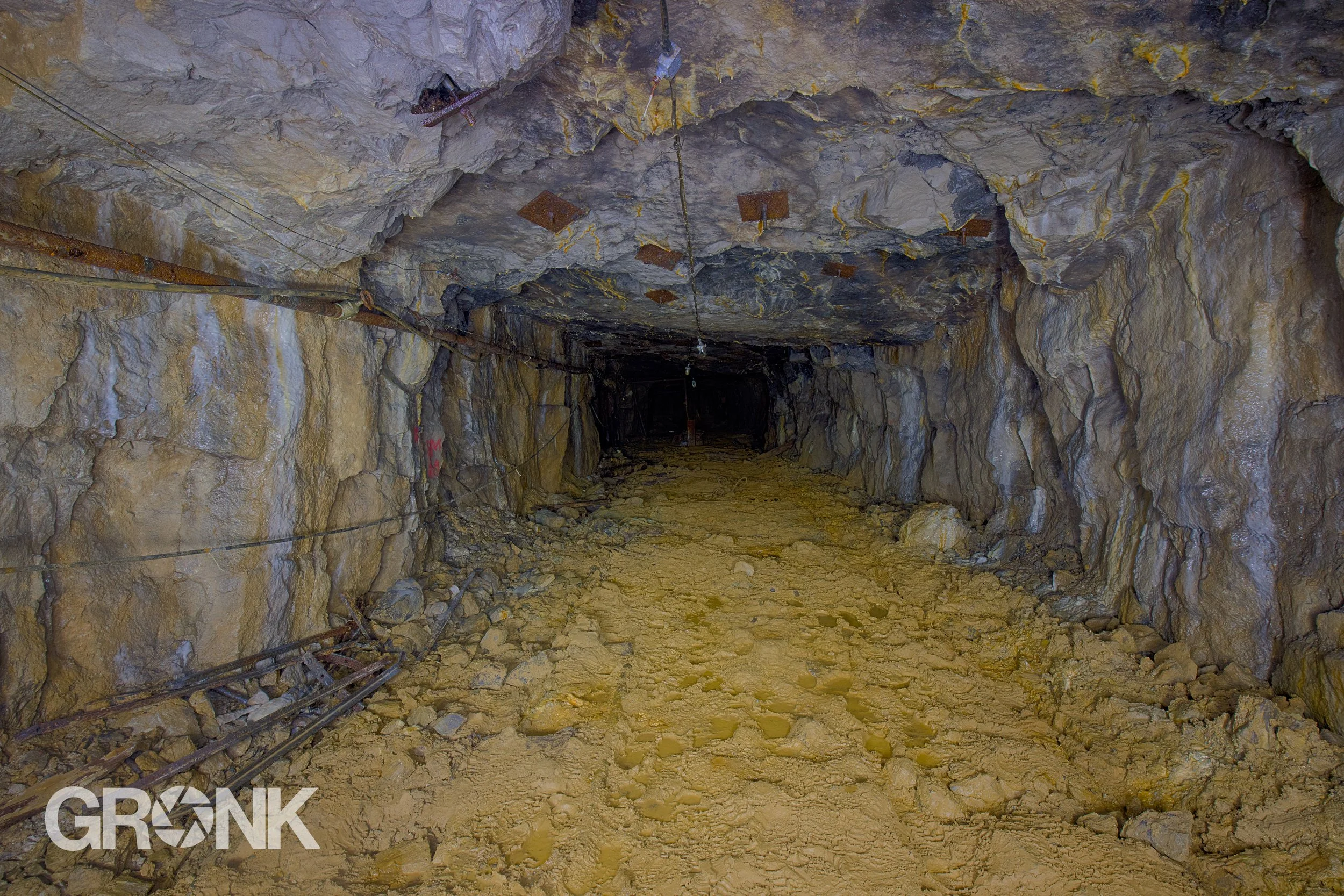
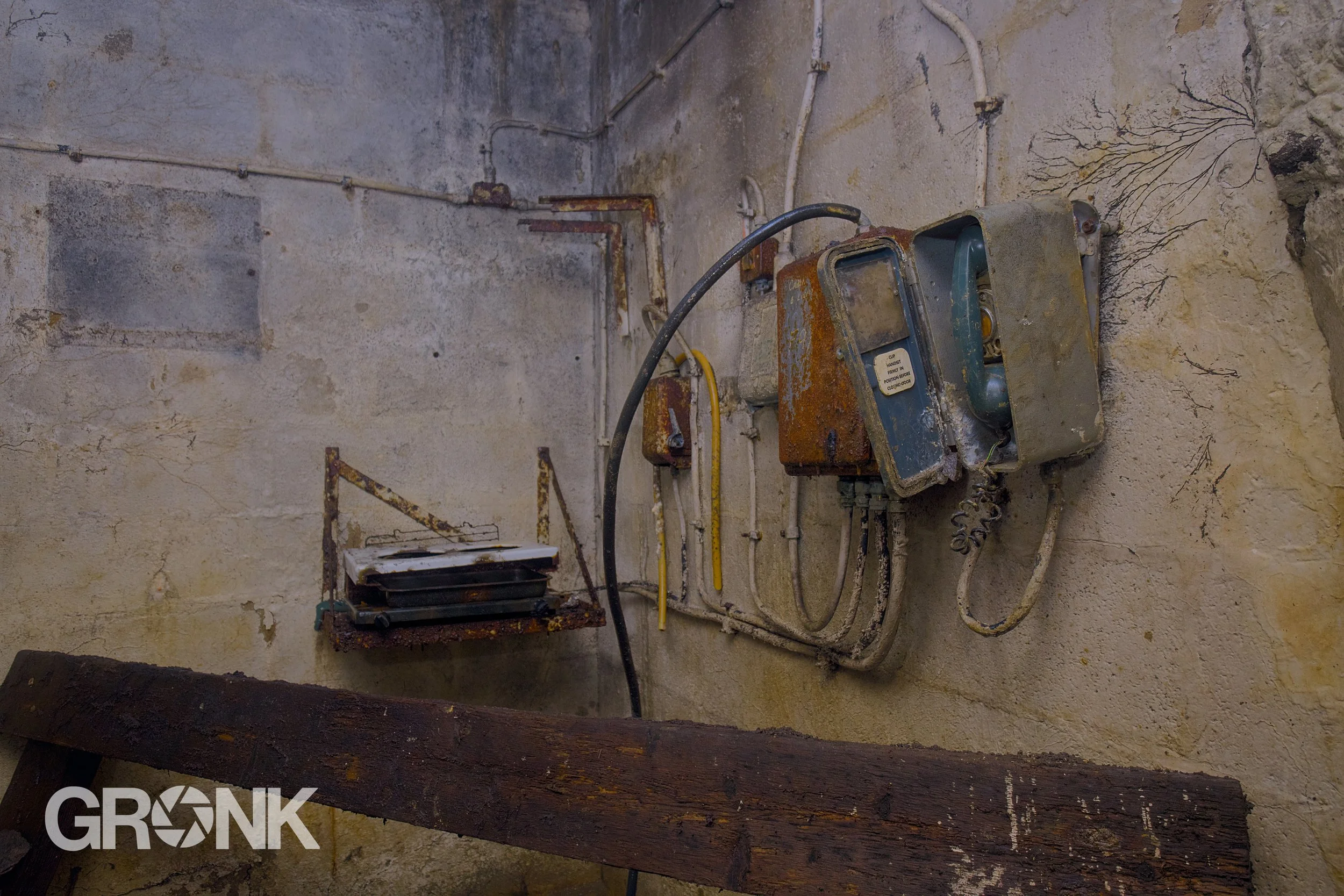
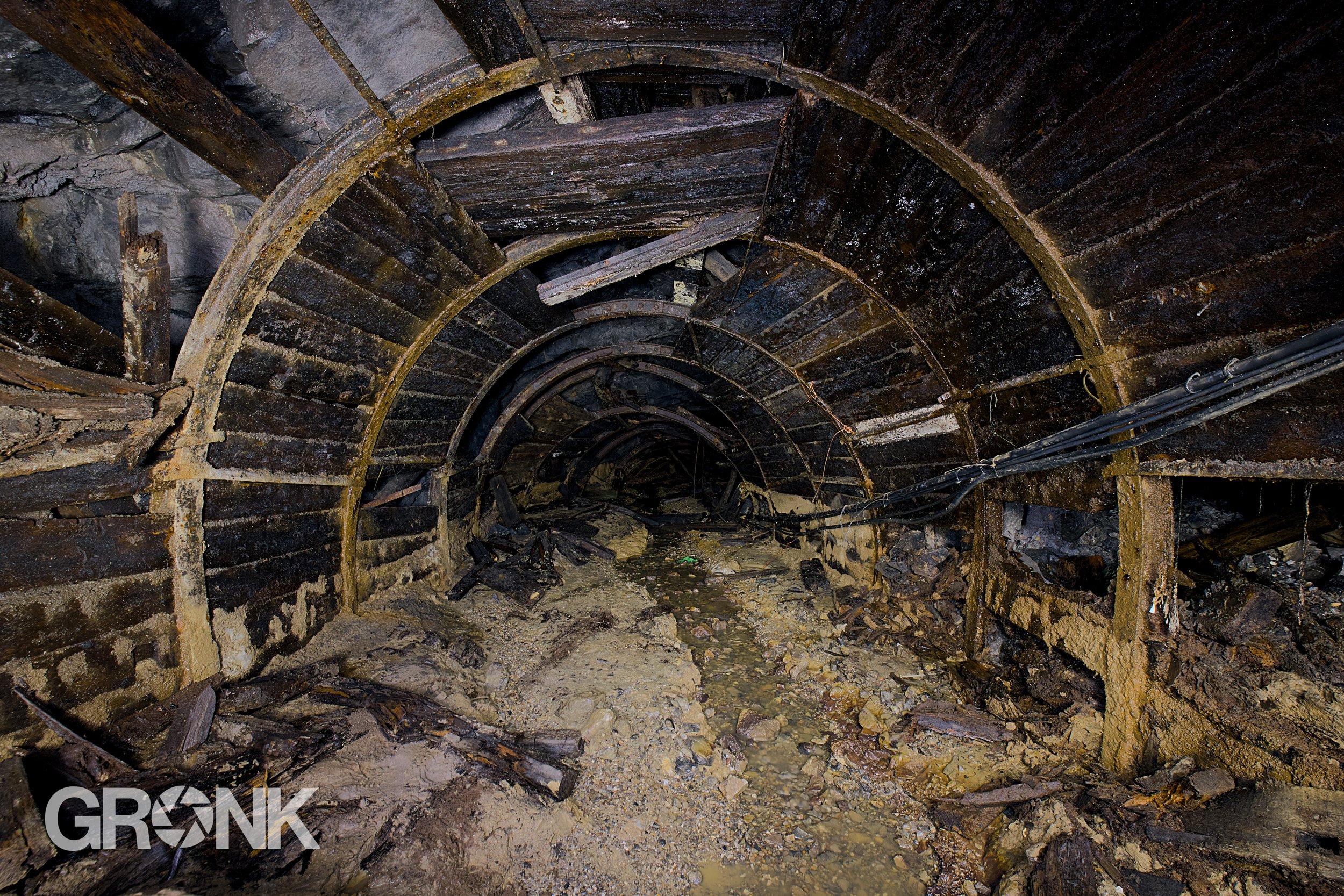
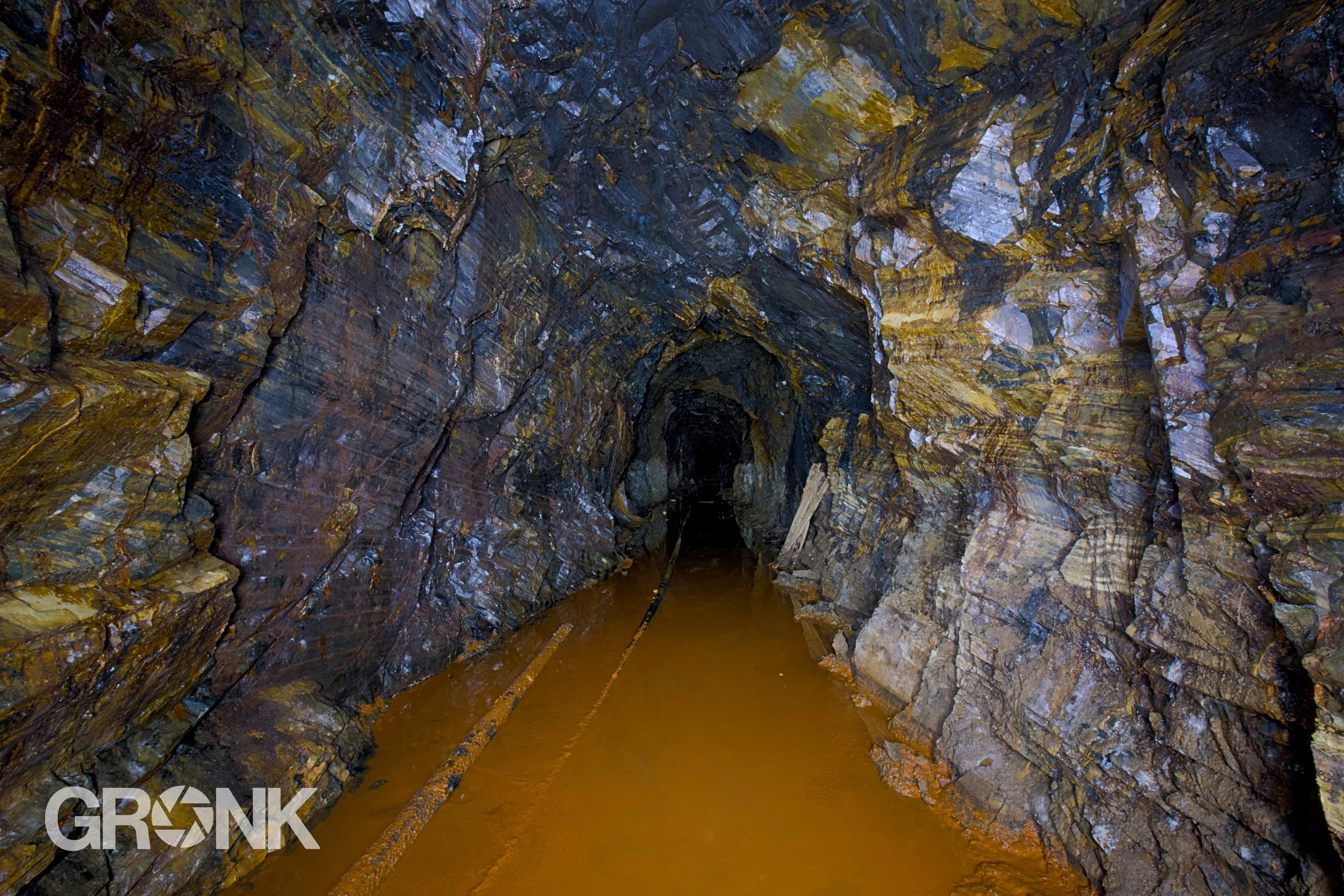
Sallet Hole, near Stoney Middleton on Longstone Edge in Derbyshire, is one of the county's most important historic fluorspar mines. Its origins lie in the region's medieval lead-mining industry, with evidence suggesting that the mineral veins around Deep Rake were being worked by at least the seventeenth century. The mine's name also appears in early records as "Salad Hole."
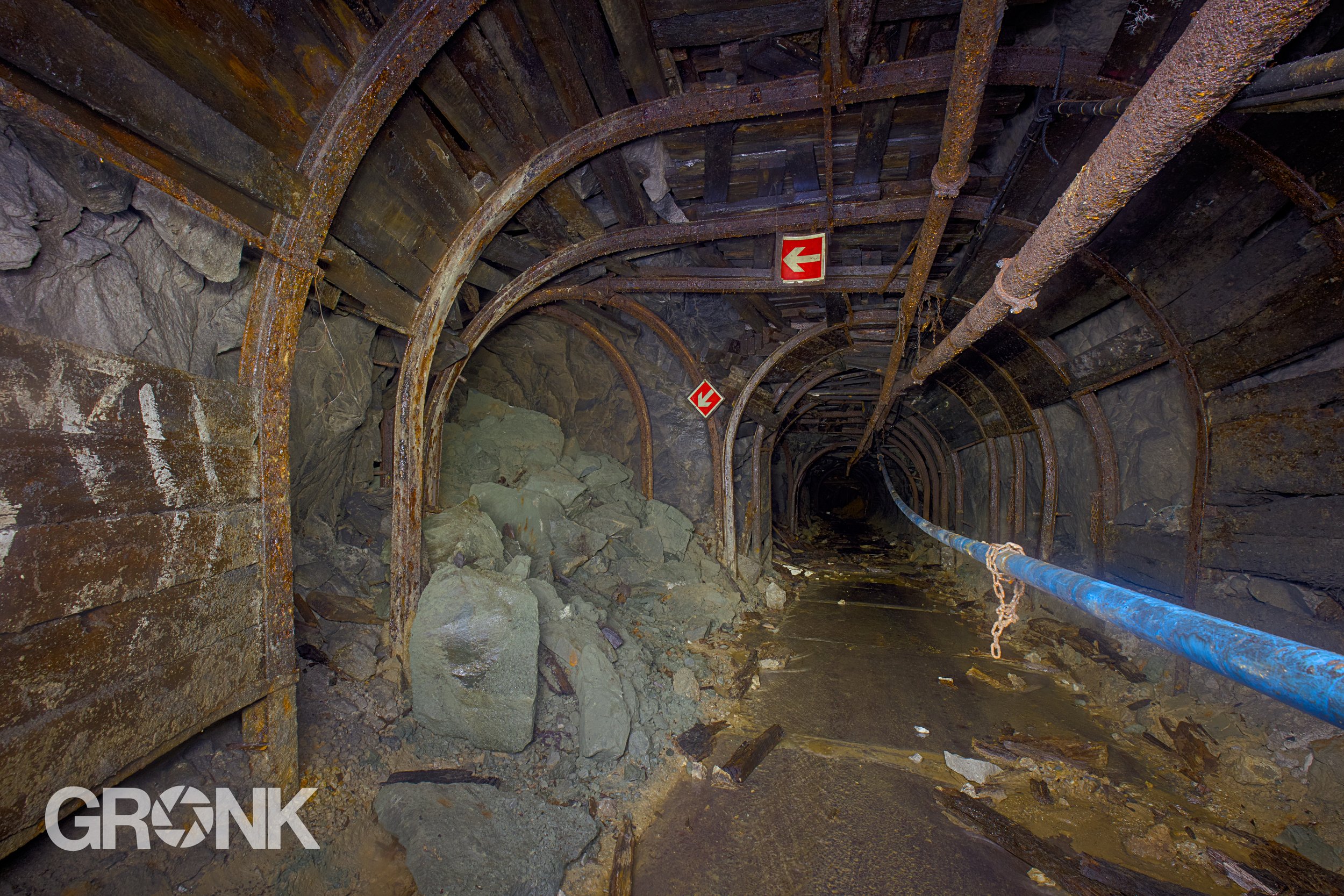
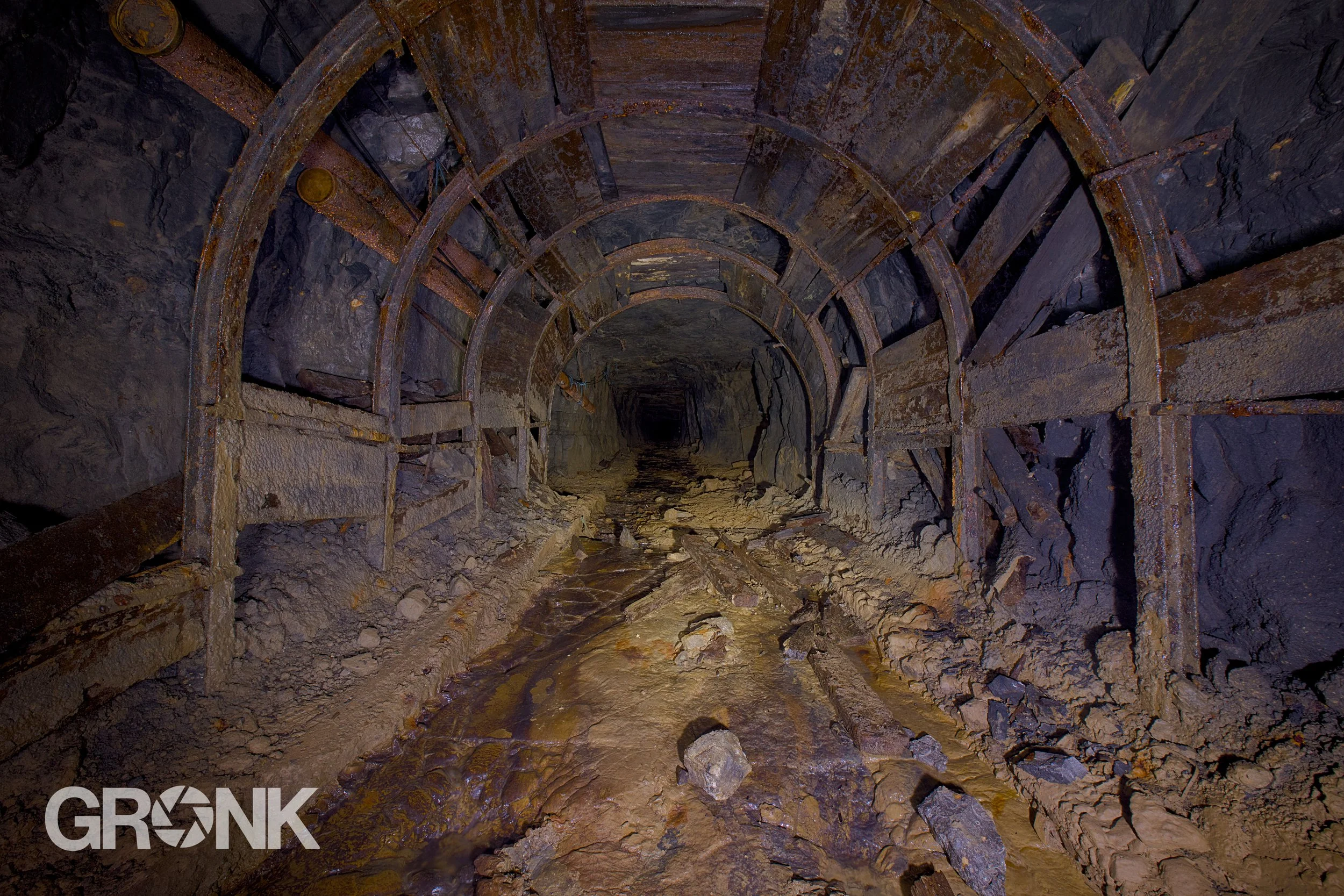
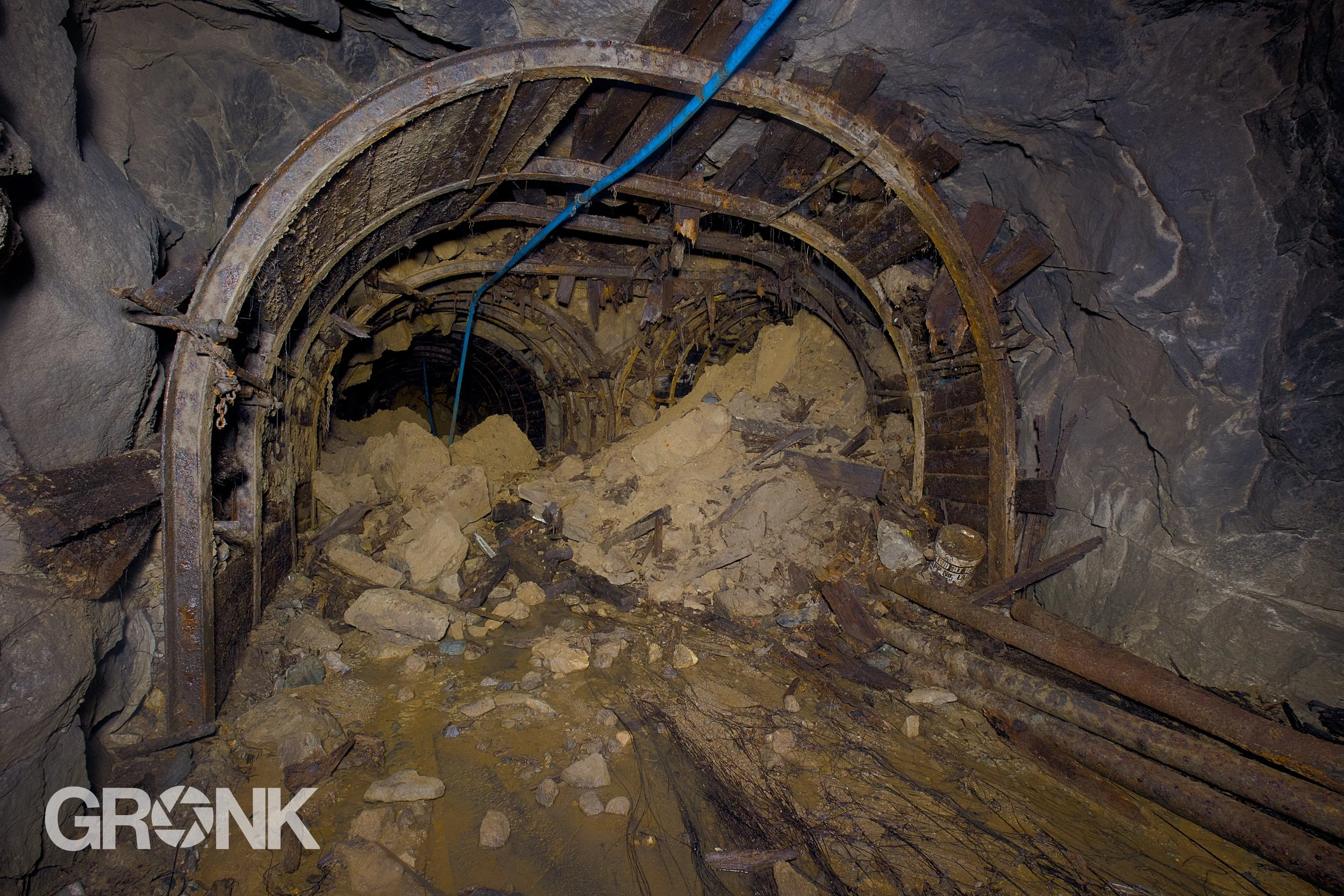
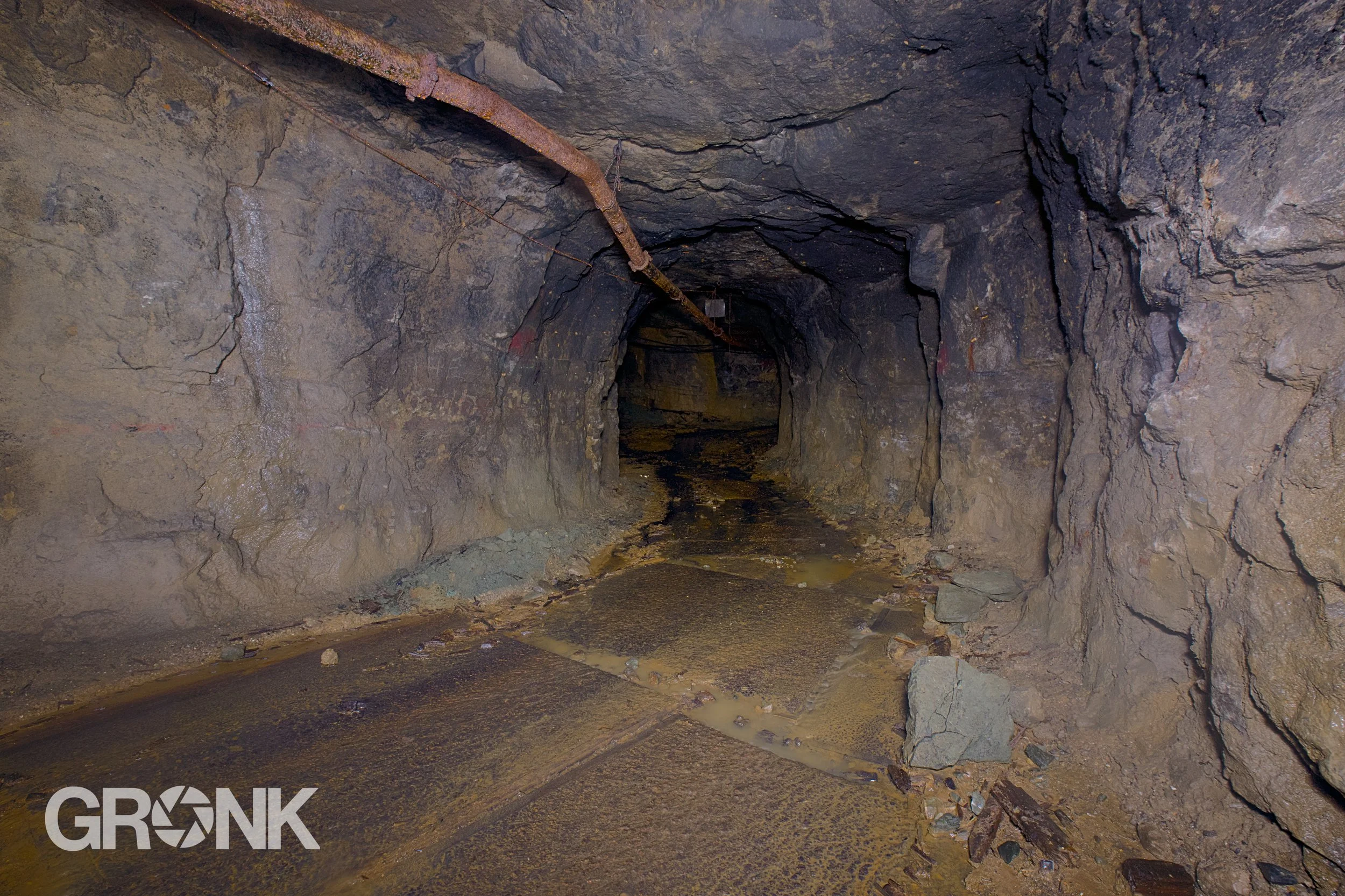
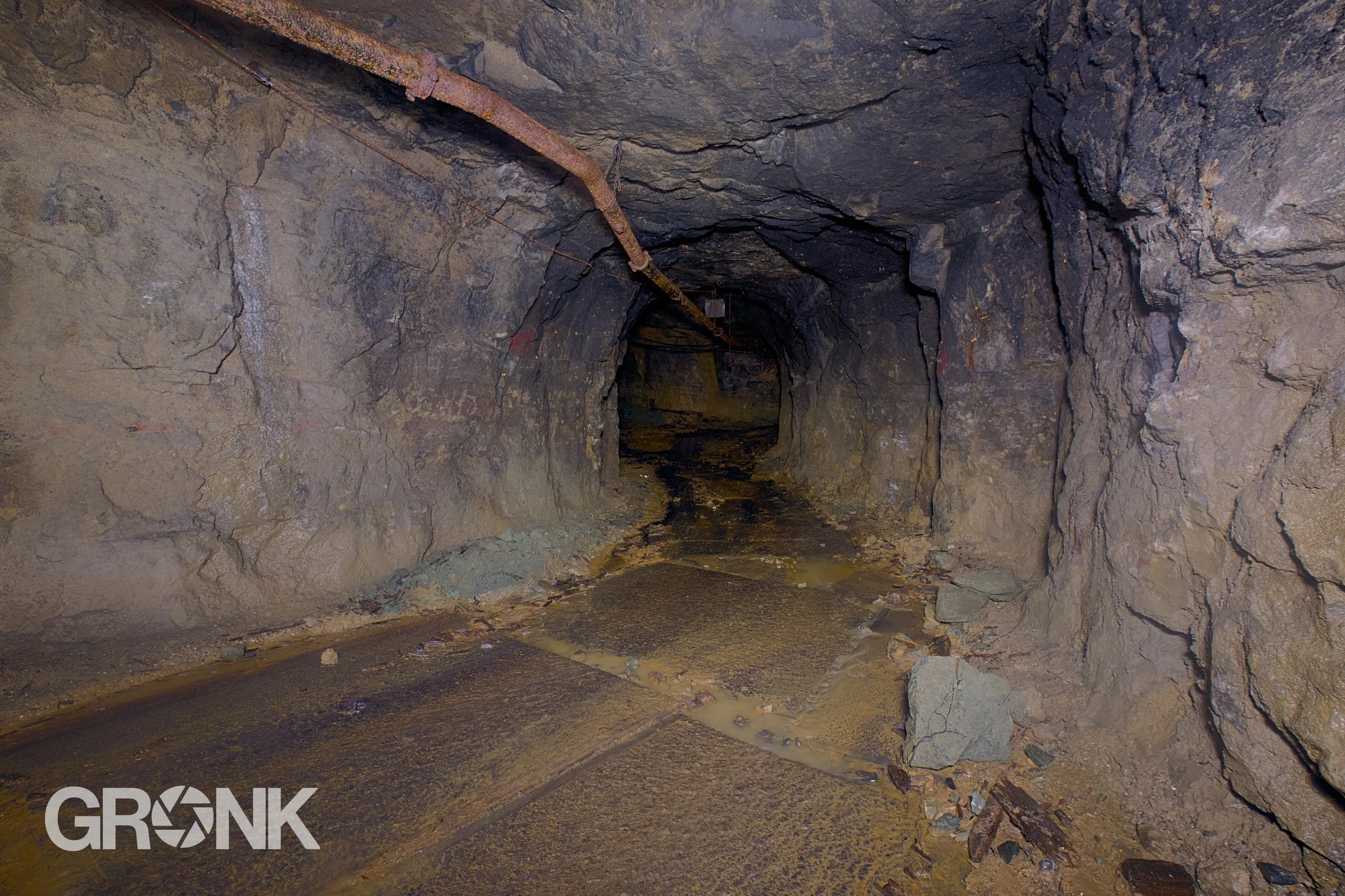
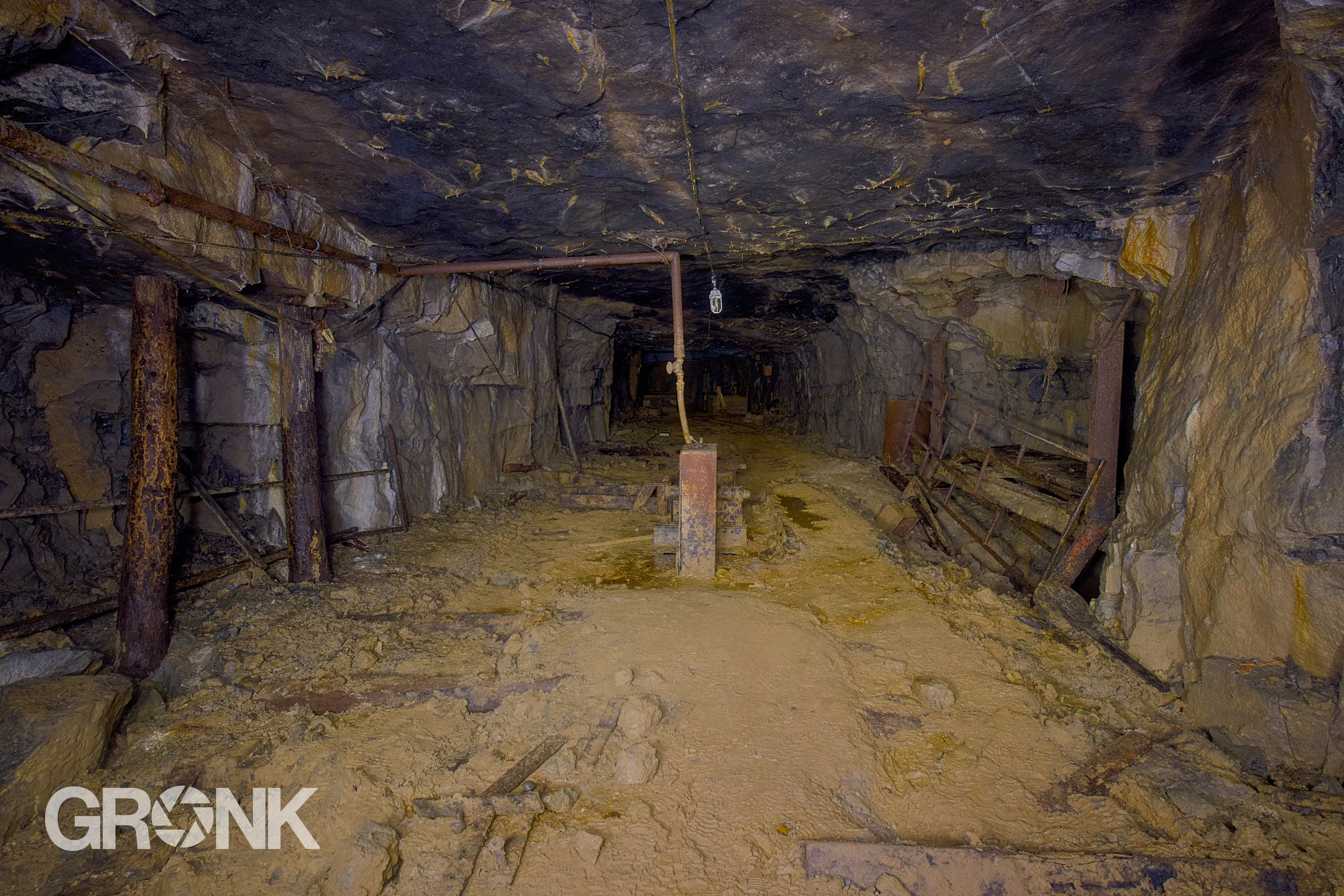
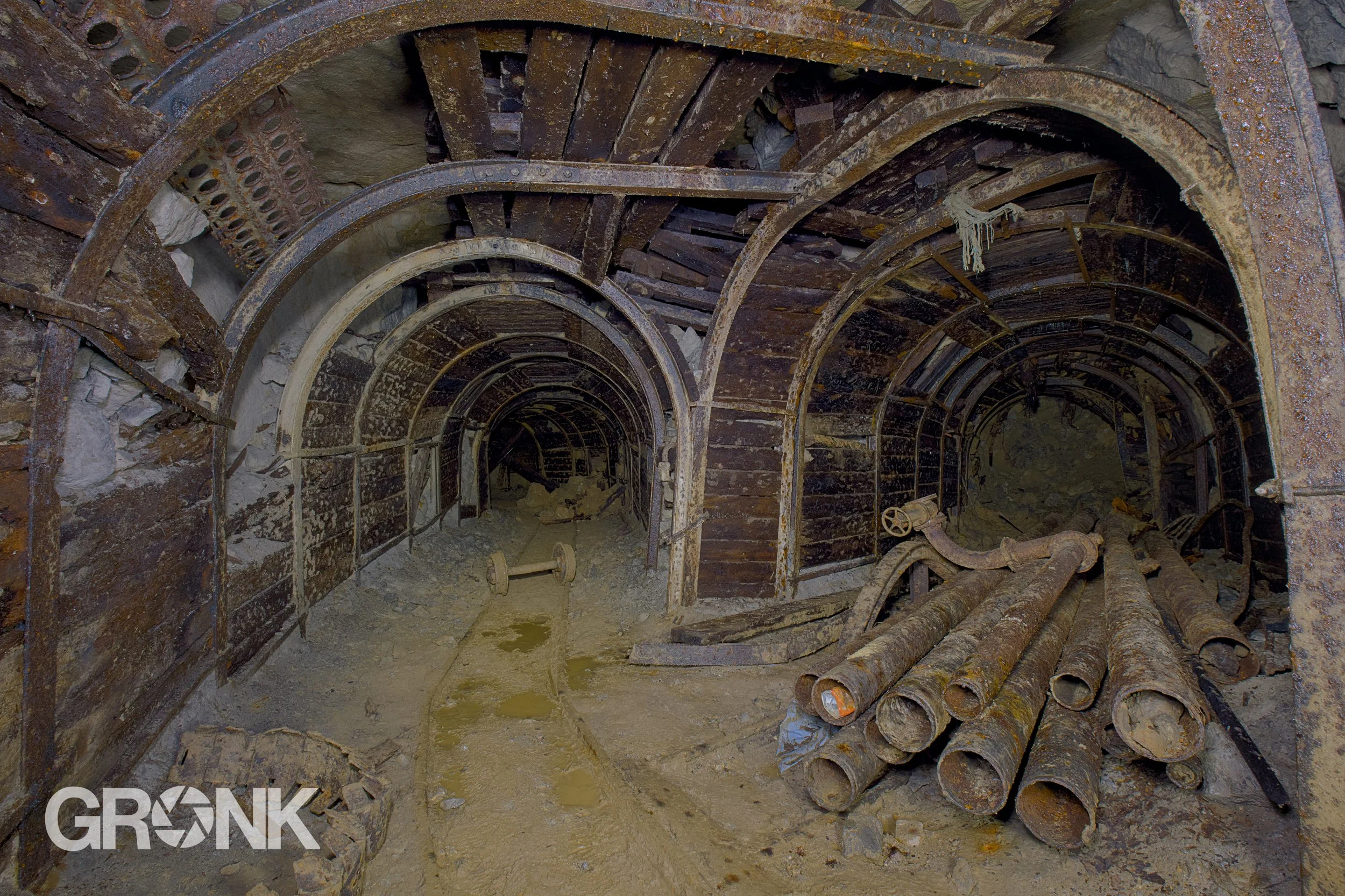
The mine developed around Sallet Hole Level, a drainage tunnel, or sough, driven to remove water from the lead workings beneath Longstone Edge. Between 1840 and 1842, the level was enlarged to allow horse-drawn wagons to transport ore directly from underground, improving efficiency. During this period, a large waterwheel powered crushing machinery used to process lead ore before smelting.
As lead production declined during the nineteenth century, attention turned to fluorspar, a valuable mineral used in steelmaking, aluminium production and the chemical industry. Sallet Hole was worked for fluorspar between 1926 and 1930 before closing during the economic depression.
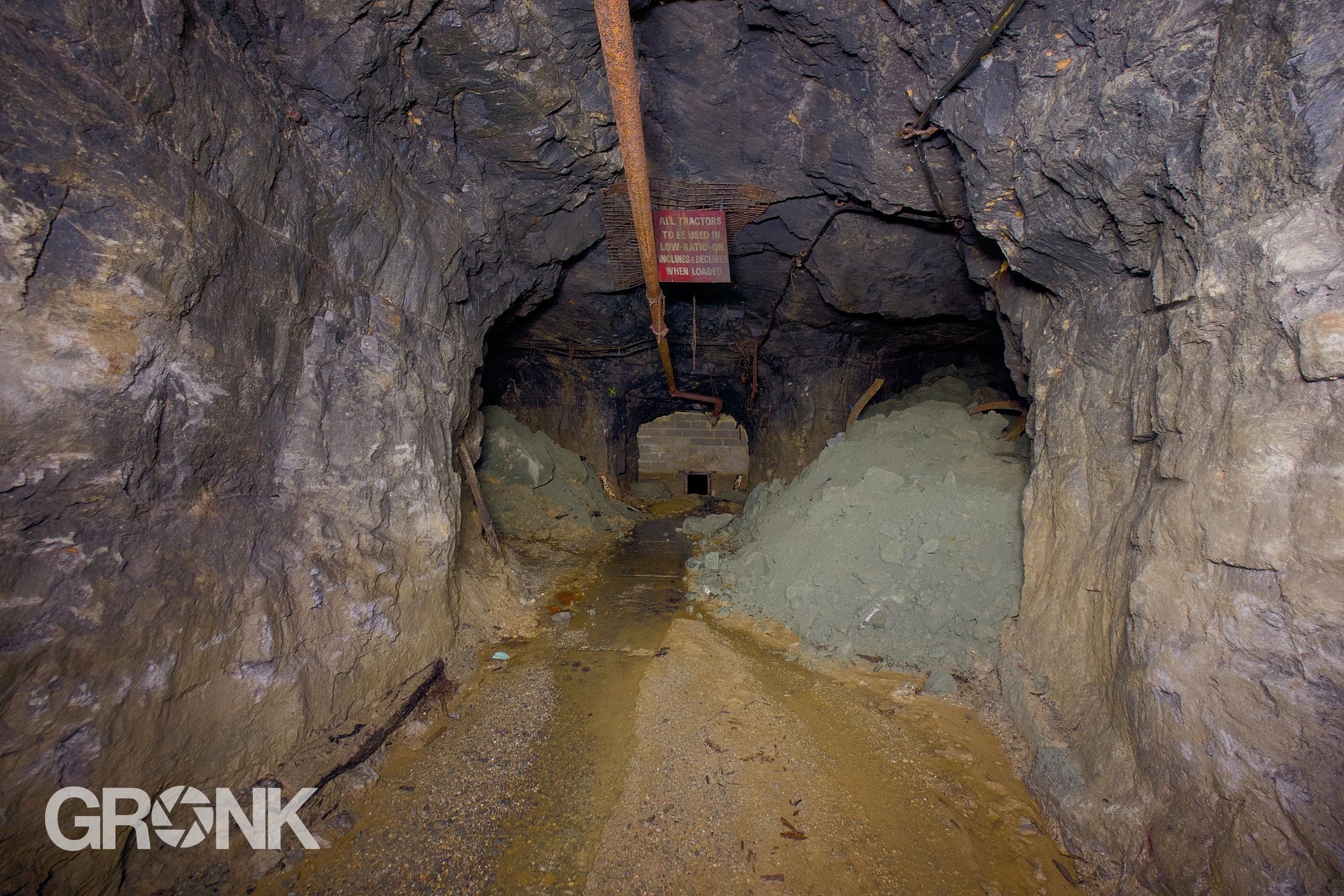
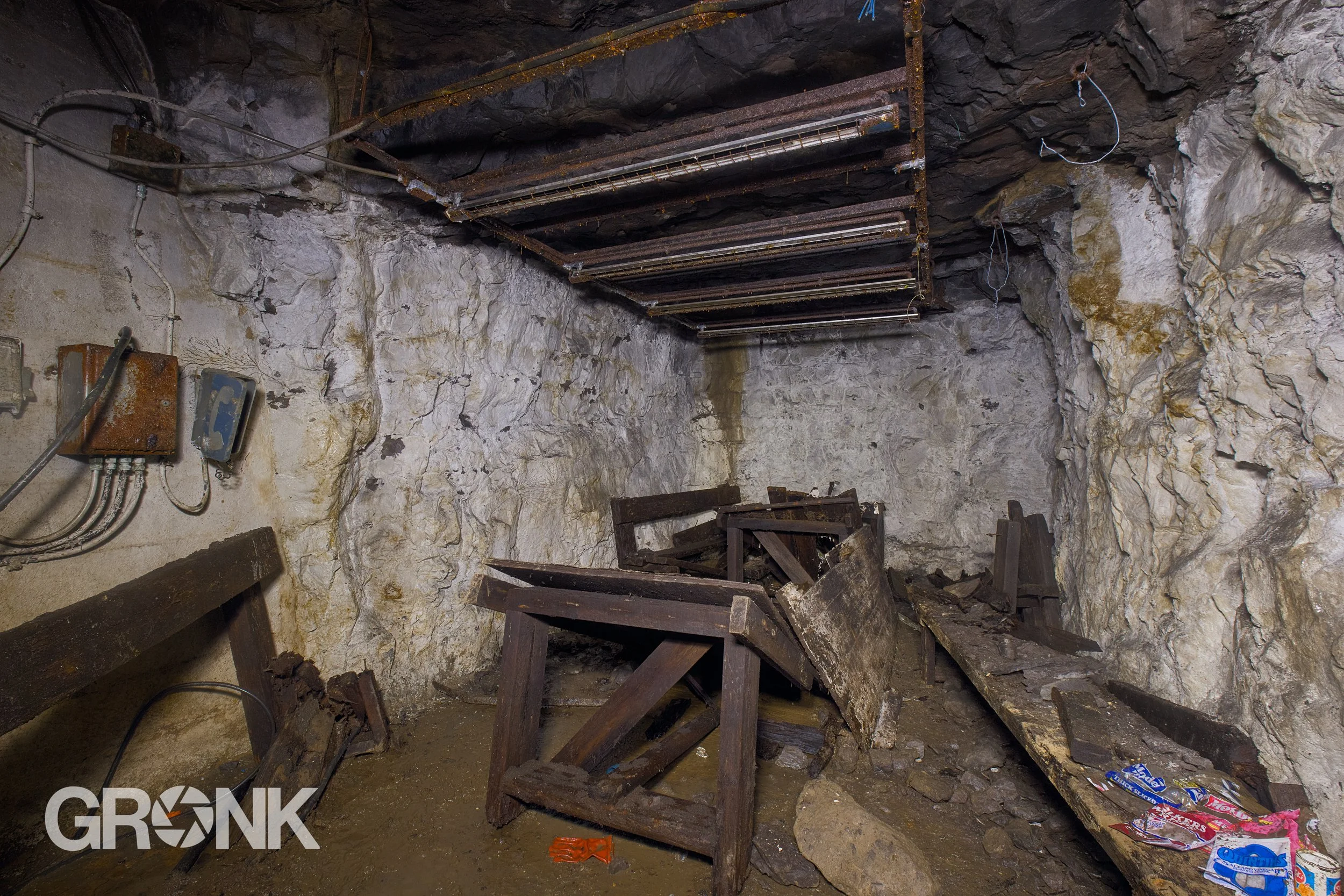
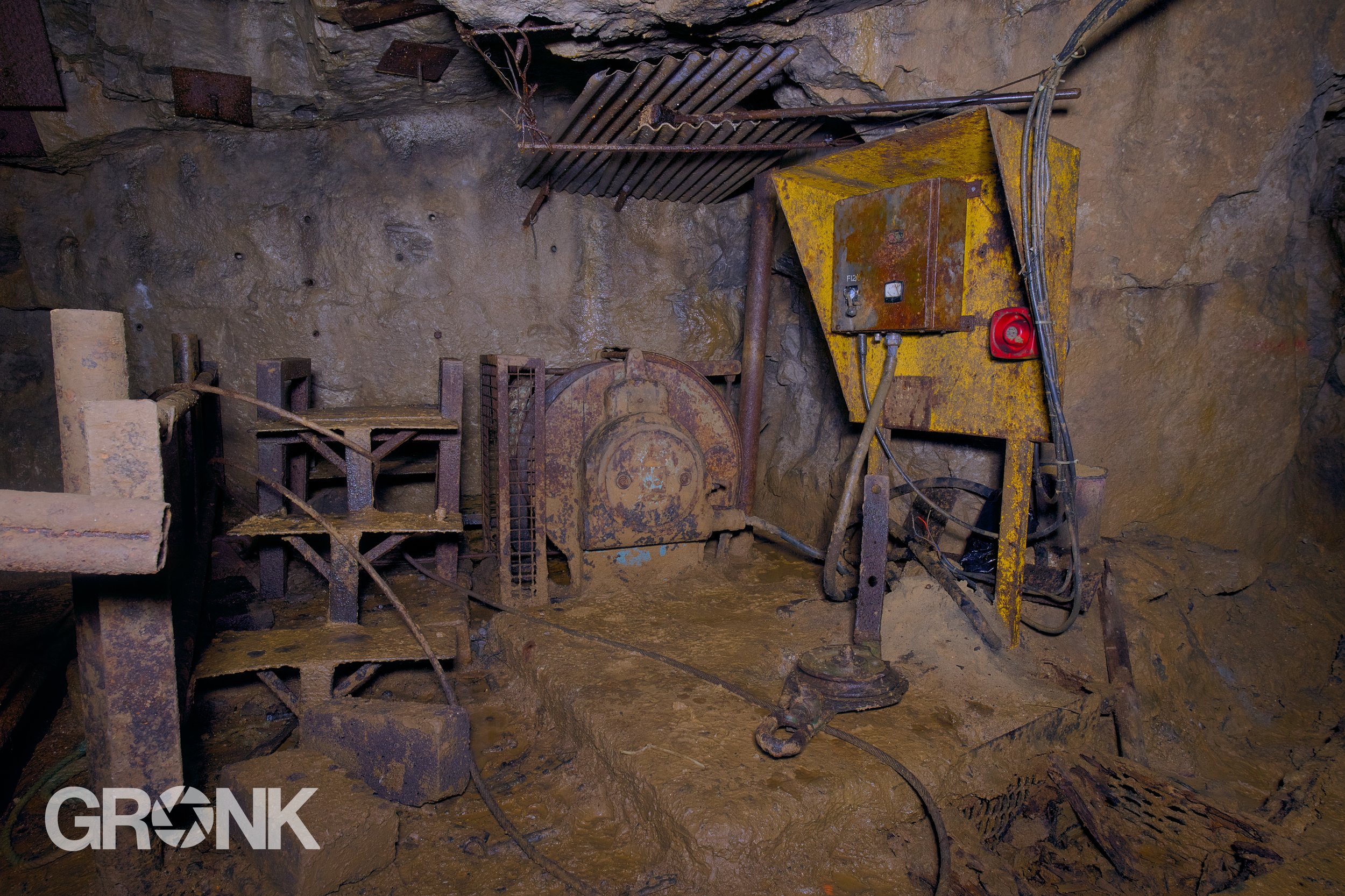
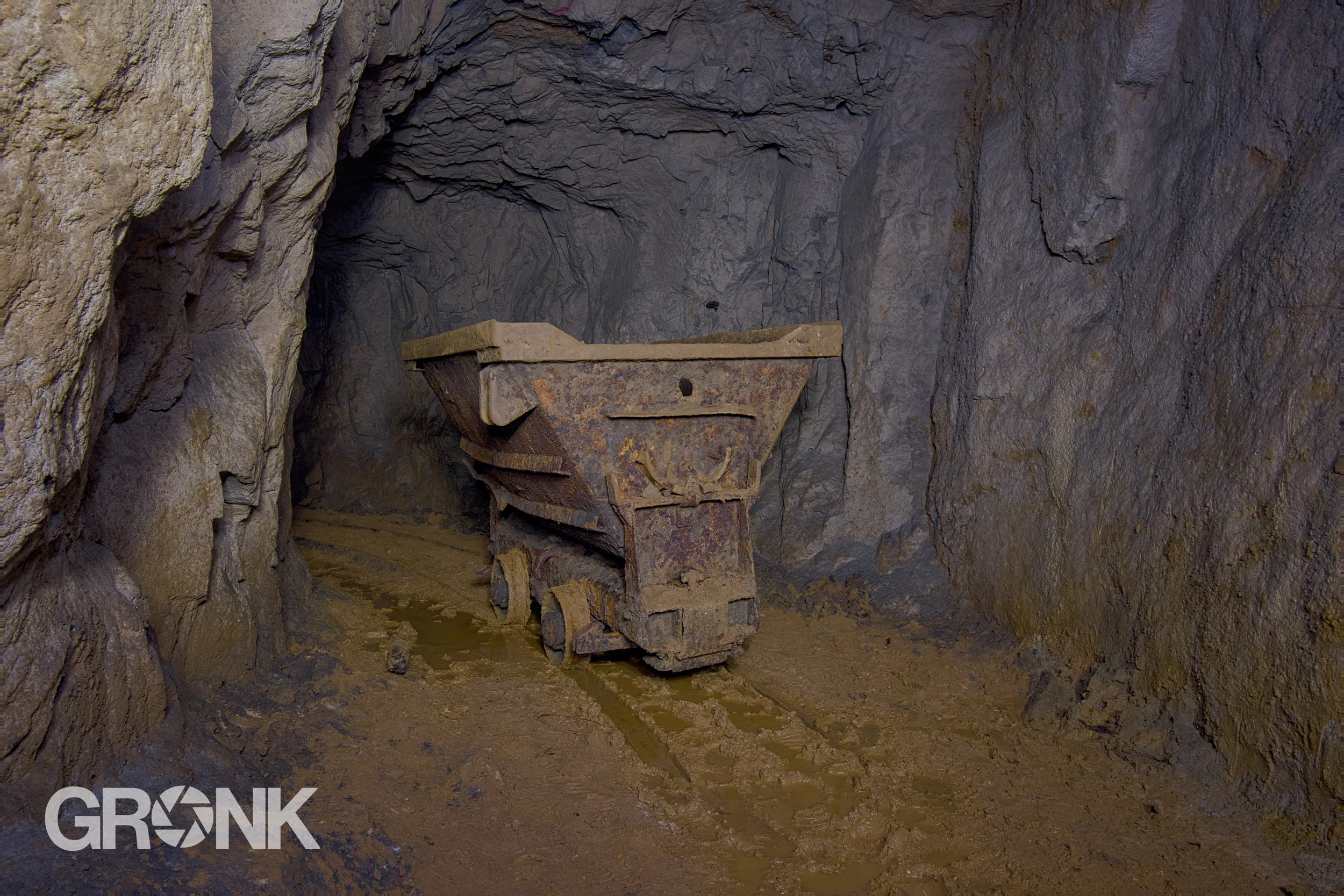
The mine reopened in 1965 under Laporte Minerals and entered its most productive phase. Modern mining techniques, including long-hole stoping, were used to extract high-grade fluorspar from the Deep Rake vein. Ore was transported underground by narrow-gauge railway before later being moved by rubber-tyred vehicles. In 1987, the workings were connected to the neighbouring Watersaw Mine, increasing access to the orebody.
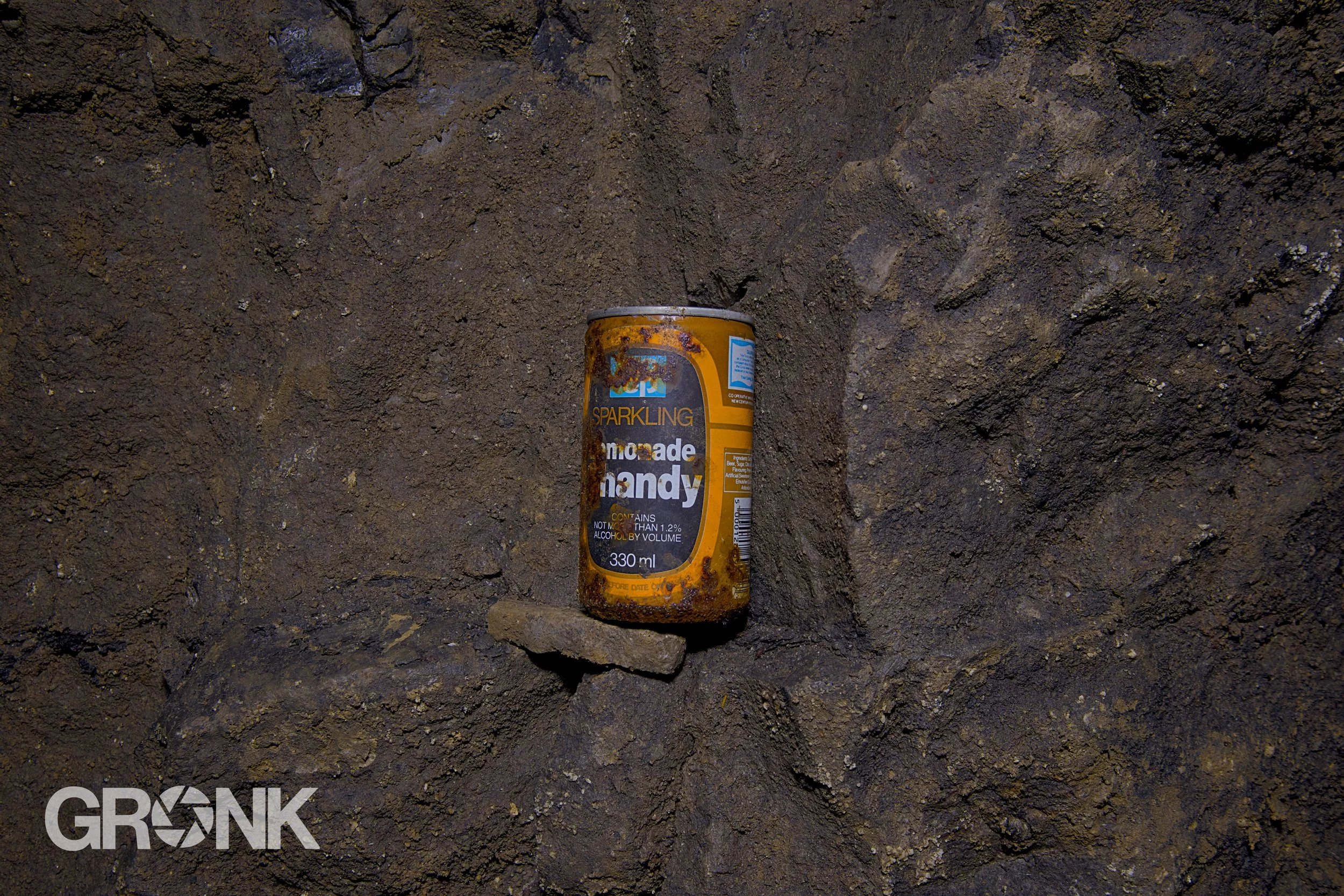
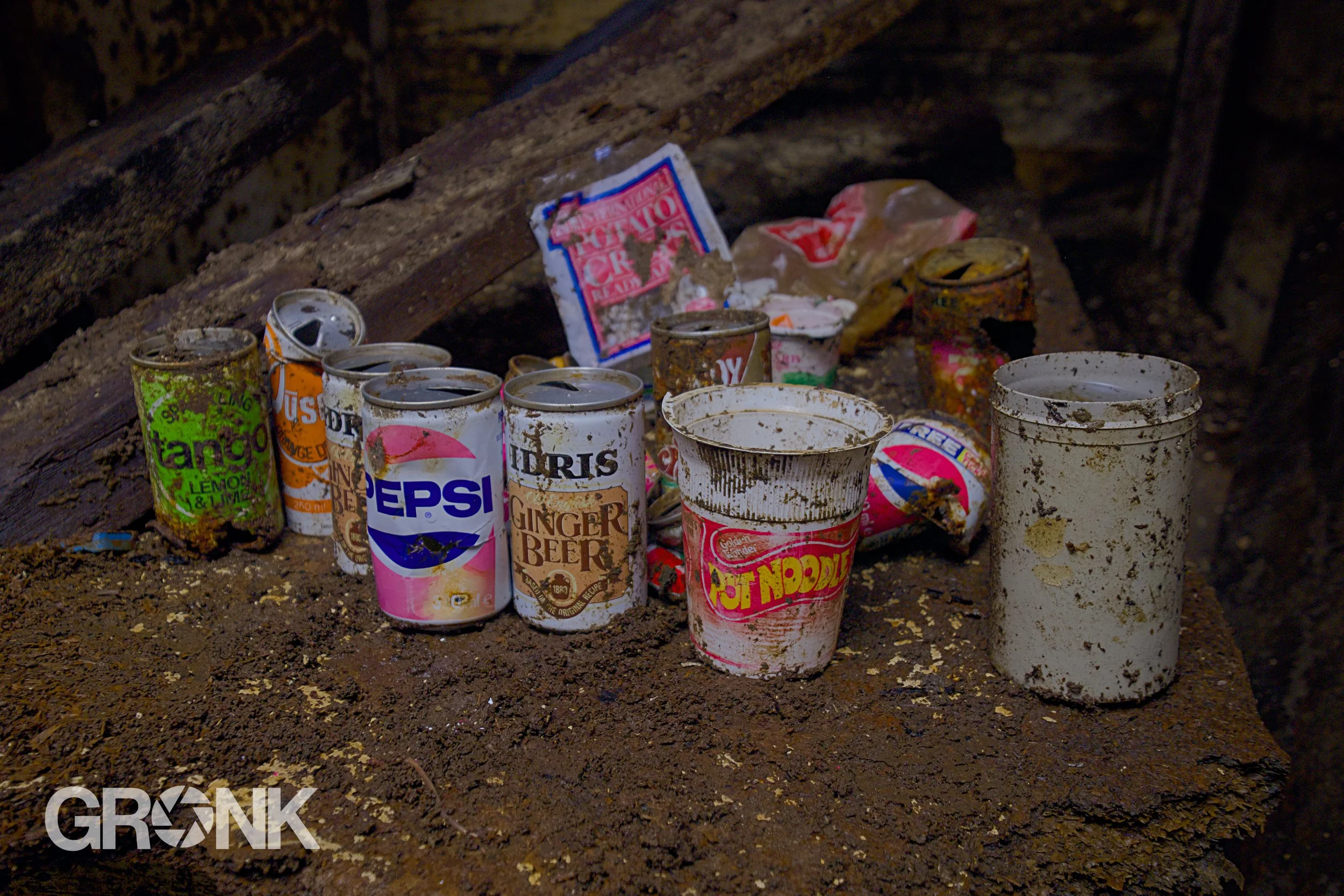
Production peaked around 1990 at approximately 73,000 tonnes of ore per year, making Sallet Hole one of Britain's leading underground fluorspar mines. However, competition from cheaper imported fluorspar led to its closure in 1998.