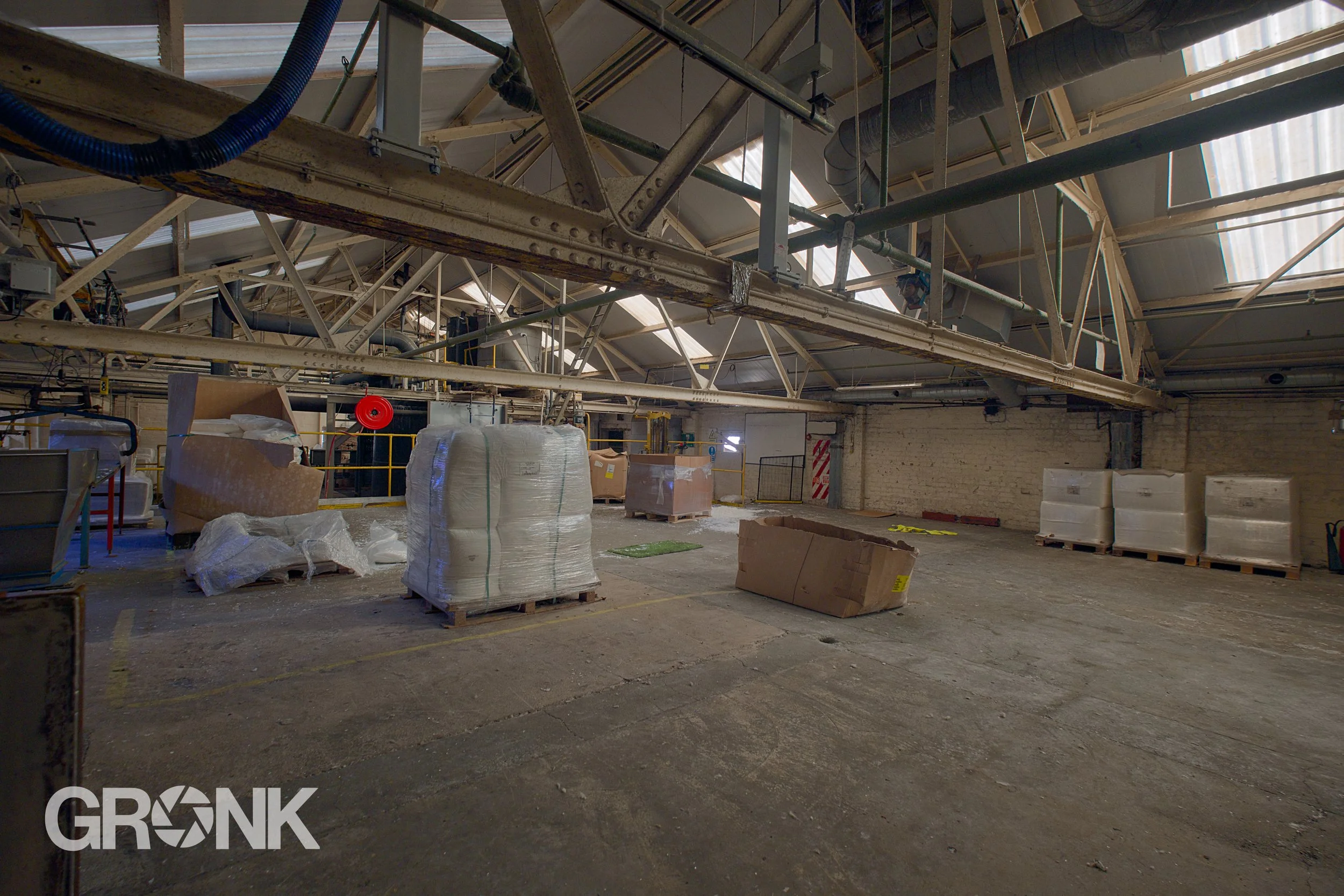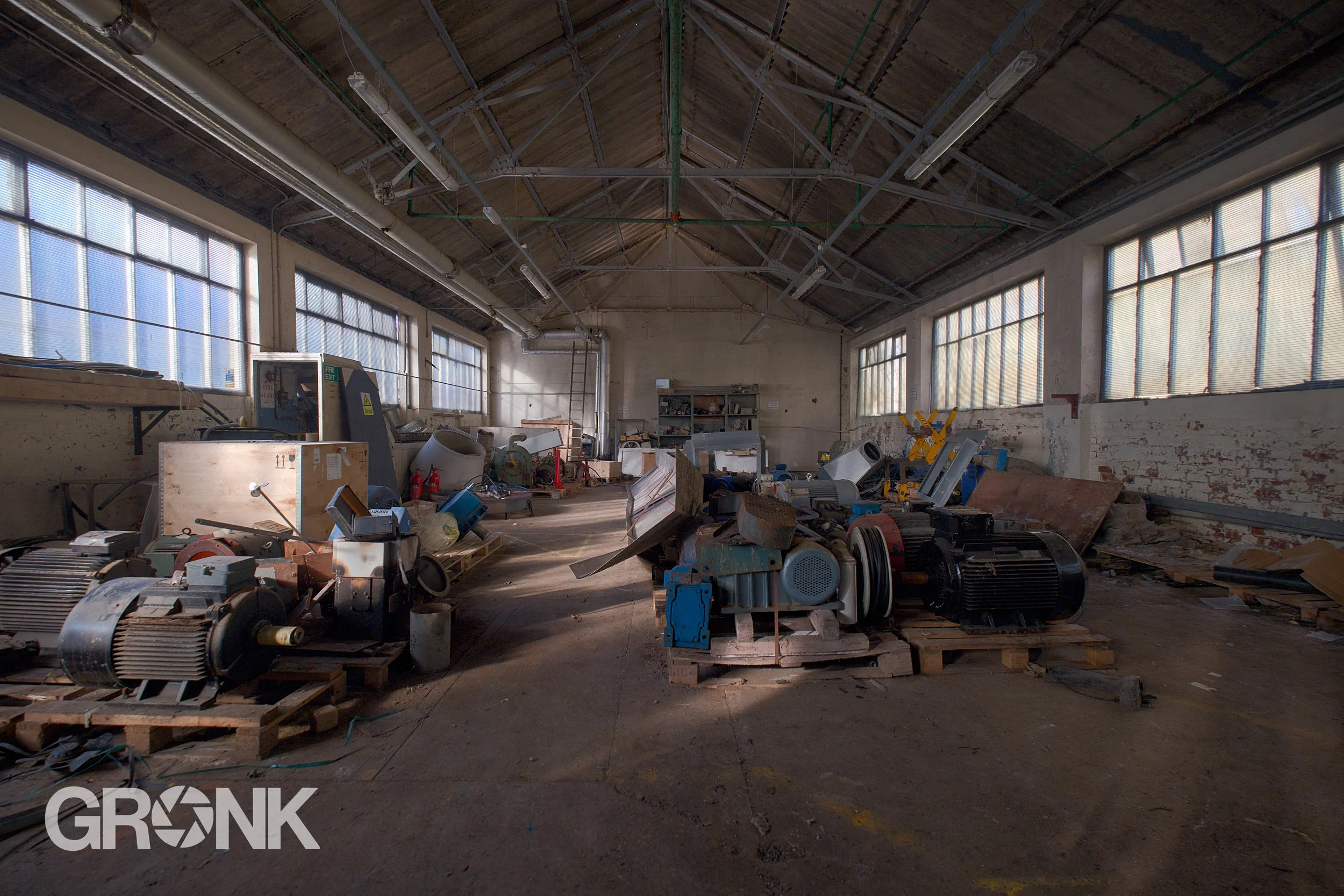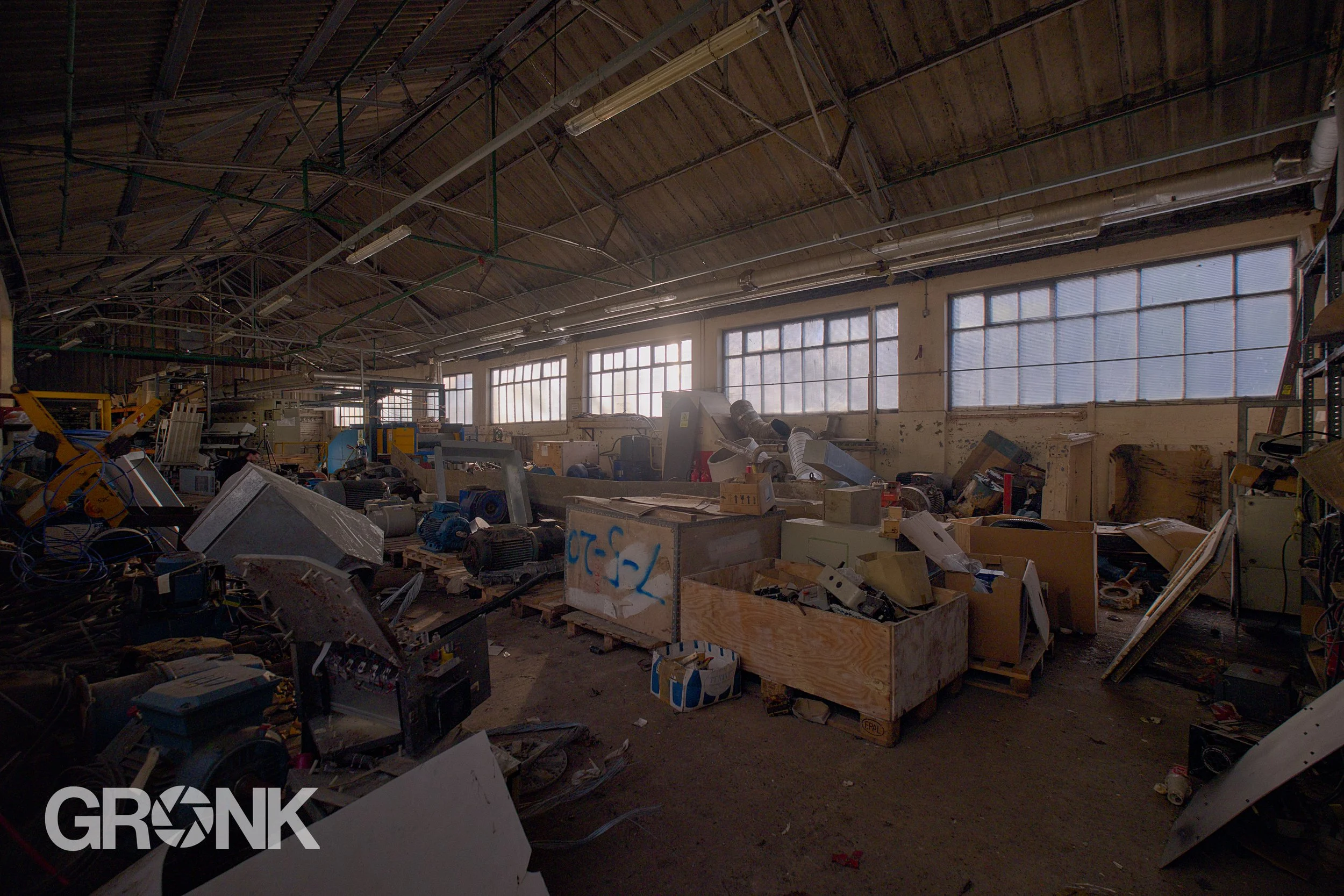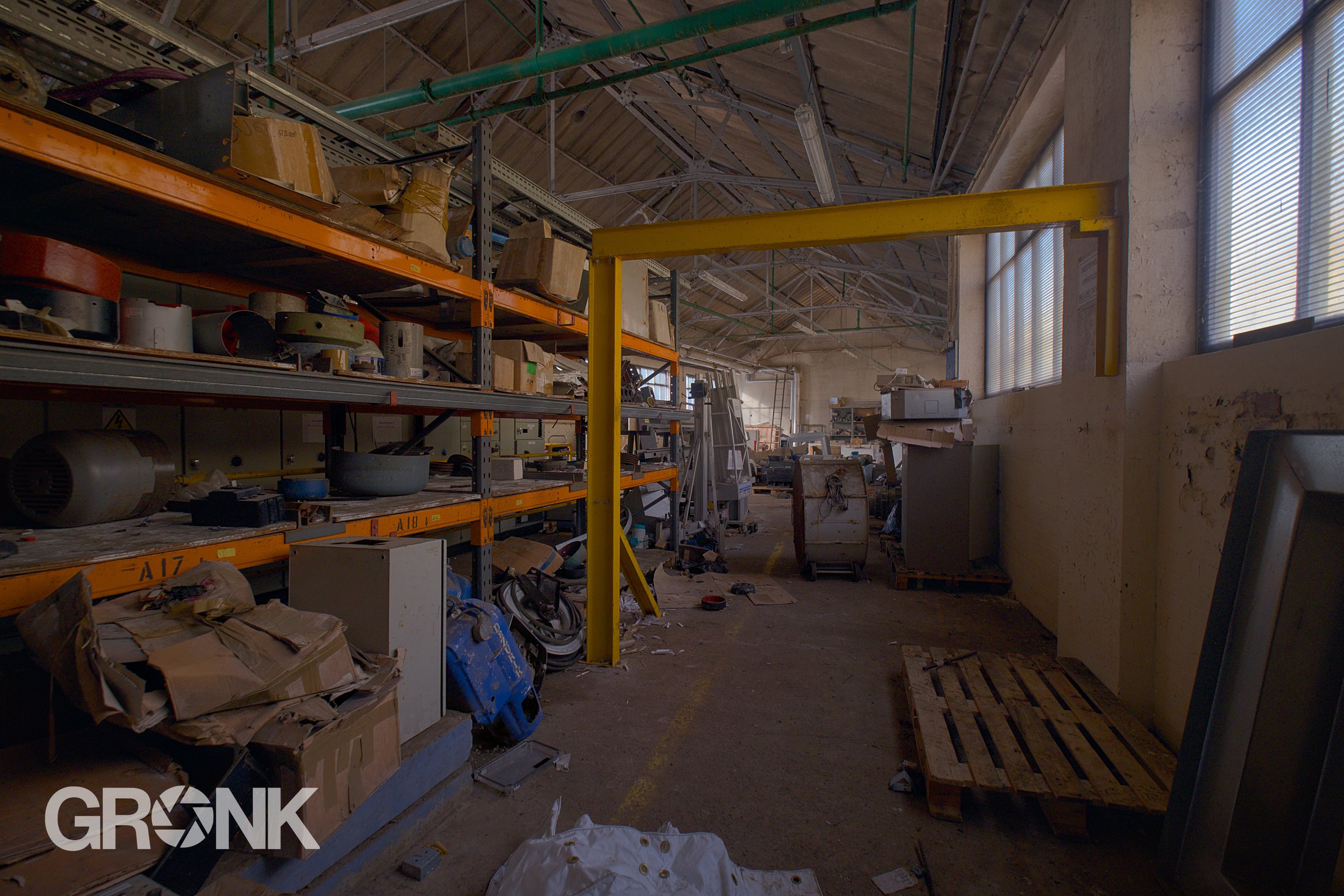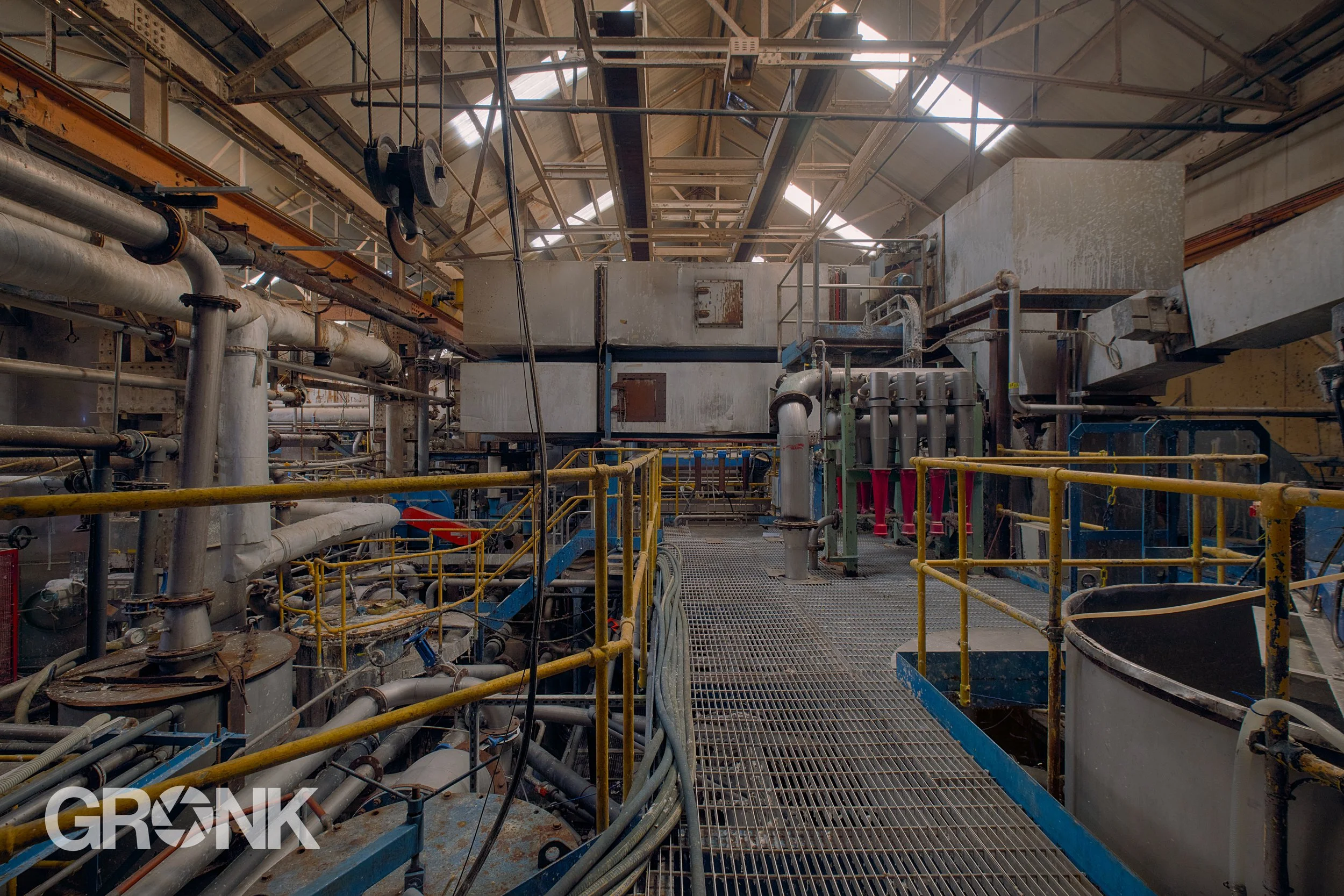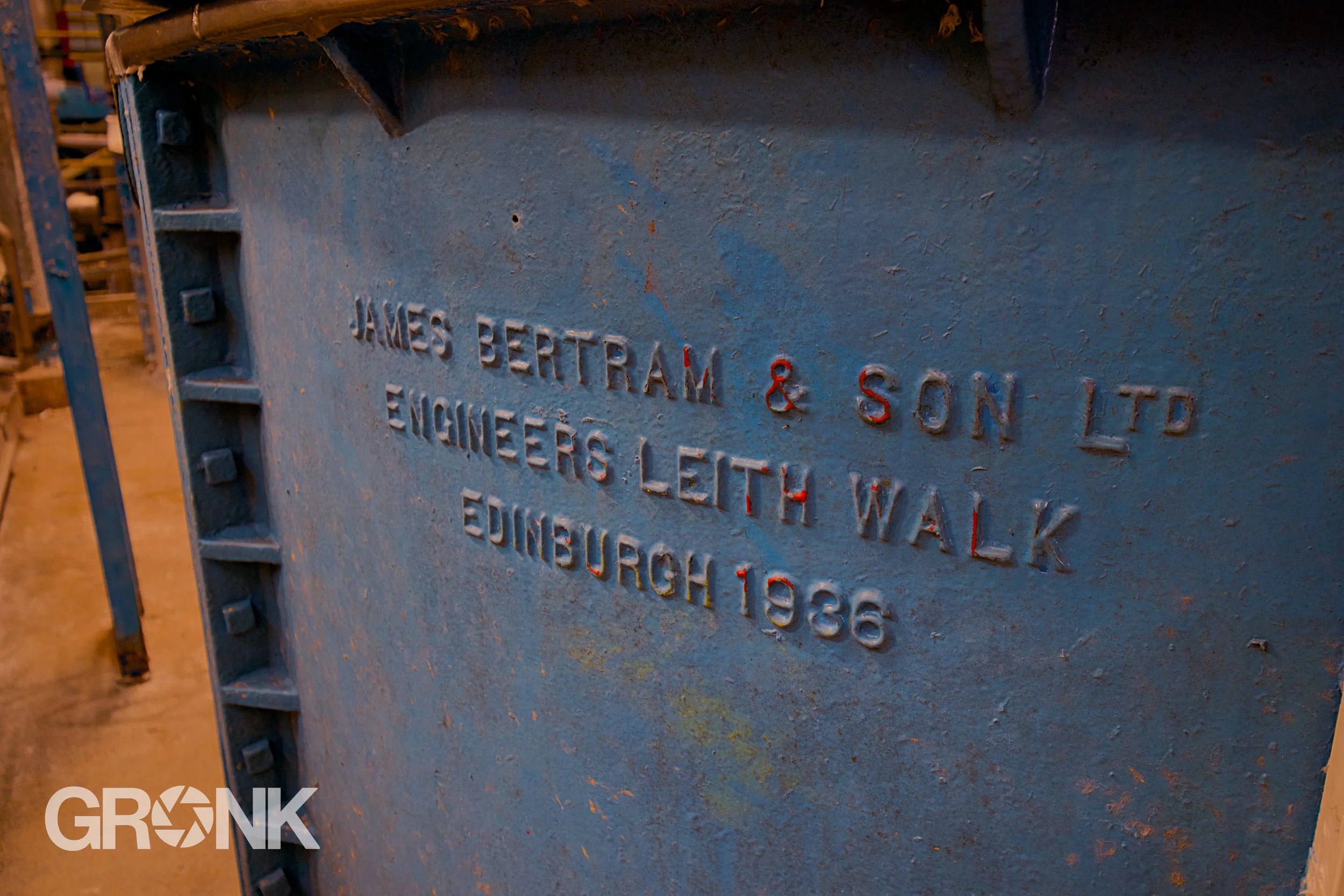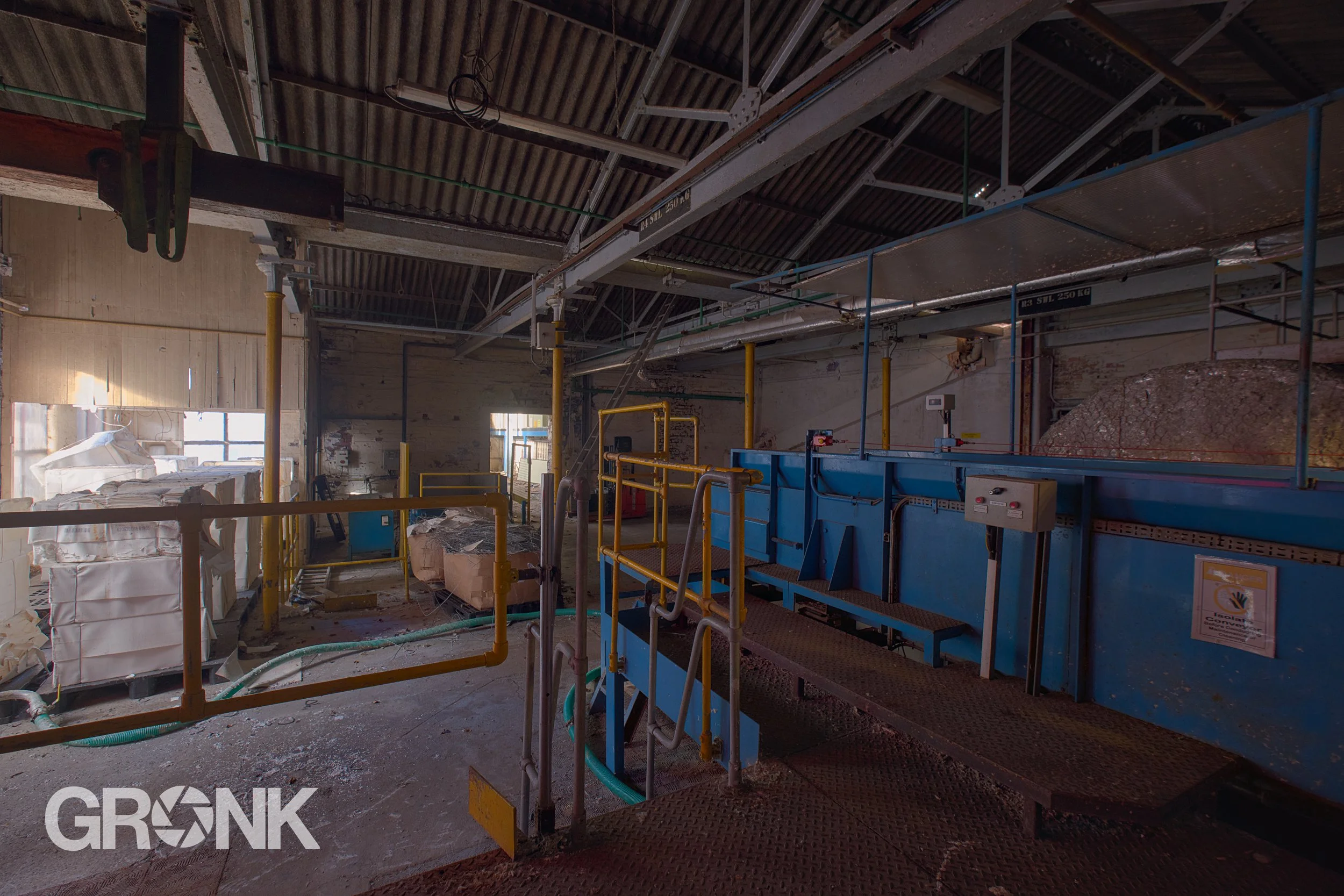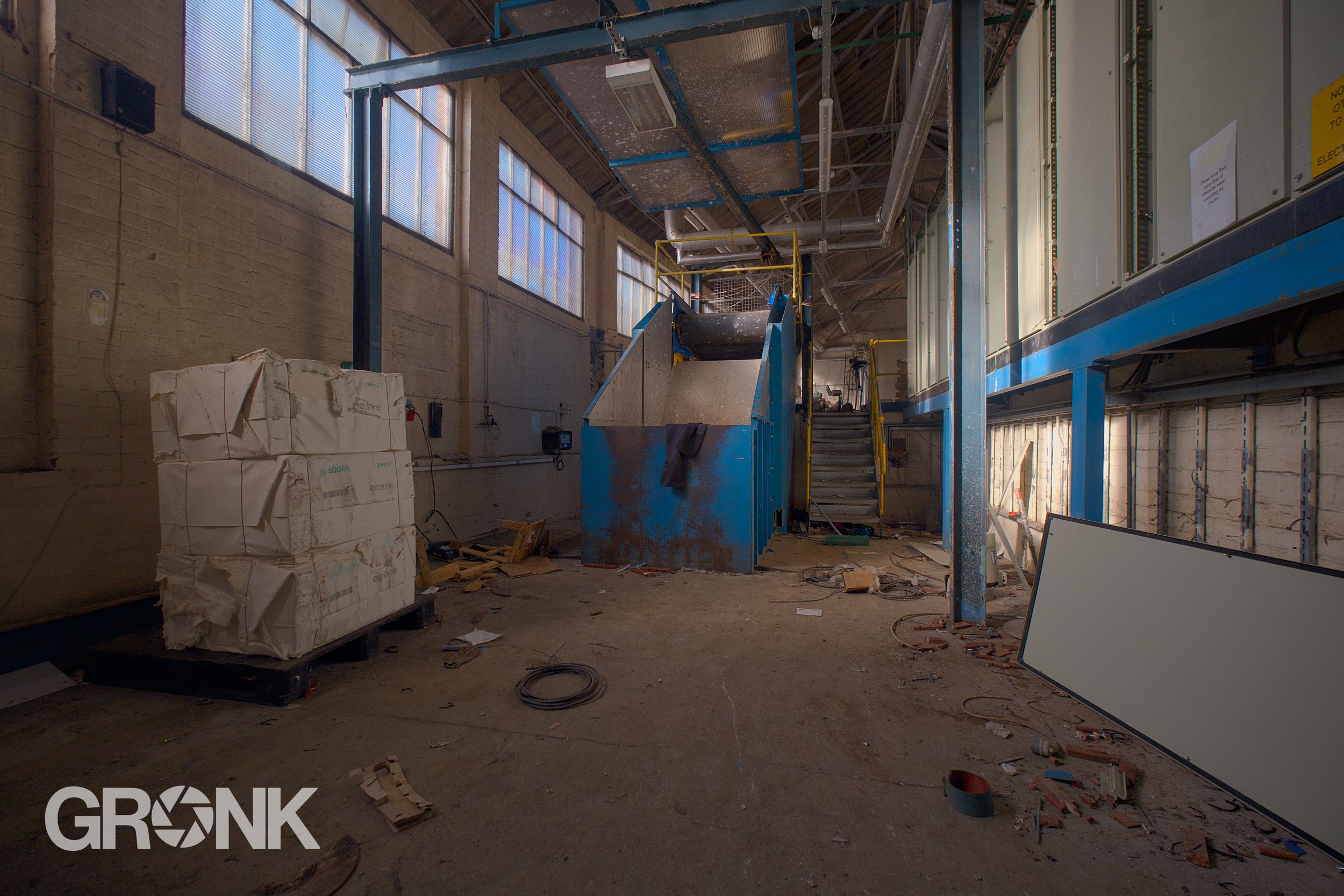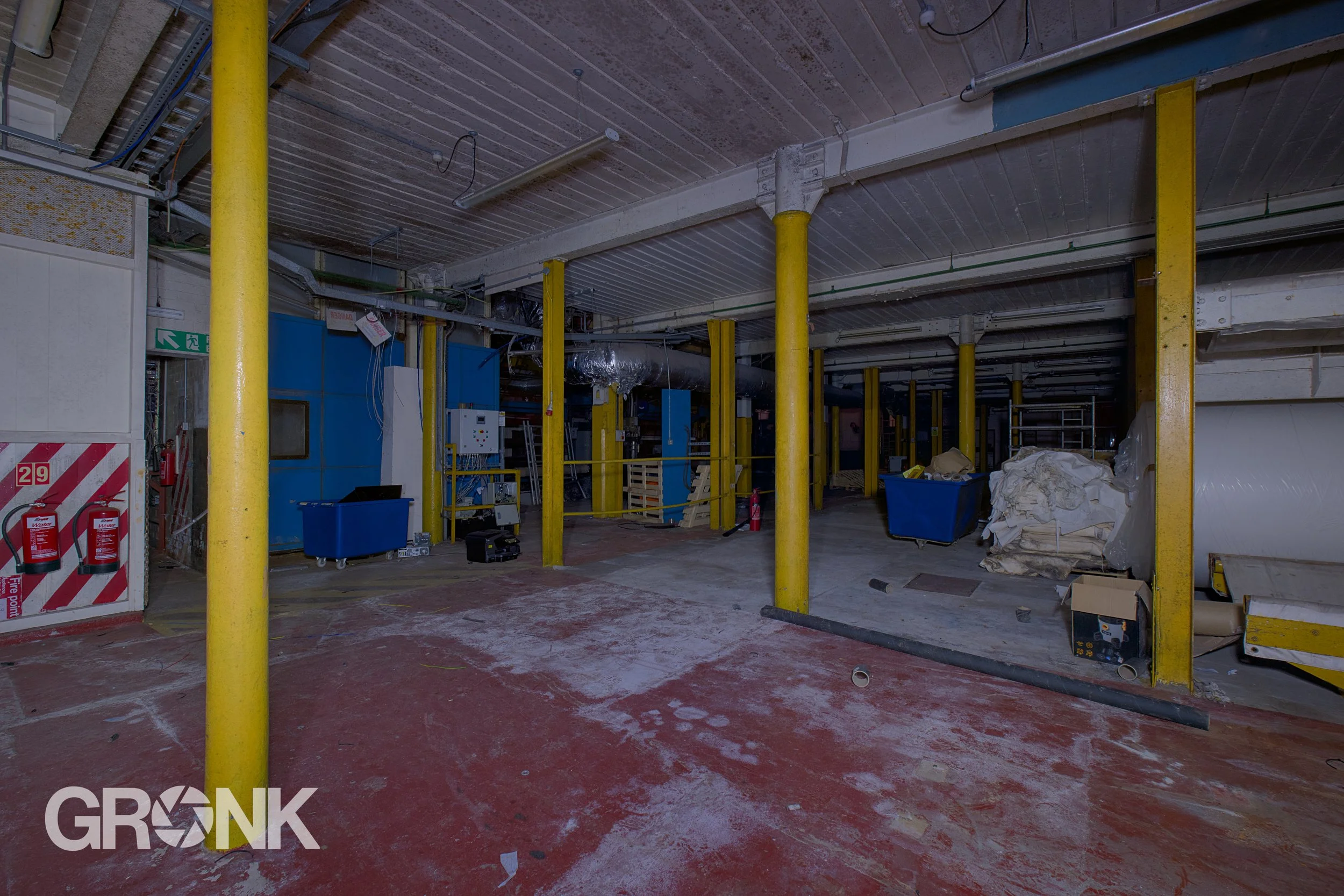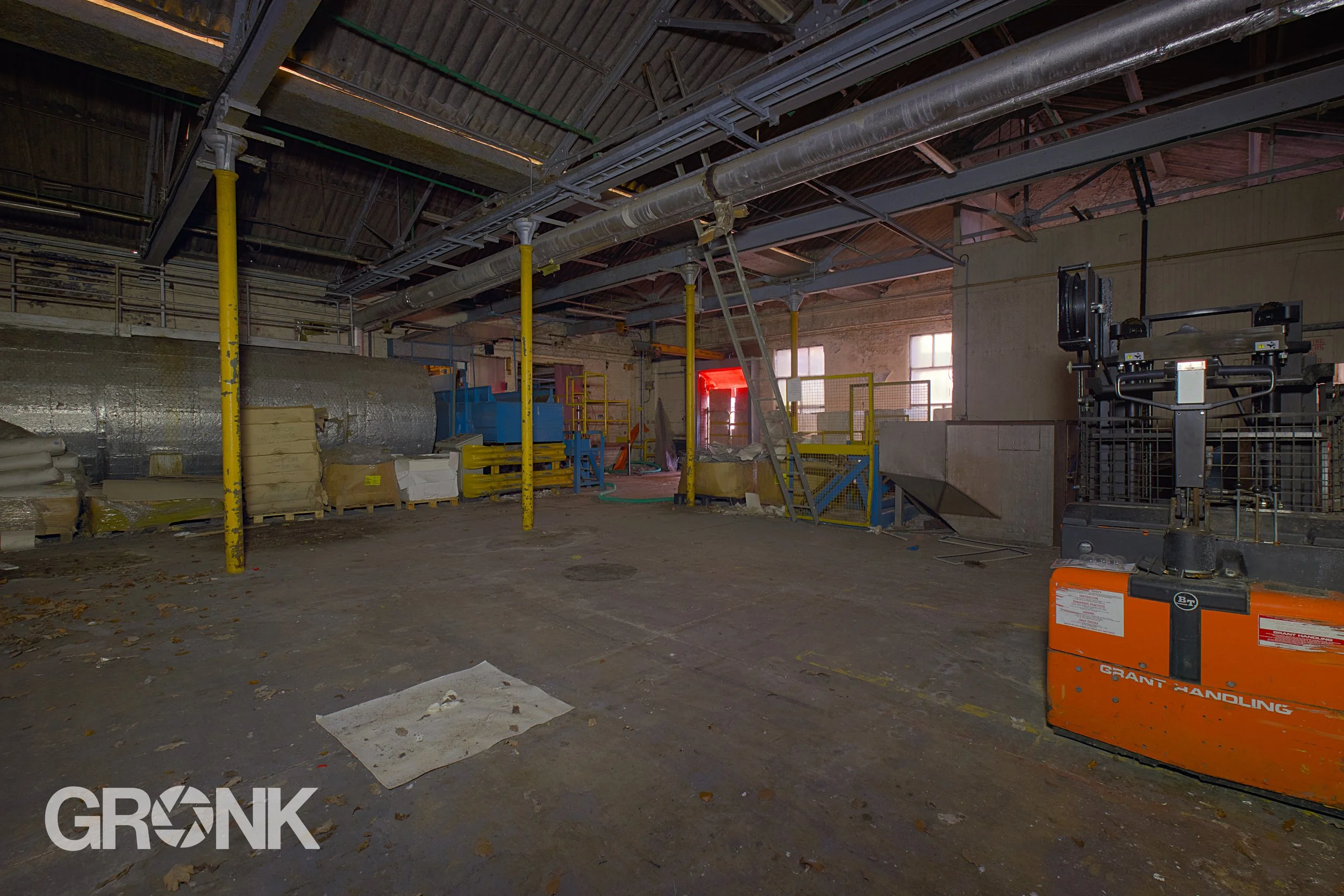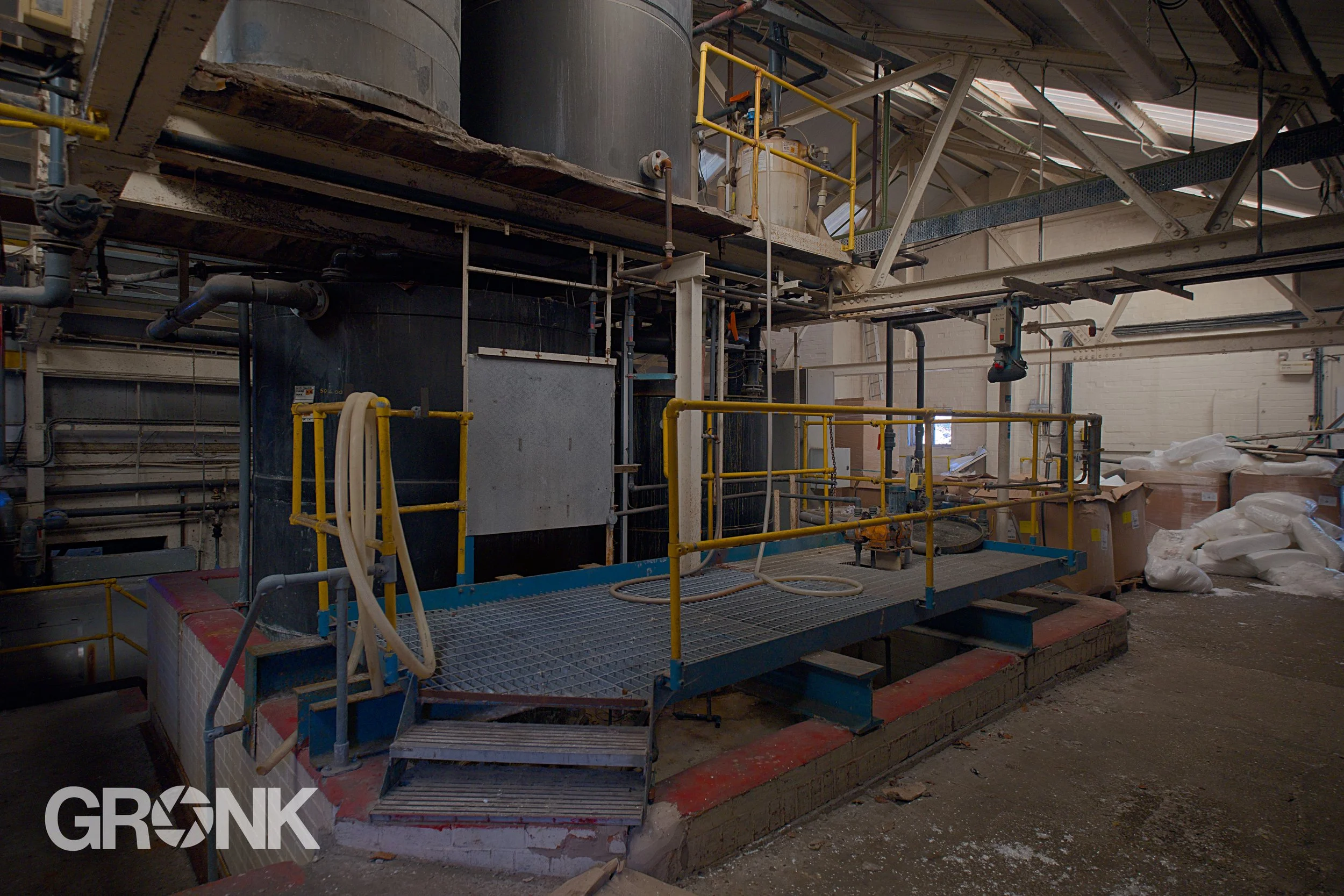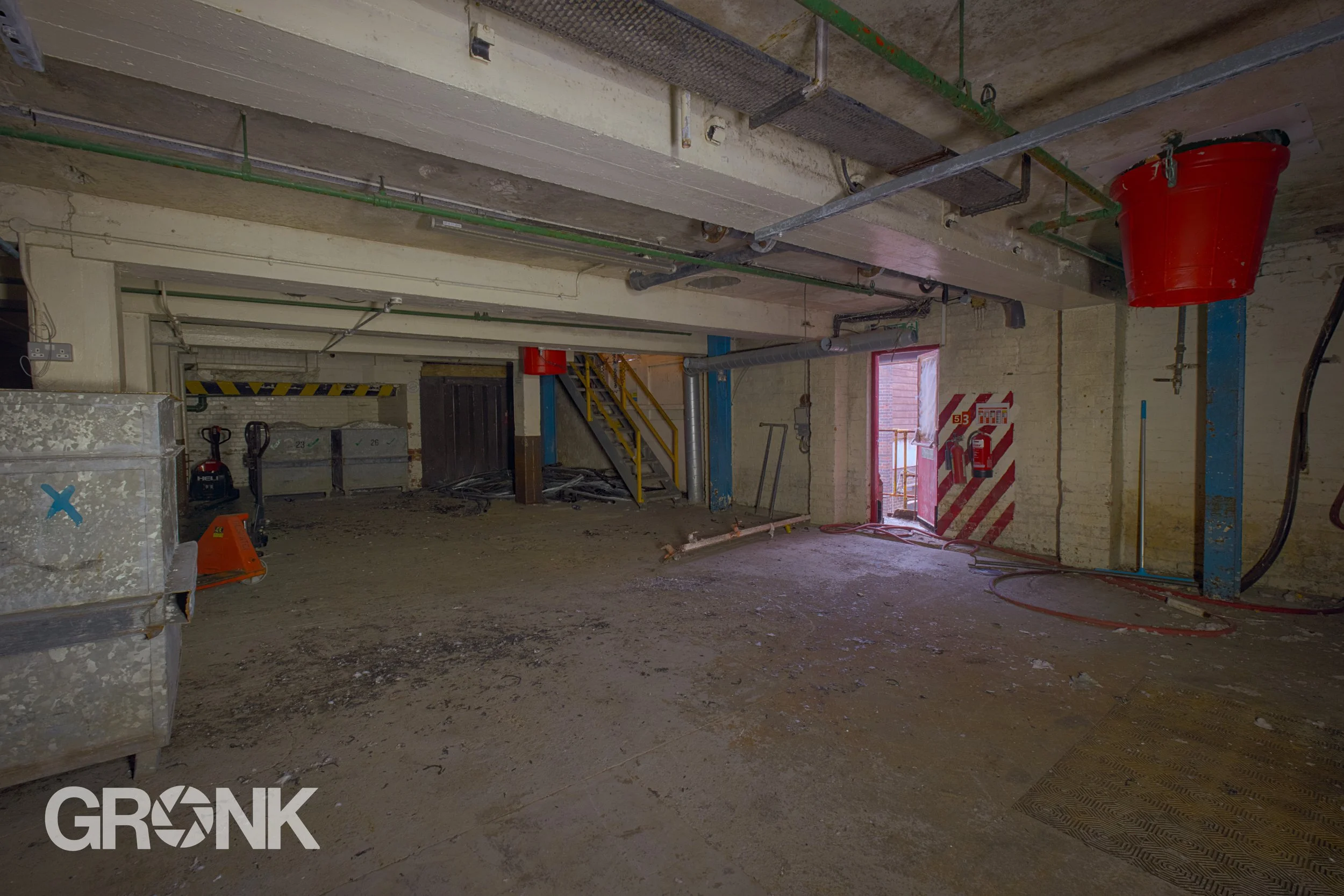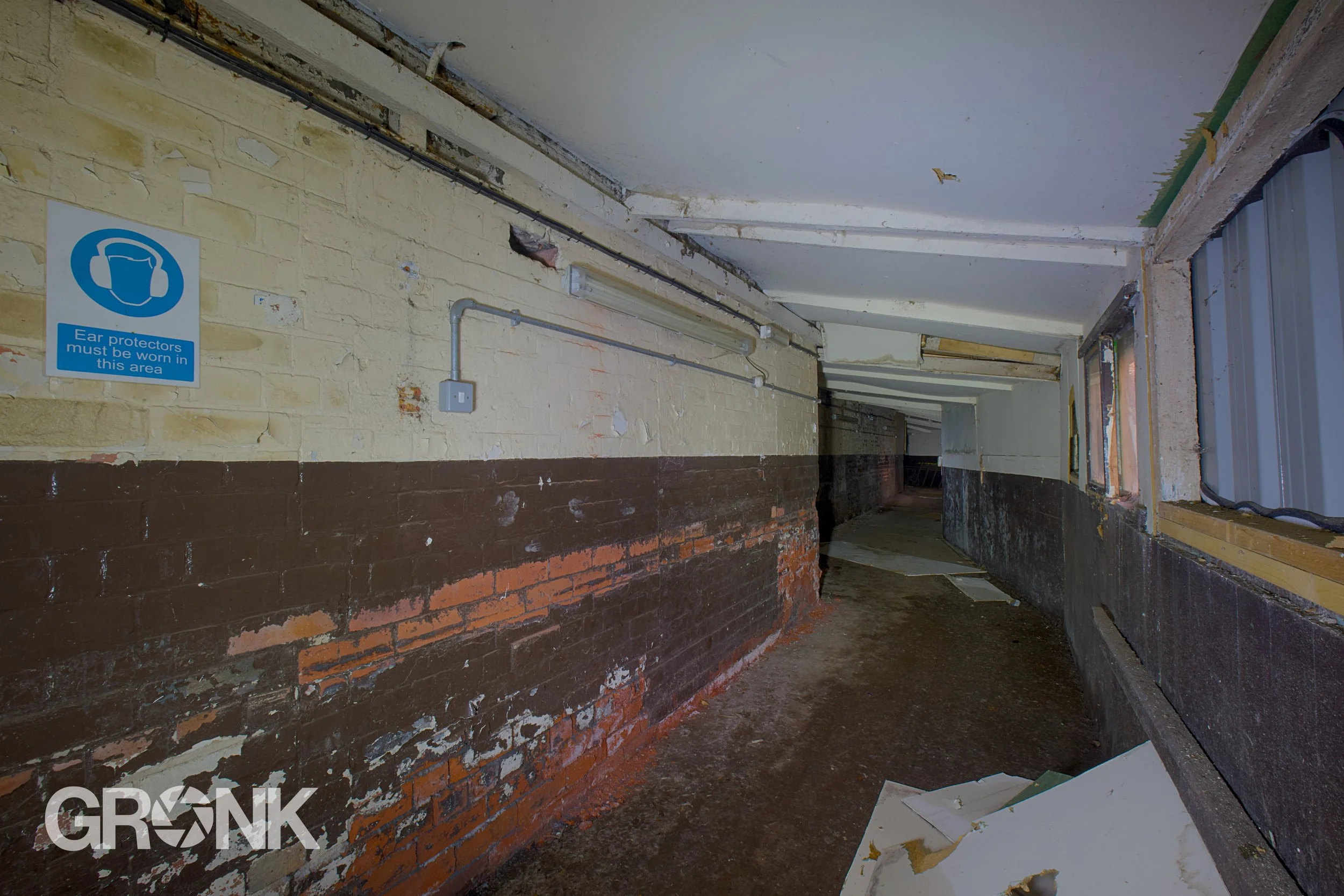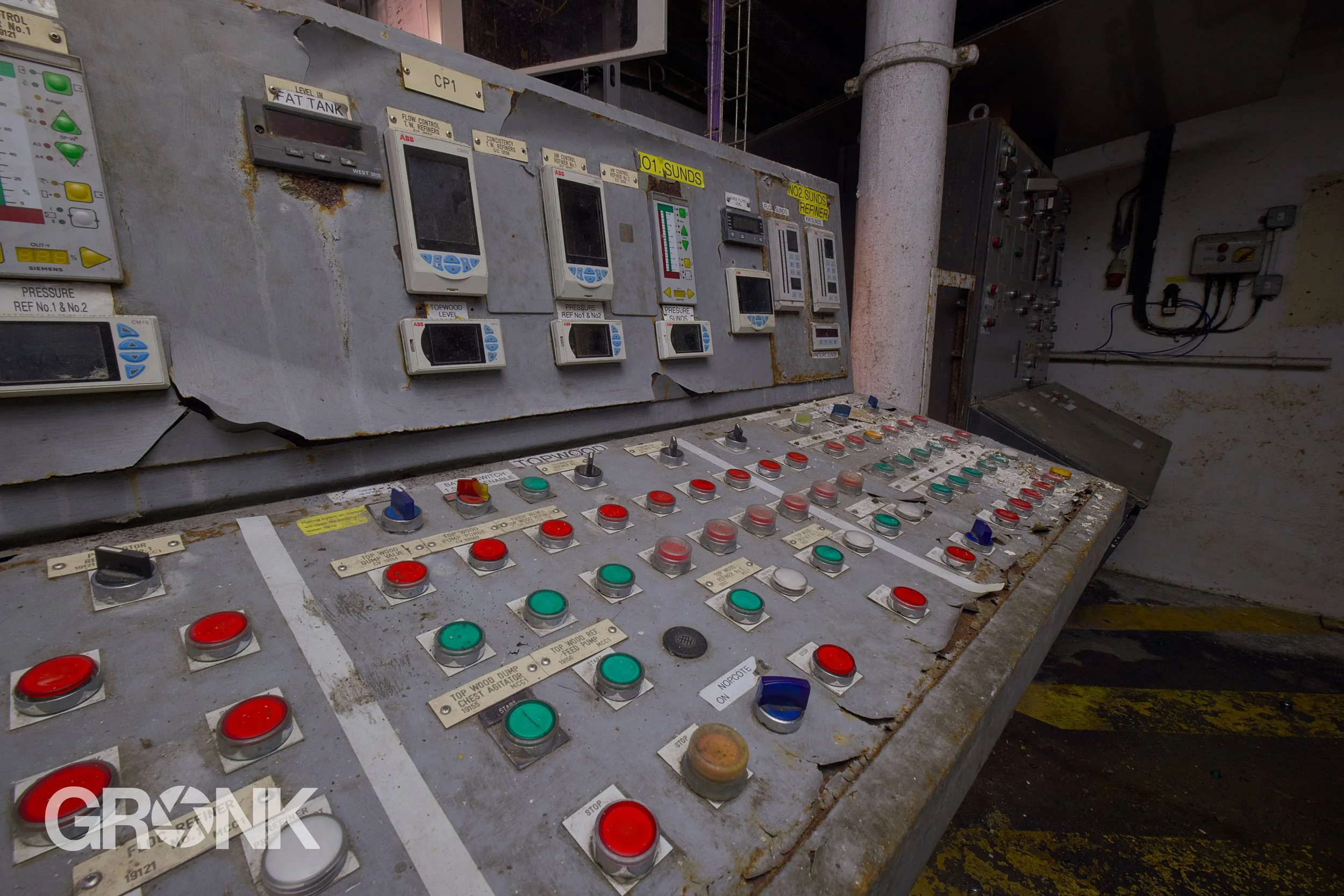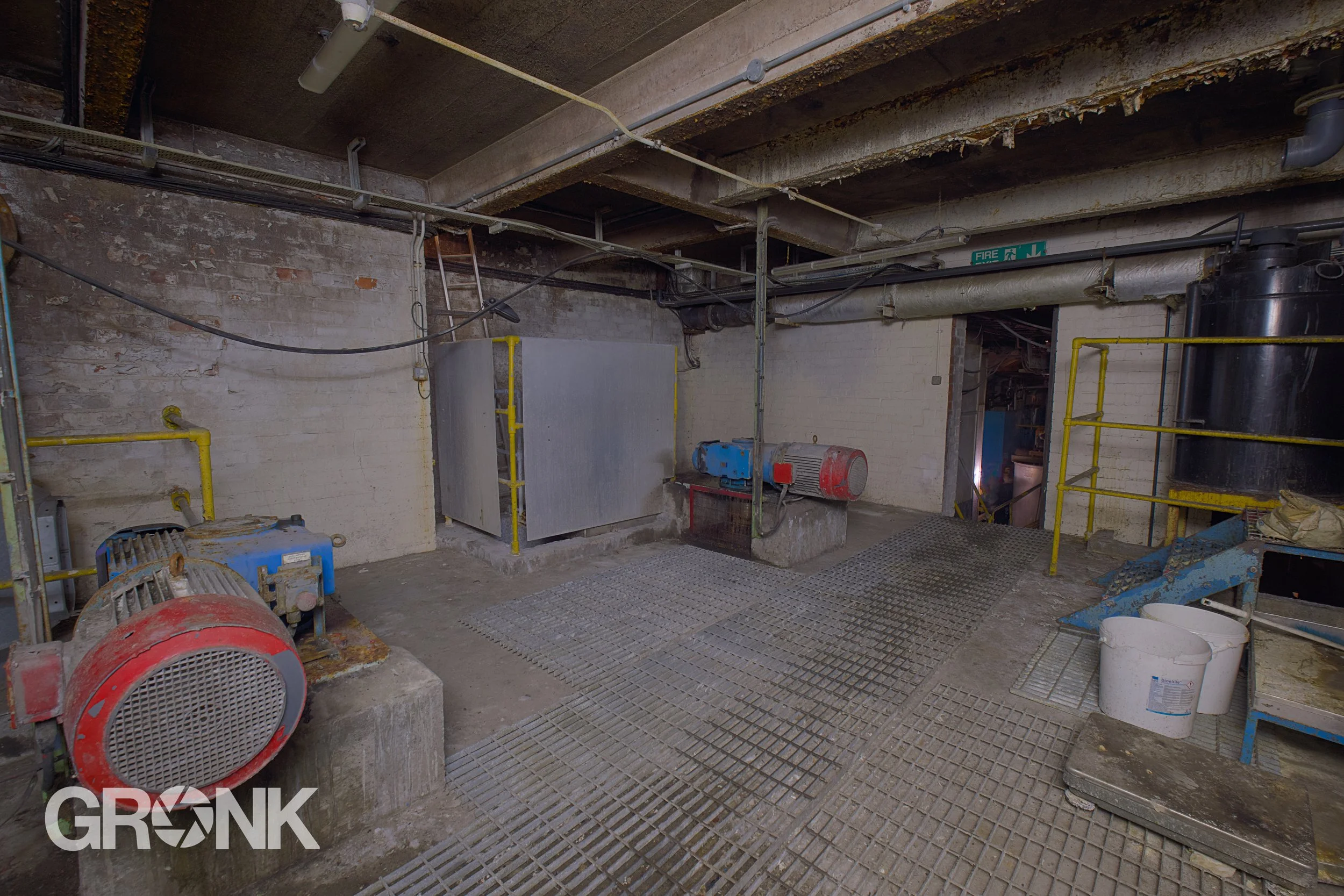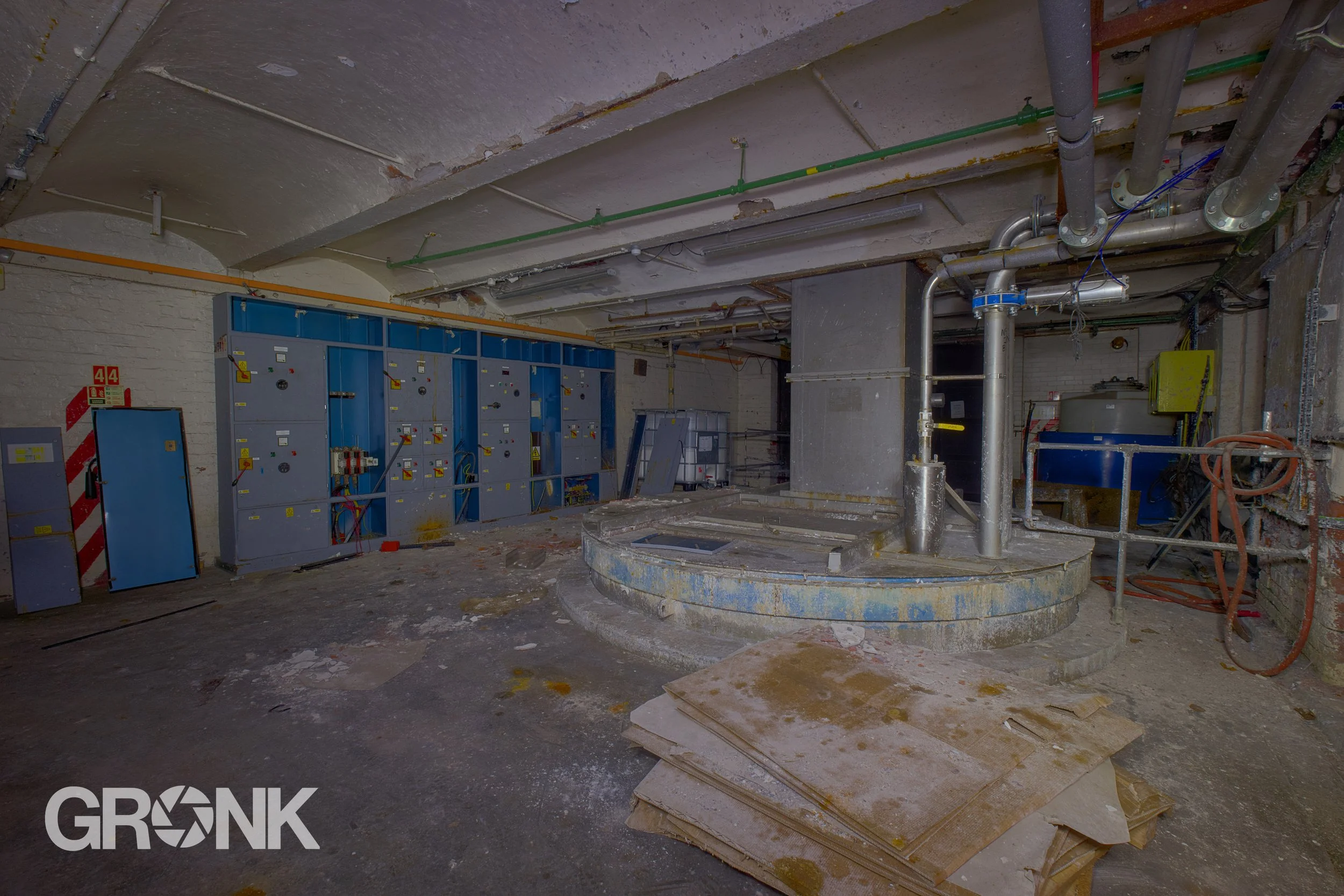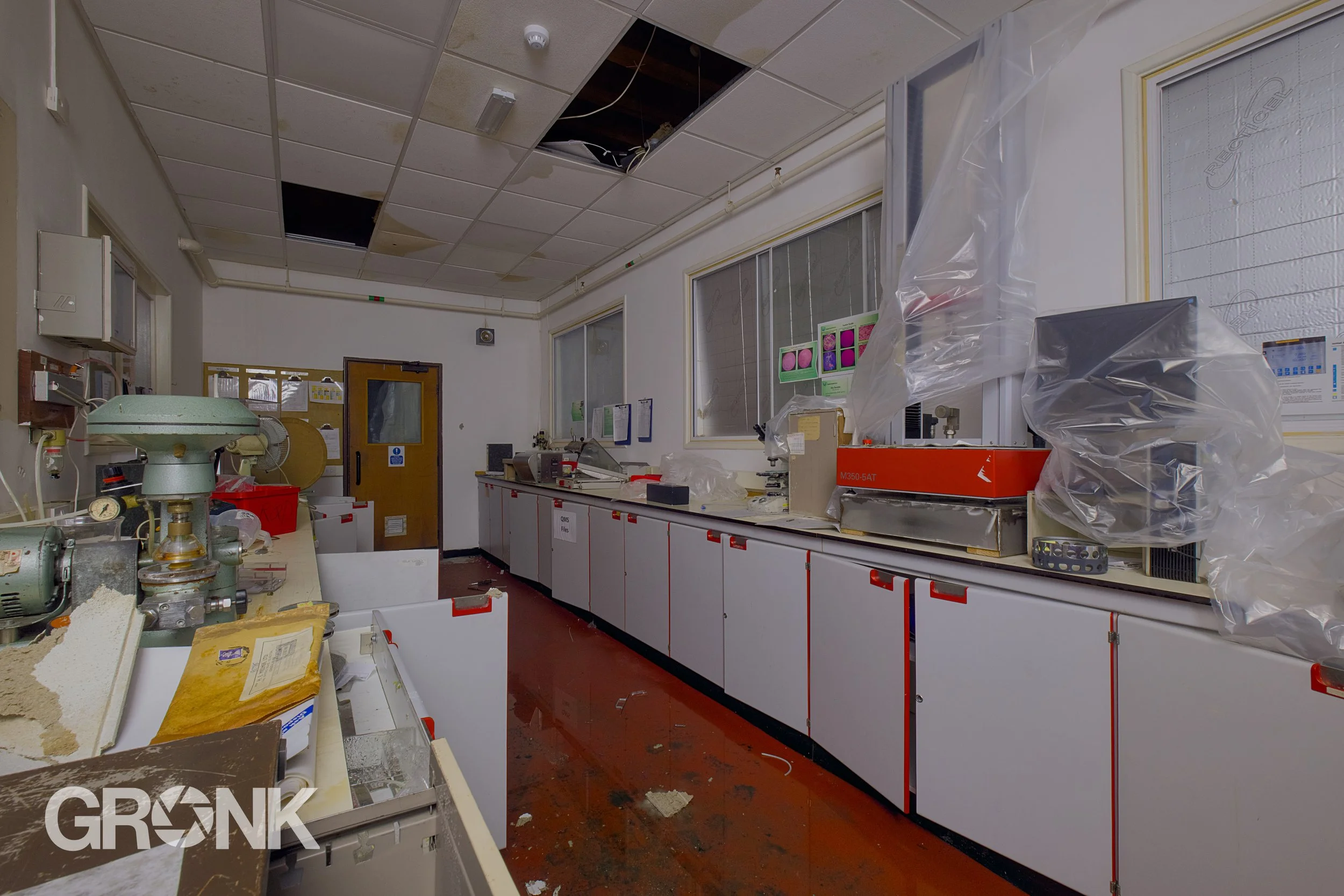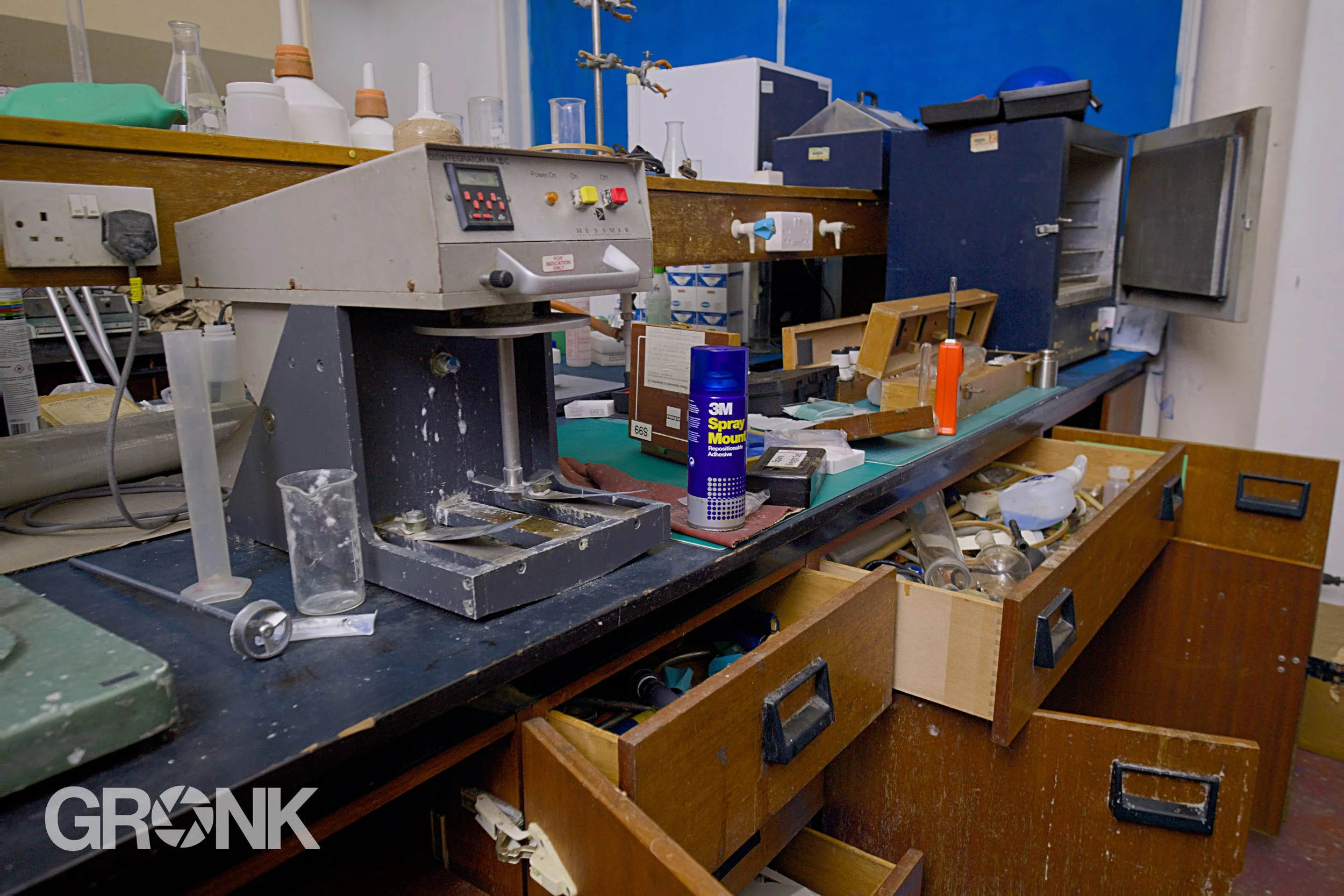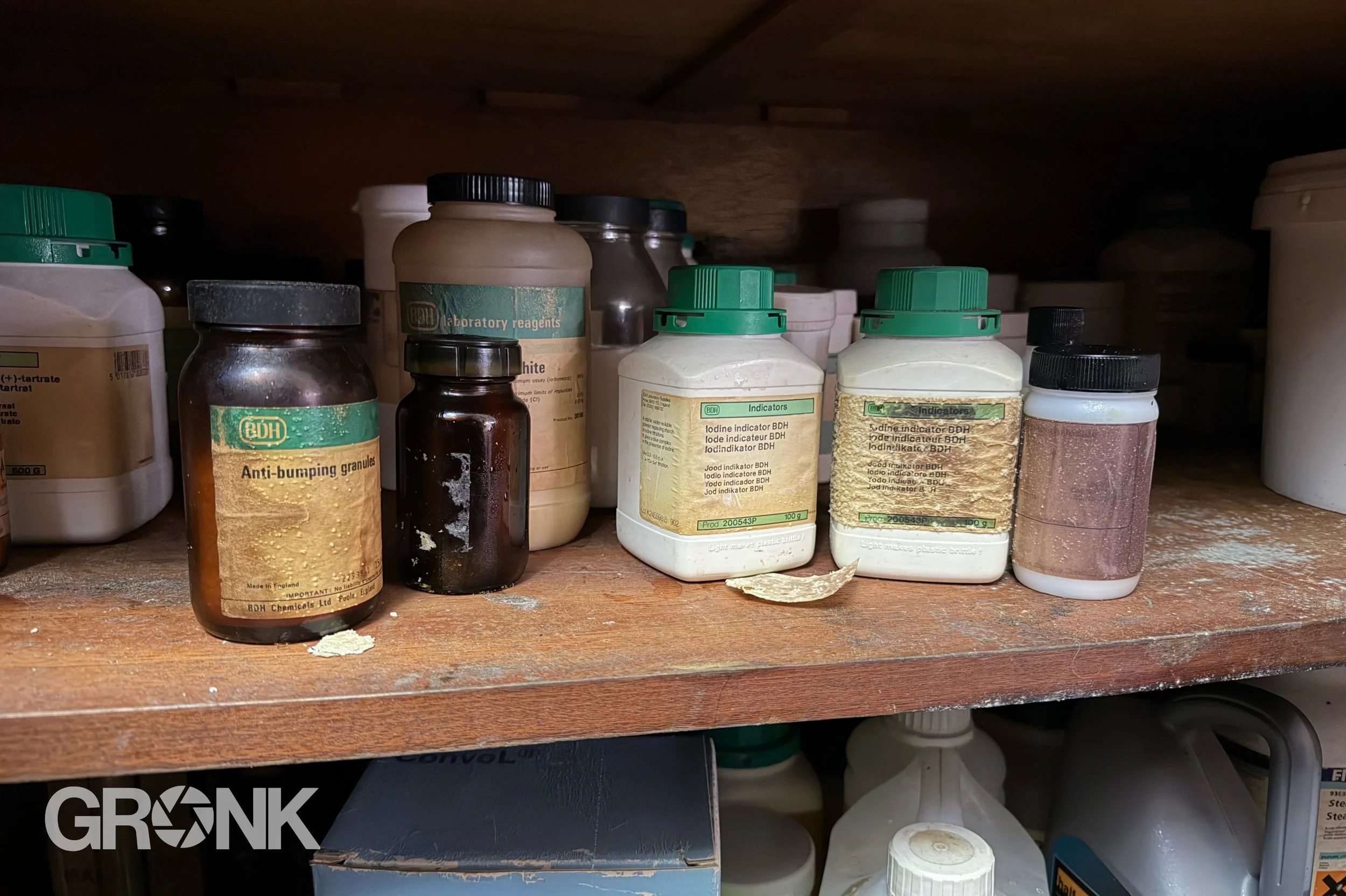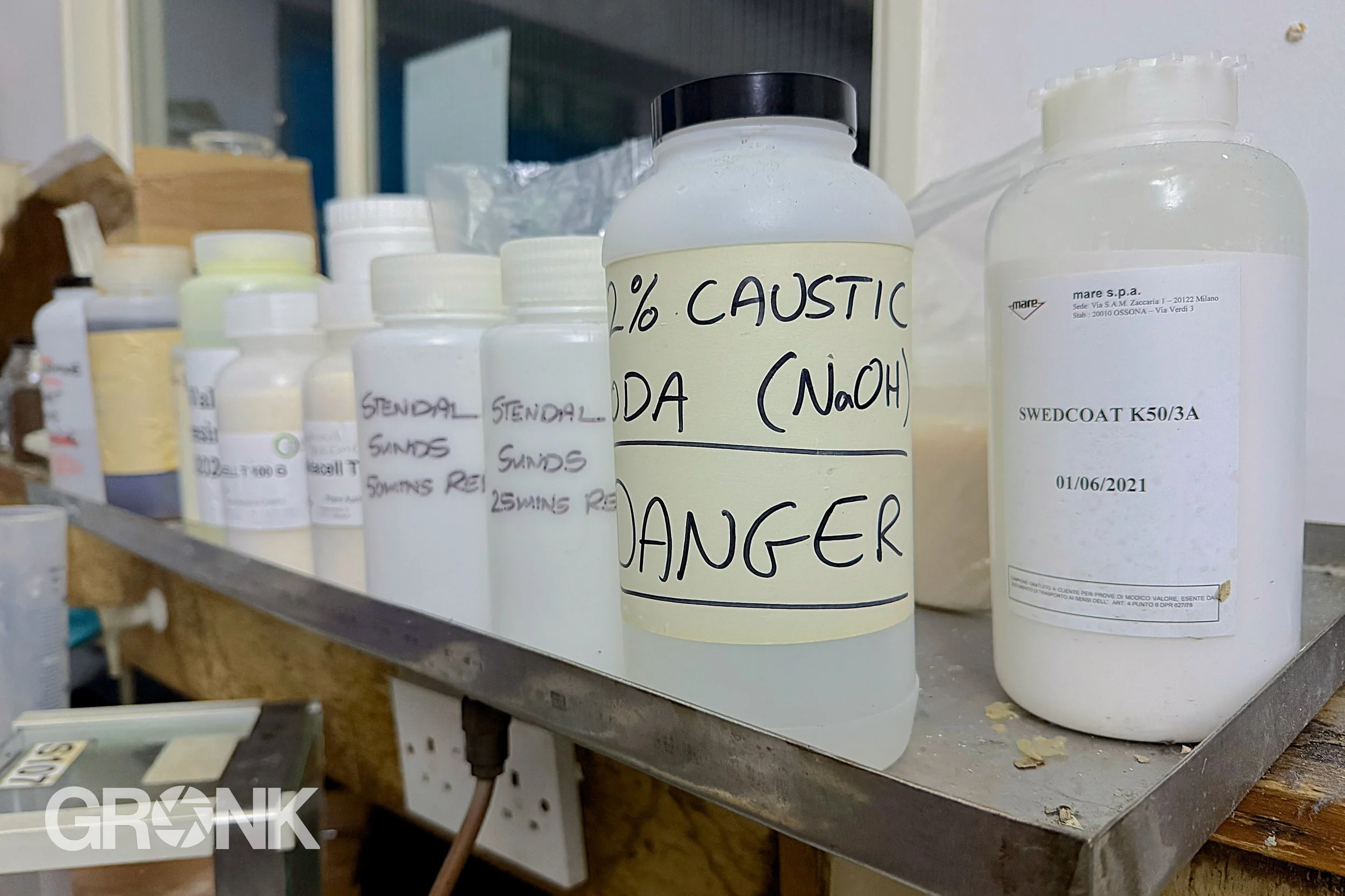
Simpson Clough Mill, Heywood
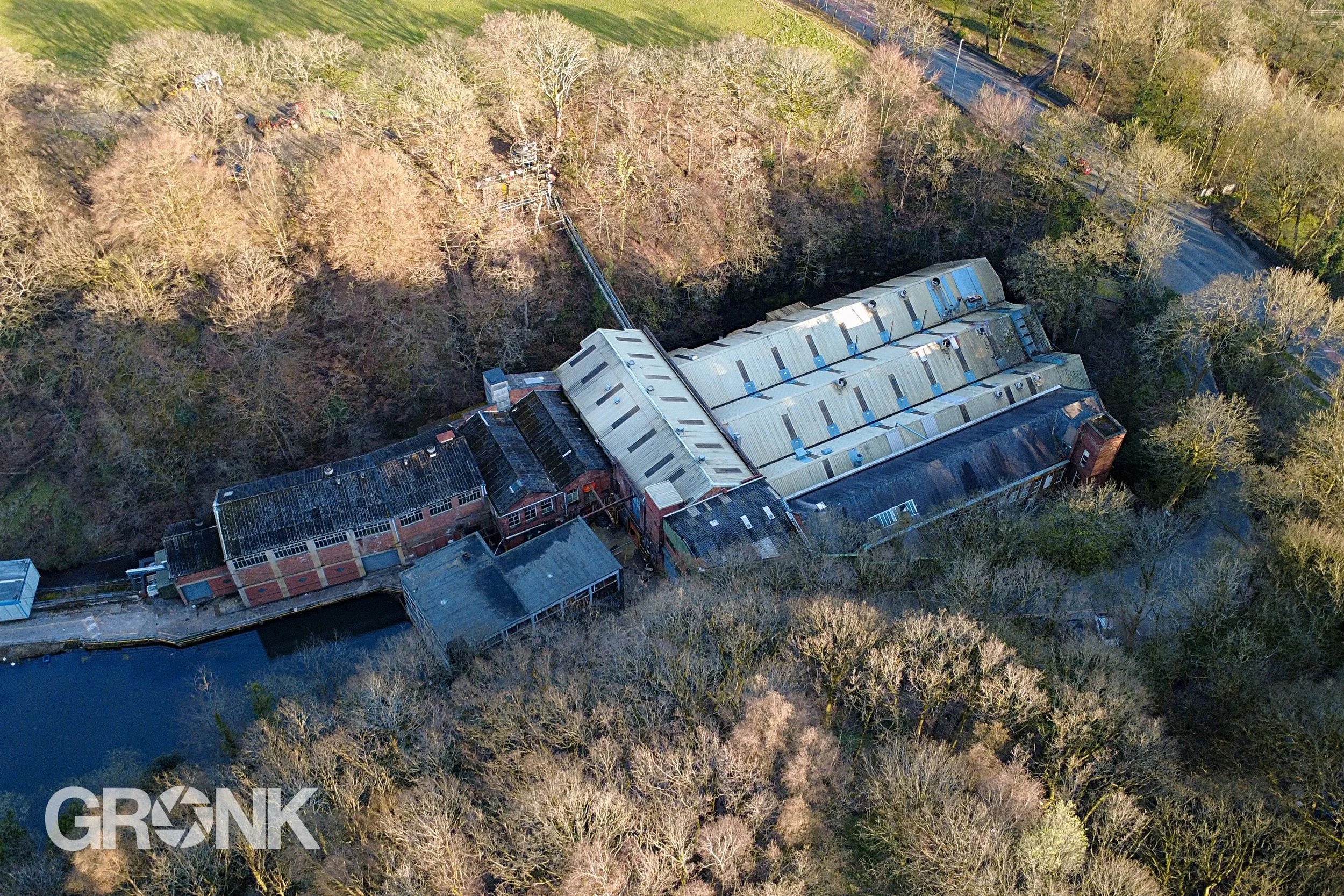
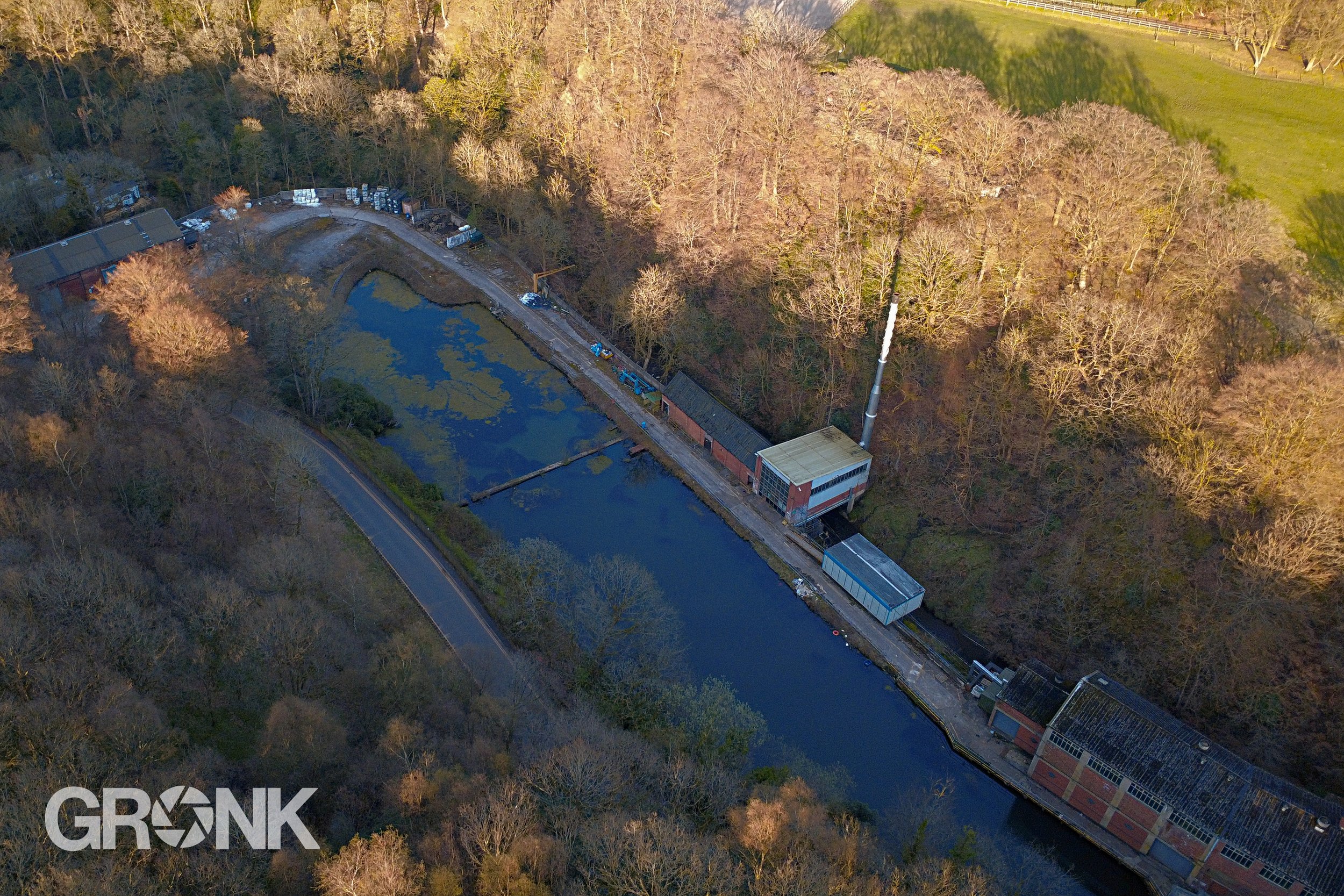
Simpson Clough Mill, located in the Ashworth Valley near Heywood, has a long industrial history dating back to the 1840s. Built beside a fast-flowing brook, it was originally a water-powered fulling mill used to process woollen cloth. By the late nineteenth century, the mill was operated by Thomas Oram & Sons, who manufactured woollen textiles. Unlike the large steam-powered cotton mills that dominated nearby towns, Simpson Clough retained its rural setting and relied on water power, reflecting an earlier phase of Lancashire's textile industry.
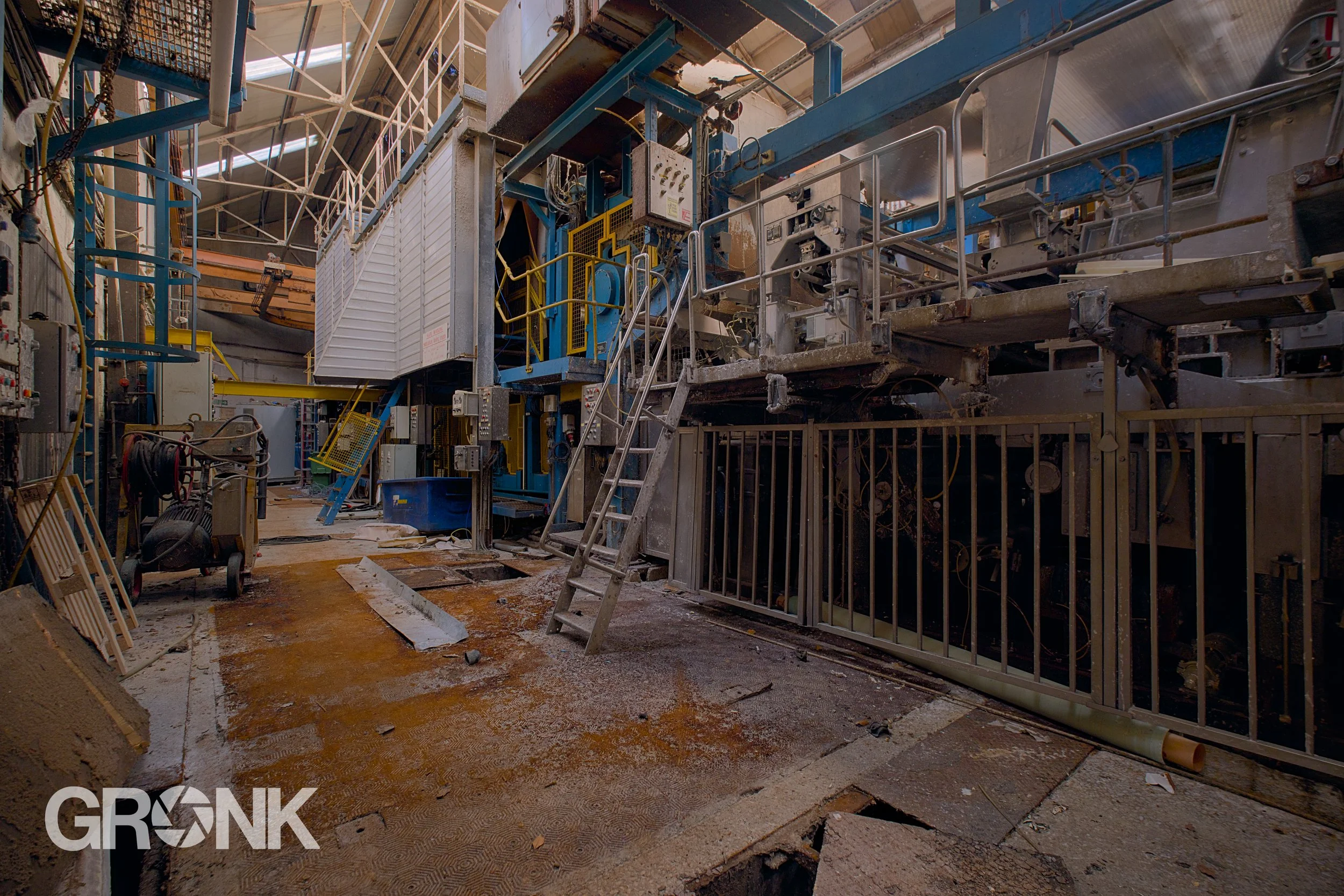
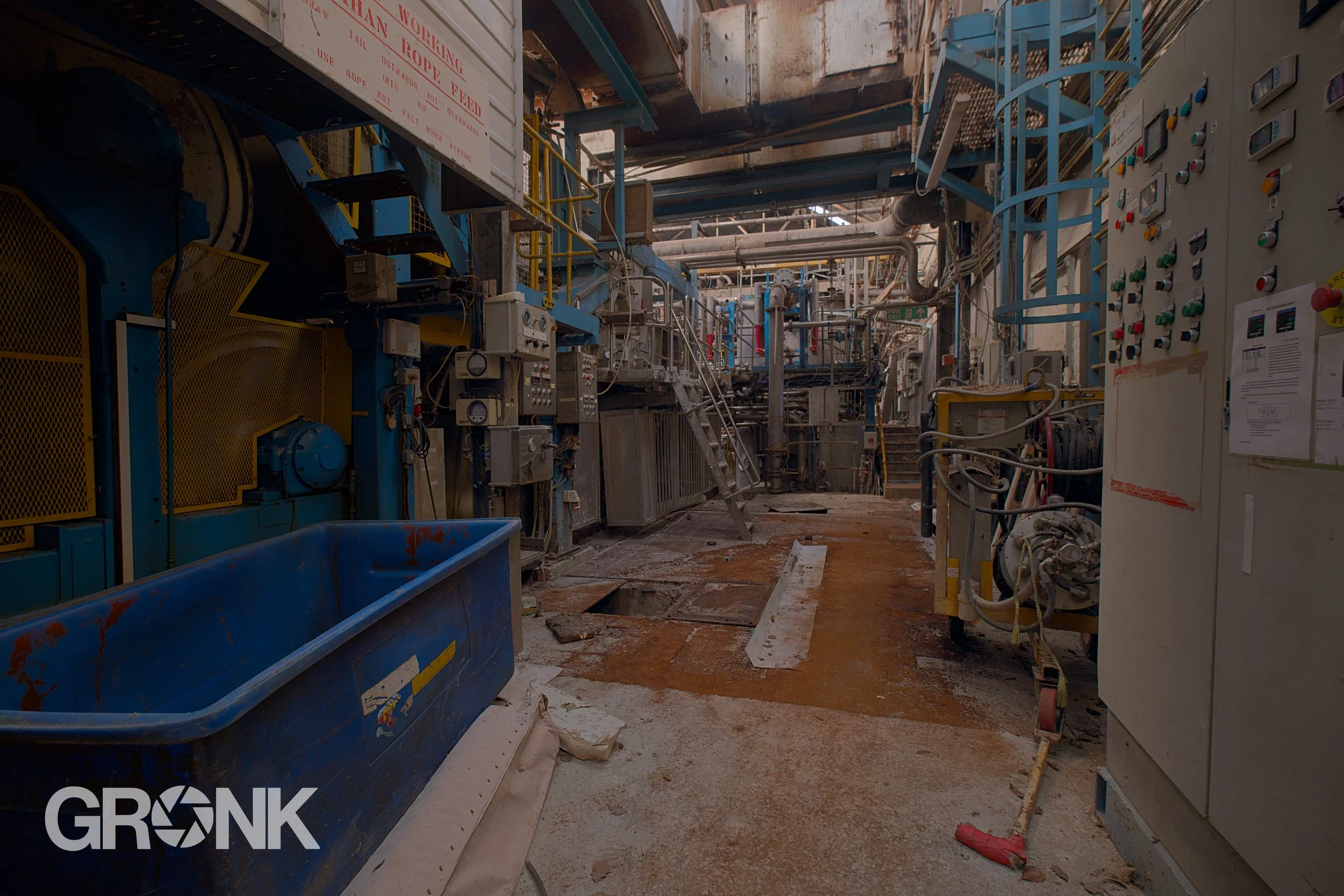
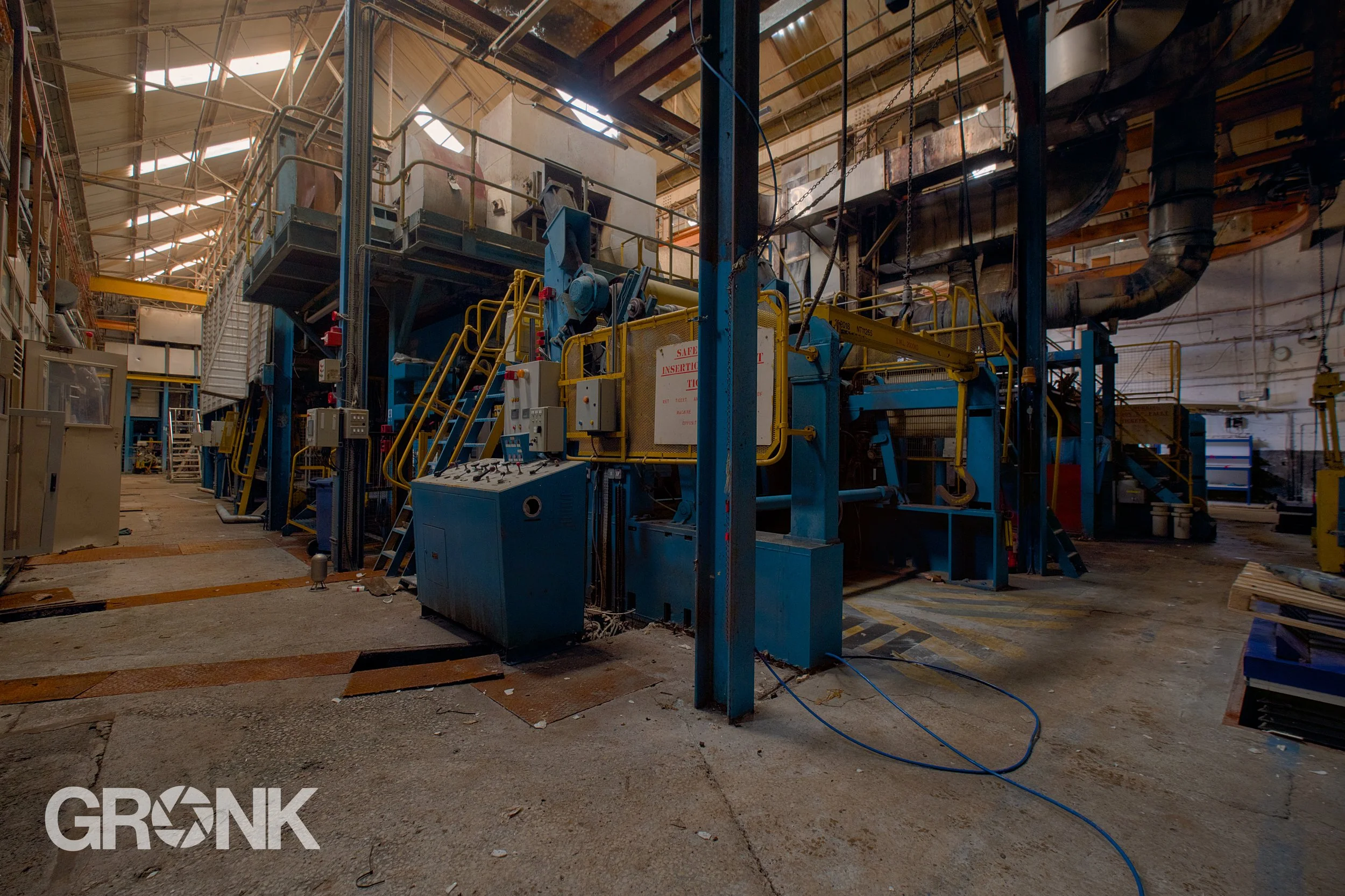
In 1939, the mill was purchased by J. R. Crompton Bros. During the Second World War, production was suspended and the buildings were used as a food storage depot. After the war, in 1946, the site was transformed into a paper mill. This conversion marked a new chapter in its history, allowing the business to specialise in the manufacture of high-performance filtration papers.
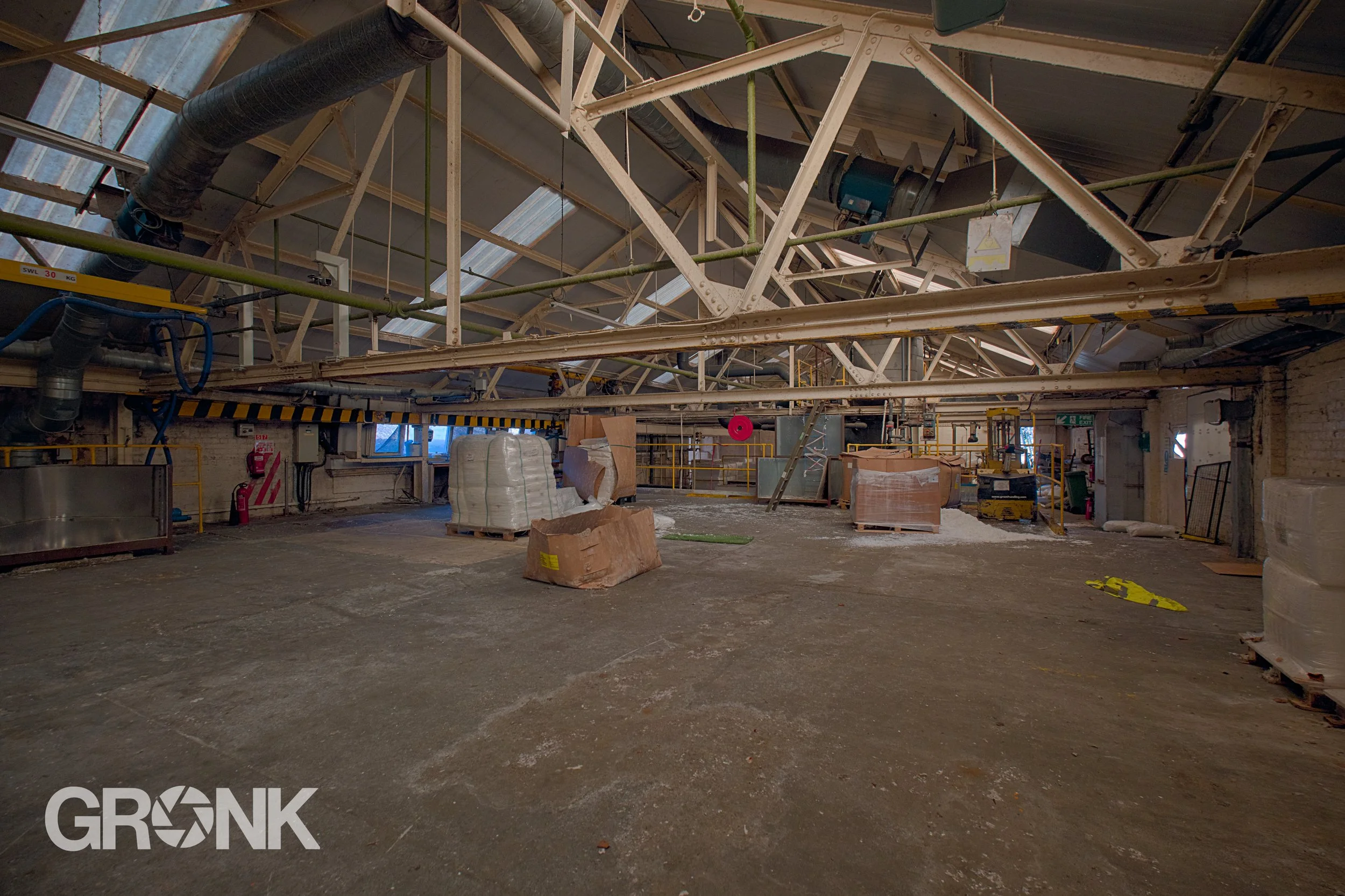
Over the following decades, Simpson Clough Mill became well known for producing specialist papers used in tea bags, coffee filters, laboratory filtration and other food-grade applications. The mill changed ownership several times, passing from J. R. Crompton Bros. to the Portals Group, later Union Papertech, and eventually the Purico Group. Despite these changes, production continued for many years, making the mill one of the last surviving paper manufacturers in the area.
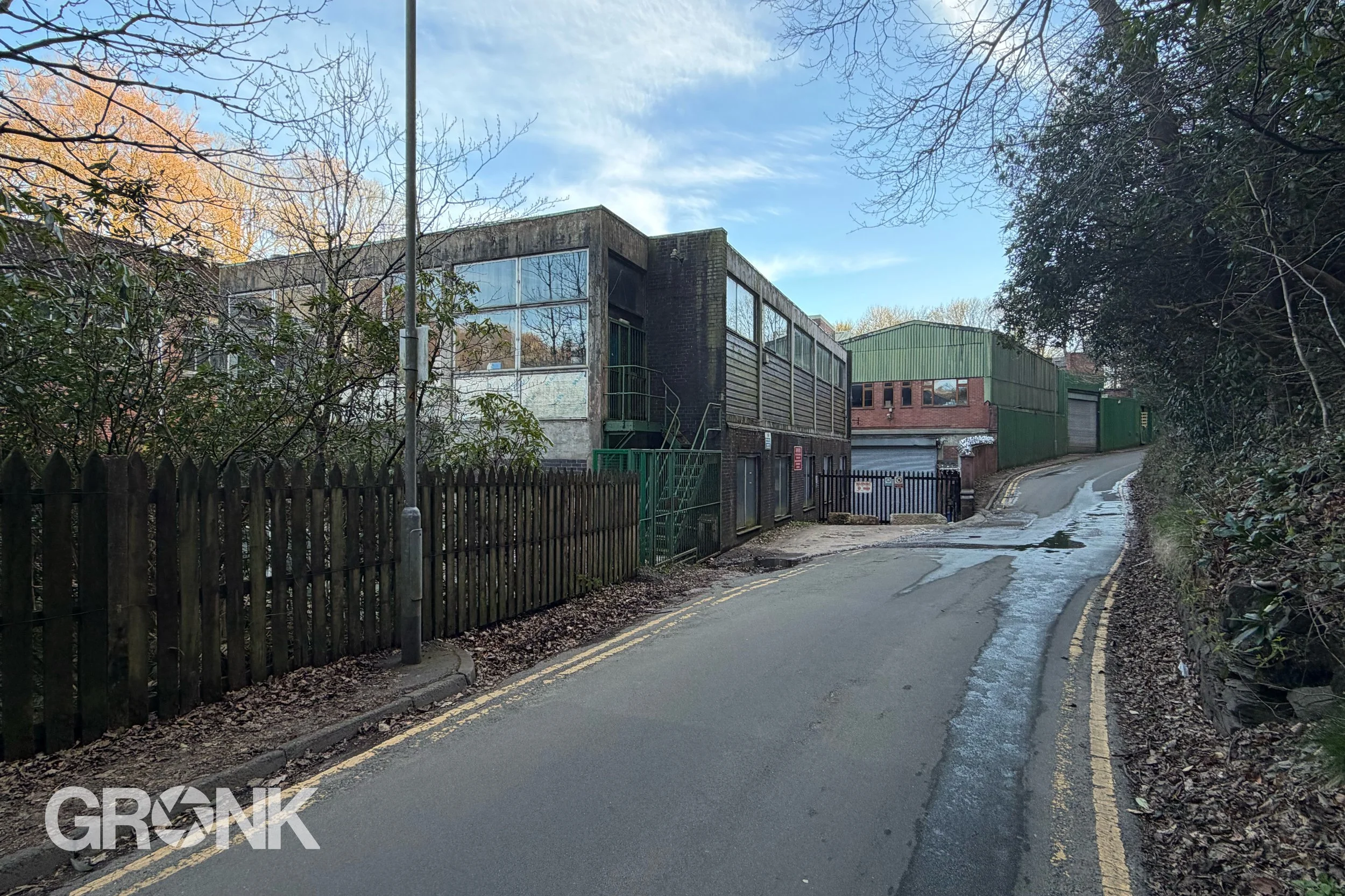
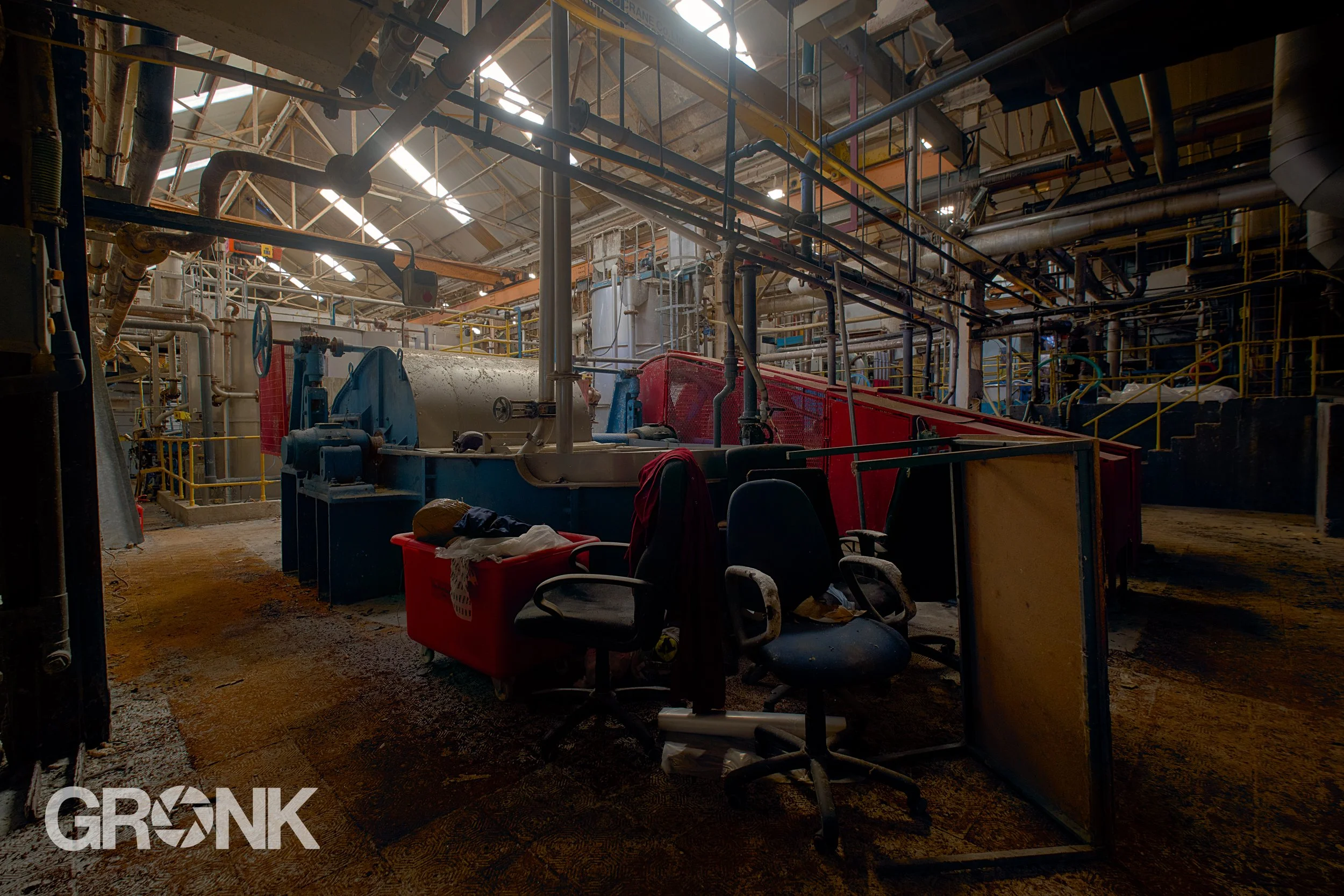
After almost 180 years of industrial use, the mill closed in January 2023. Its history reflects the wider changes in Lancashire industry, from the early woollen trade to specialist paper manufacturing.