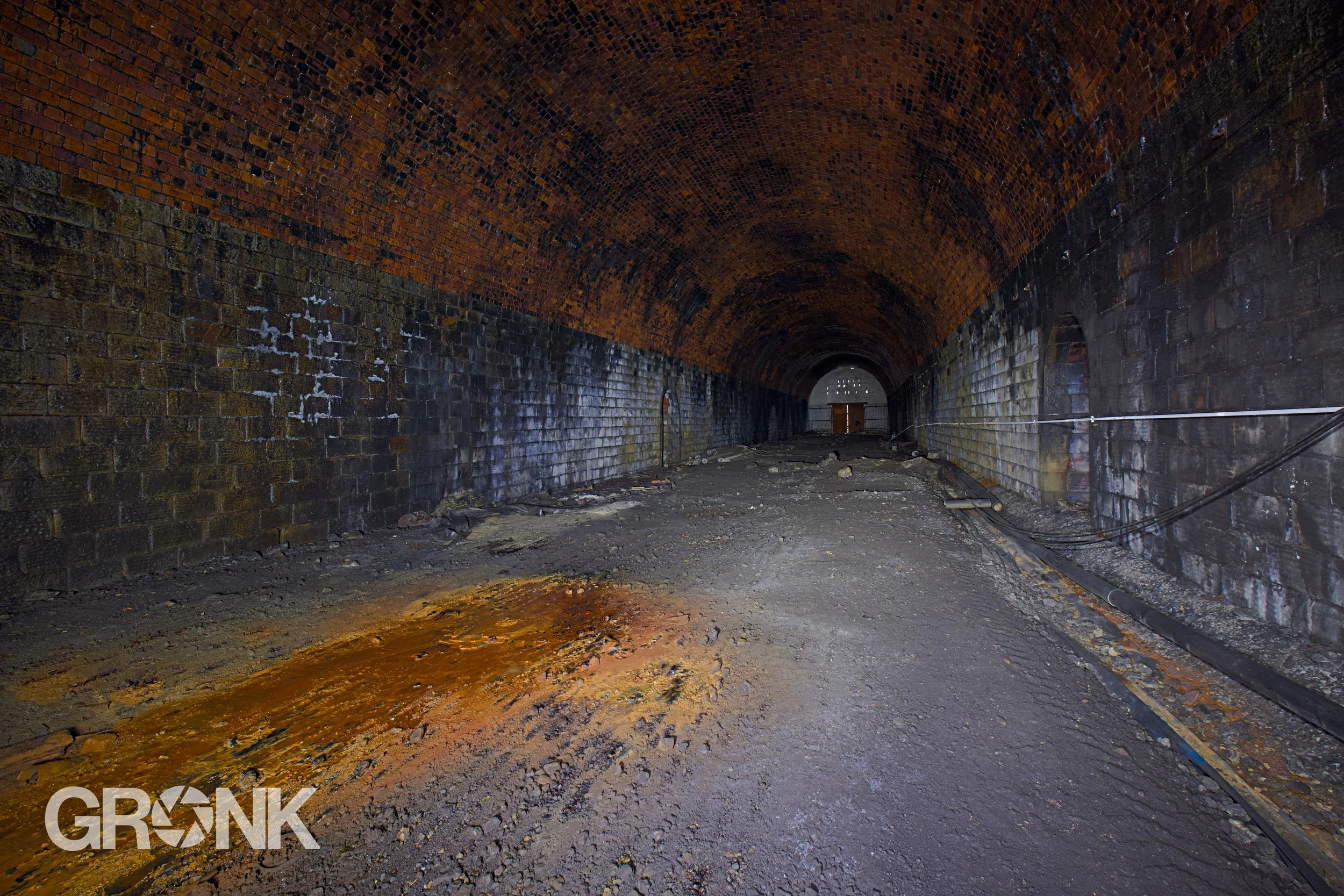
Soothill Tunnel, Batley
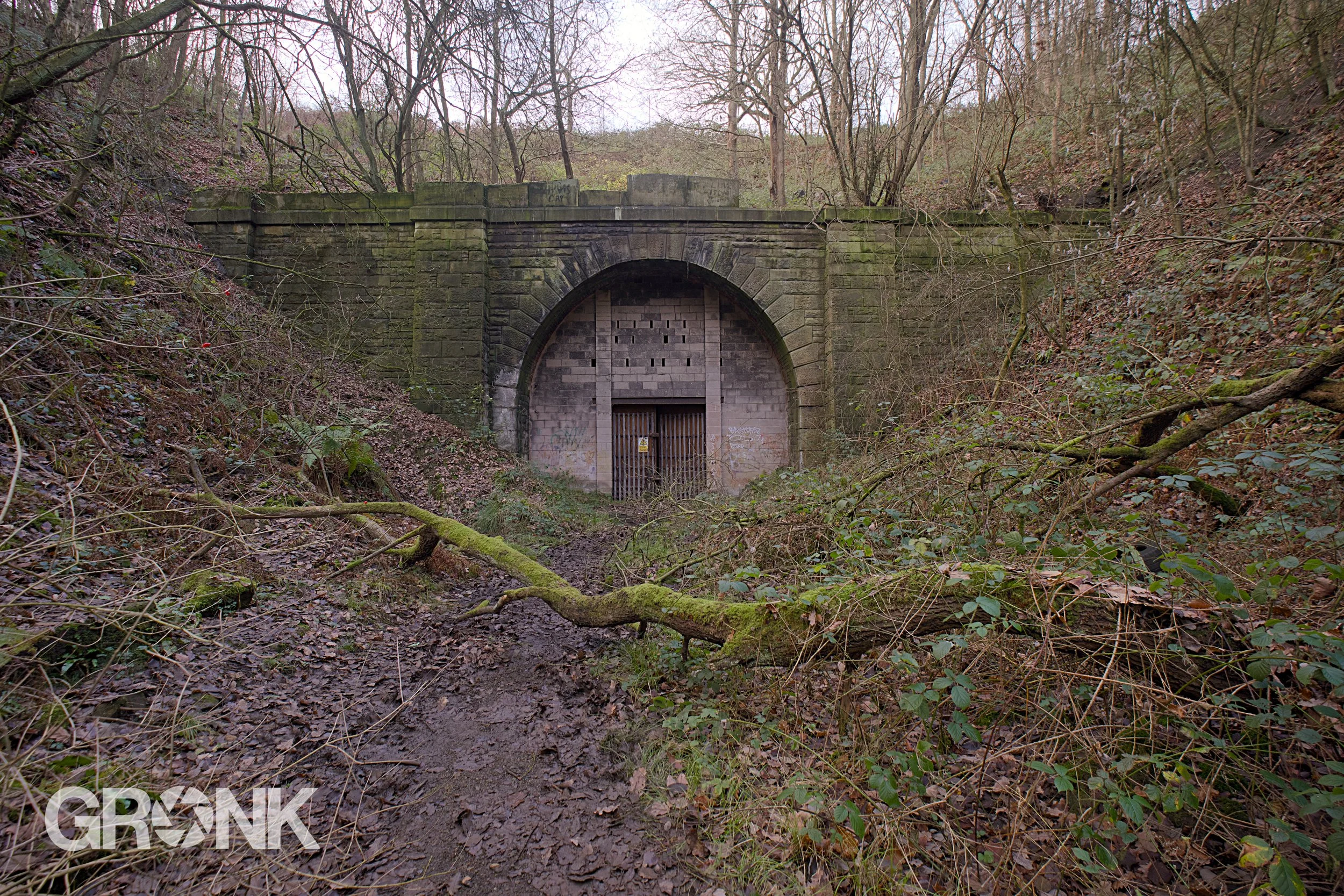
Soothill Tunnel is a disused railway tunnel located near Soothill, on the north-eastern edge of Batley in West Yorkshire. It was built in the late nineteenth century as part of the Great Northern Railway’s Batley to Beeston Junction branch line, which connected local industry to the wider railway network serving Leeds and the East Coast Main Line.
The Batley–Beeston branch was authorised by an Act of Parliament in 1881, during a period of rapid railway expansion driven by industrial growth. Construction took place during the 1880s, with some sections opening early to serve nearby collieries and quarries. Soothill Tunnel was the most significant engineering structure on the route and was completed shortly before the line opened fully in 1890.
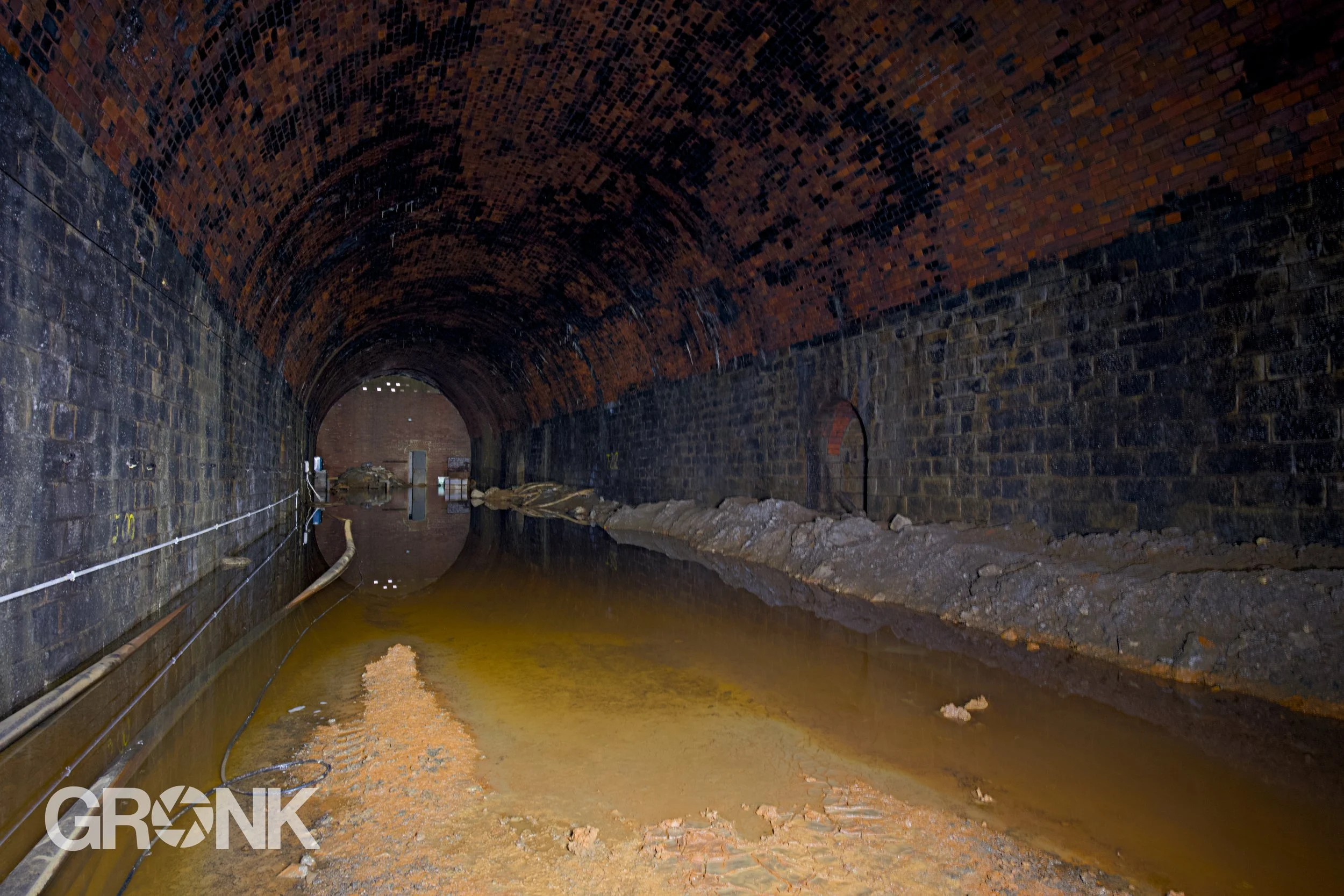
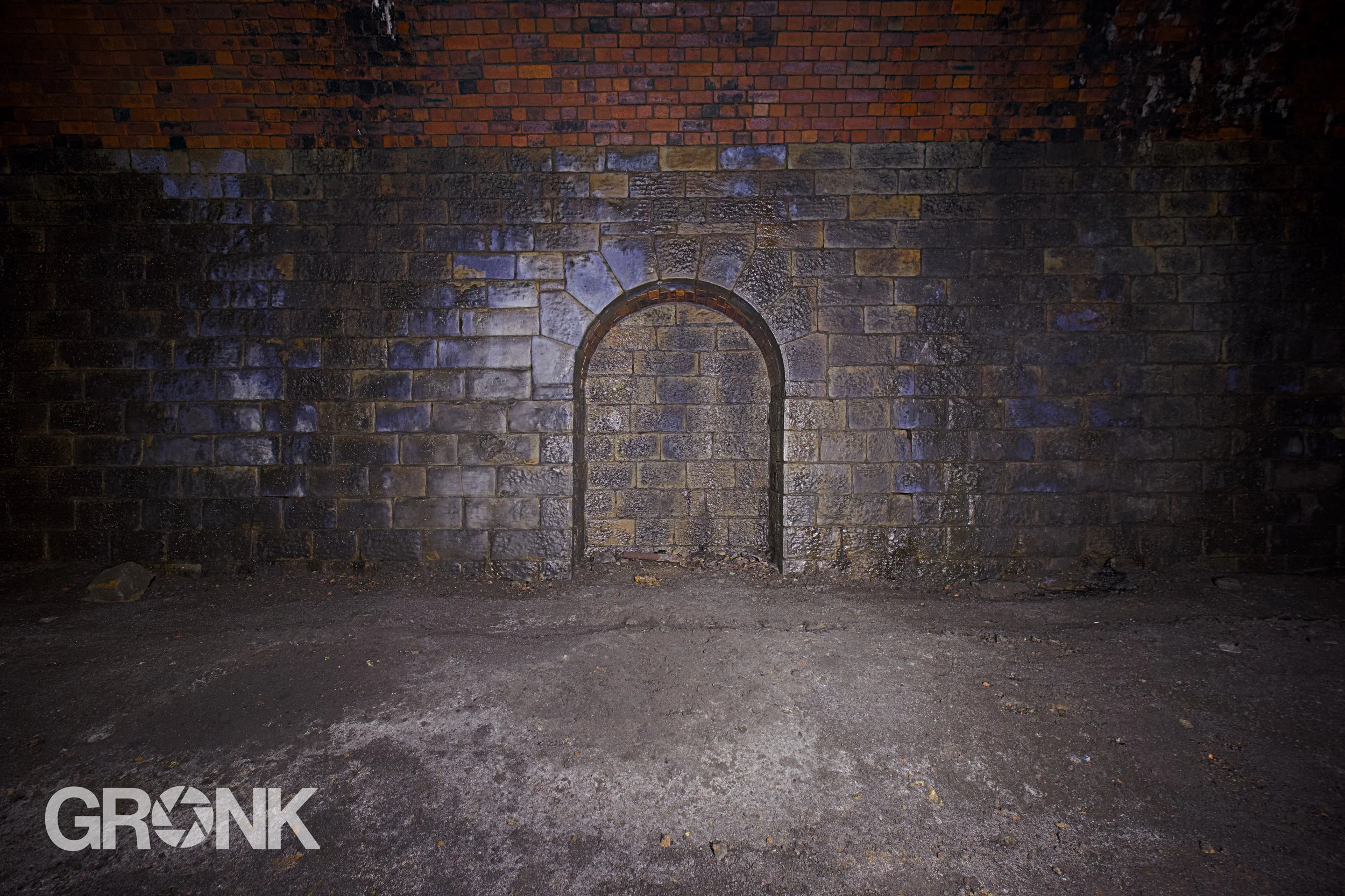
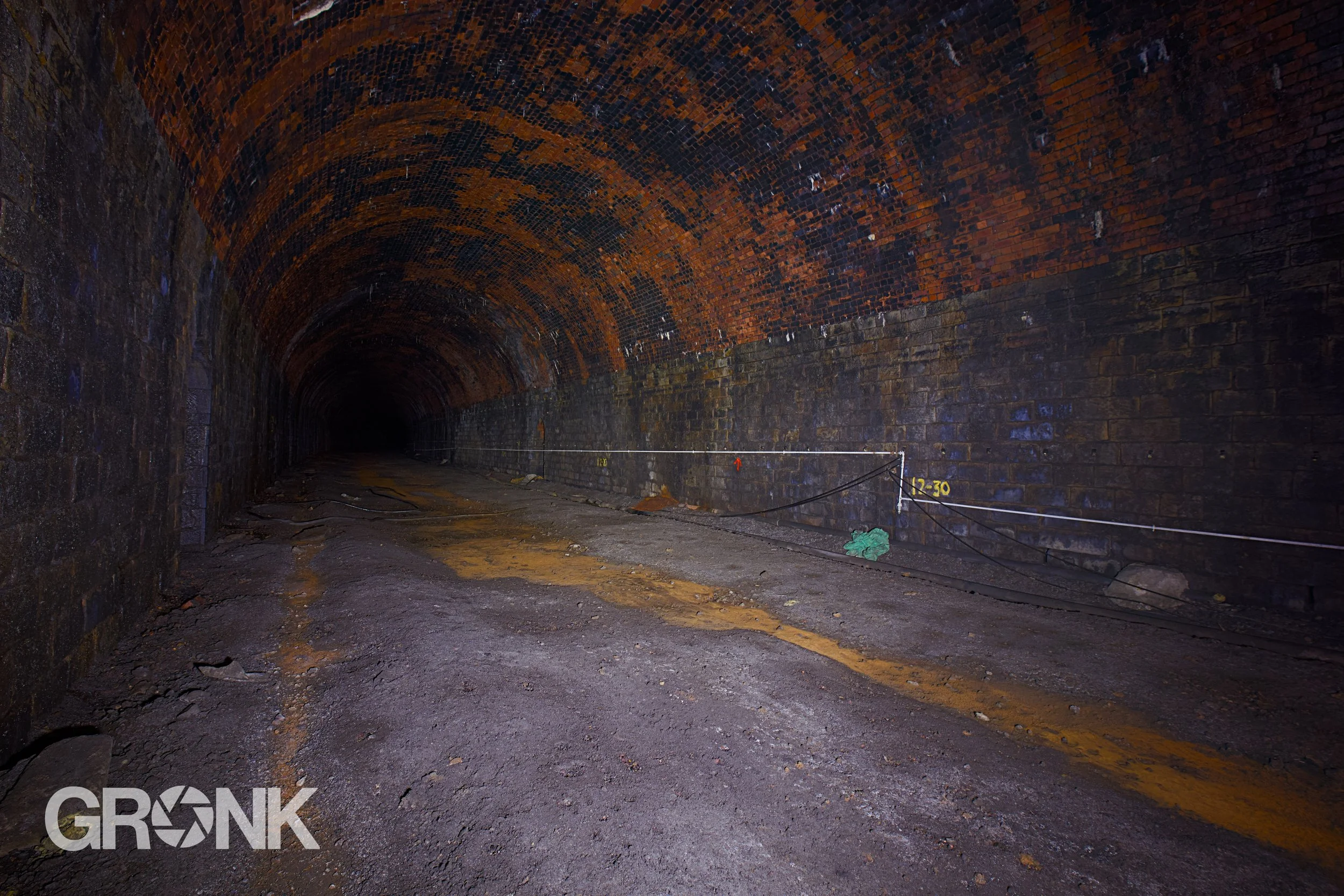
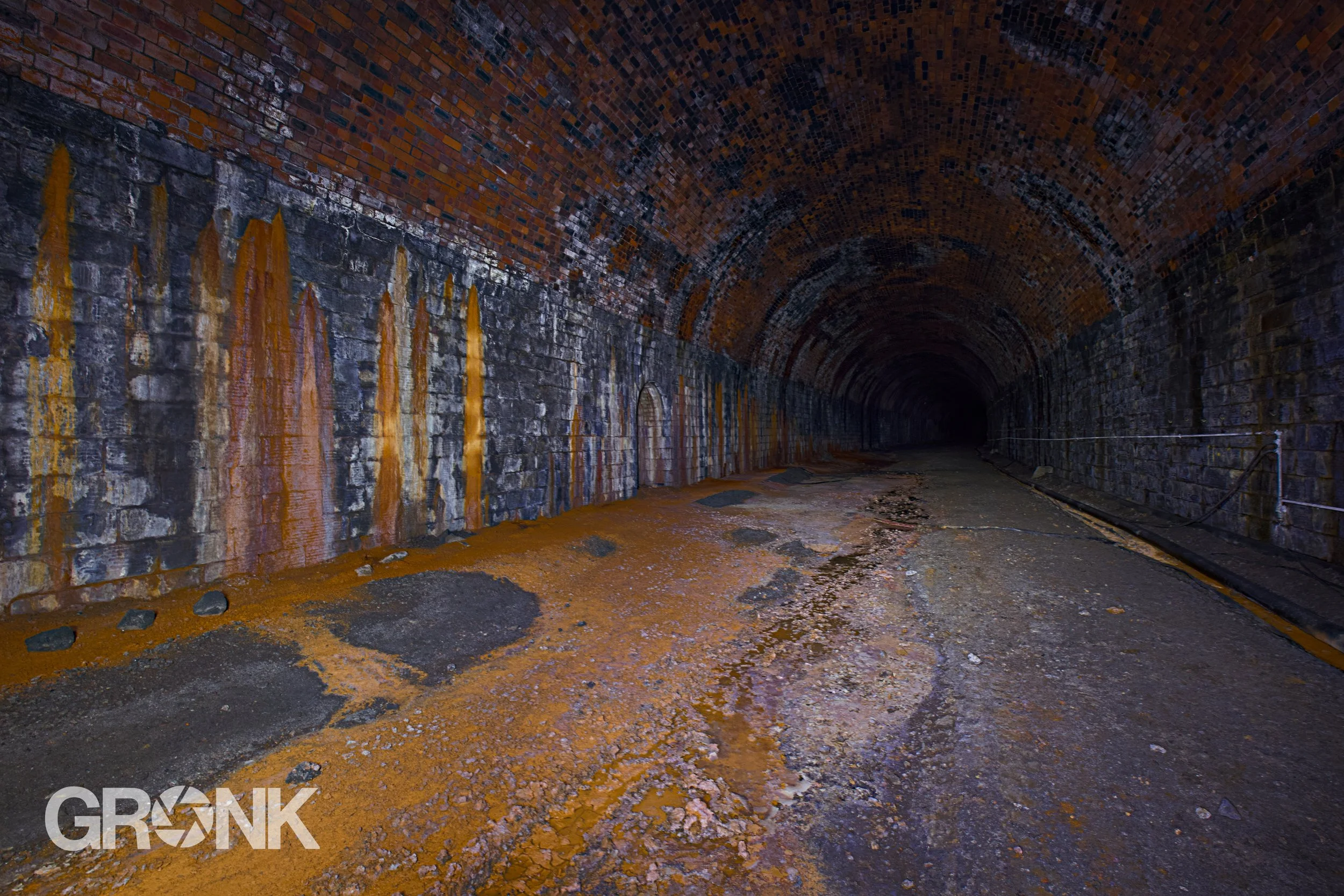
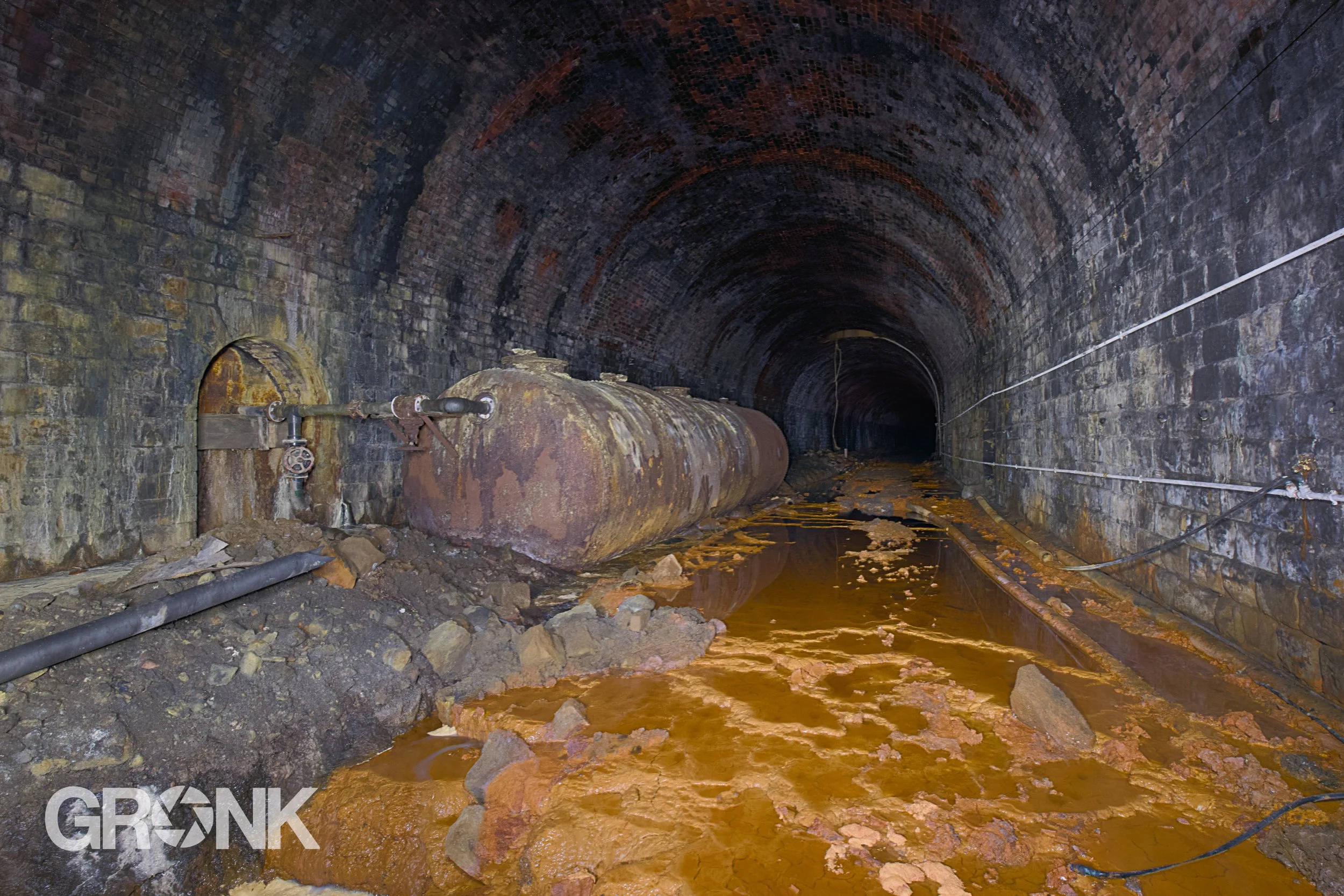
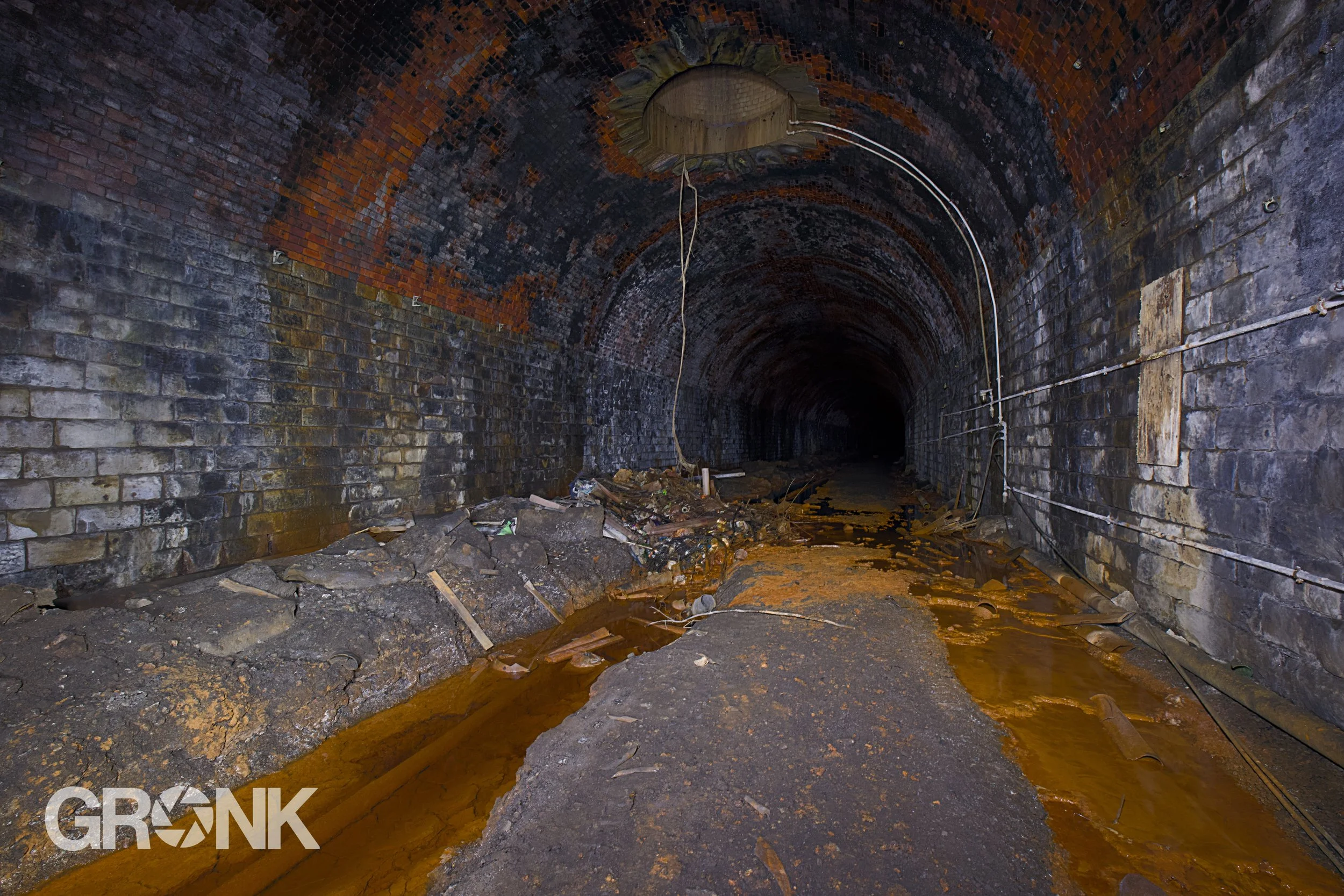
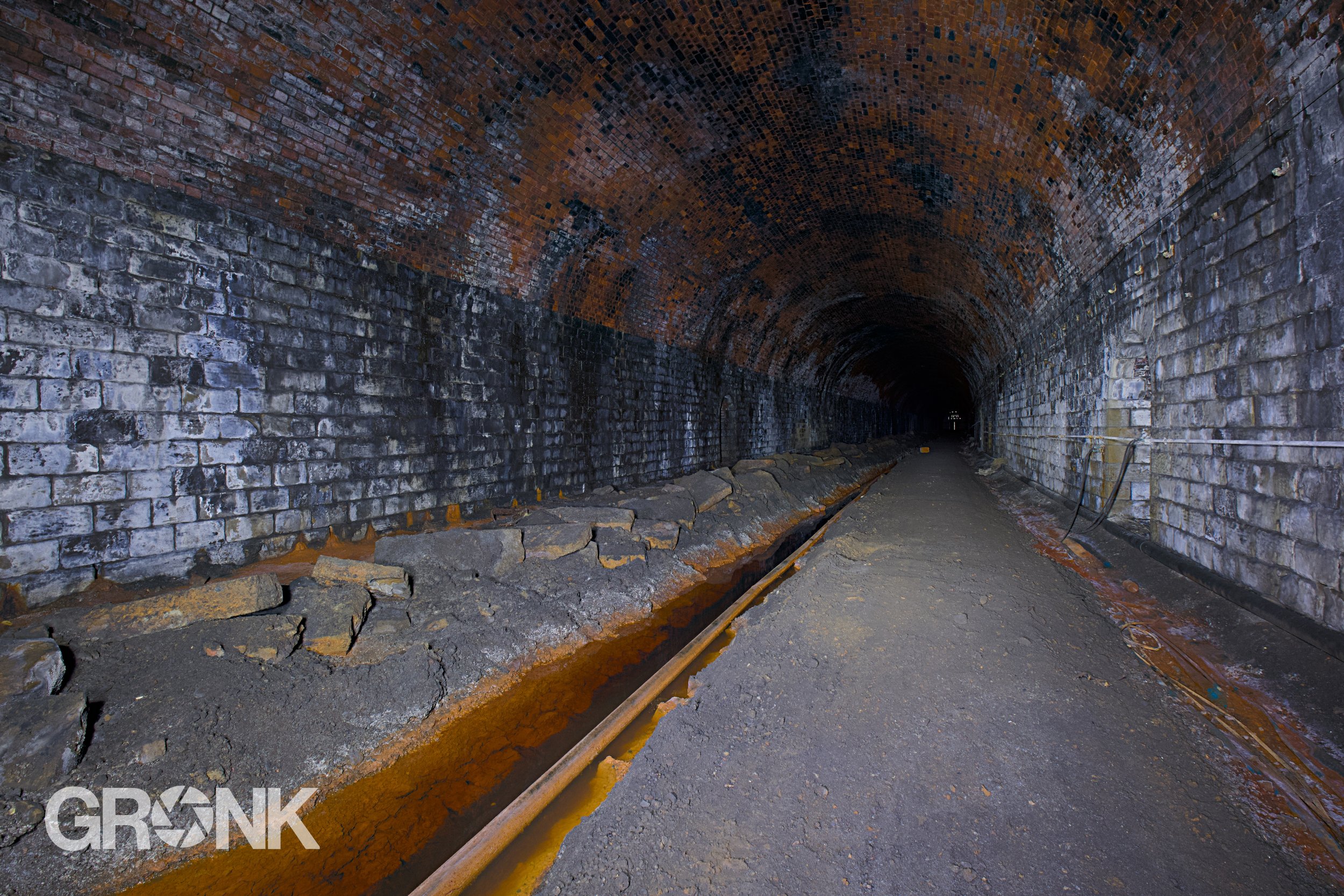
The tunnel is approximately 600 metres long and passes beneath rising ground and woodland close to Woodkirk. It was constructed with substantial stone portals and a brick-lined bore, typical of Great Northern Railway engineering. The western portion of the tunnel is gently curved, while the eastern section is straight. Throughout its length, the tunnel rises at a gradient of about 1 in 50, meaning trains climbed steadily as they travelled eastwards. A ventilation shaft was built part-way along the tunnel to disperse smoke and steam from locomotives, and refuges were provided in the tunnel walls to protect railway workers.
Goods trains began using Soothill Tunnel in July 1890, followed shortly afterwards by passenger services. Immediately north of the tunnel was Woodkirk station, which served the local community and excursion traffic, including visitors to nearby leisure attractions. Although the branch line was relatively short and never carried heavy main-line traffic, it played an important role in moving coal, stone and manufactured goods, as well as providing local passenger services during the late nineteenth and early twentieth centuries.
Following the Second World War, railway use declined as road transport became increasingly popular. Passenger numbers fell sharply, and smaller branch lines were among the first to be affected by cost-cutting measures. Passenger services through Soothill Tunnel were withdrawn in October 1951, and the line through the tunnel closed completely in July 1953. Some freight traffic continued on isolated sections of the route, particularly serving quarries, until 1964, after which the railway was abandoned entirely.
After closure, the tunnel was sealed for safety reasons. In later decades, landfill activity above the route caused ground movement that led to cracking in the tunnel lining. Water seepage and contamination from the surrounding land further degraded the interior, creating hazardous conditions. As a result, the tunnel has never been reopened or converted for public access, unlike some disused railway tunnels elsewhere in Britain.
Although the tunnel appears to be structurally sound, hazardous gases and a thick atmosphere are present, and entry is strongly advised against.