Unity Mill, Woodley
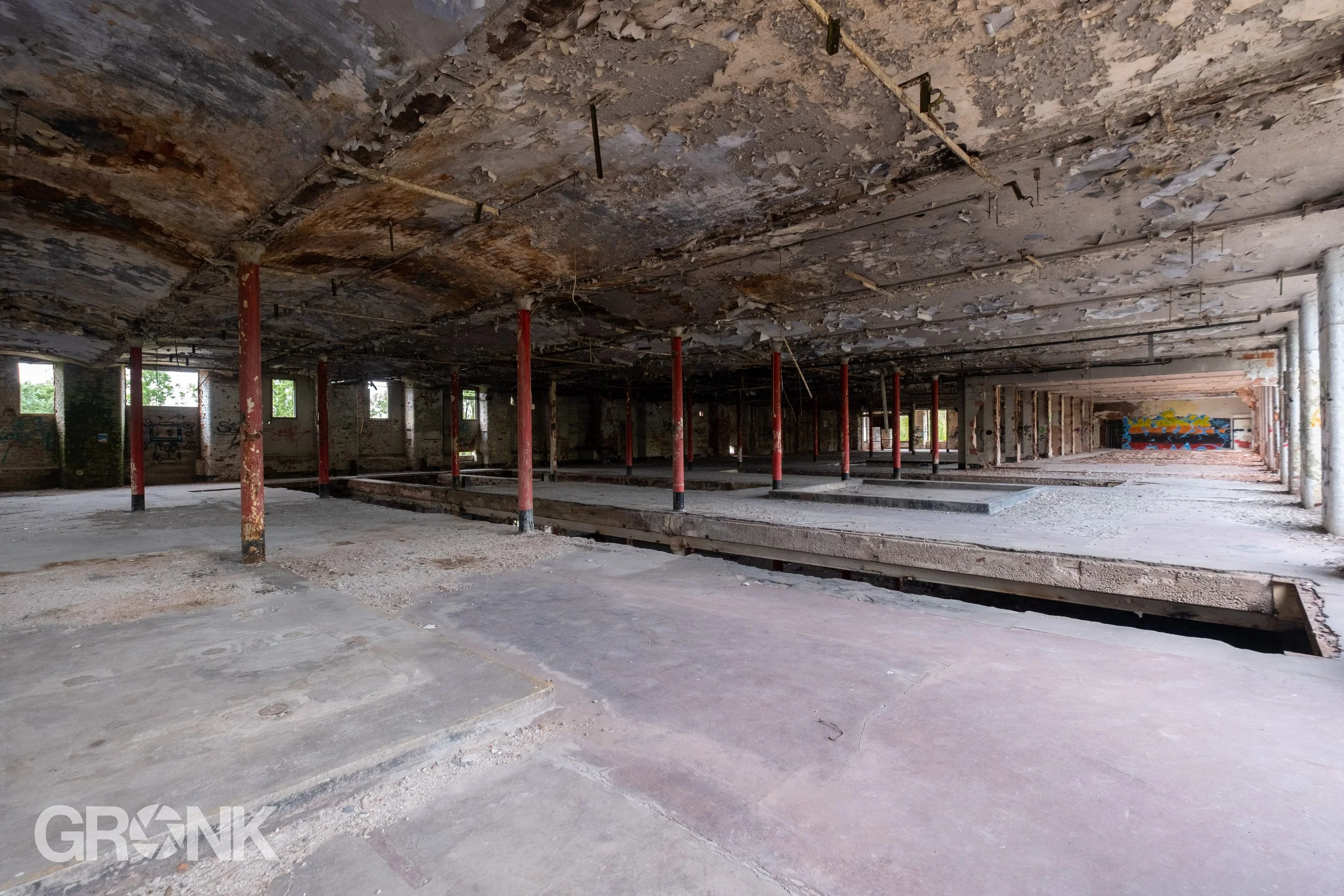
Unity Mill, originally known as Trianon Mill, is a historic industrial site located in Woodley, Stockport, Greater Manchester. Constructed in the 1860s, the four-storey brick mill was part of the region’s booming cotton spinningindustry. Positioned strategically between the Peak Forest Canal and the Manchester–Sheffield railway, the mill had access to both water and rail transport, and was served by a canal wharf likely dating back to the early 19th century, when the site was associated with the nearby Hall Lane Colliery.
By the late 19th century, the mill shifted from cotton production to manufacturing rubber flooring materials such as corticene, before eventually reverting to textile use in the early 20th century. As the textile industry declined mid-century, Unity Mill evolved again—this time into a base for producing animal feed, brewing ingredients, and other food-related products. These operations continued into the early 2000s, before ceasing around 2002–2003.
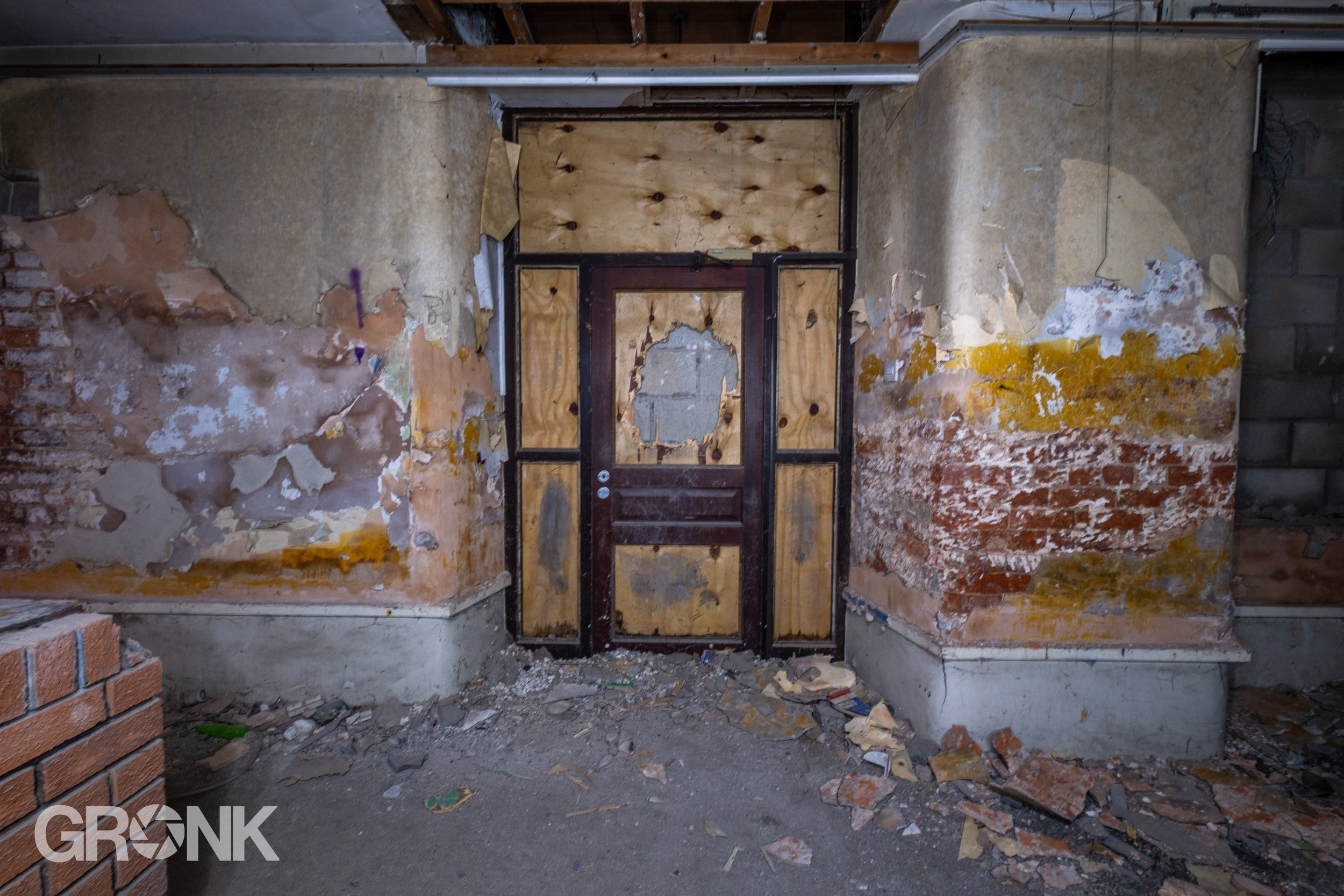
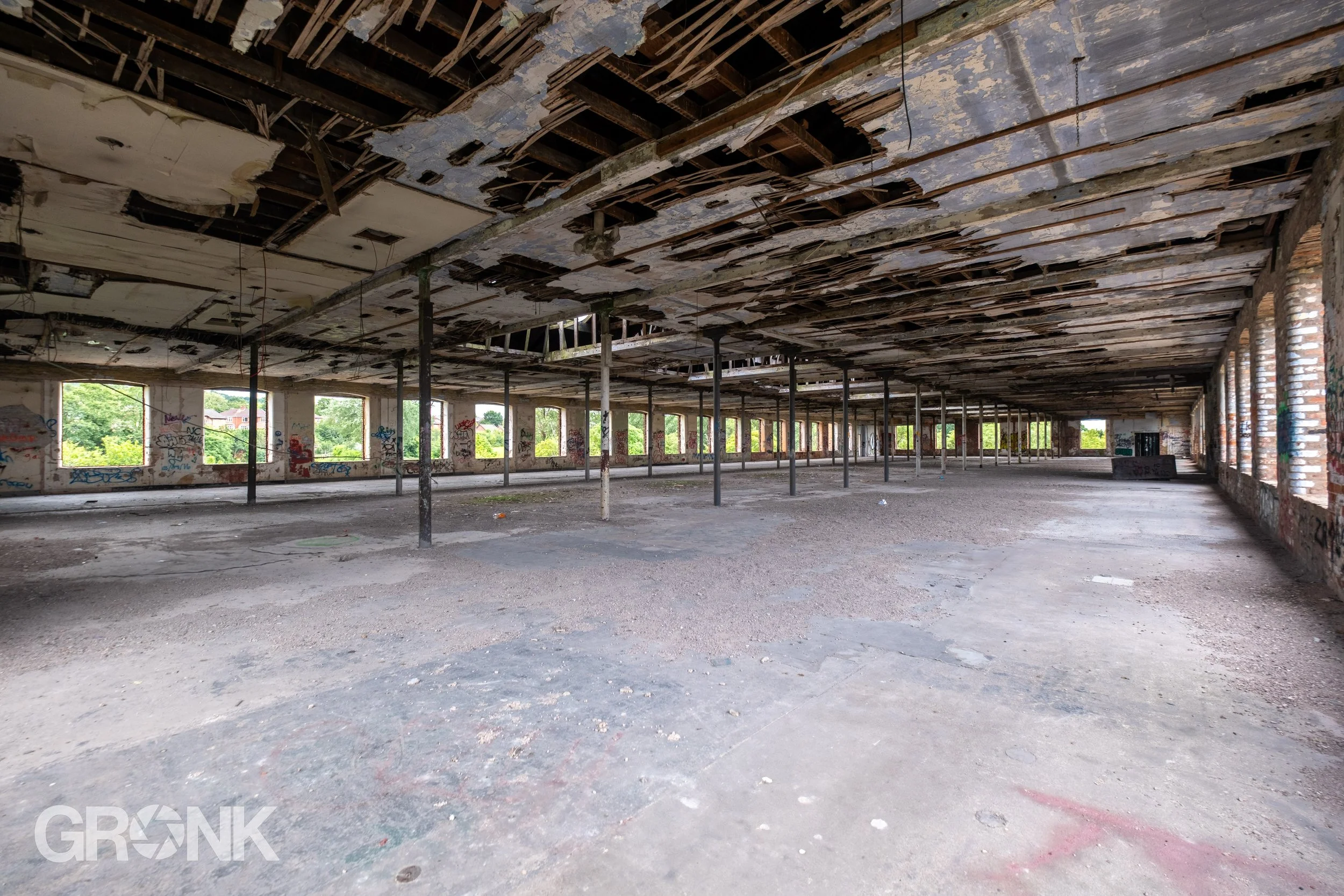
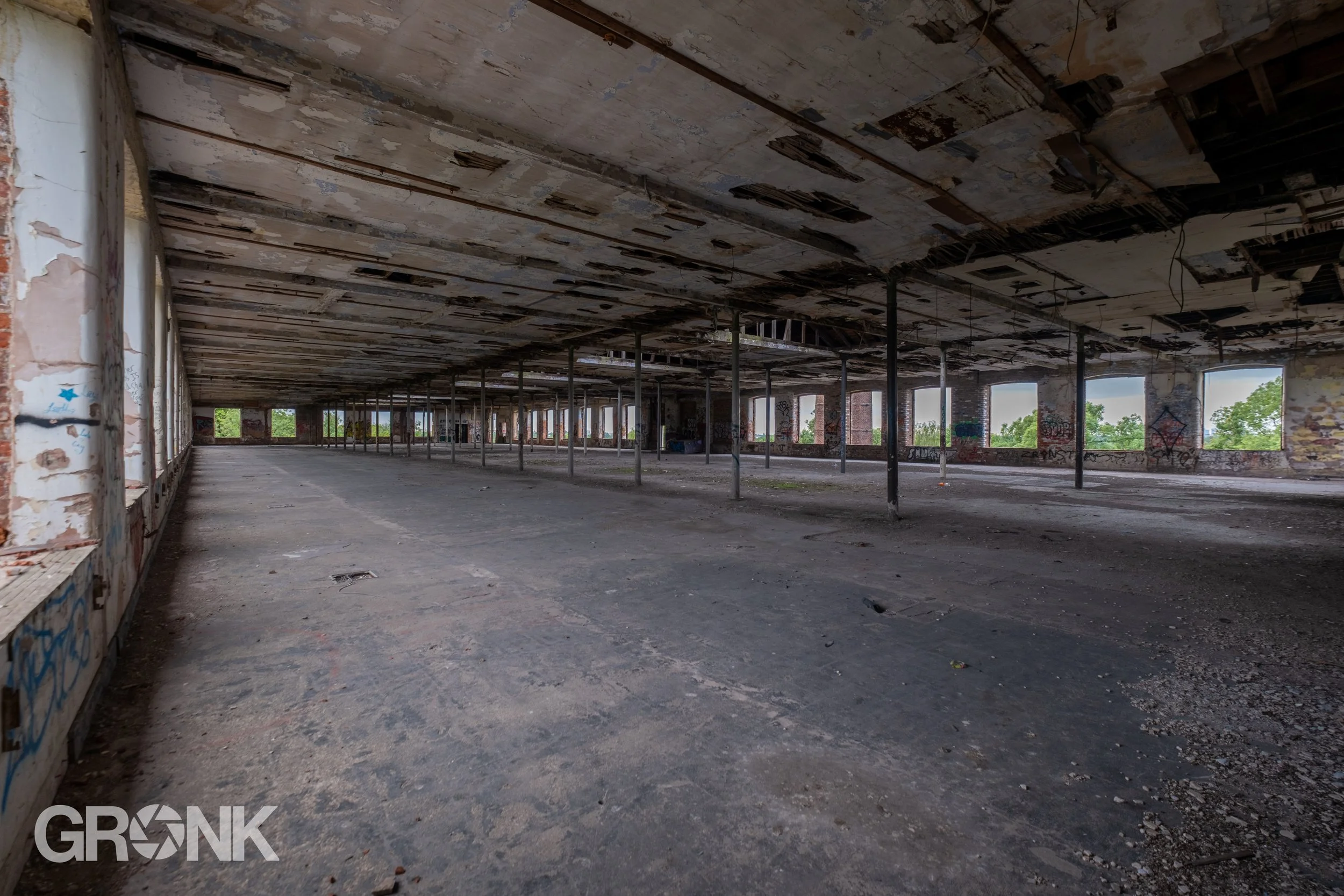
The site remained derelict for years, with structures including the engine house, boiler room, offices, and remnants of a bowling green gradually deteriorating. Despite this, the main mill shell and iconic chimney continued to stand as visible reminders of Woodley’s industrial past.
Unity Mill holds local historic significance and has been listed on the Greater Manchester Sites and Monuments Record, reflecting its industrial heritage. It also sits within the Peak Forest Canal Conservation Area, prompting interest from planners and preservationists alike. In 2010, Stockport Council produced a planning brief outlining redevelopment potential—aiming to integrate restored heritage features such as the canal basin and engine house into new residential or mixed-use projects.
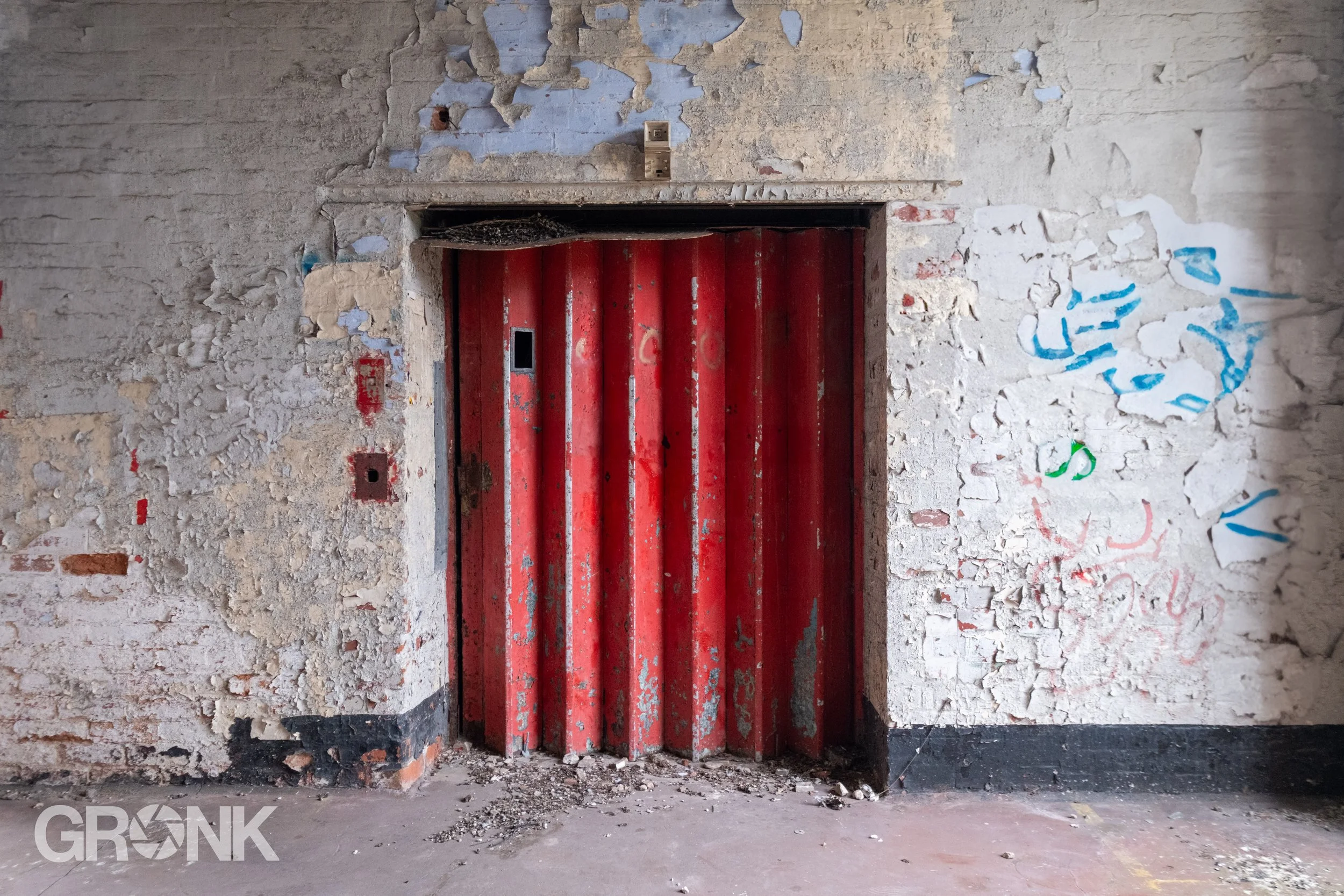
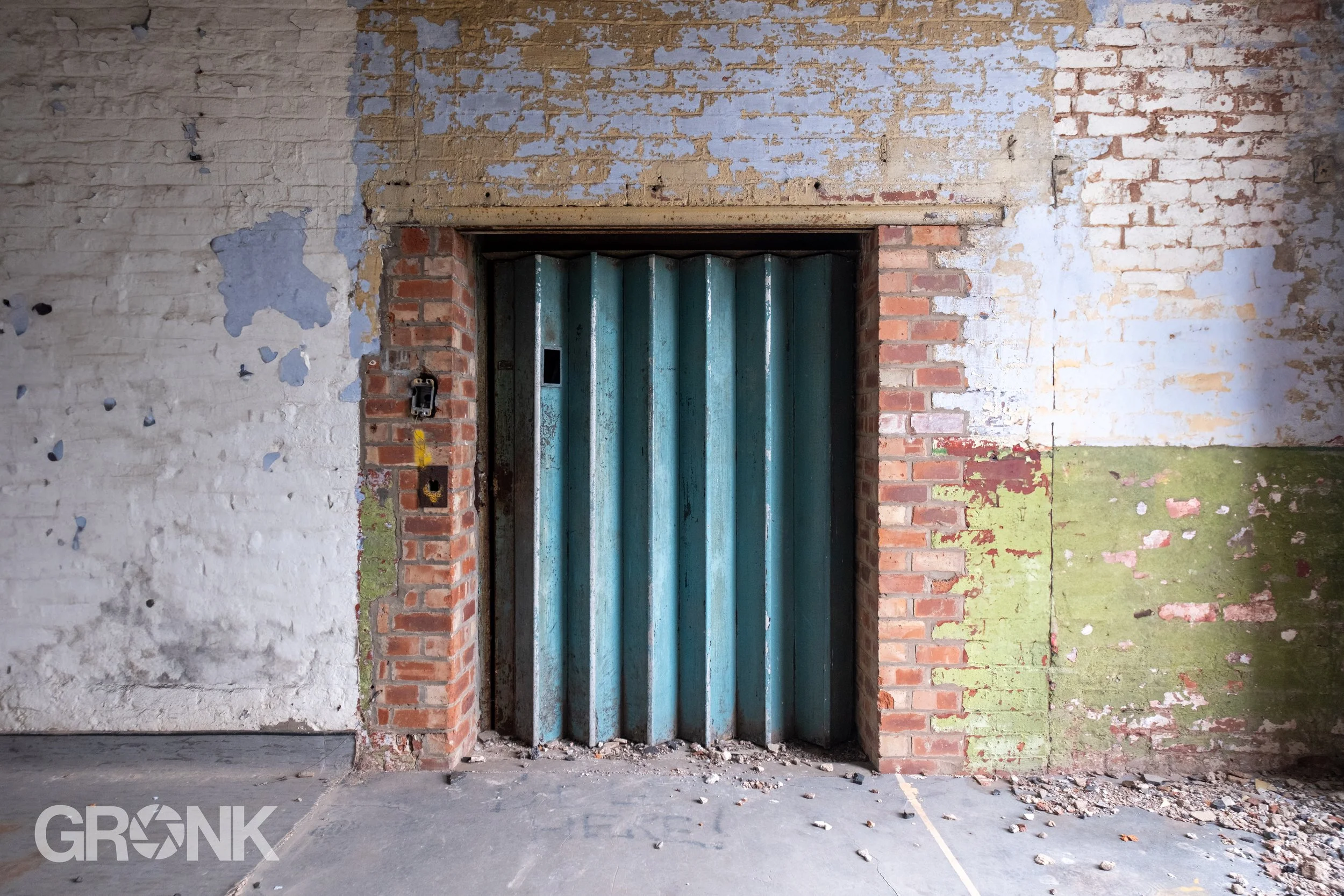
However, since its closure, the mill has suffered from neglect, vandalism, and arson. Notably, fires in 2015 and subsequent years caused further damage, raising safety concerns and leading to partial demolitions. By 2024, many outbuildings were gone, though the main mill structure remained—albeit in a deteriorated state.
Classified as brownfield land (site reference SKB0066), the area has been earmarked for future housing development, with projections suggesting it could accommodate around 80 dwellings. While regeneration plans have progressed slowly, the site remains a point of interest for developers and local heritage advocates, balancing the need for housing with the importance of preserving industrial history.