Abandoned Derbyshire
The County of Derbyshire
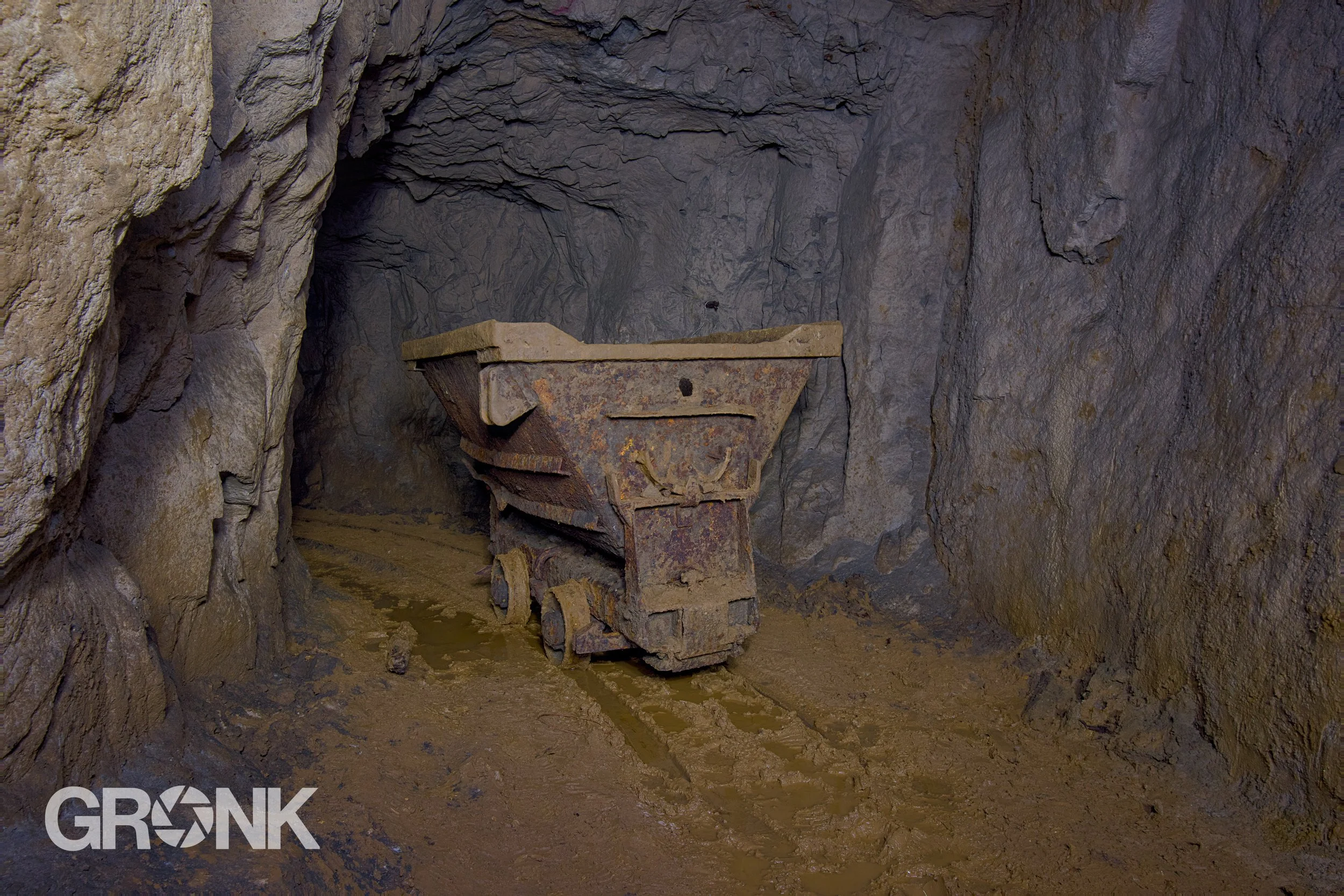
Derbyshire is a historic county in central England with a rich heritage stretching back thousands of years. Evidence of prehistoric settlements, including Bronze Age burial sites and stone circles, can be found across the county, particularly in the Peak District. During the Roman period, Derbyshire became an important centre for lead mining, a tradition that continued for centuries.
After the Romans left Britain, the area became part of the Anglo-Saxon Kingdom of Mercia. The county town, Derby, grew into an important settlement and later came under Viking influence. Following the Norman Conquest in 1066, Derbyshire was recorded in the Domesday Book, which documented its villages, landowners and resources.
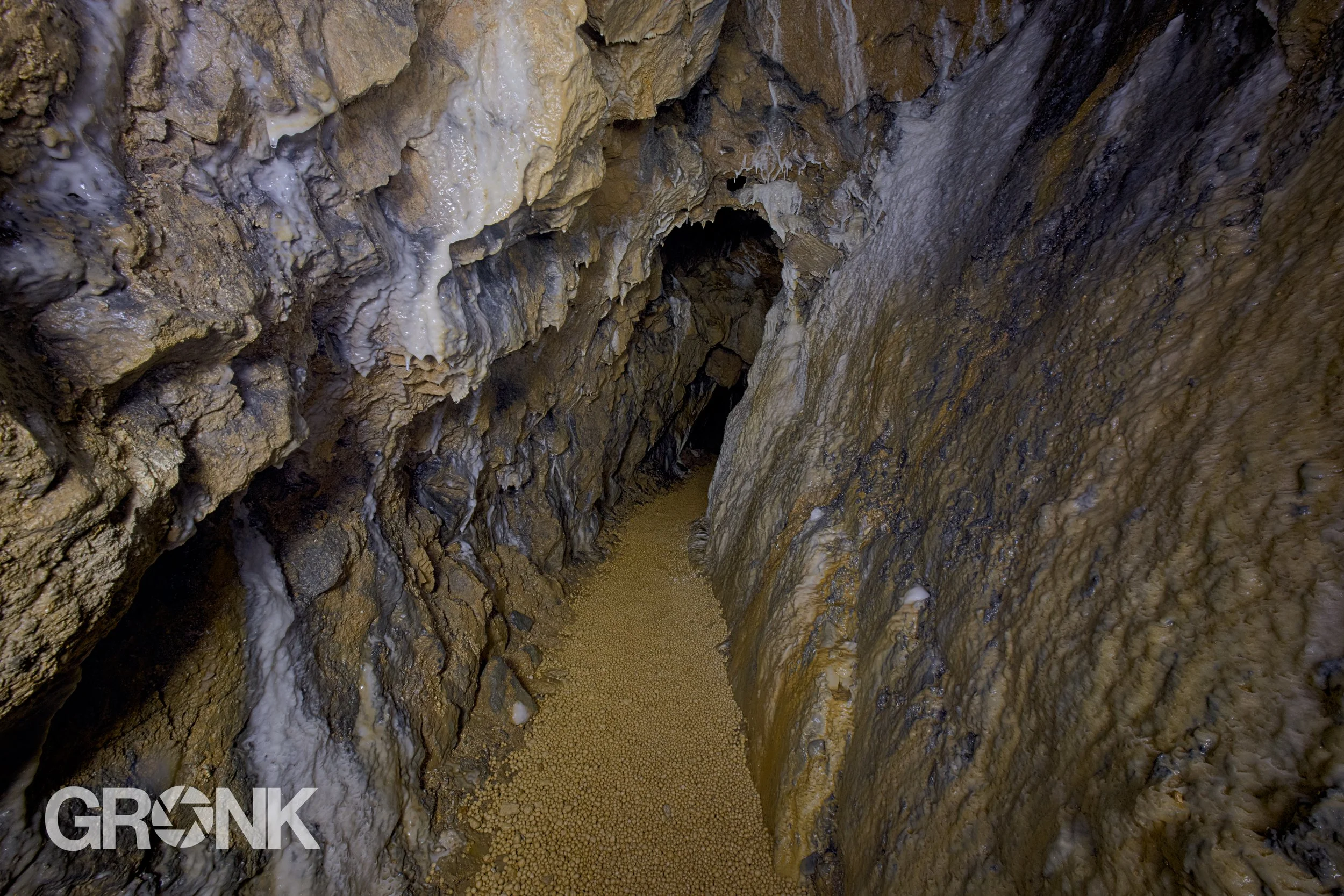
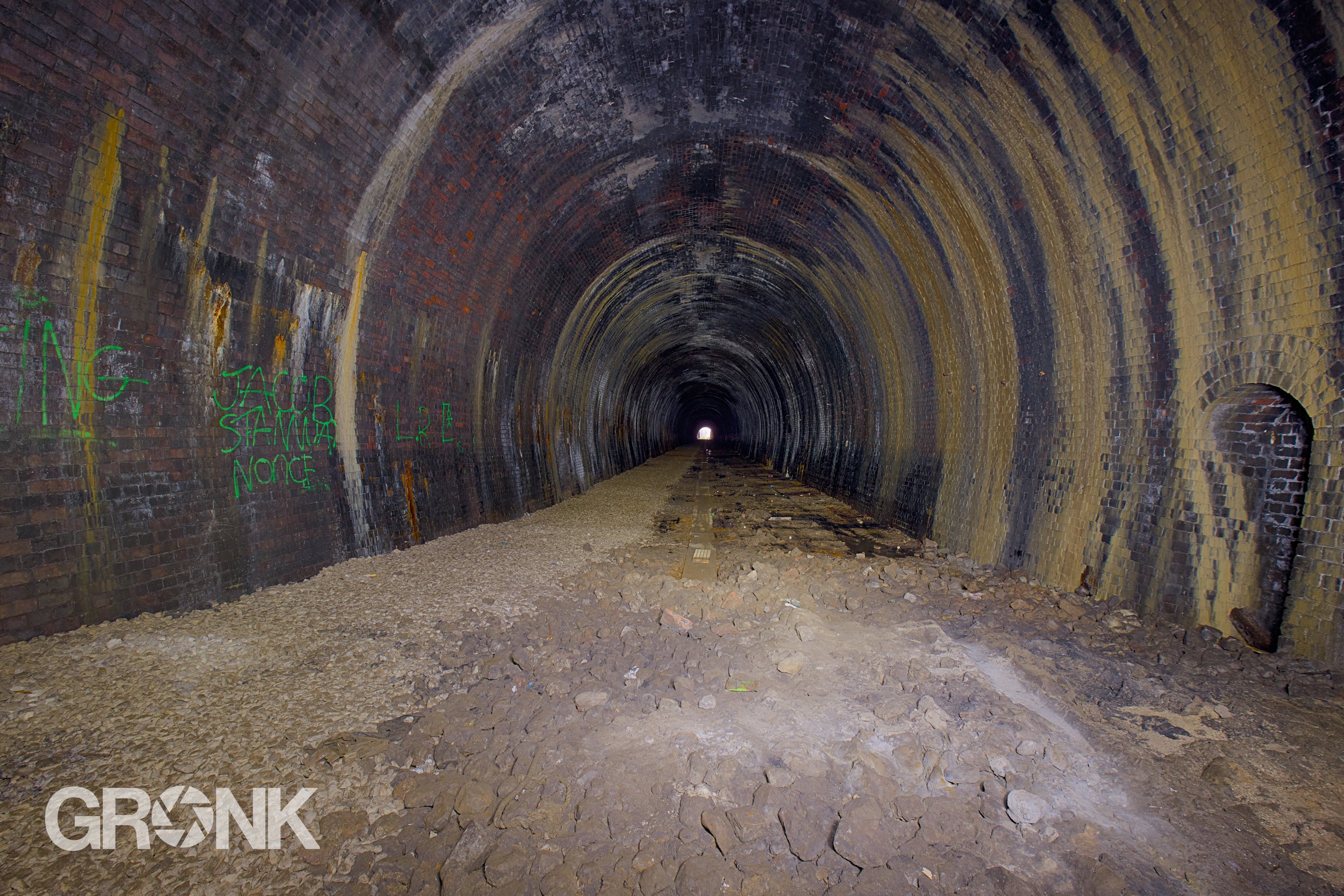
Throughout the Middle Ages, farming and mining were the foundations of the local economy. Derbyshire's abundant natural resources, including lead, coal and limestone, helped shape its development. During the Industrial Revolution, the county became a centre of innovation and manufacturing. Pioneers such as Richard Arkwright established textile mills that transformed British industry and brought prosperity to the region.
Today, Derbyshire is known for its blend of industrial heritage and natural beauty. Much of the county lies within the Peak District National Park, while attractions such as Chatsworth House continue to draw visitors from around the world.