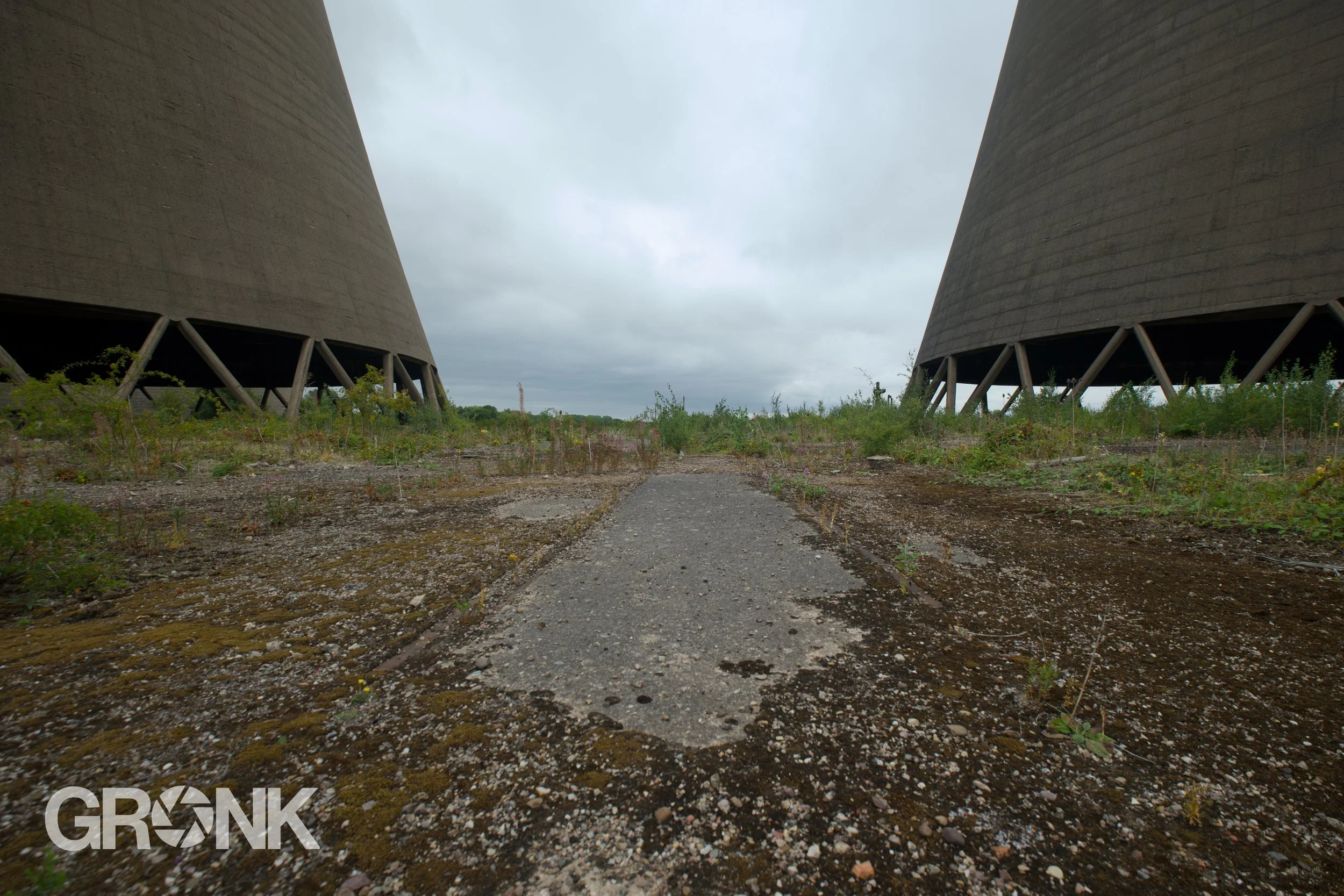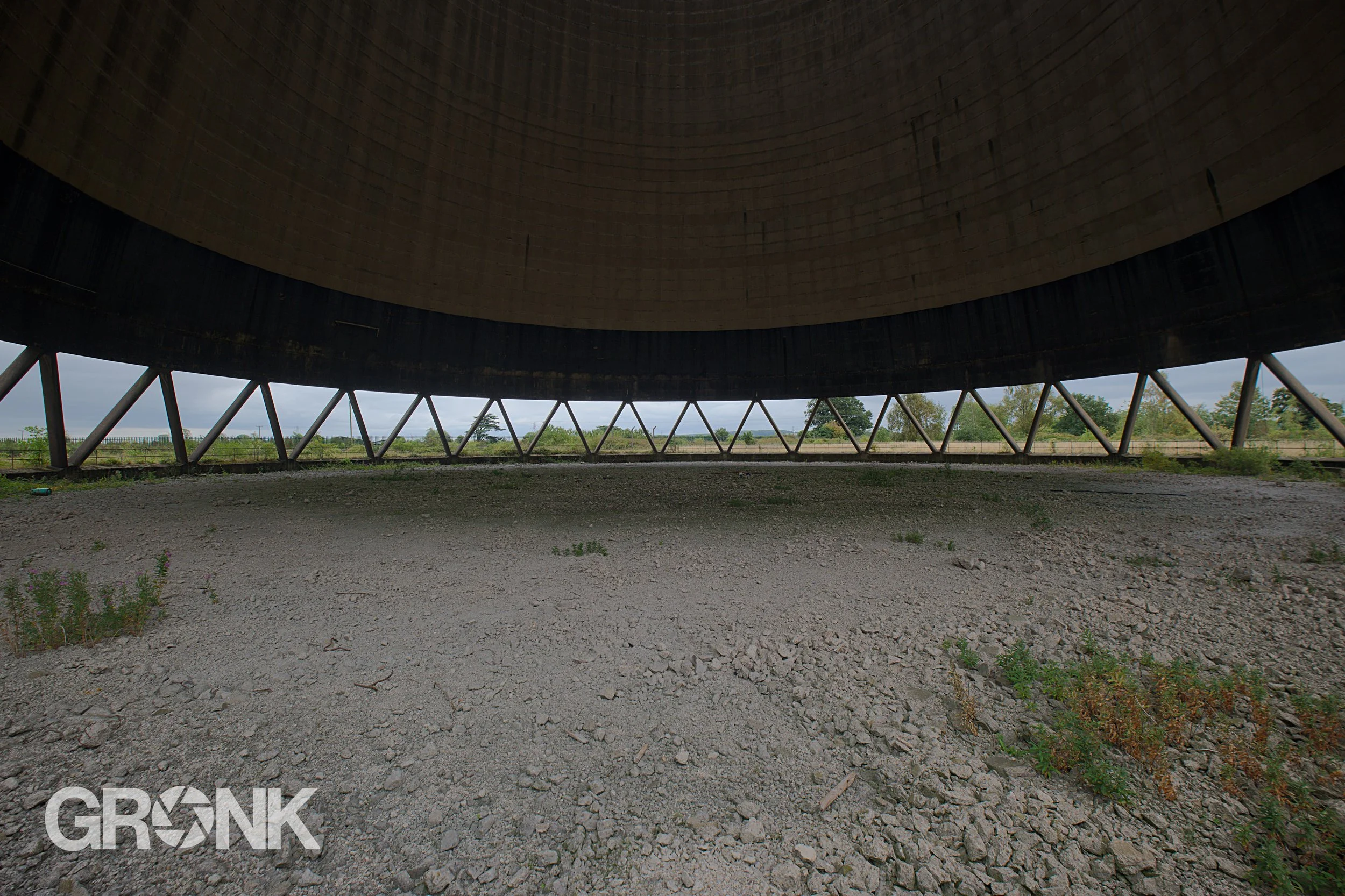
Willington Cooling Towers
The Willington Cooling Towers in Derbyshire are the last surviving structures of Willington Power Station, a major coal-fired facility built on the River Trent. Construction began in the 1950s with Station A (1954–57), which had four generating units of 104 megawatts each, burning around 1,000 tonnes of coal daily per boiler. It was officially opened in 1959. Station B followed between 1960 and 1962, with two larger 200 MW units consuming about 2,000 tonnes of coal per day each. At peak, the combined stations used roughly 8,000 tonnes of coal daily.
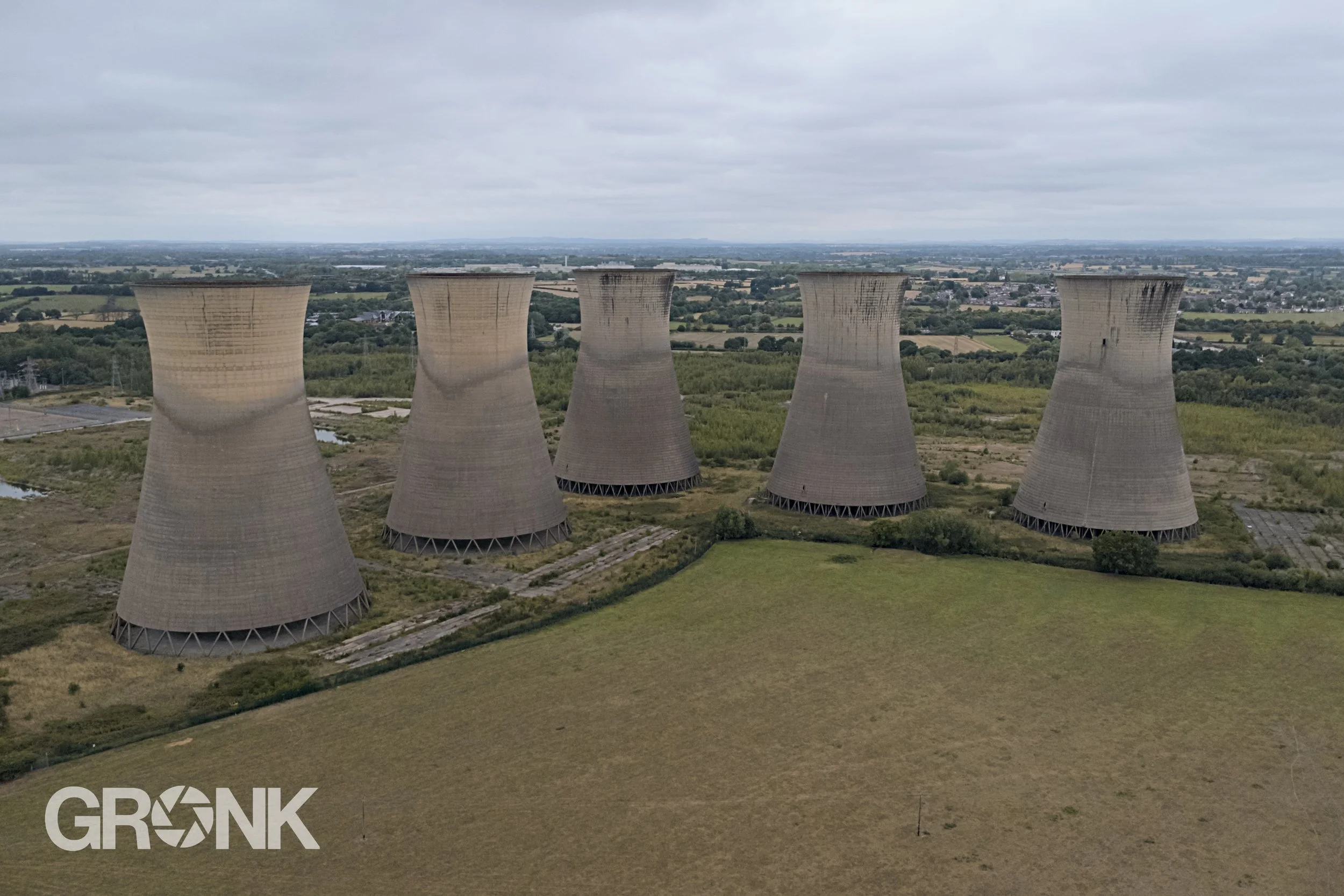
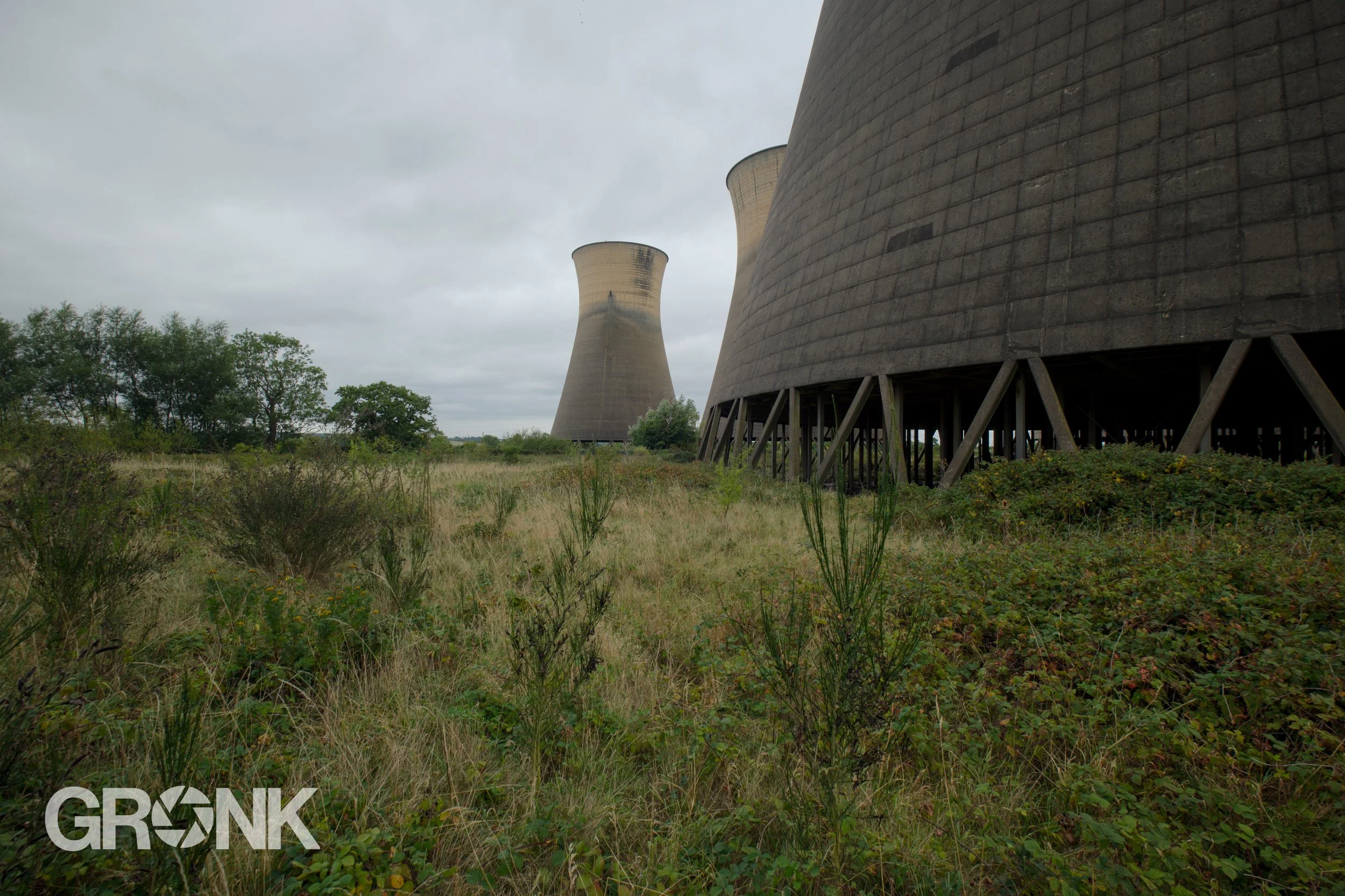
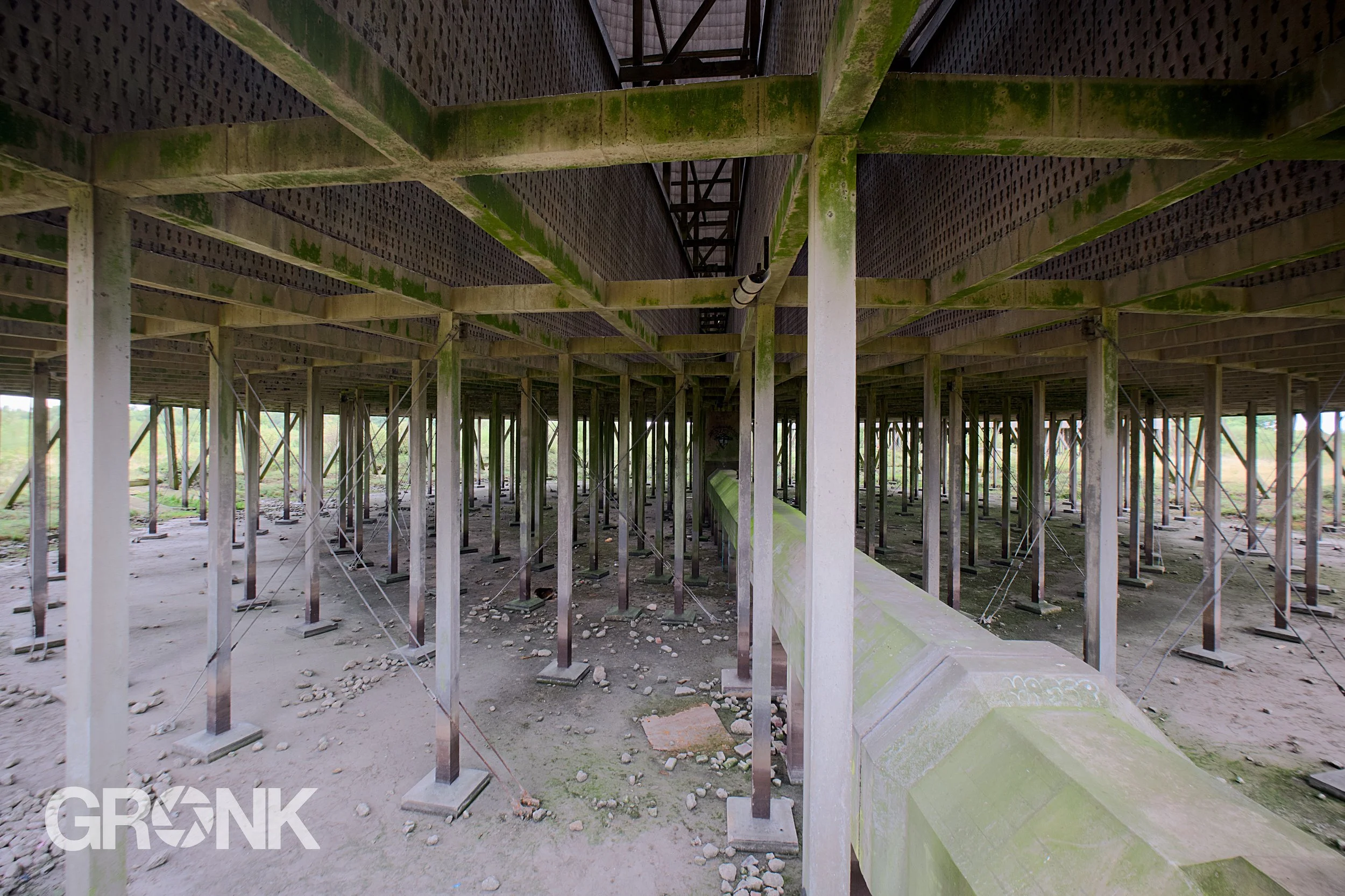
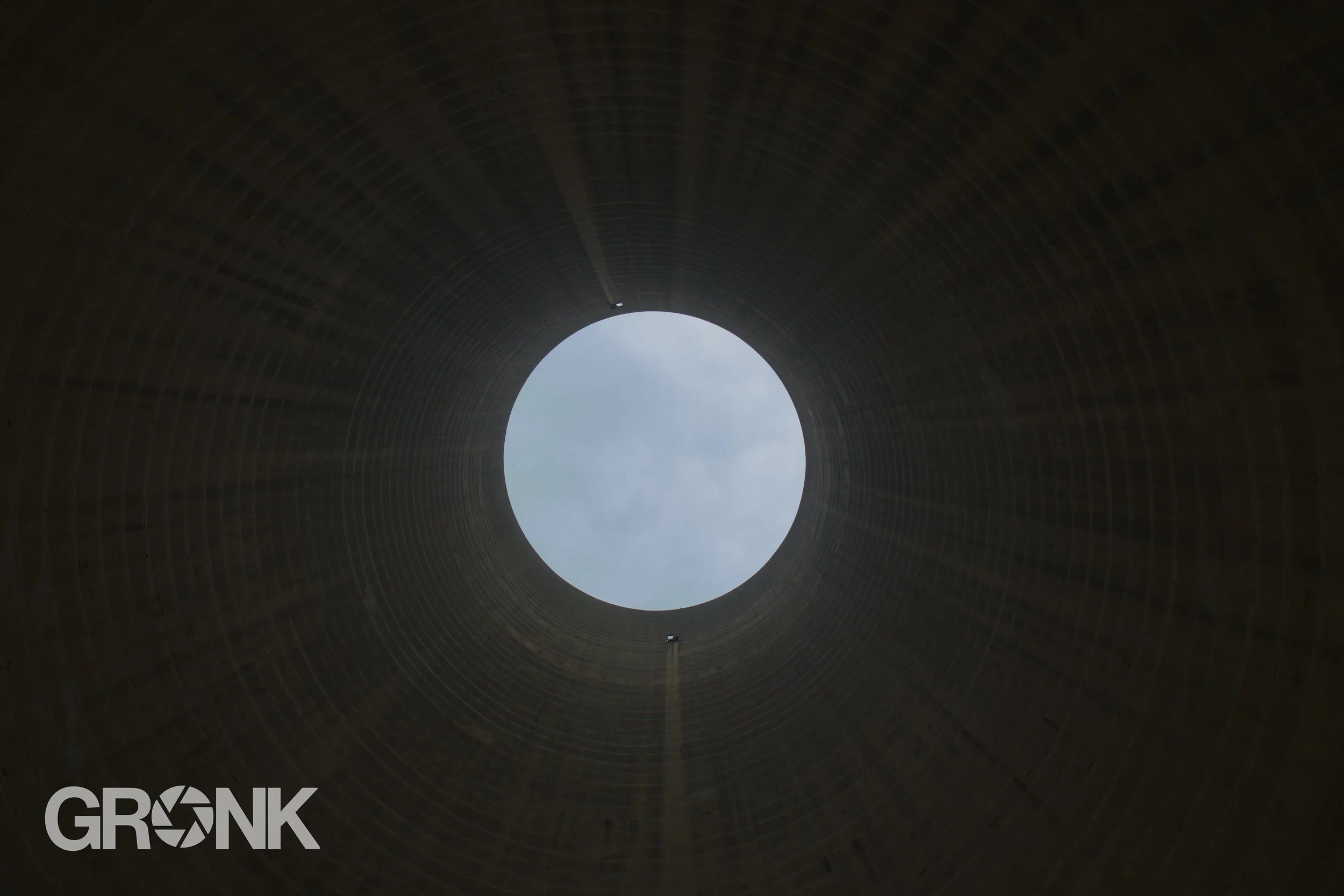
The site was dominated by five hyperbolic cooling towers, two built with Station A and three with Station B. Constructed from reinforced concrete, each tower stands around 91 metres tall, with a base diameter of 66 metres and a neck narrowed to 37 metres. Their total cooling surface was over 79,000 square metres, capable of handling nearly 31 million litres of water per hour. Designed on European models from the 1930s, the towers relied on natural draught: hot water was sprayed at the top, cooled as it cascaded down, while rising air carried heat out through the open top.
Station A closed in 1995, followed by Station B in 1999. The chimneys, boiler houses, and turbine halls were demolished between 2000 and 2003, yet the cooling towers were left standing. Rising prominently above the flat Trent Valley, they became enduring landmarks, visible for many kilometres around, and were described by historian Sir Neil Cossons as “temples to the carbon age.”
Attempts to preserve them as heritage structures were blocked. English Heritage issued Certificates of Immunity from Listing, most recently renewed until 2025, preventing them from being granted protected status. Redevelopment plans have circulated for years: housing proposals were rejected, while a new gas-fired power station received planning permission in 2011, though no progress has been made.