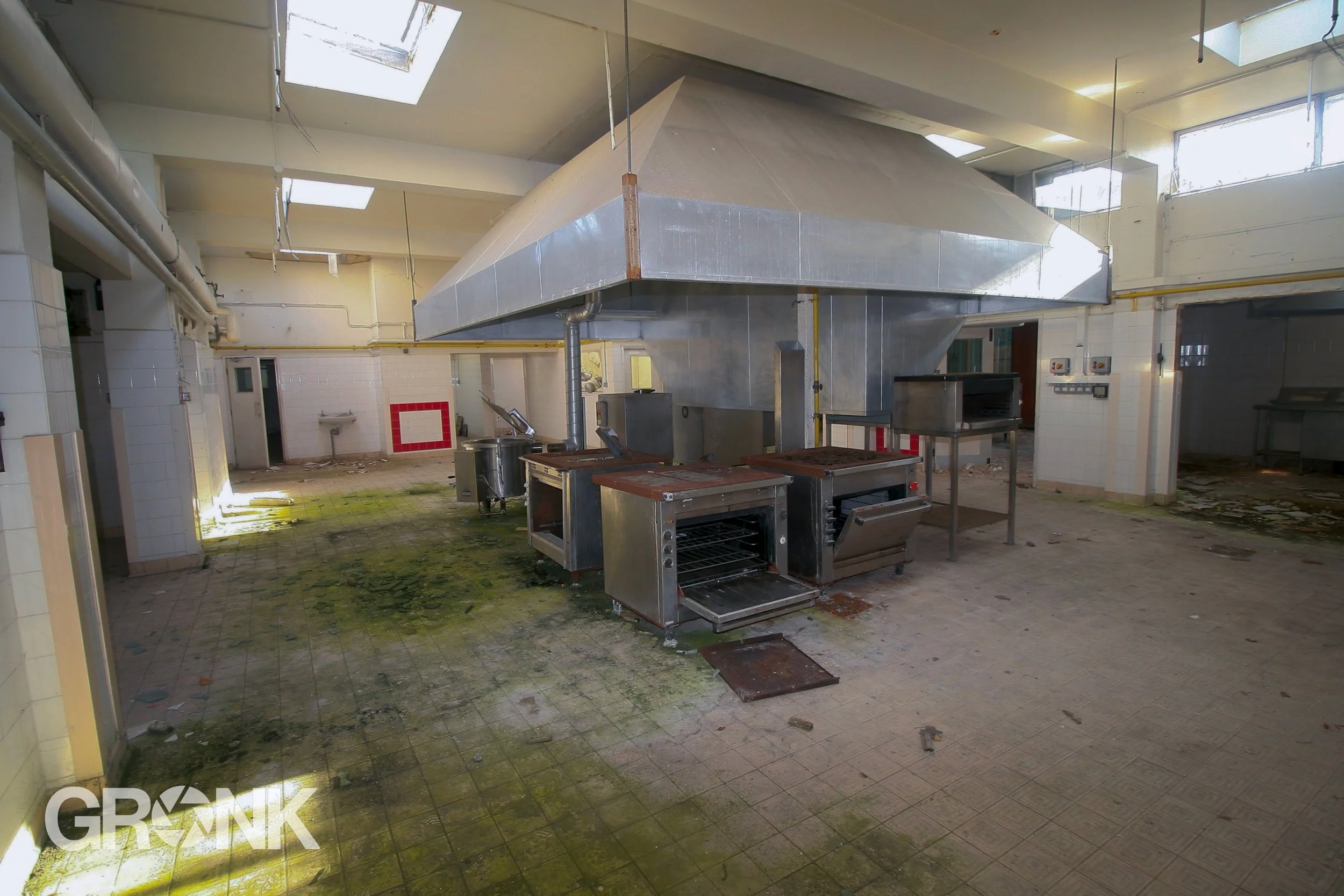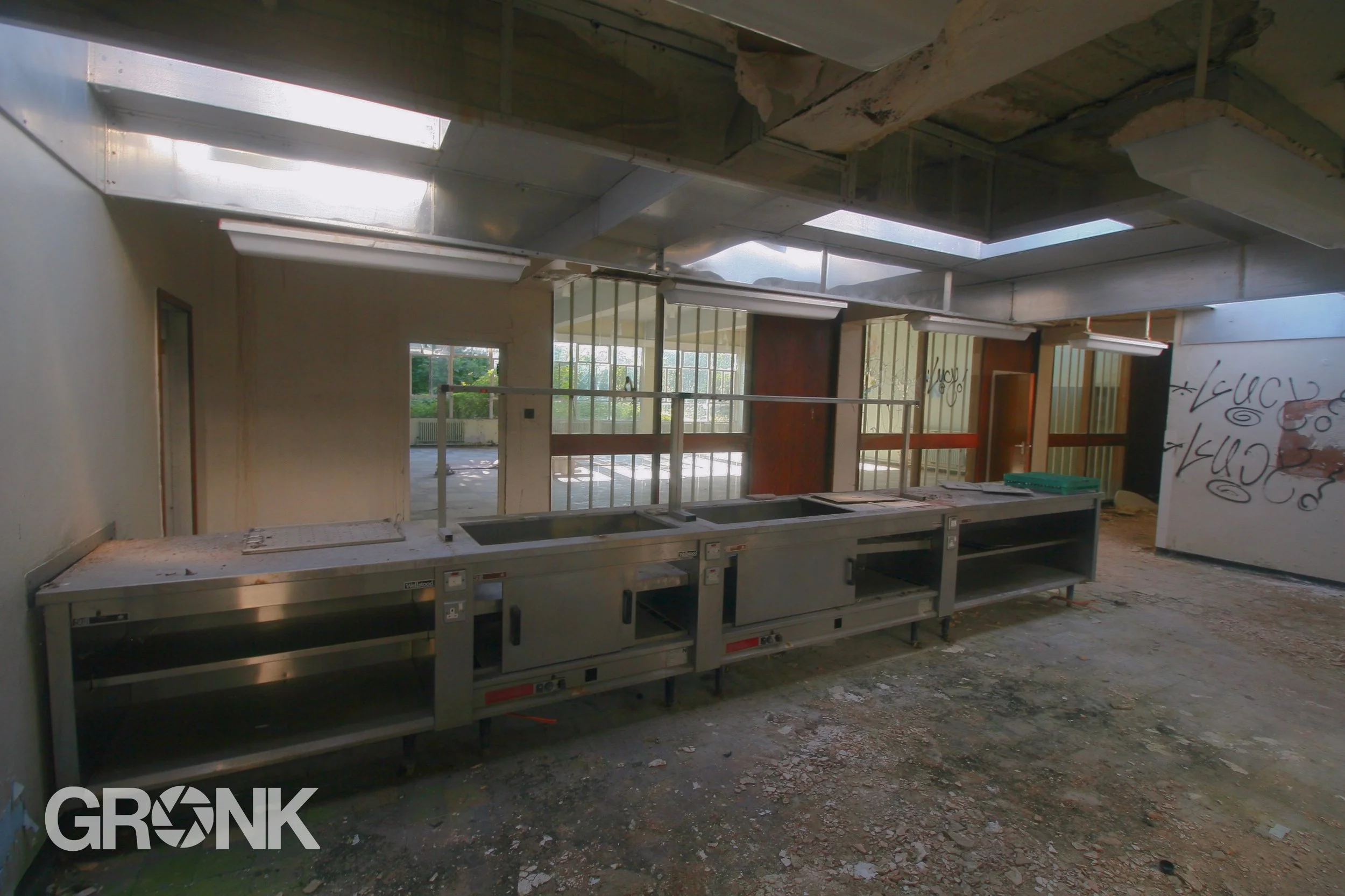
RAF Church Fenton, Tadcaster
RAF Church Fenton, near Selby in North Yorkshire, was established during the rapid expansion of the Royal Air Force in the 1930s. Construction began in 1936, and the station officially opened on 1 April 1937 as a fighter station. Its location made it strategically important for defending the industrial areas of Yorkshire and northern England.
When the Second World War began in 1939, Church Fenton became an important RAF Fighter Command station. Aircraft operating from the airfield included Hawker Hurricanes, Supermarine Spitfires, Gloster Gladiators and Bristol Blenheims. During the Battle of Britain, the station was used to support and recover fighter squadrons that had been heavily involved in fighting further south. It also became an important centre for night-fighter training.
Church Fenton had strong international connections during the war. It was home to the RAF's first American “Eagle” Squadron, as well as Polish and Canadian squadrons. Later in the war, aircraft such as Hawker Typhoons, Mustangs and Mosquitos operated from the station.
After the war, Church Fenton entered the jet age. In 1946, Gloster Meteors arrived, making the station one of the RAF's early jet-fighter bases. During the 1950s, Meteors, Hawker Hunters and Gloster Javelins were among the aircraft based there. However, in 1959 its role changed from front-line fighter operations to flying training.
For the following decades, Church Fenton became an important RAF training station. Aircraft including Jet Provosts, Chipmunks, Bulldogs and Tucanos were used to train generations of RAF pilots and aircrew. The Yorkshire Universities Air Squadron also became closely associated with the airfield.
Following defence cuts after the end of the Cold War, the independent RAF station closed in 1992. However, flying continued in a reduced RAF capacity for another 21 years. In December 2013, the final RAF aircraft departed, ending approximately 76 years of RAF flying at Church Fenton.
The former airfield subsequently became Leeds East Airport. Despite the changes, several historic features of the RAF station survive, including wartime fighter pens, defensive positions and the battle headquarters.
Today, Church Fenton remains an important part of Yorkshire's aviation history, reflecting the RAF's development from the pre-war era, through the Second World War and the jet age, to modern pilot training.
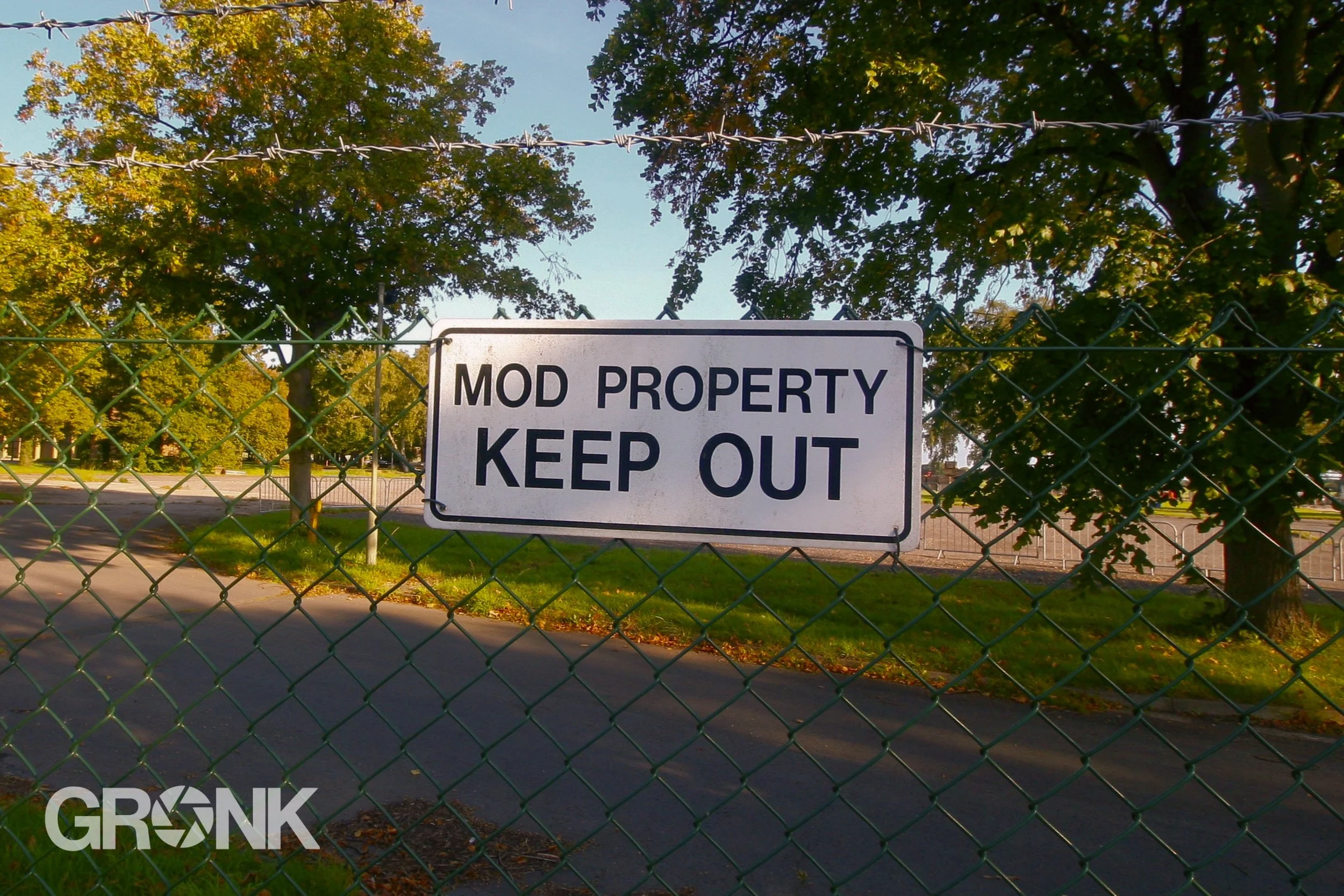
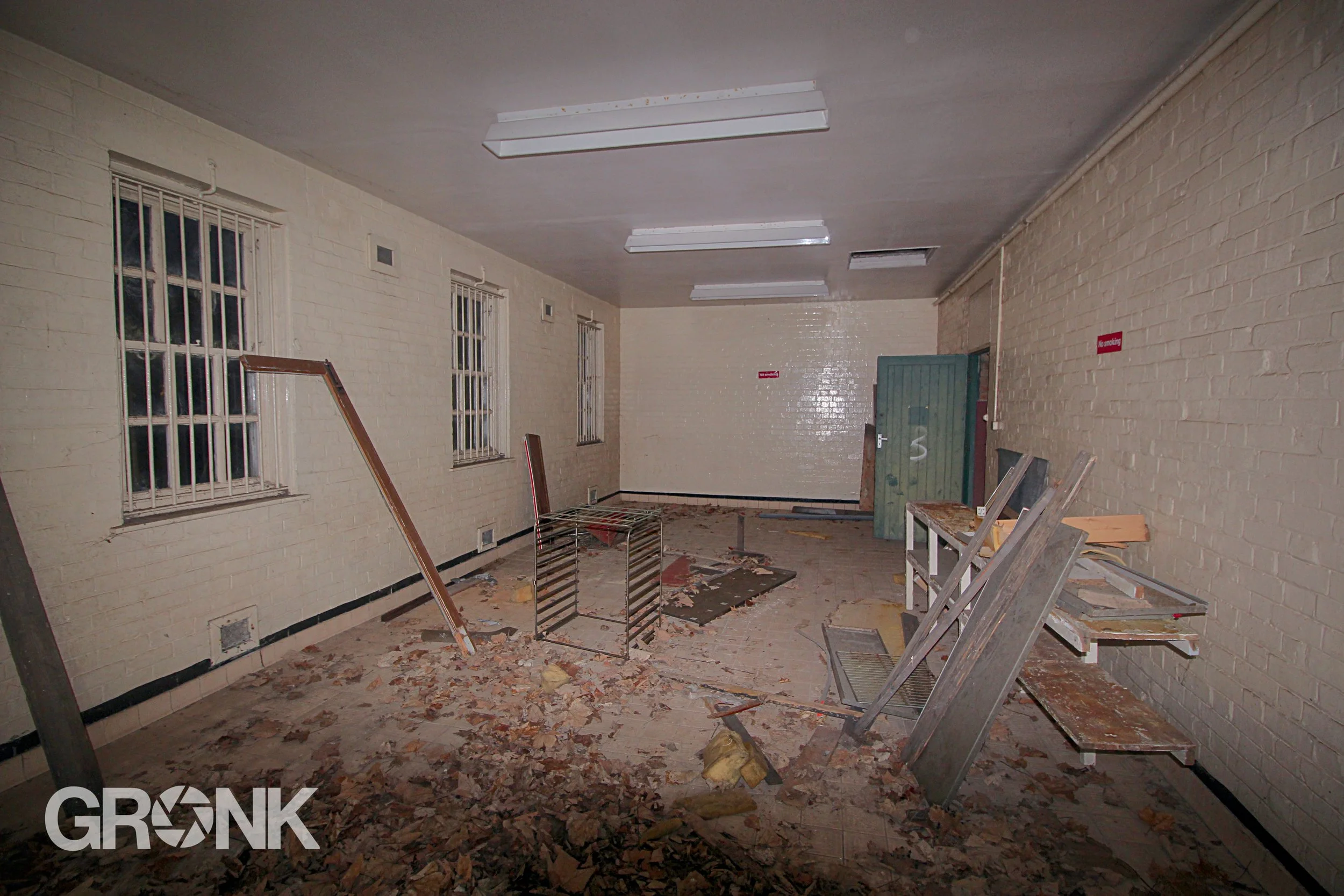
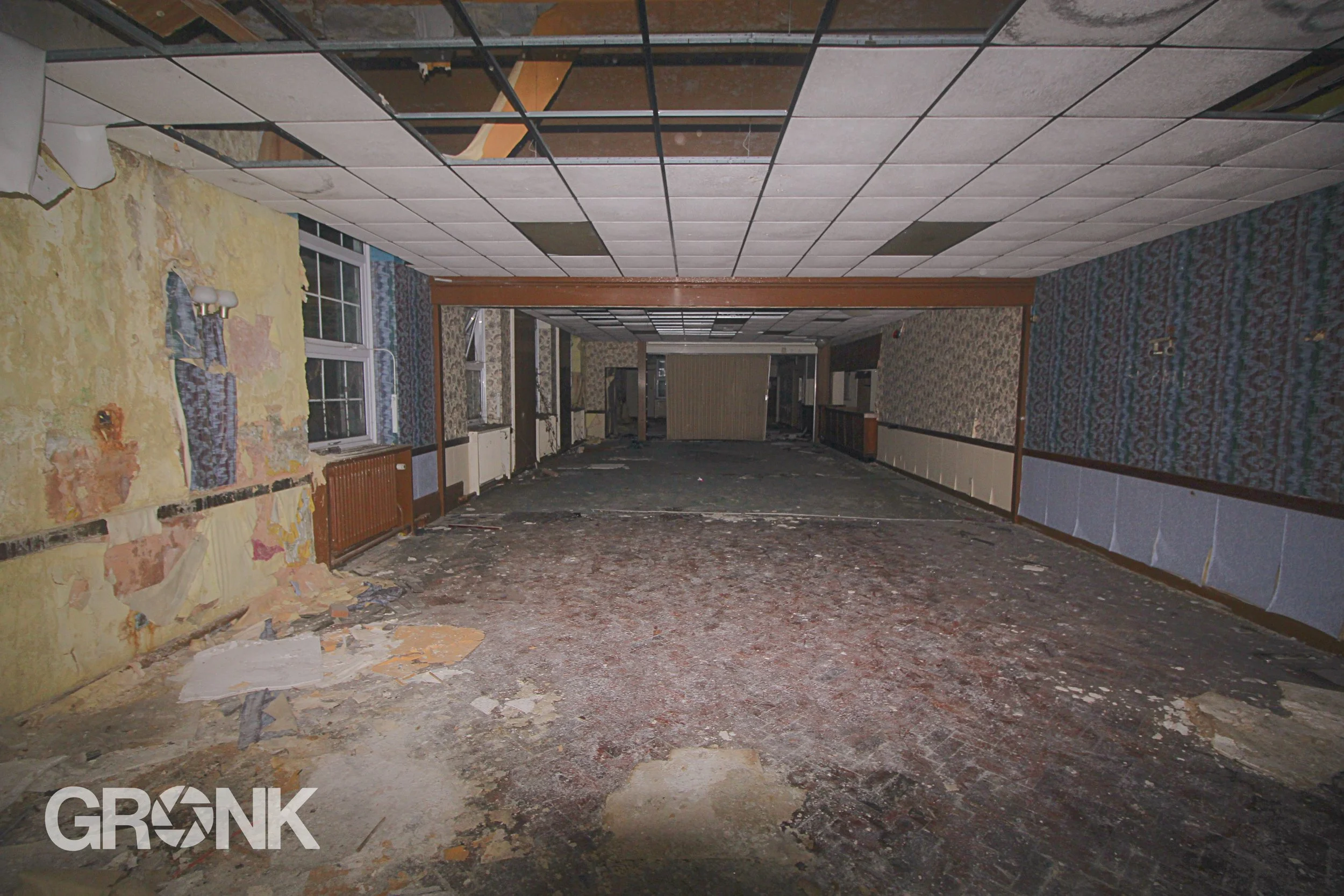
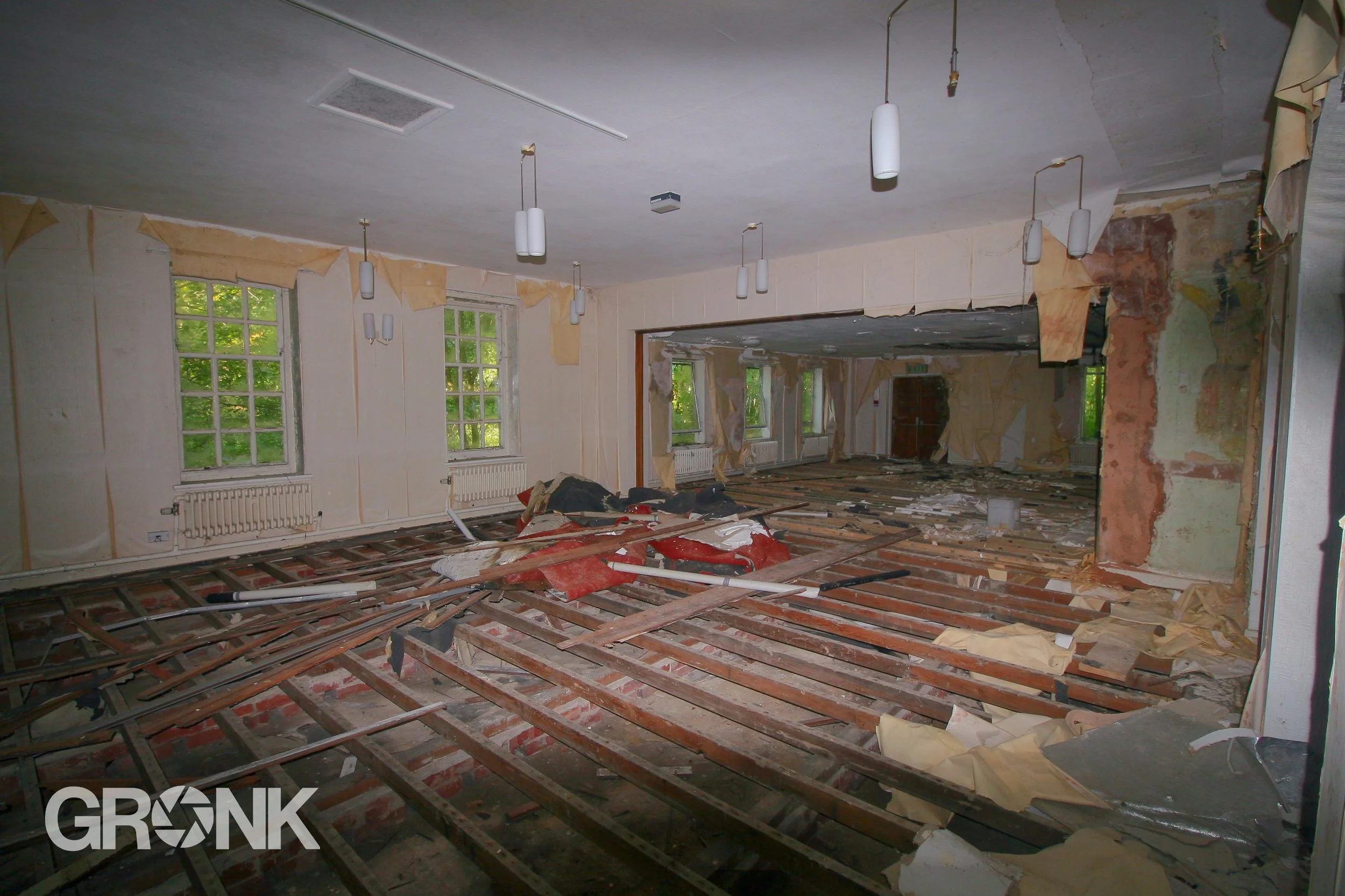
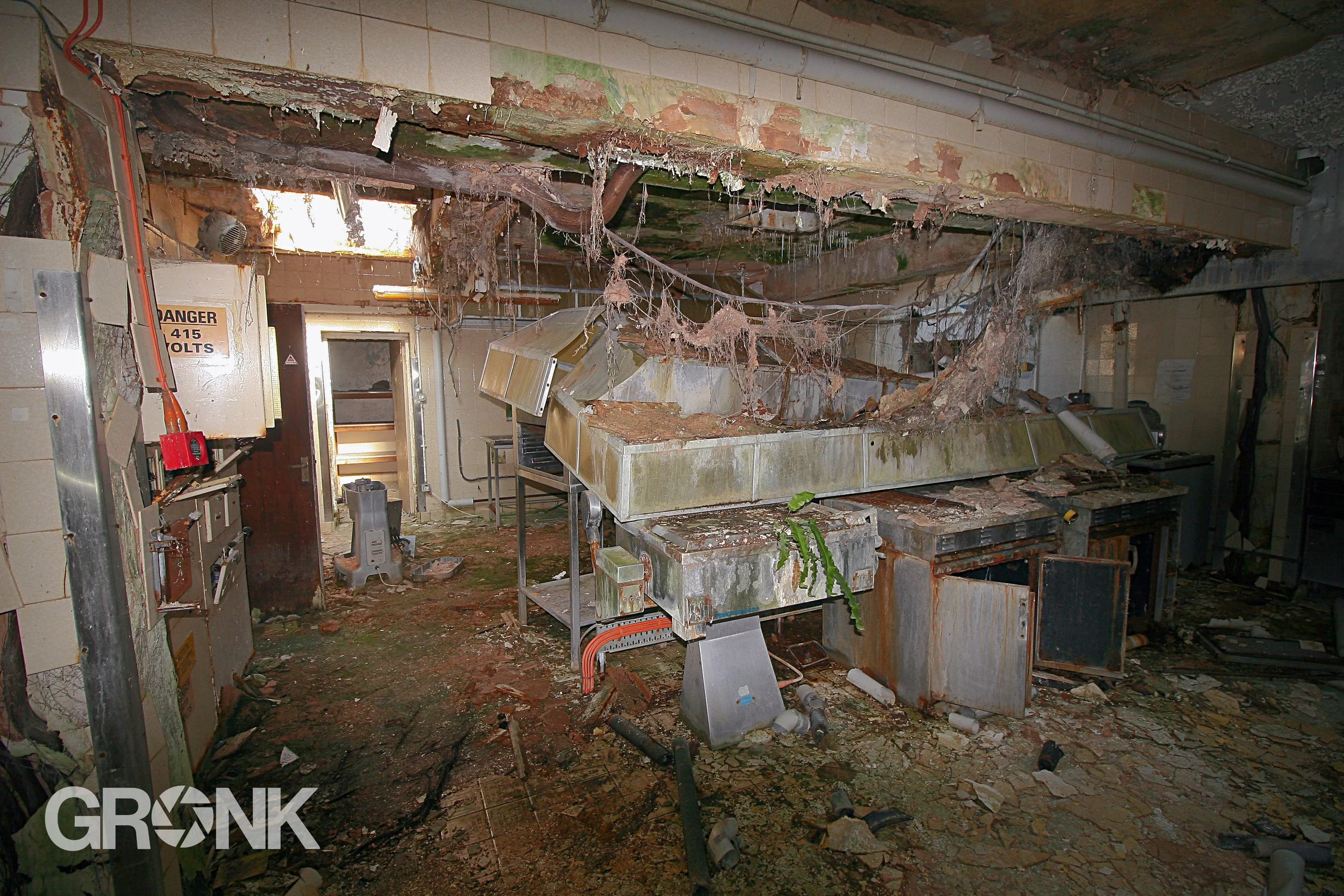
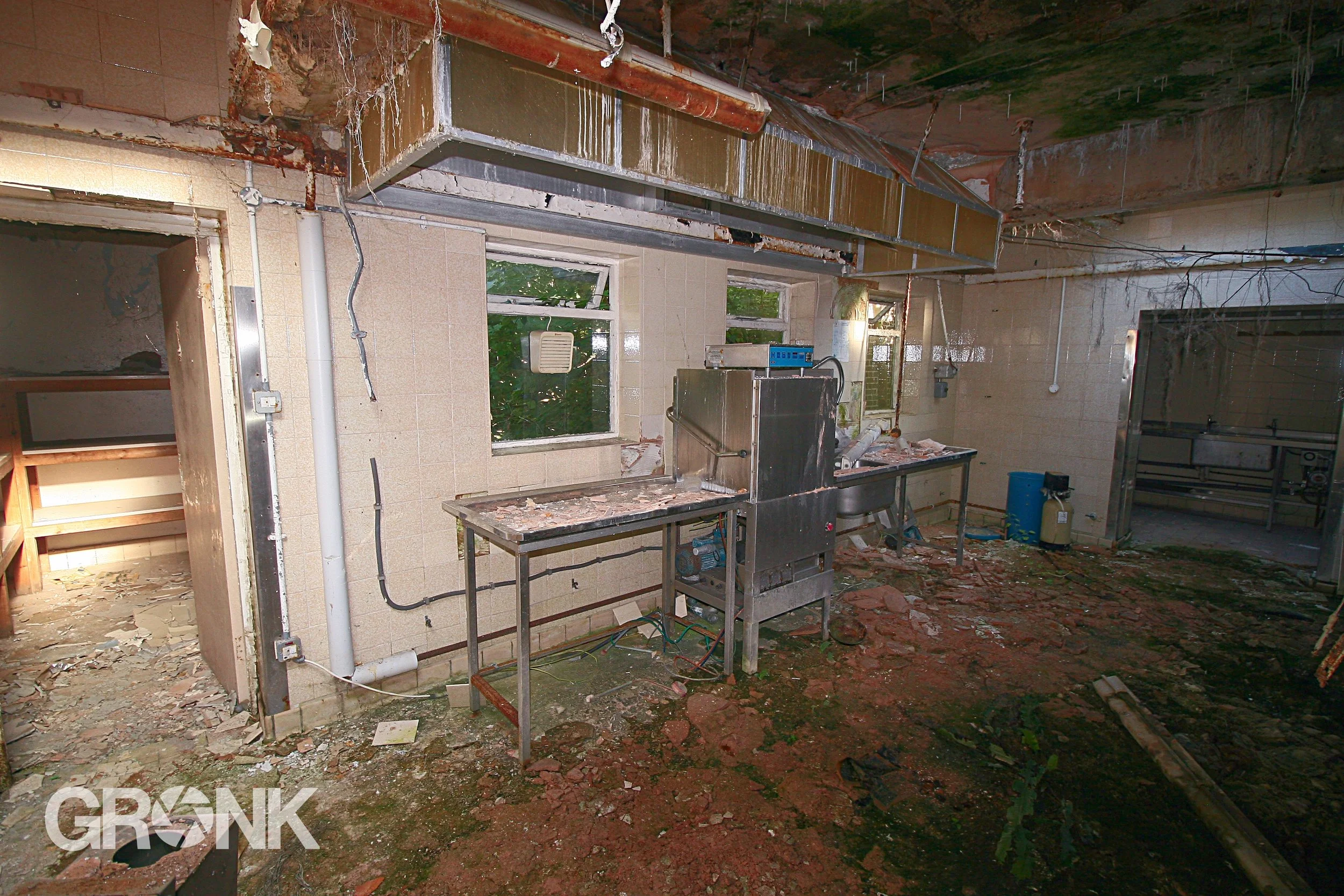
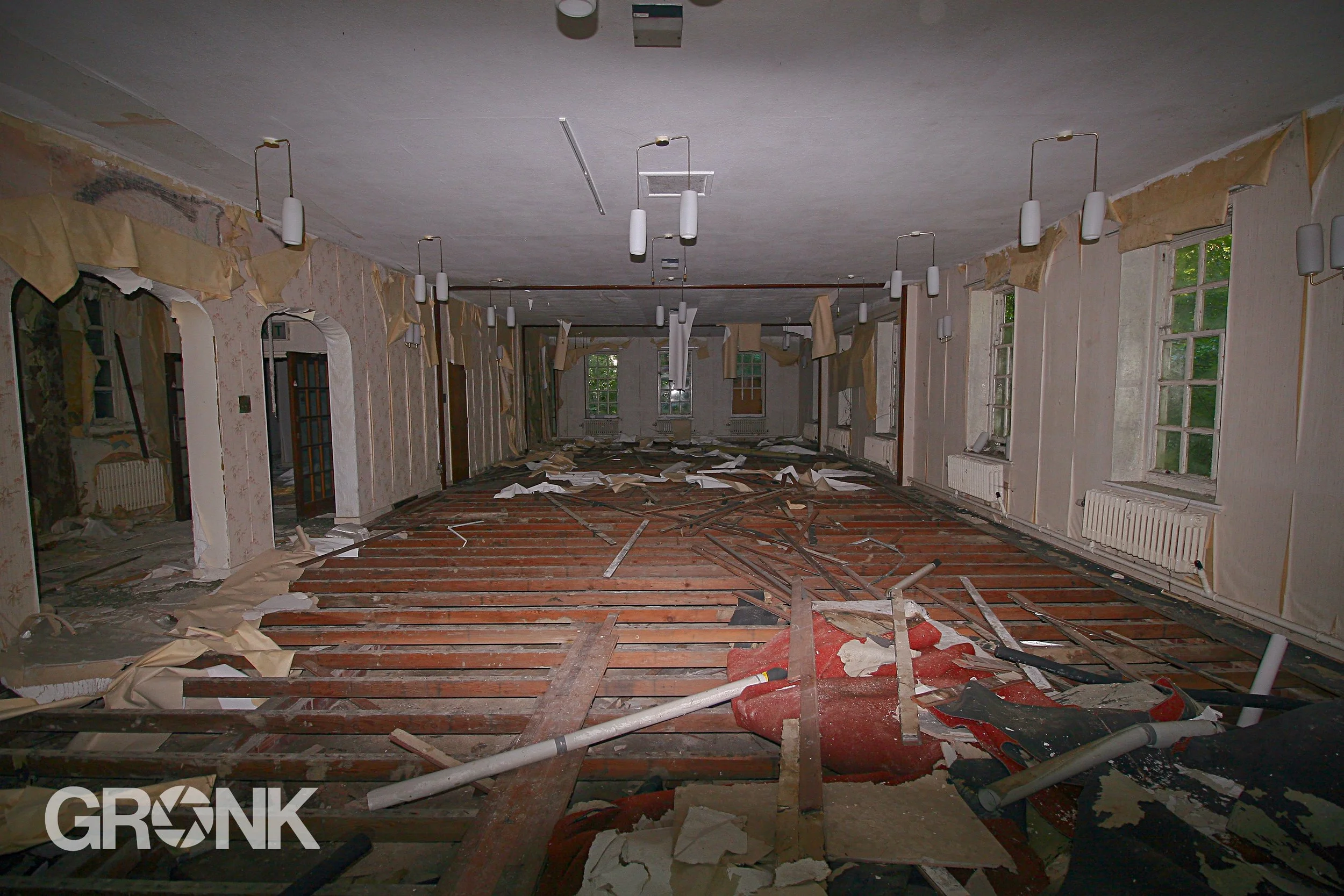
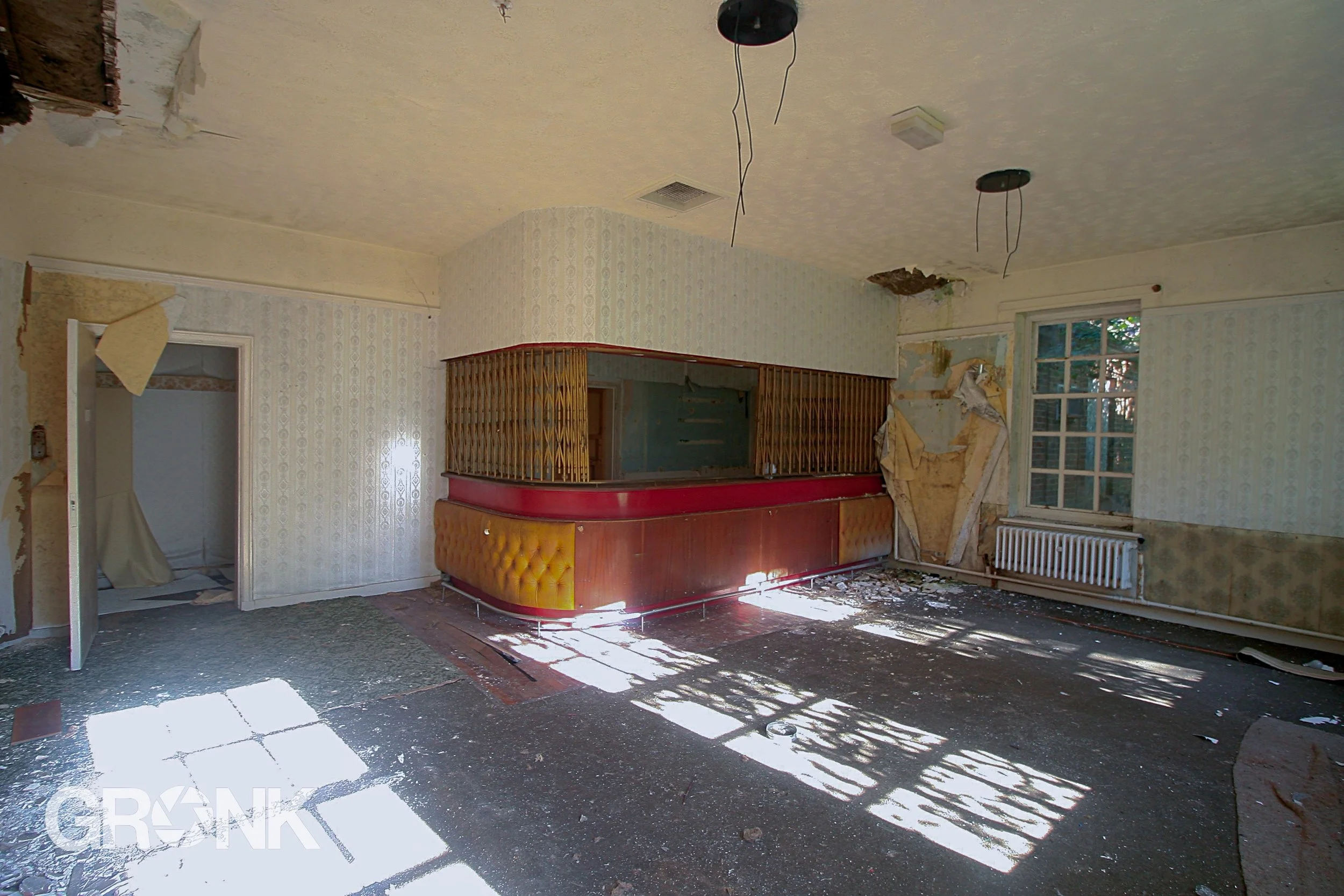
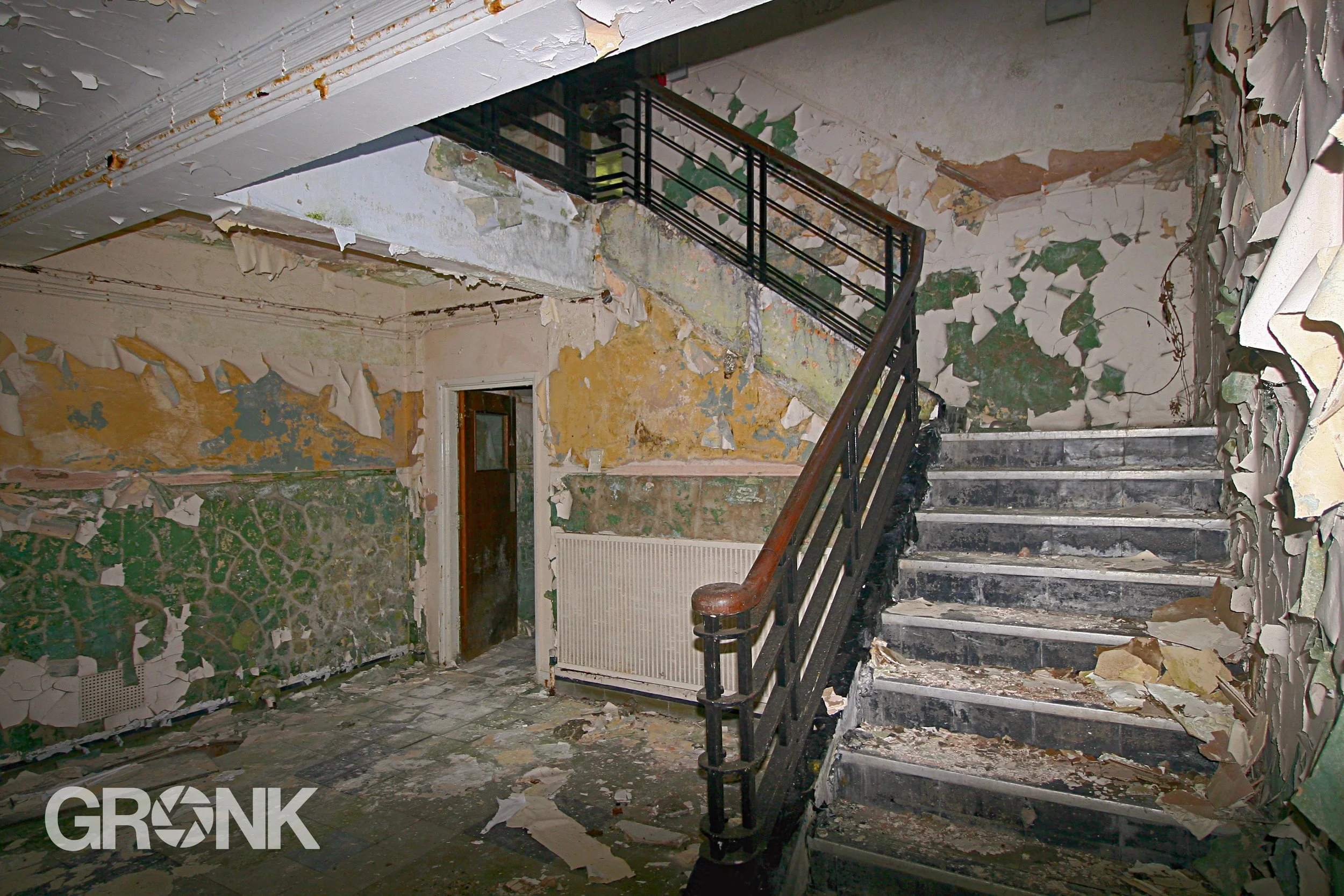
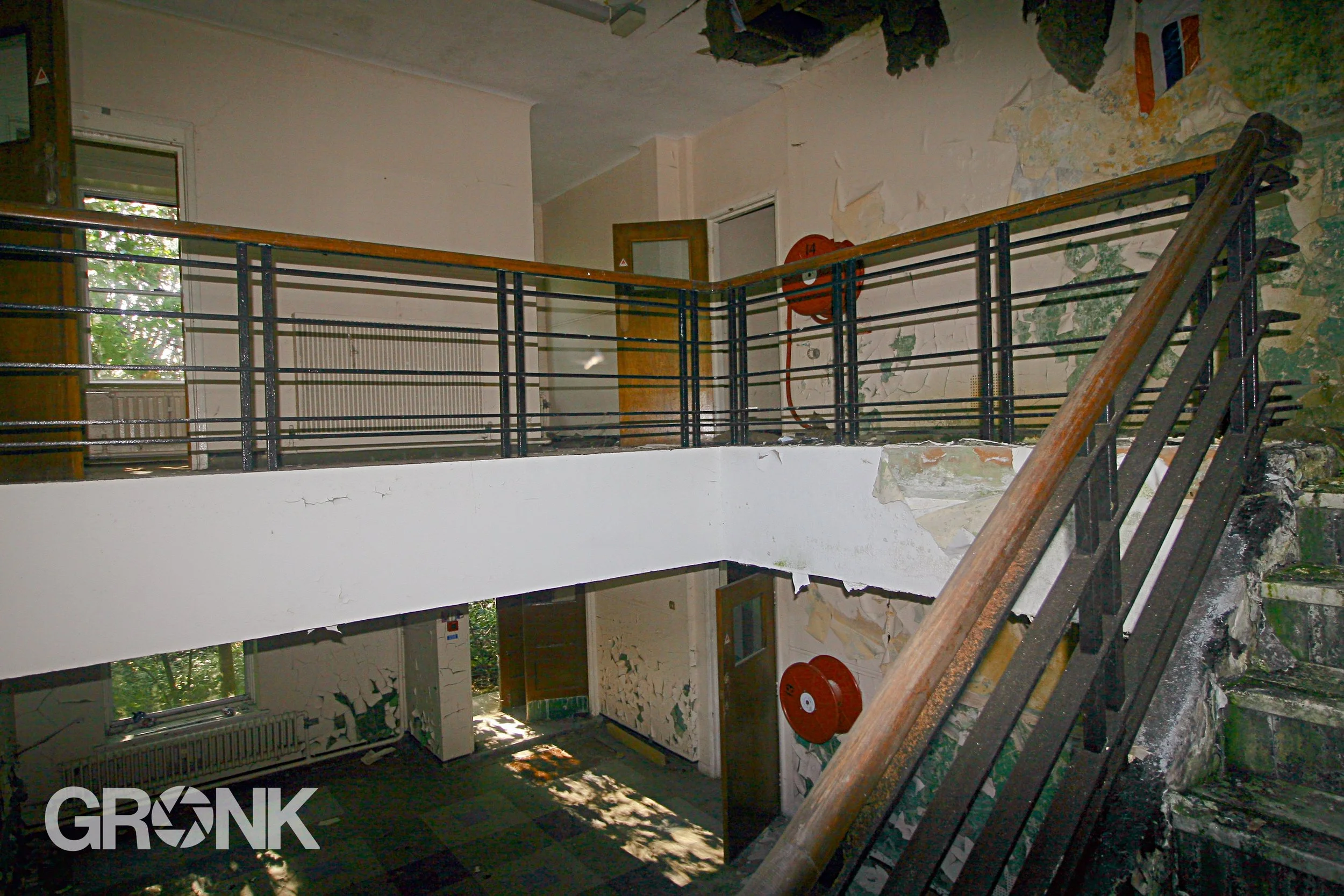
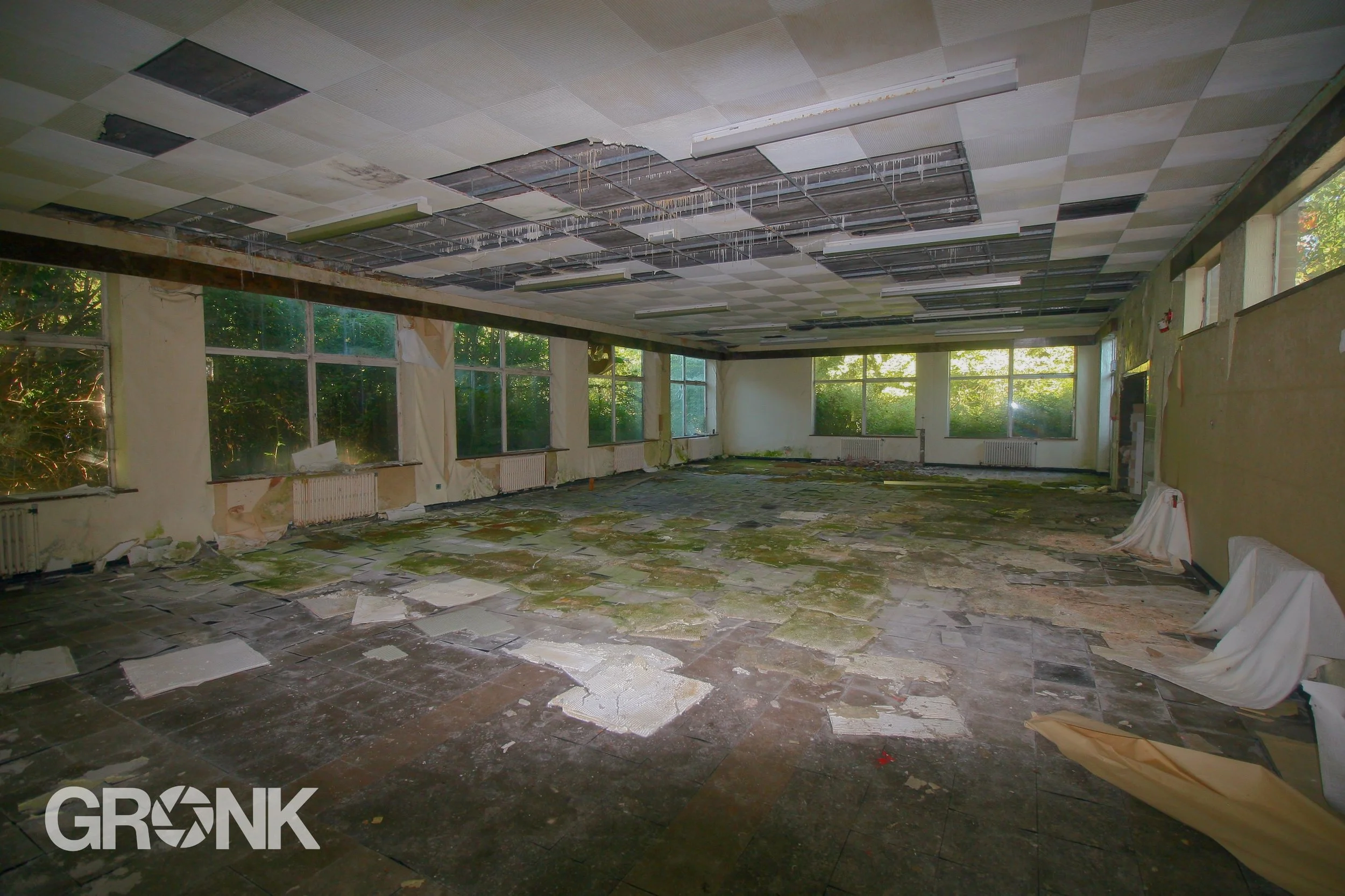
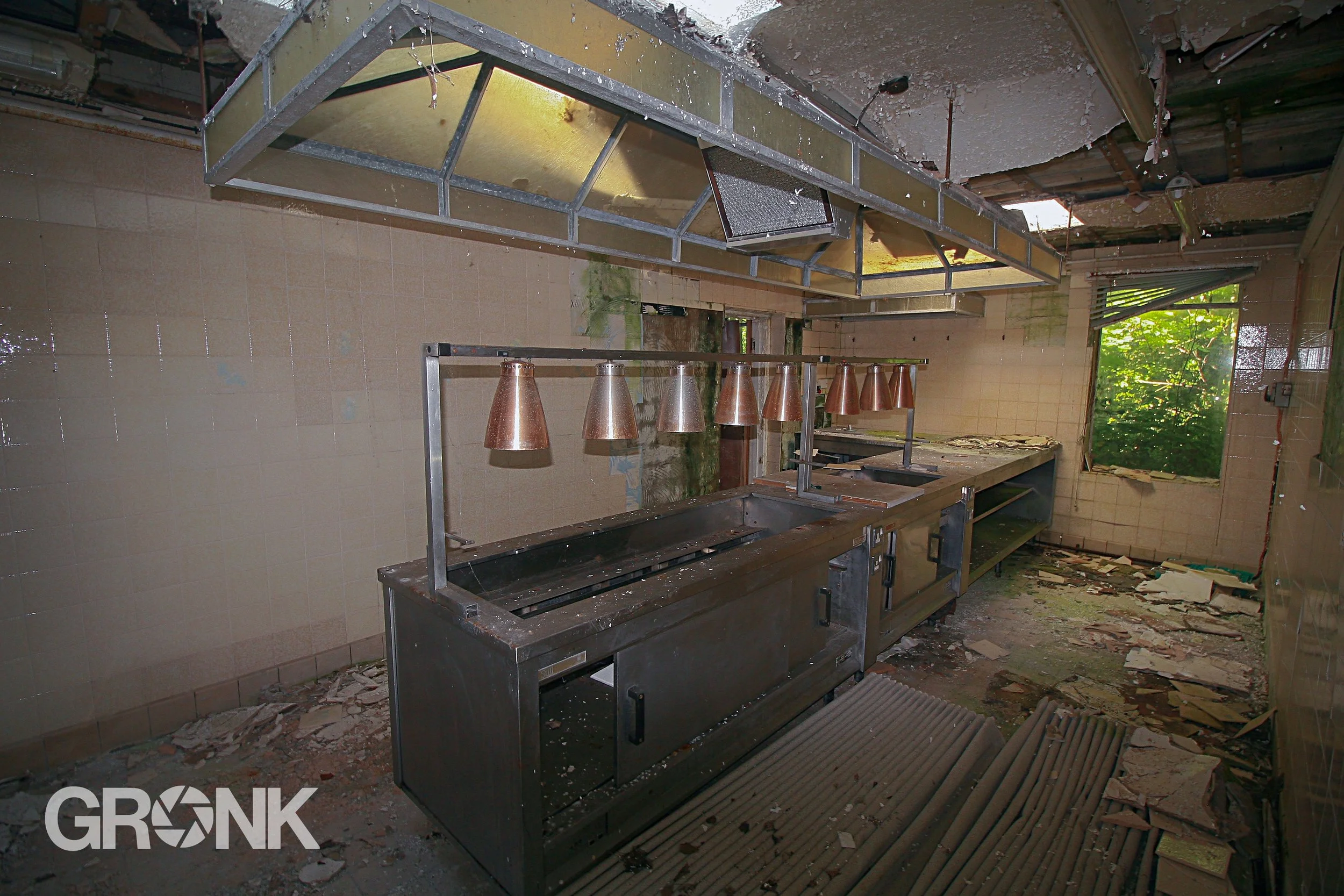
Please excuse the poor quality of these photographs, this location was visited very early in my Urbex journey.