Levenshulme Baths, Manchester
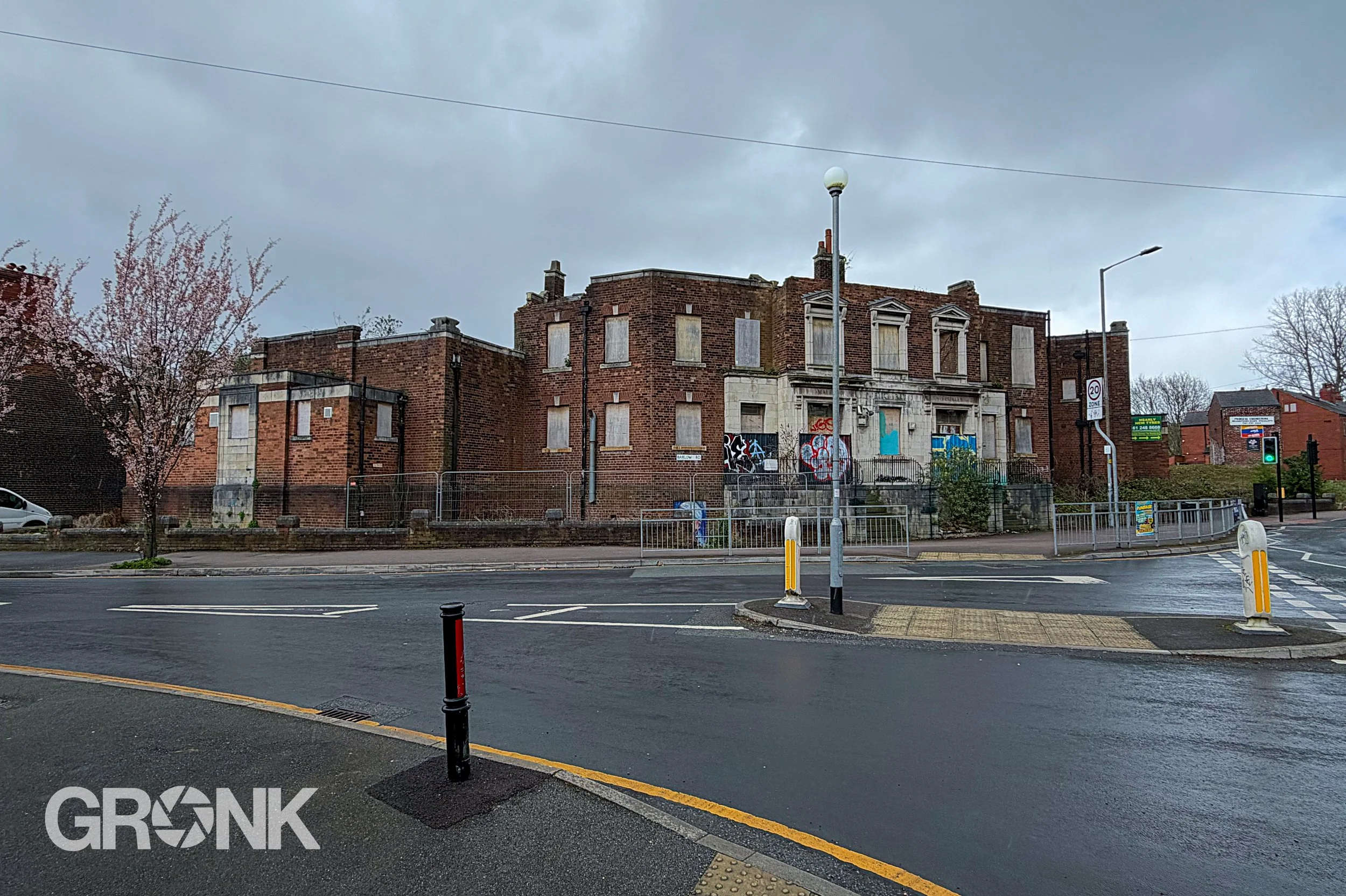
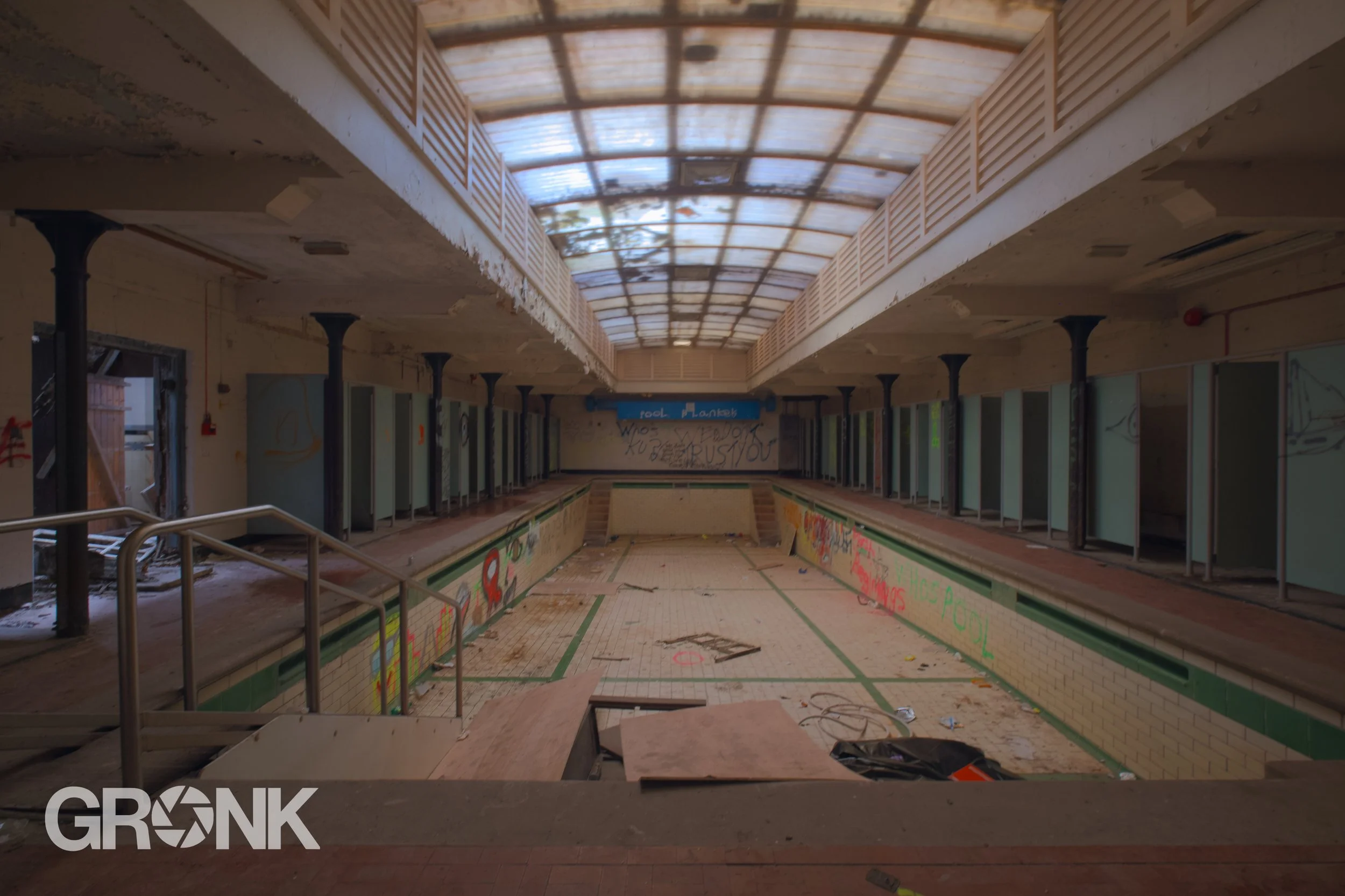
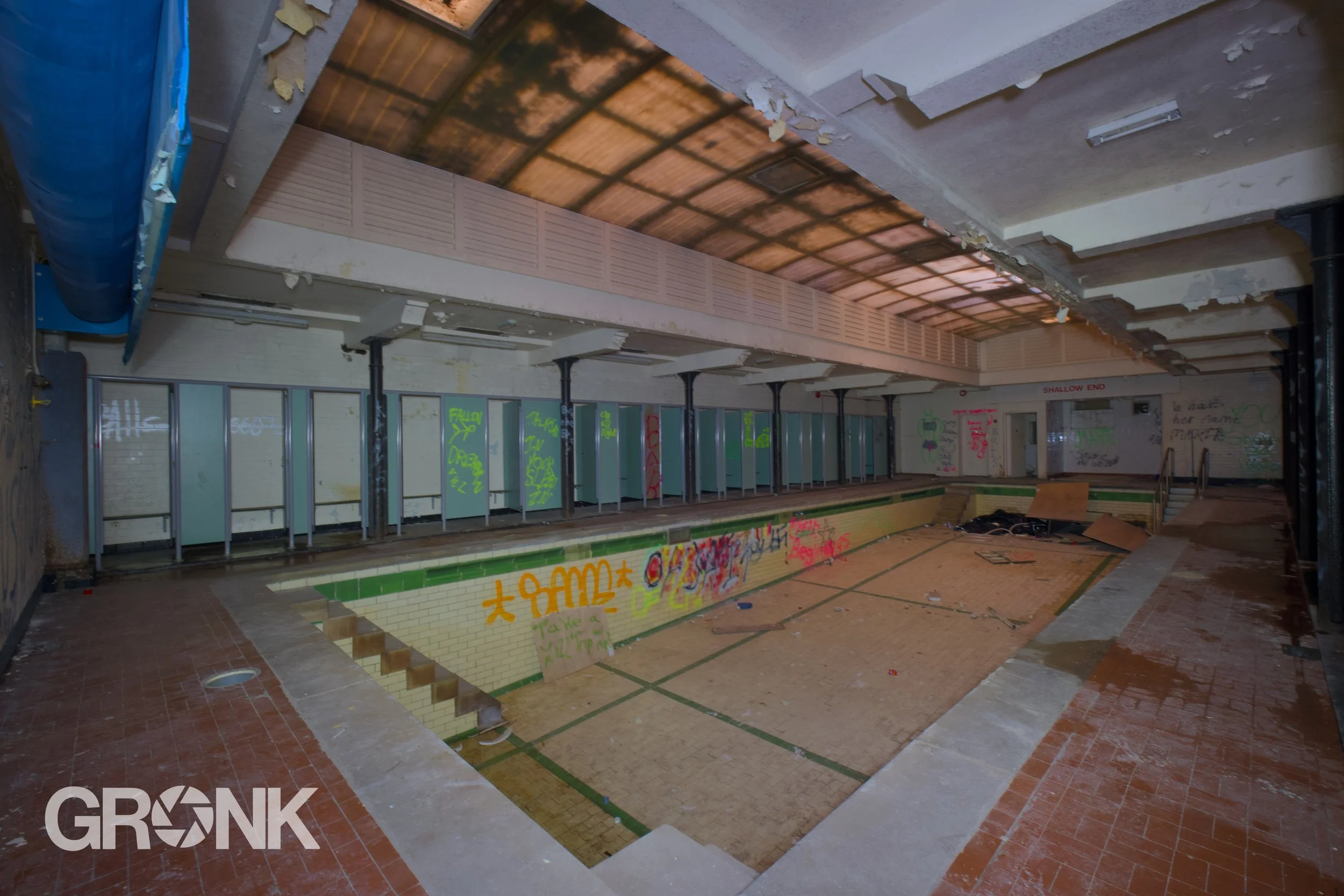
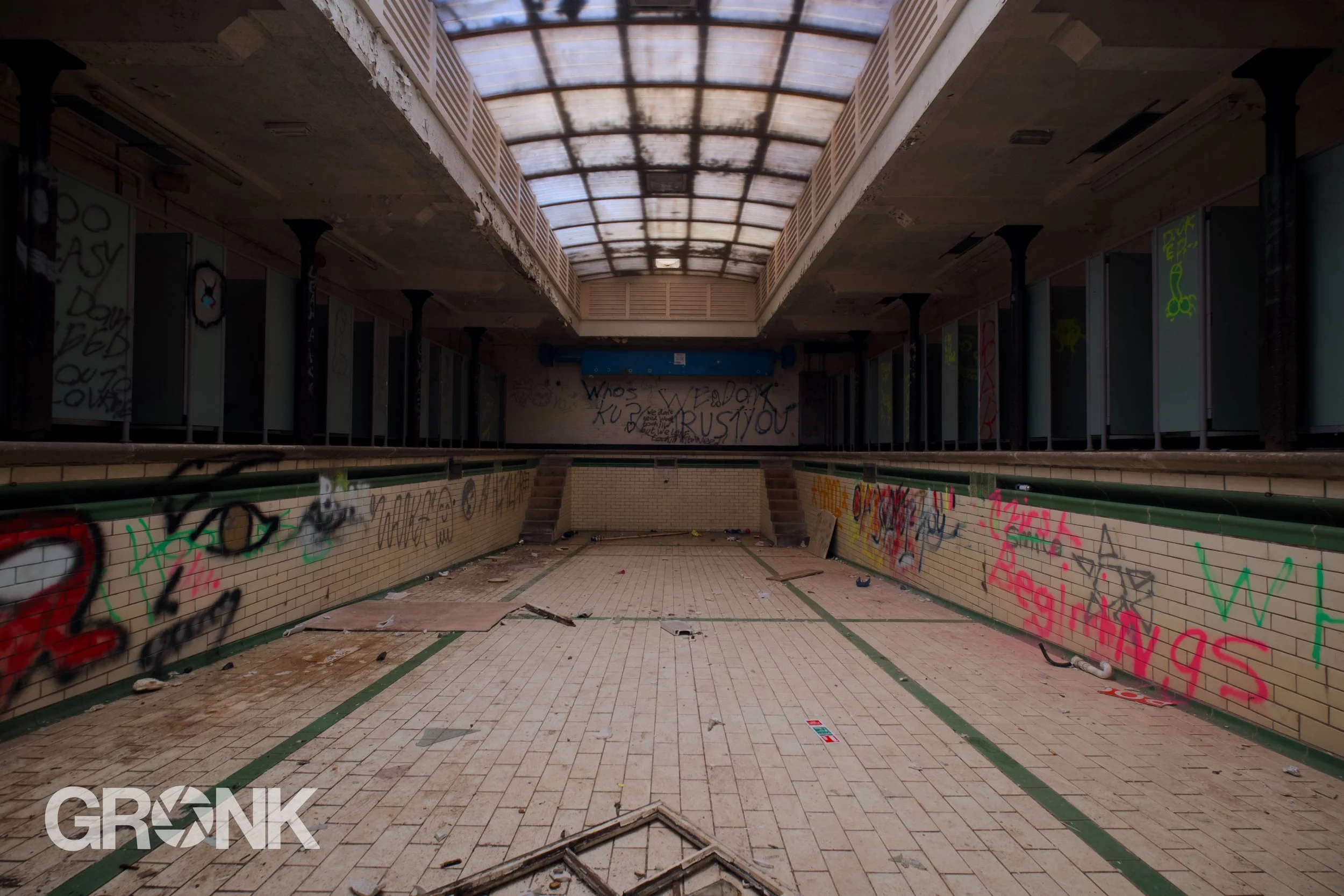
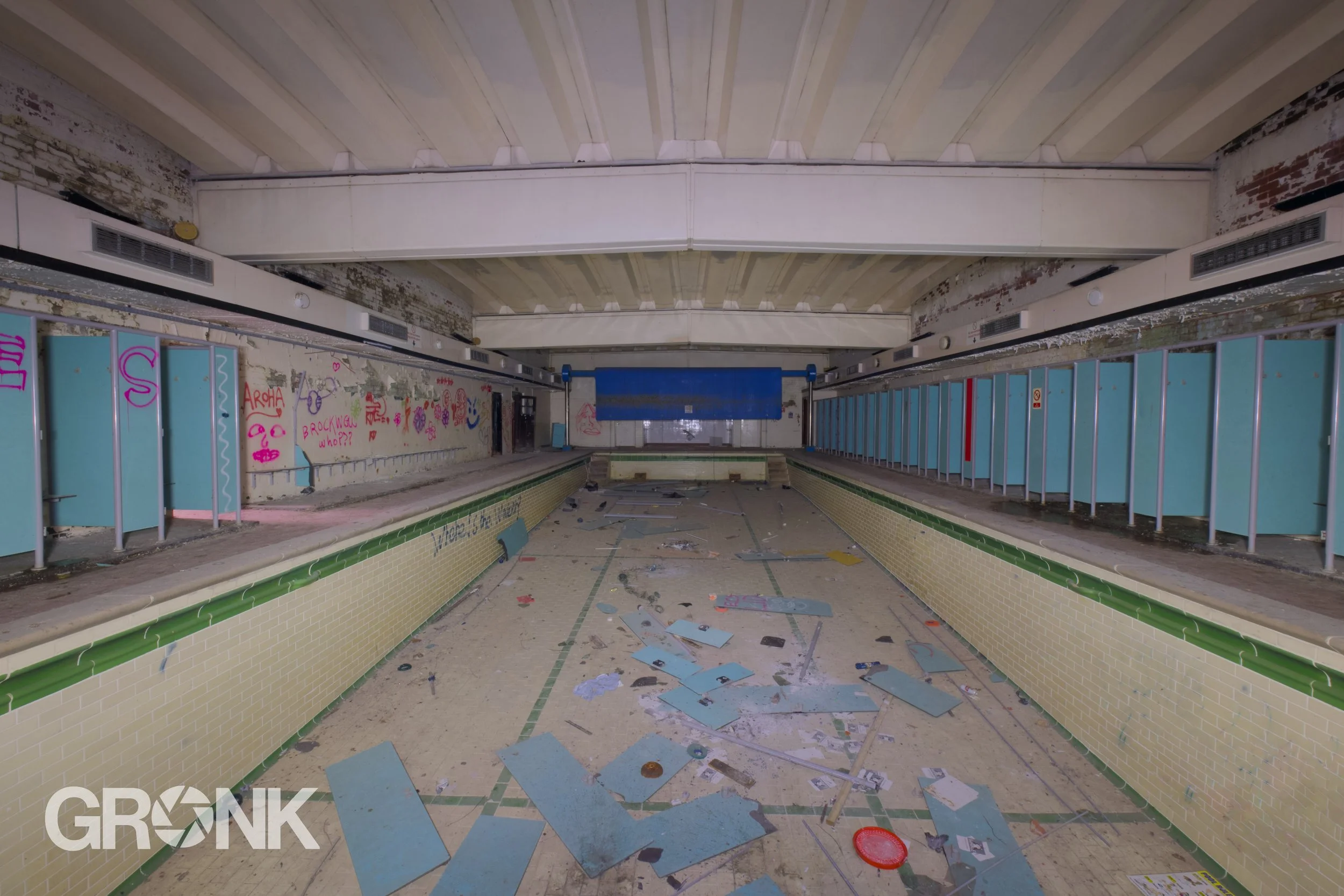
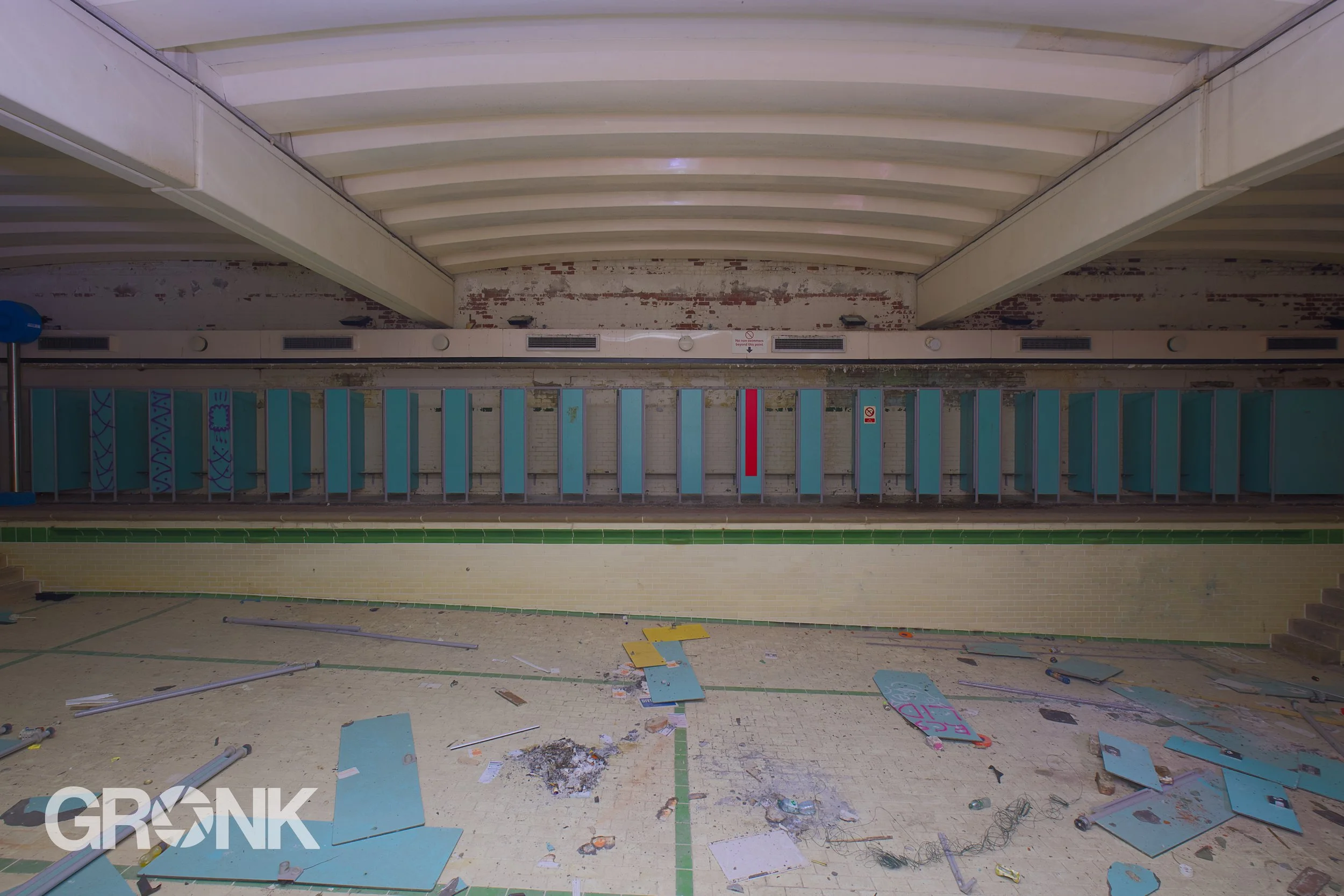
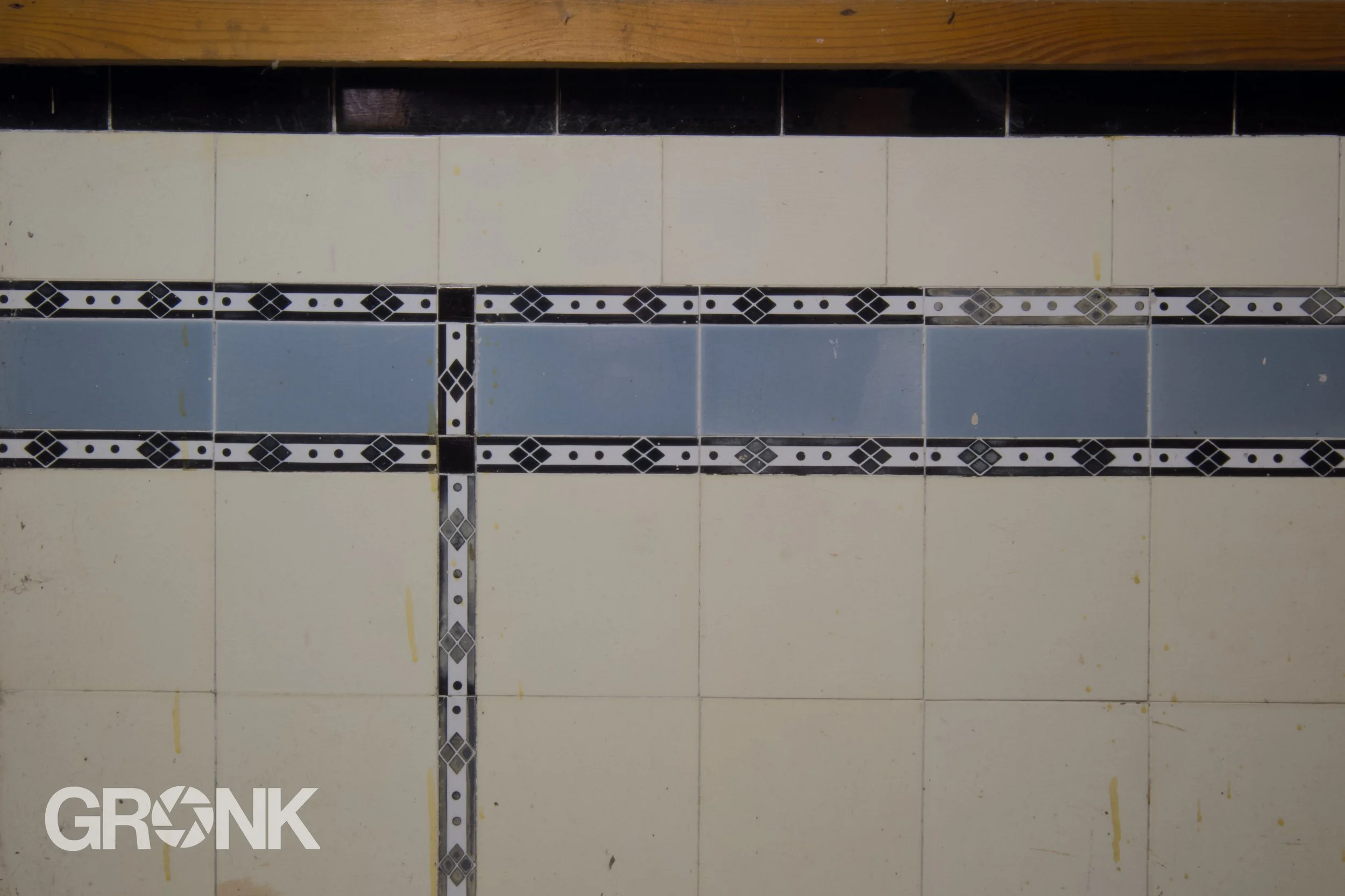
Levenshulme Baths in Manchester was a typical example of early 20th-century public bathing facilities, built to improve hygiene and provide recreation in a growing industrial city. The current building opened around 1921, at a time when many local homes still lacked bathrooms. Like other municipal baths, it offered not only swimming pools but also washhouse services, allowing residents to bathe and clean clothes. Reflecting social customs of the period, facilities were often segregated for men and women.
During the interwar years, the baths became an important community hub. It was widely used for both leisure and sport, and notably served as a training venue for Sunny Lowry, who went on to become the first British woman to swim the English Channel in 1933. This highlights the baths’ role in supporting local talent as well as everyday recreation.
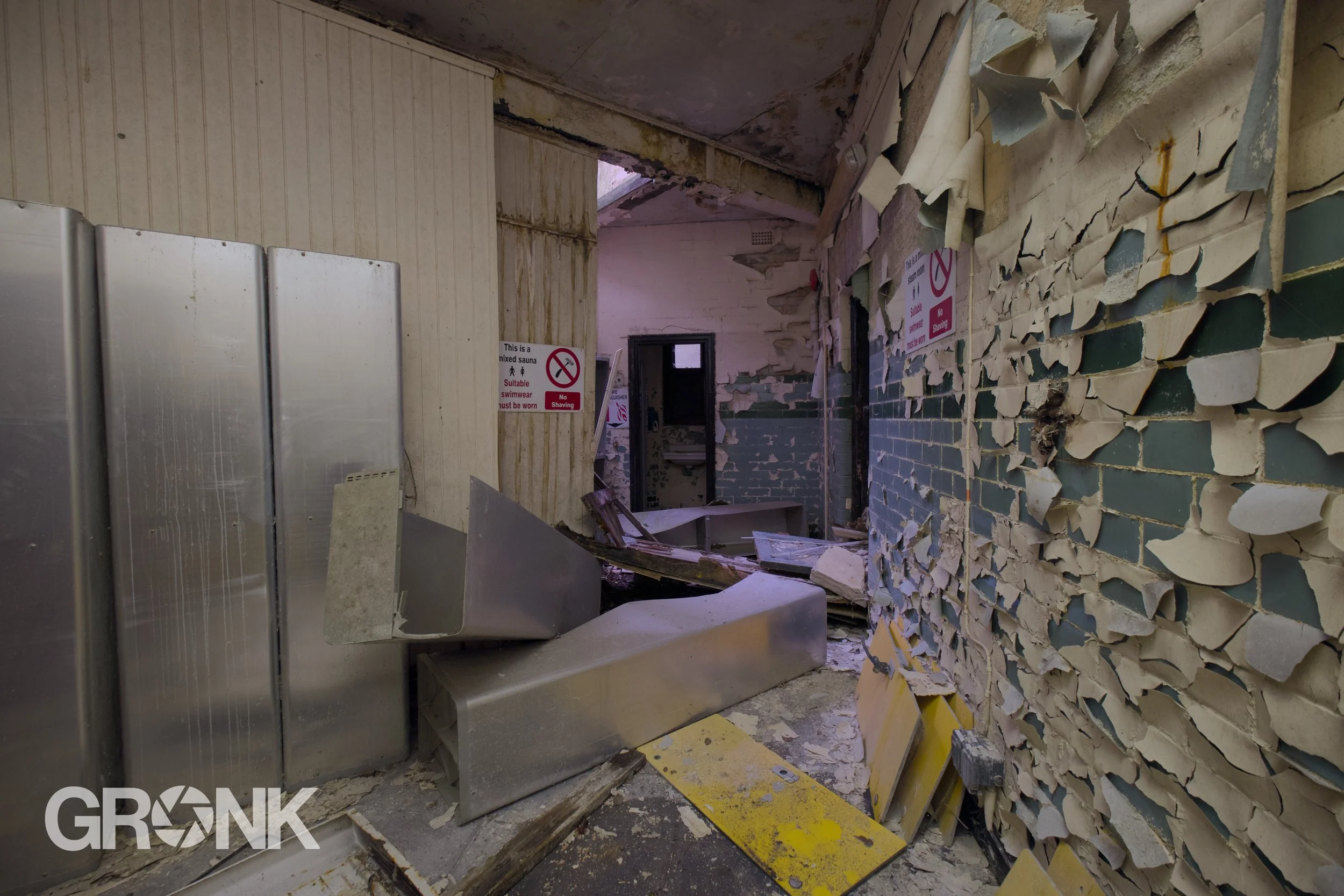
As living standards improved throughout the mid-20th century and private bathrooms became common, the washhouse function declined and eventually disappeared. The site adapted by developing into a modern leisure centre, adding facilities such as additional pools, a gym, and wellness amenities like a sauna and steam room. Despite these updates, the building itself aged and became increasingly costly to maintain.
By the early 21st century, Manchester City Council decided that a new facility would better serve the community. Levenshulme Baths closed on 18 February 2016, ending more than 90 years of service. It was replaced by the nearby Arcadia Library and Leisure Centre, which combines swimming, fitness, and library services in a modern space.
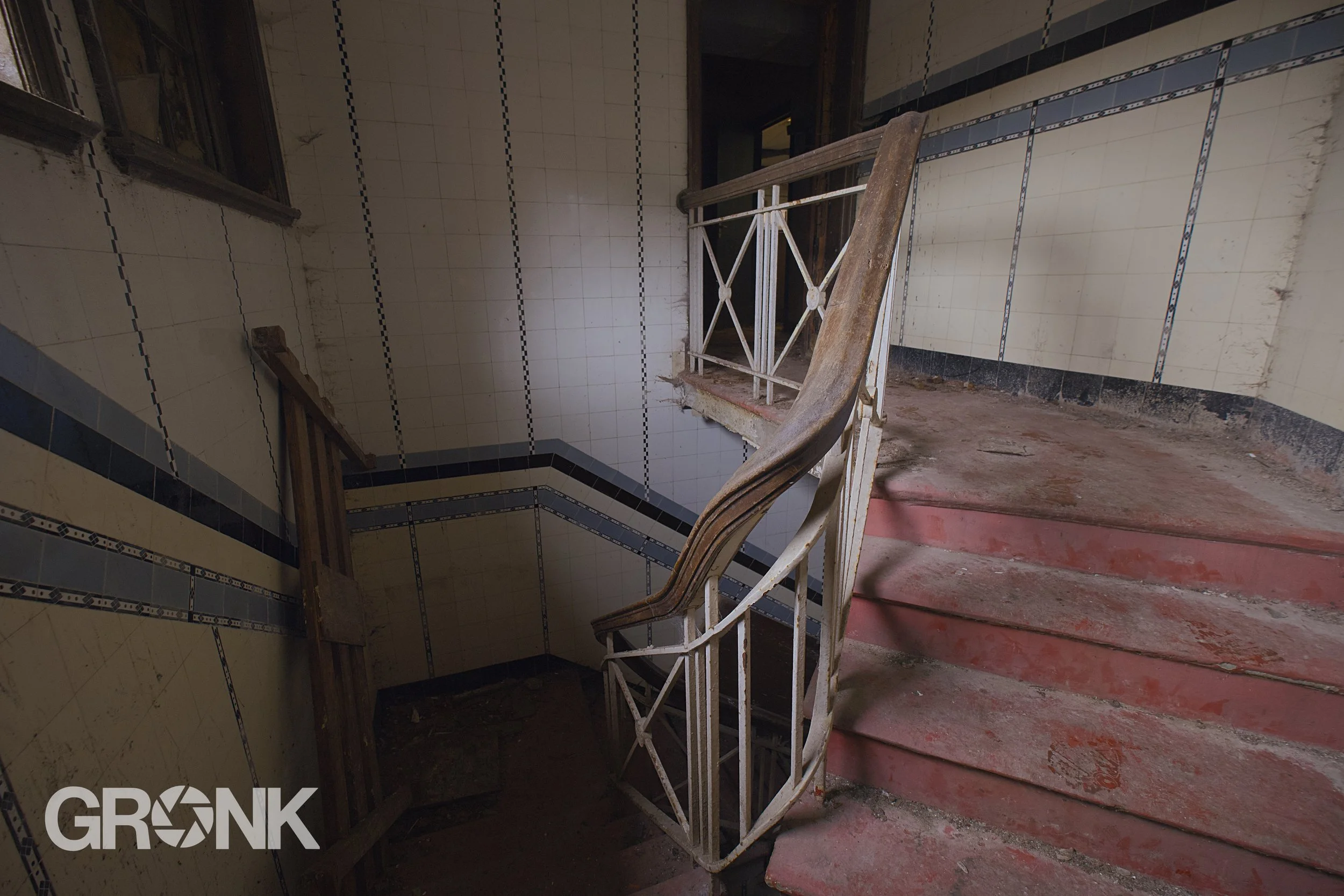
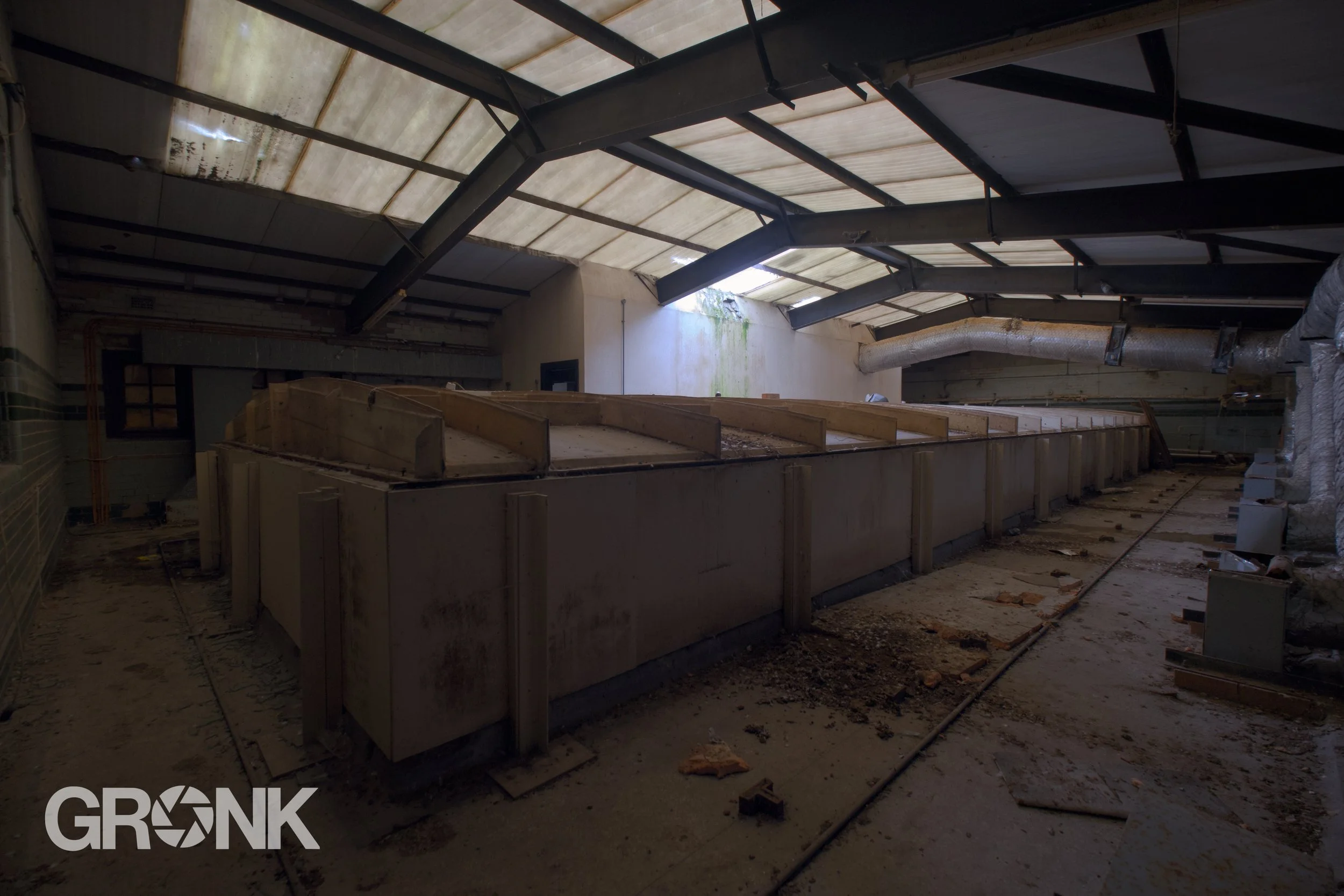
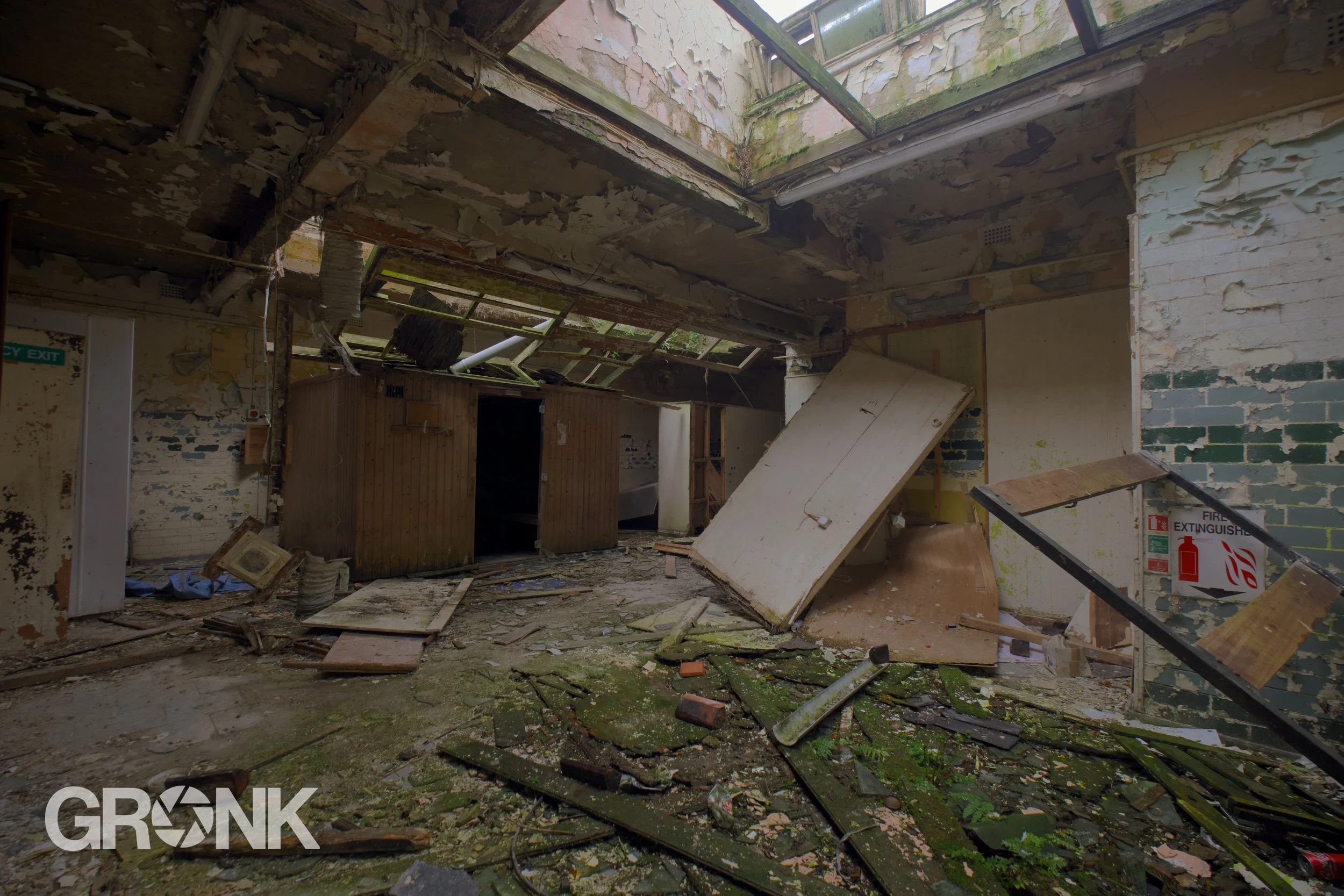
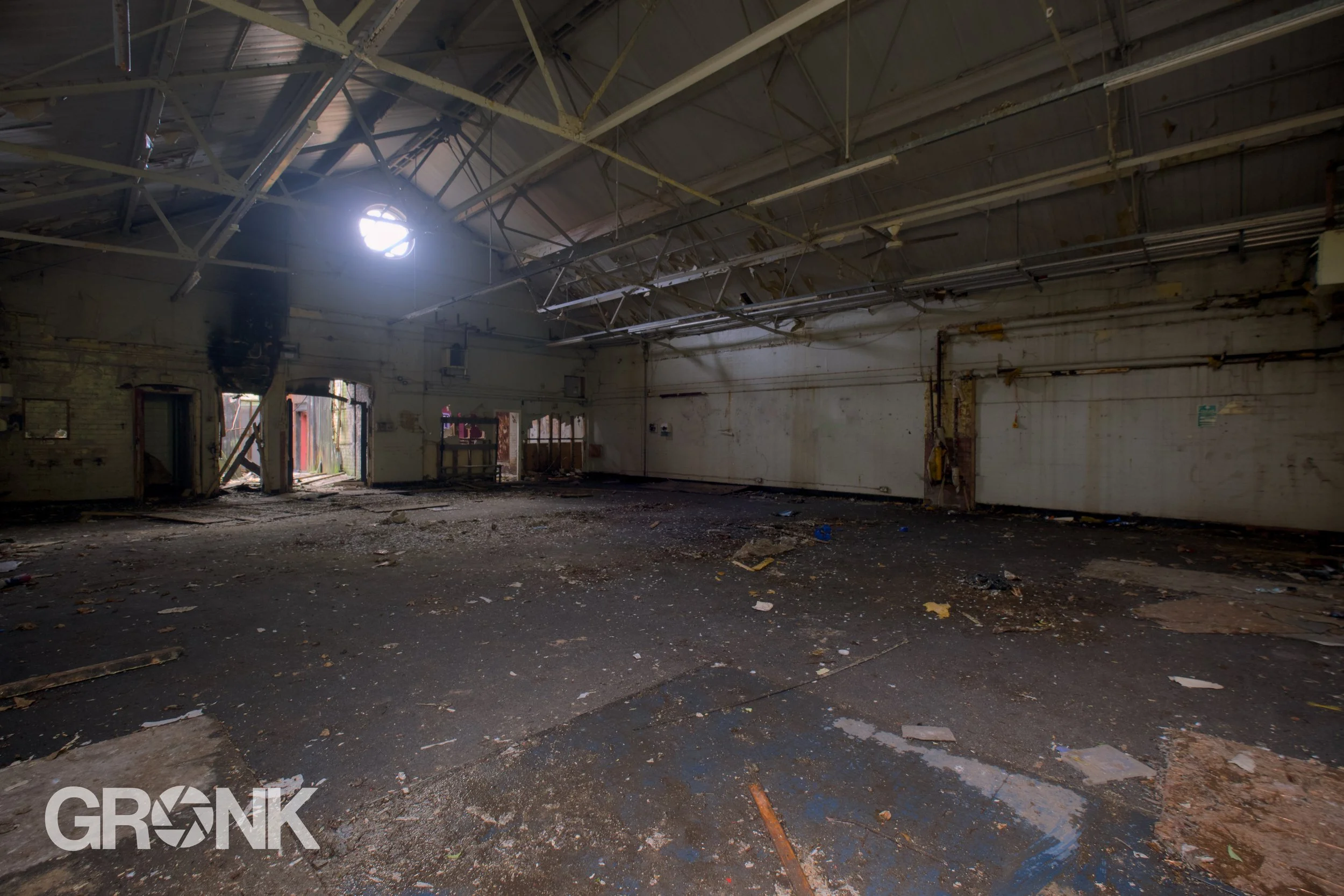
Today, the original baths building stands largely unused, but it remains an important reminder of Manchester’s public health history and the social role such institutions once played in everyday urban life.