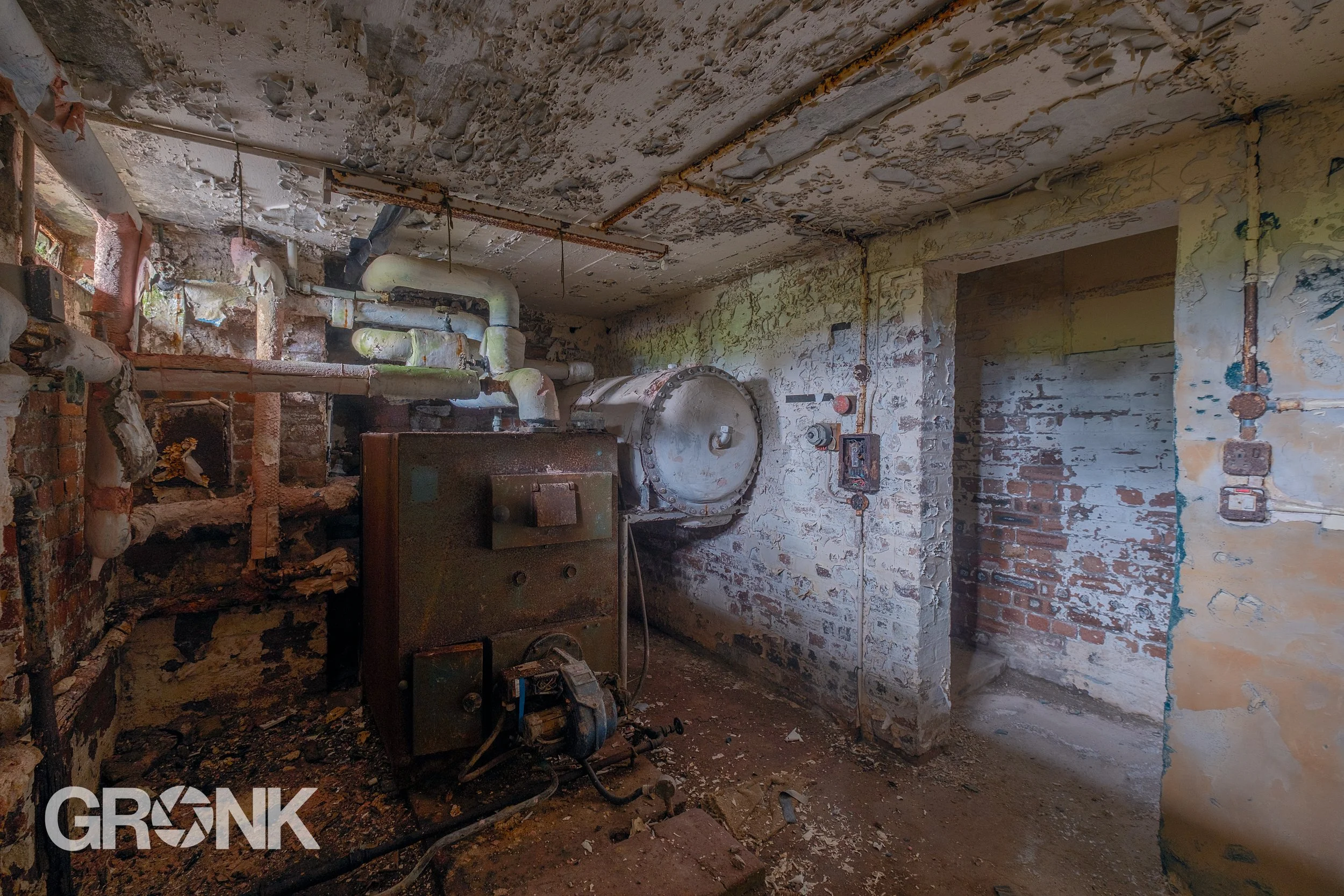
Torpedo Testing Facility, Helensburgh
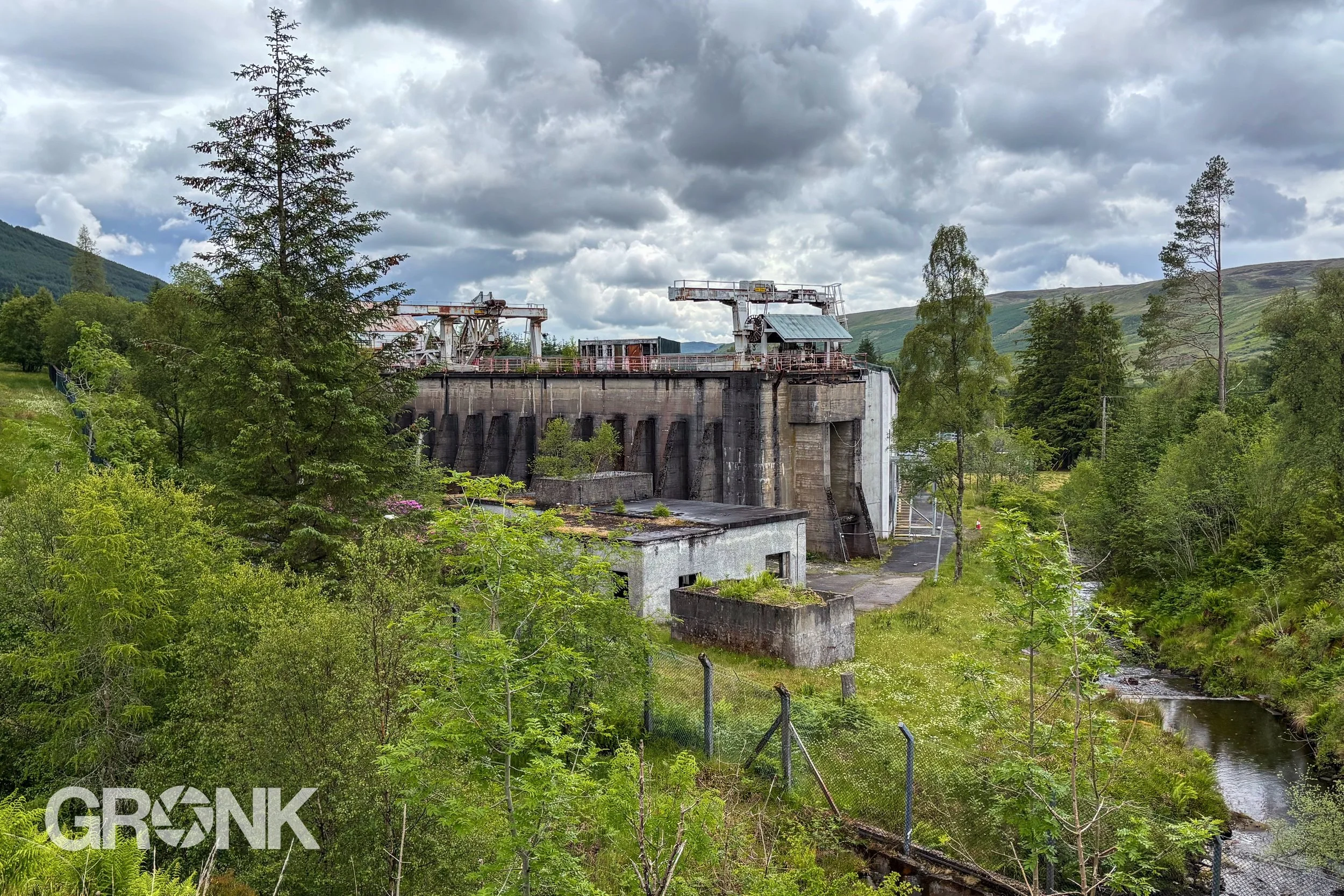
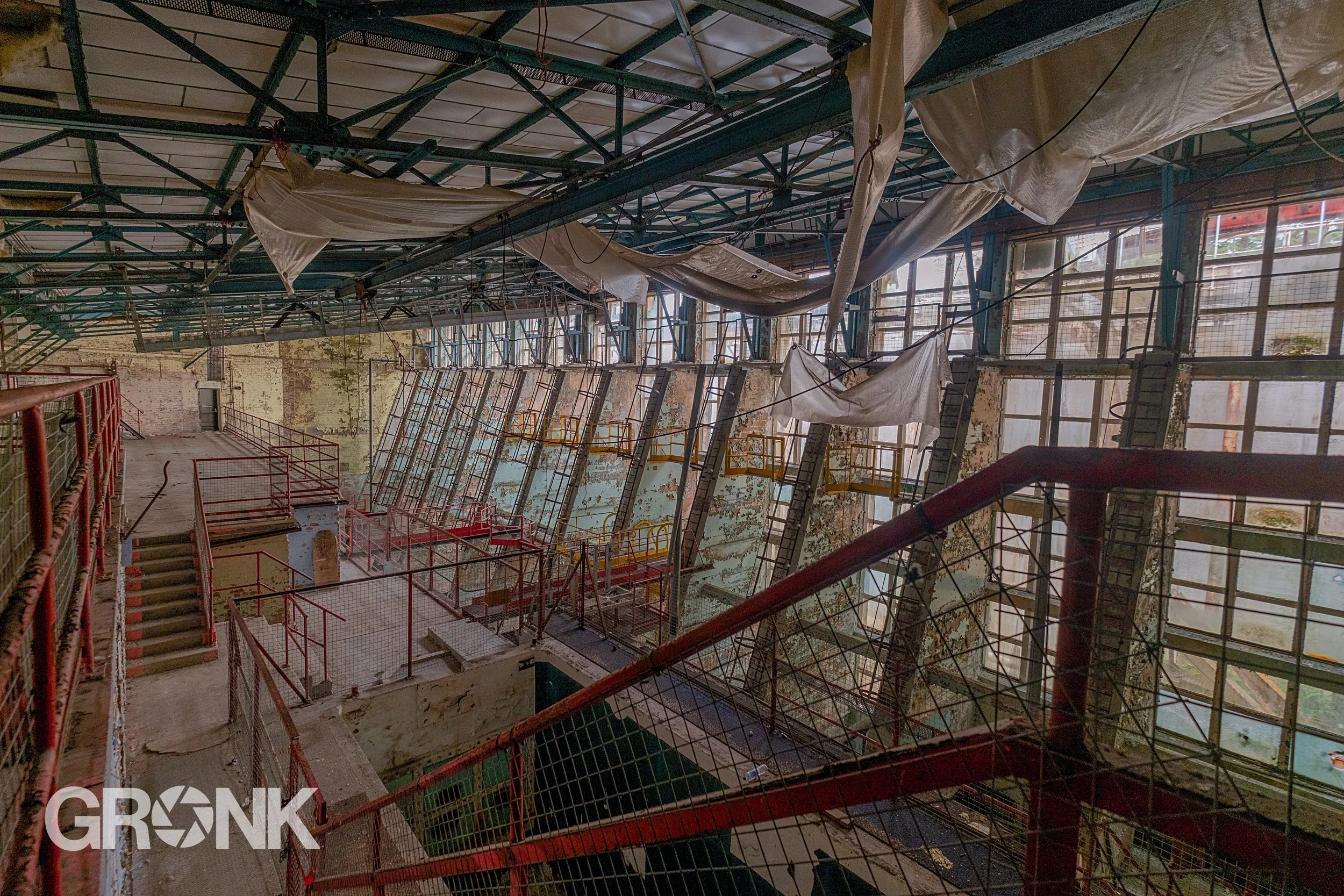
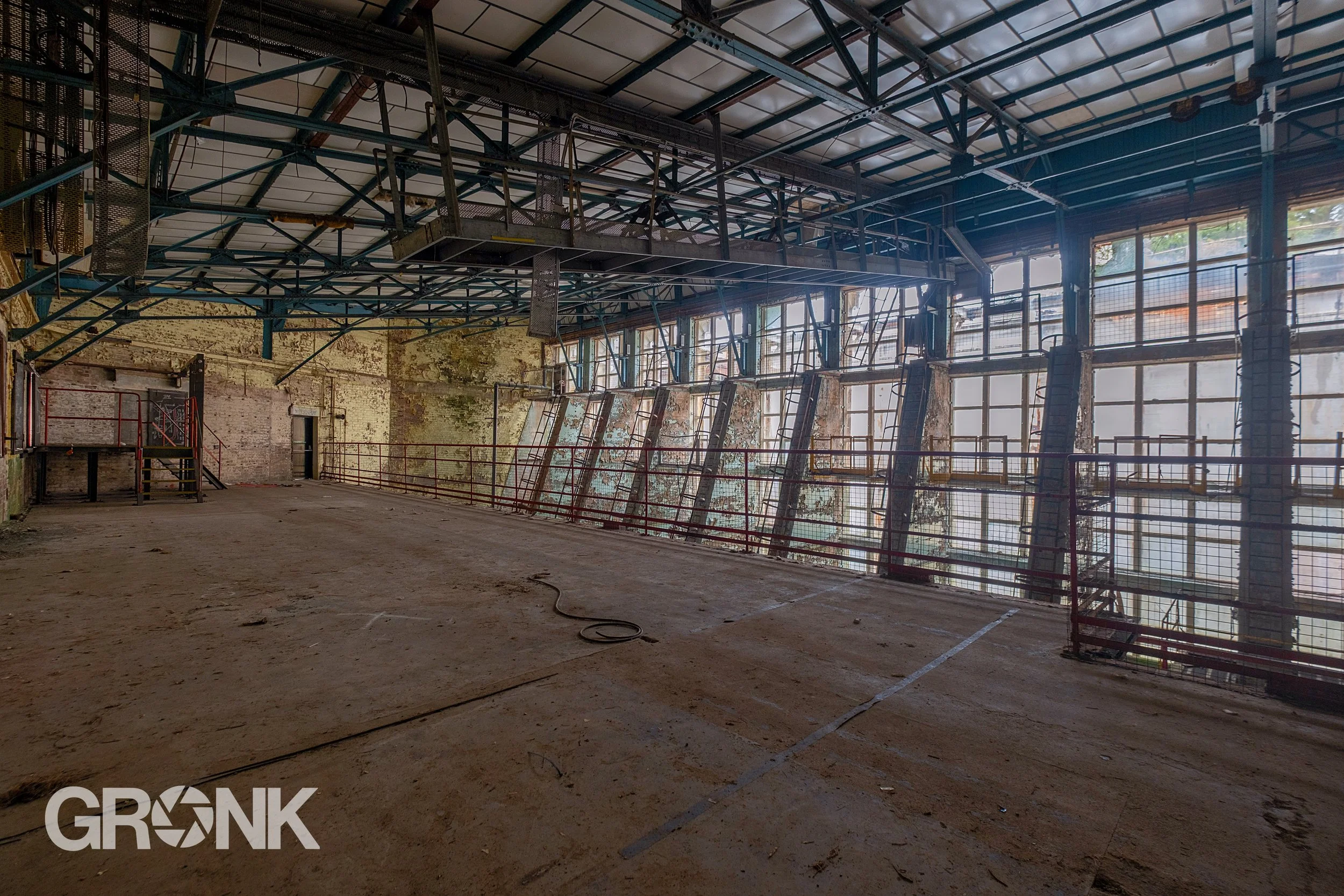
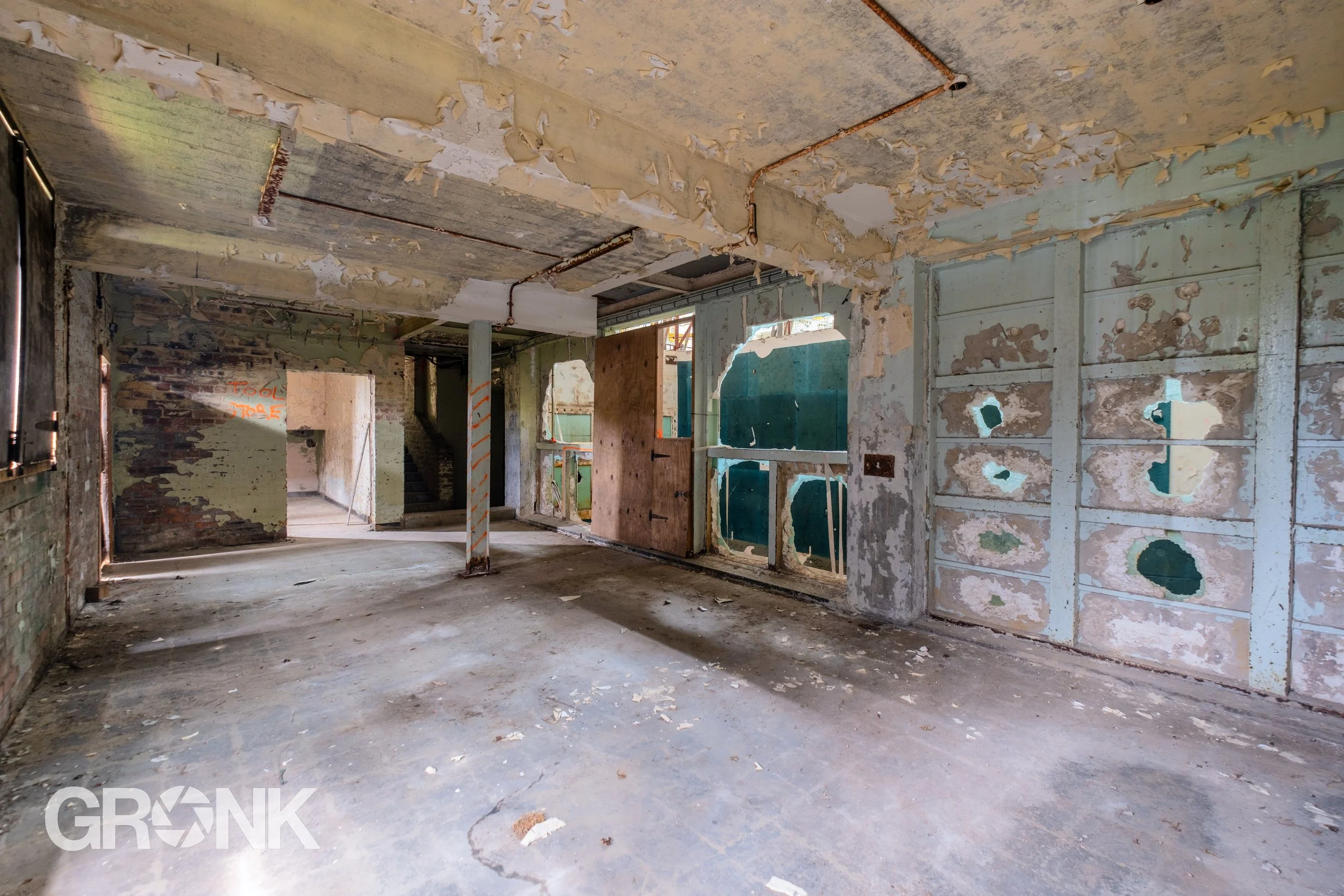
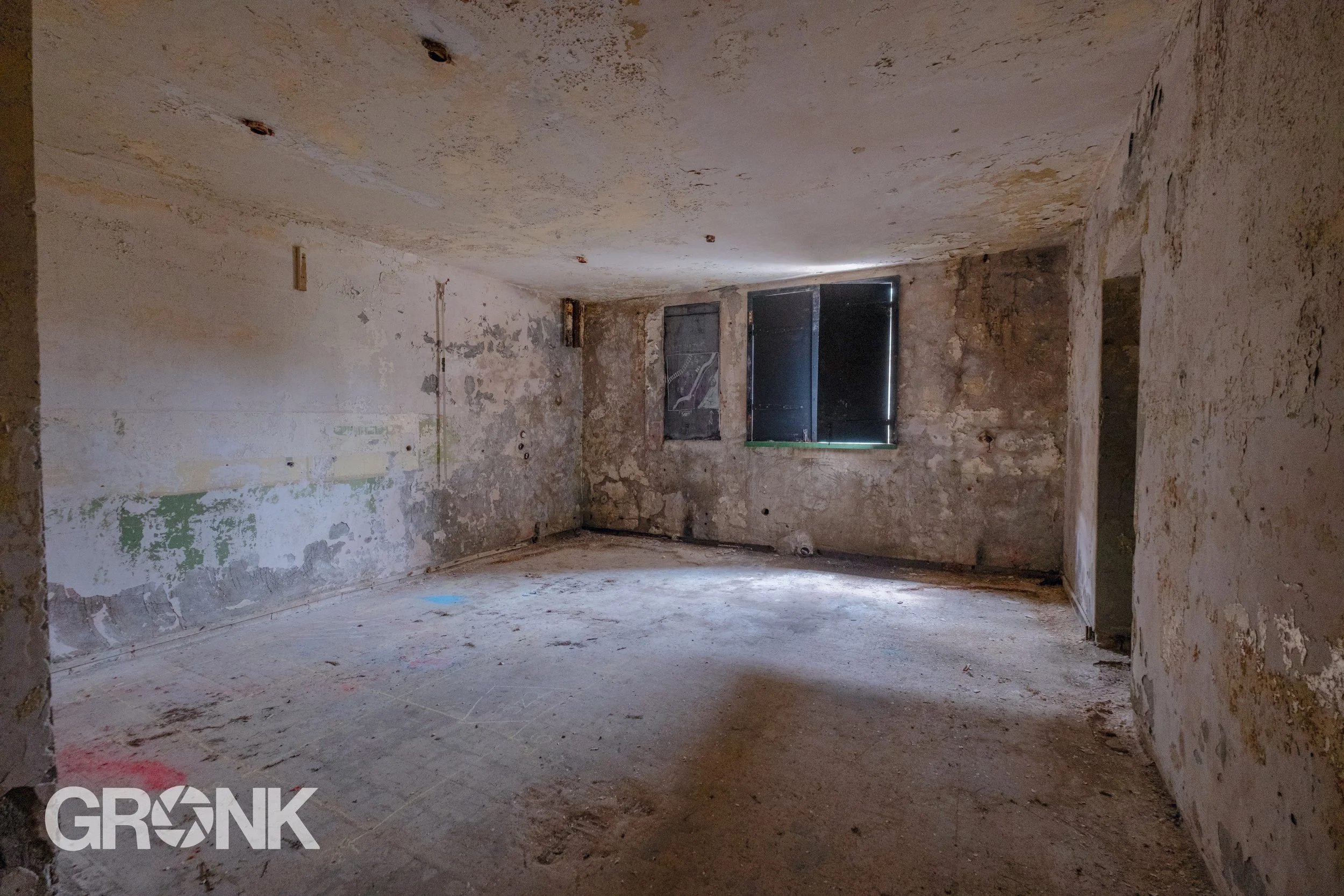
The former Torpedo Testing Facility at Glen Fruin, near Helensburgh, was an important centre for British military research during and after the Second World War. Construction of the main experimental tank began in 1940, as Britain urgently sought better methods of combating German U-boats and improving underwater weapons.
The facility was associated with the Marine Aircraft Experimental Establishment (MAEE), which was based in the Helensburgh area during the war. Its principal purpose was to investigate what happened when bombs, depth charges, torpedoes and other weapons entered the water. At the time, relatively little was understood about the complex behaviour of weapons travelling from air into water and then continuing underwater.
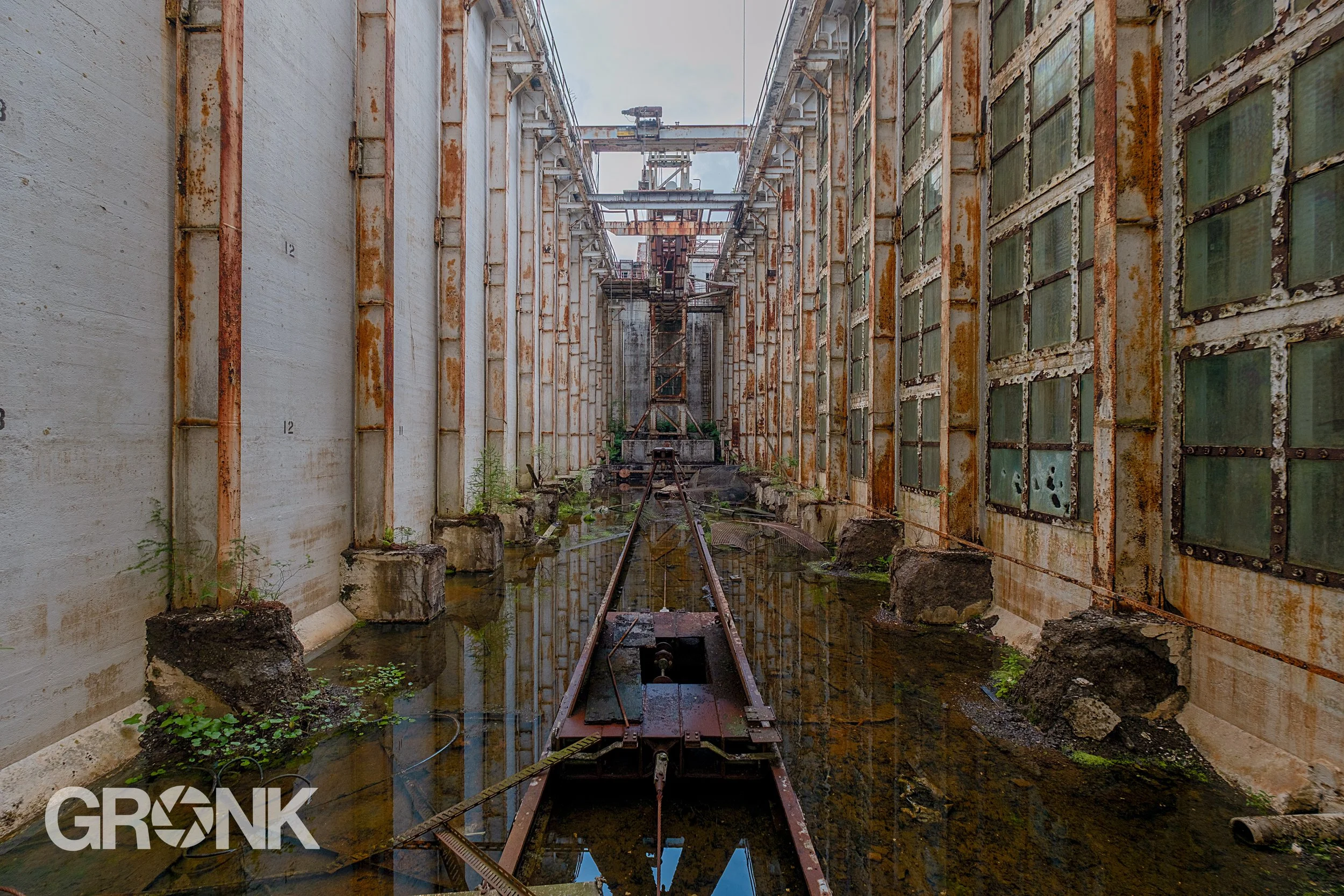
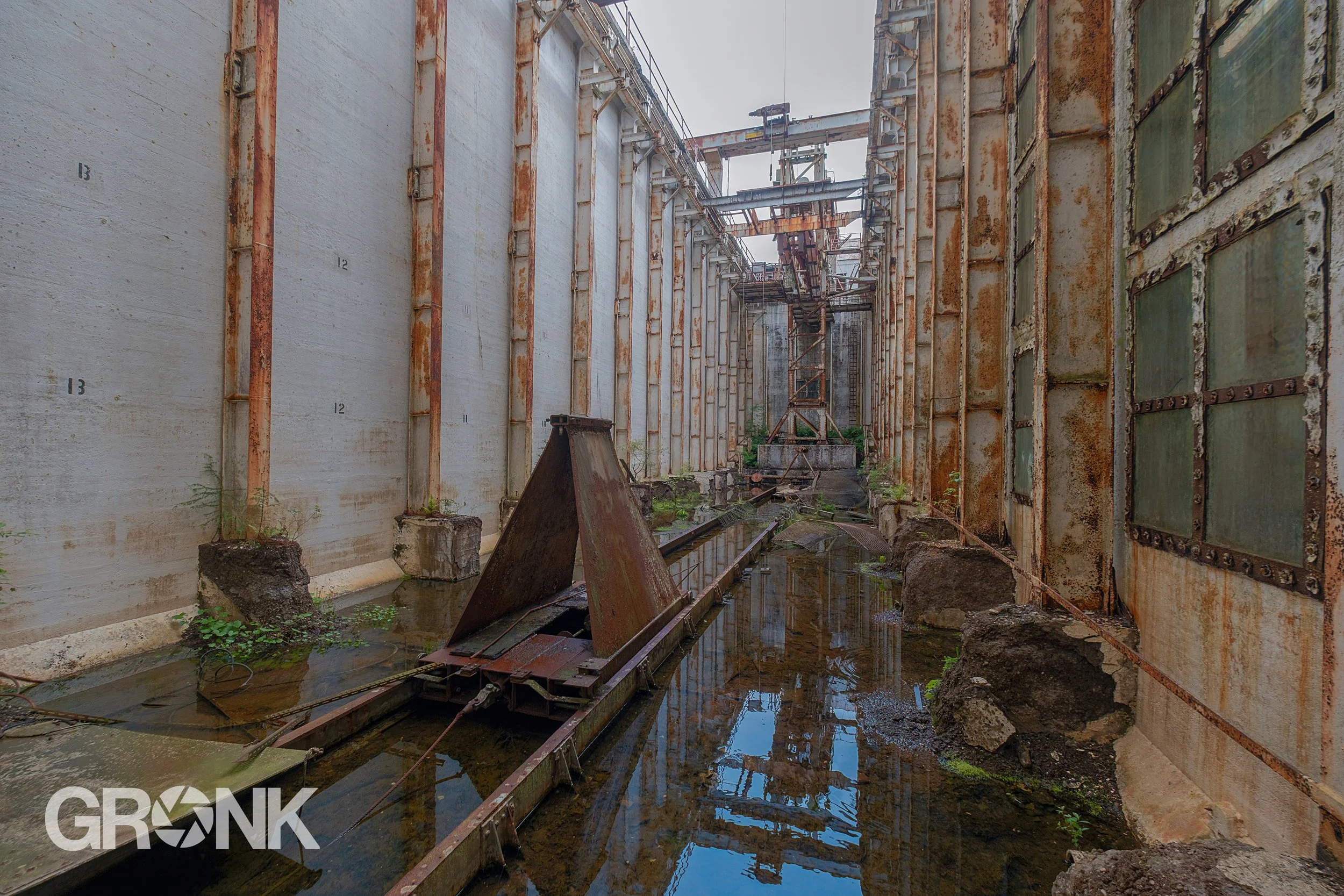
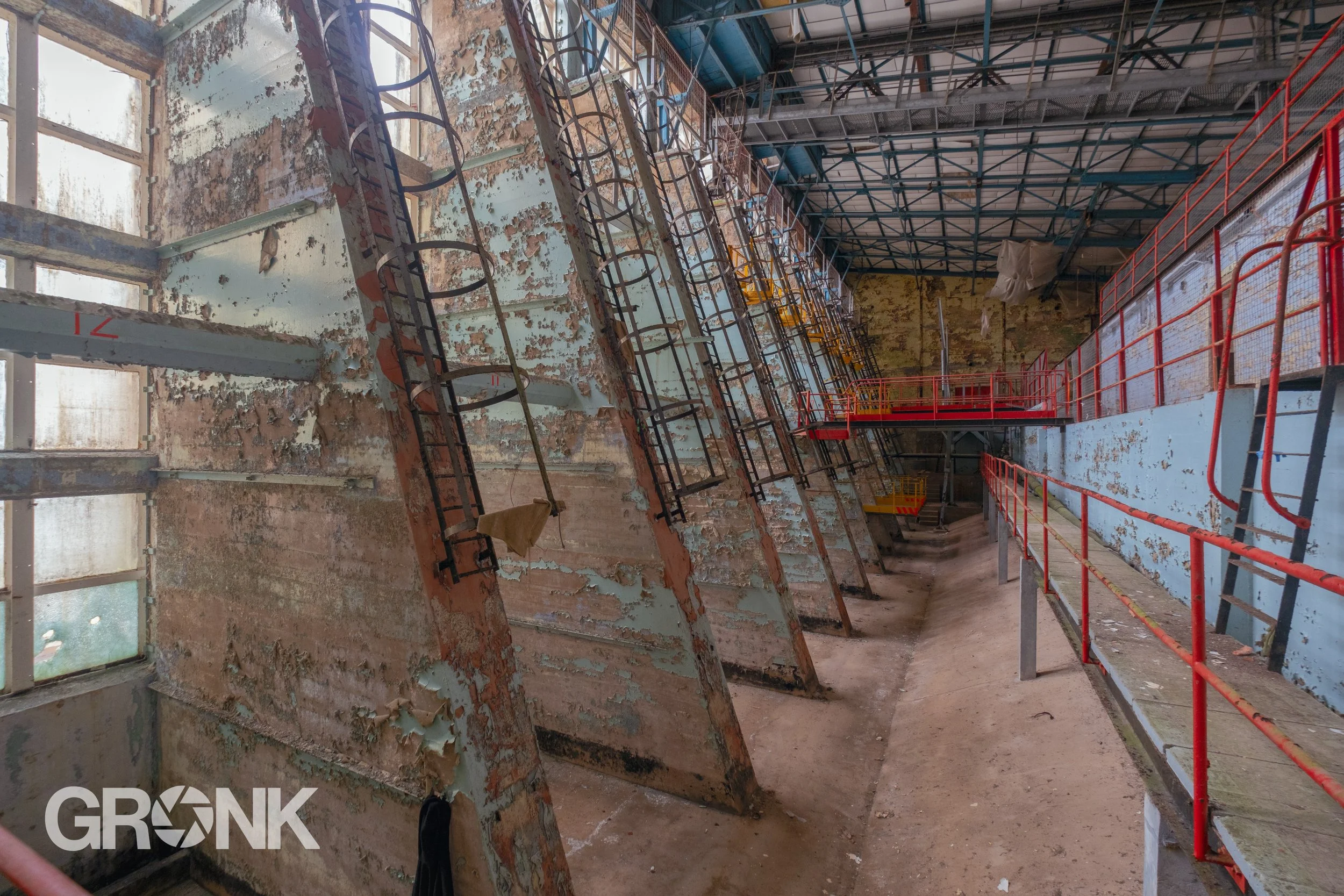
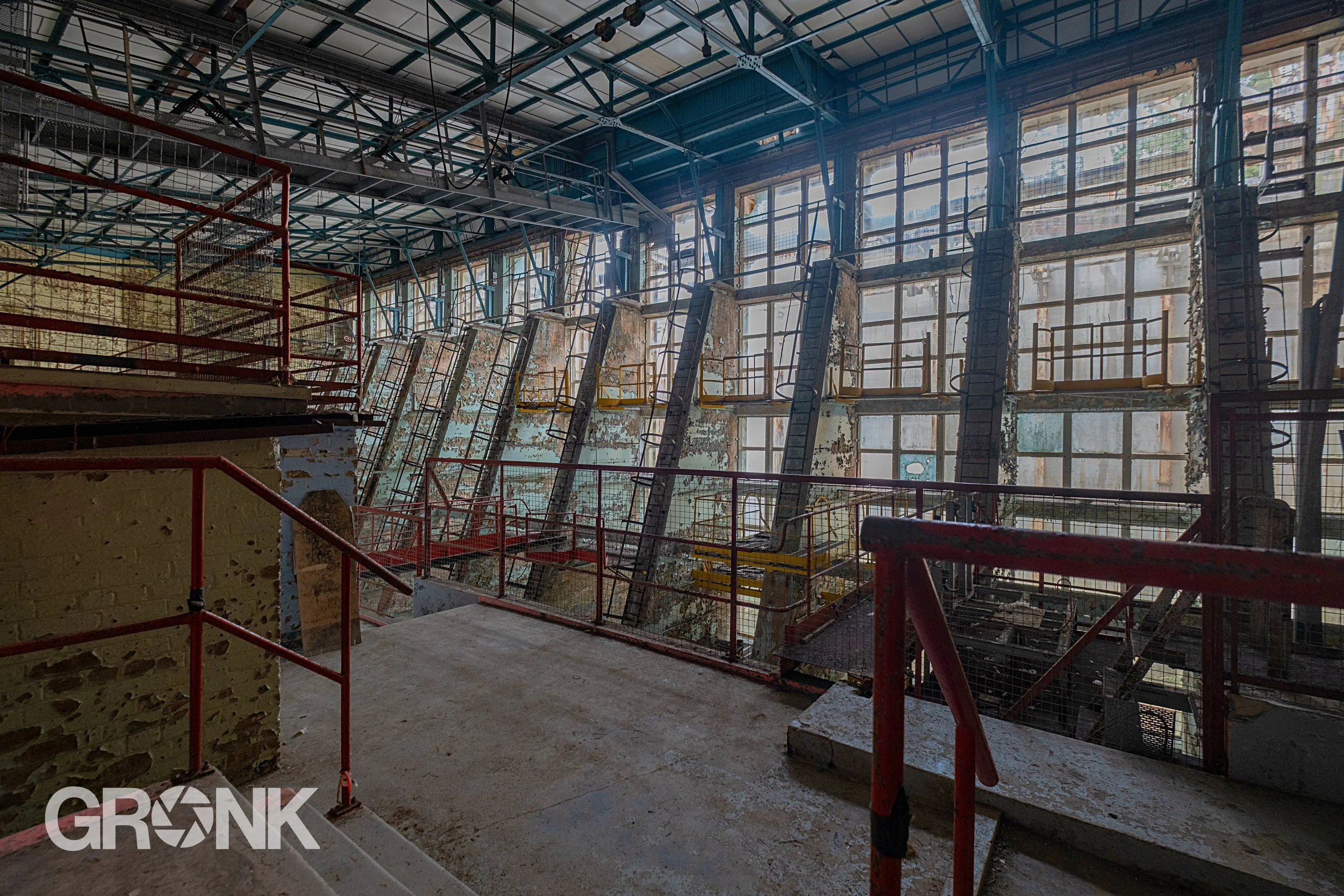
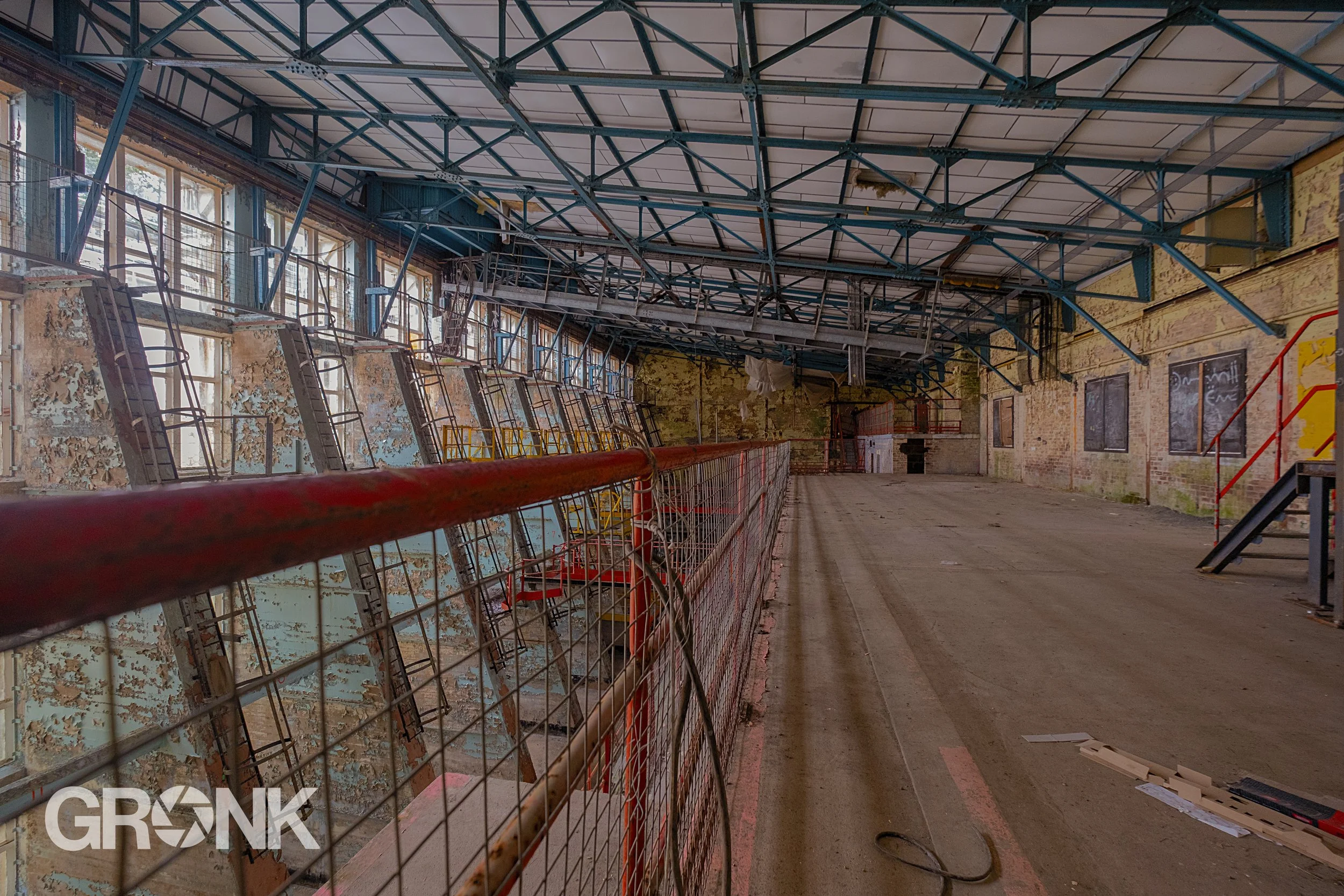
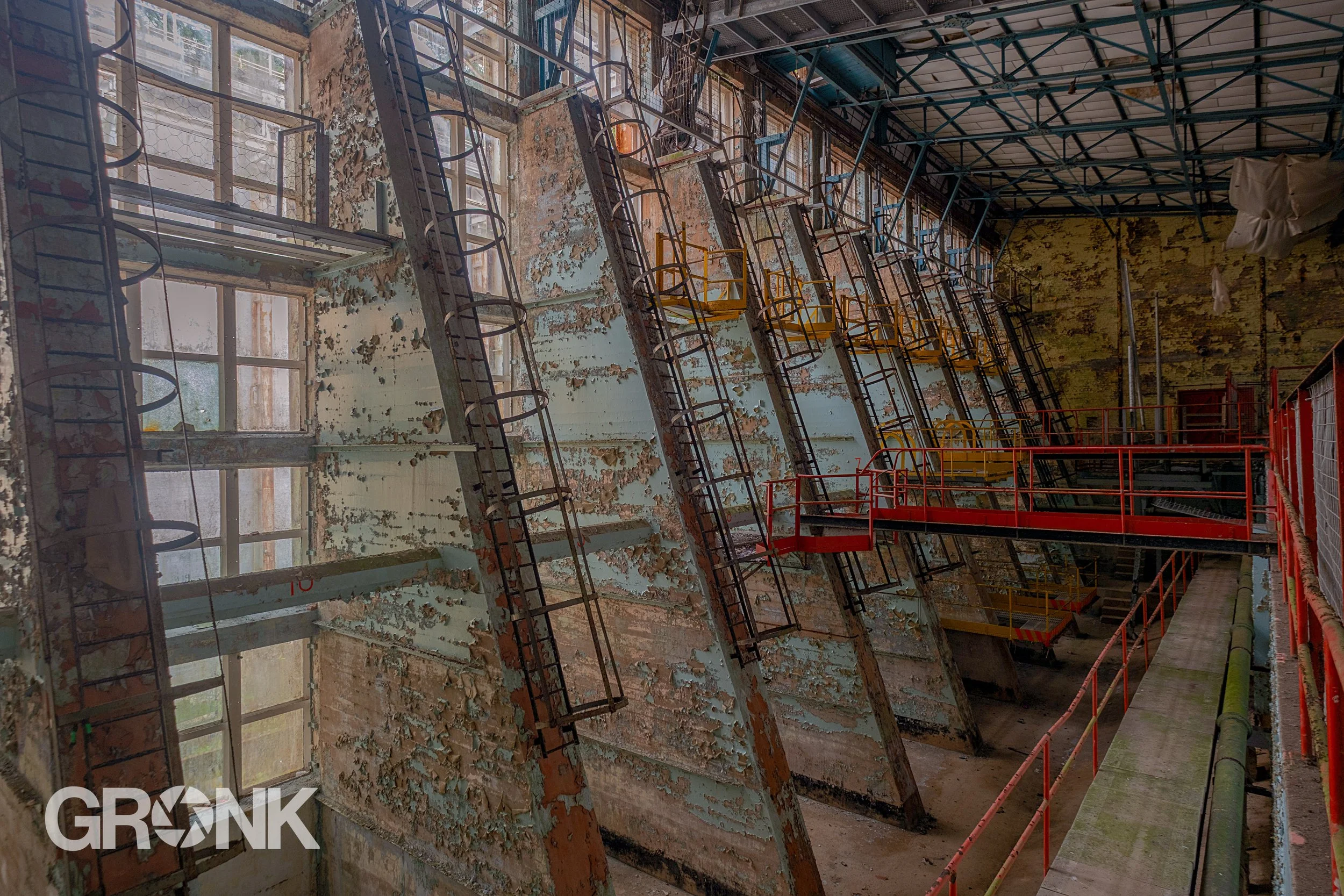
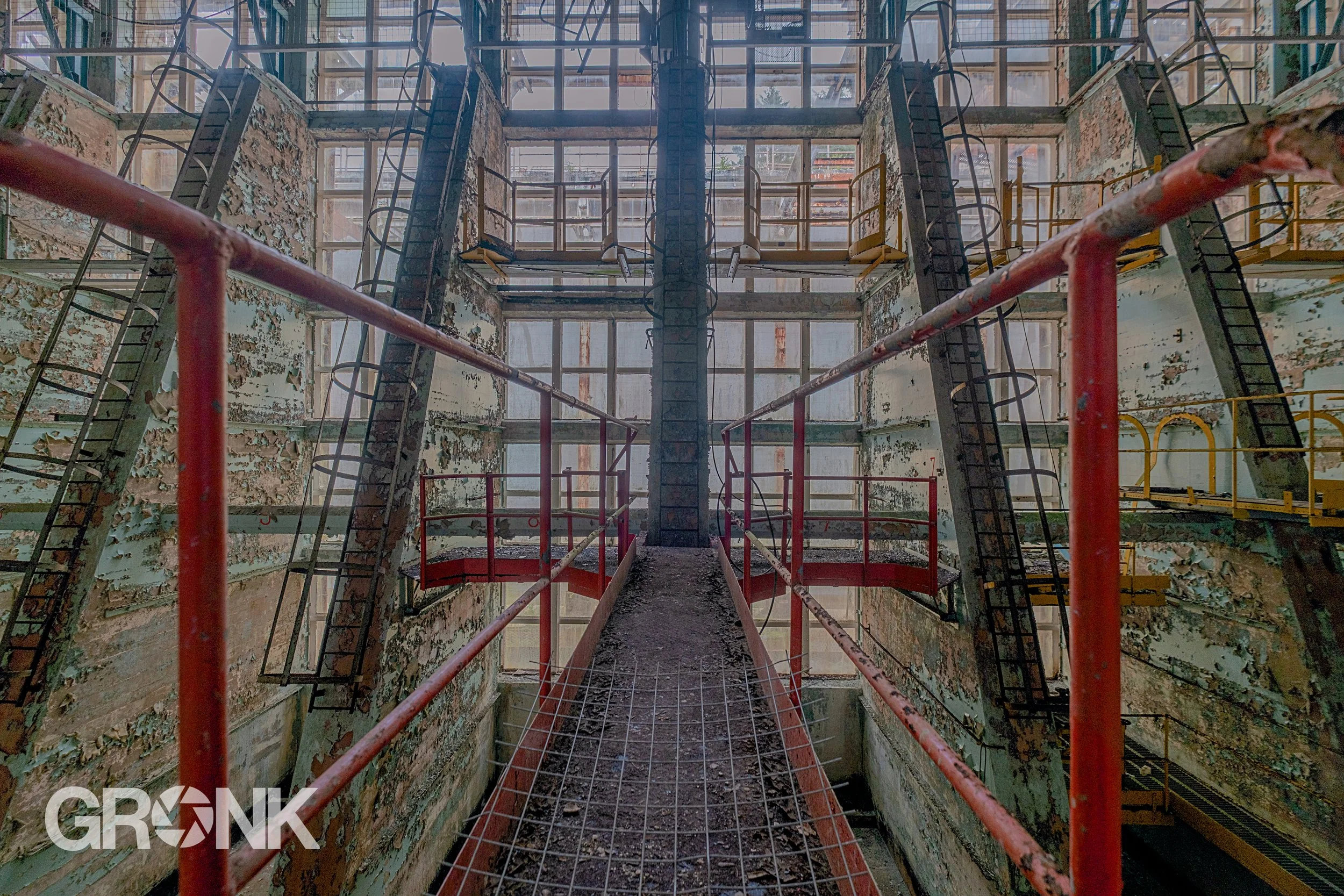
The centrepiece was the enormous Glen Fruin Tank, approximately 46 metres long, 9 metres wide and 12 metres deep, holding around 1,140 cubic metres of water. It incorporated a large observation window that allowed researchers to photograph and study weapons travelling through the water. High-speed photography was particularly important, enabling scientists to examine events occurring in fractions of a second.
Experiments investigated water-entry angles, underwater trajectories, pressures, explosions and the air cavities created by objects entering the water. This work helped improve the accuracy and effectiveness of anti-submarine weapons used by the Royal Navy and Royal Air Force.
Although commonly known as a torpedo testing facility, Glen Fruin had a much wider role. After the war it became associated with the Admiralty Hydro-Ballistic Research Establishment (AHBRE) and continued developing increasingly sophisticated underwater research. Experiments included torpedo systems, underwater launching, parachute deployment, model submarine equipment, sonar-related testing and impact studies.
One particularly unusual area of research was ejection-seat testing. Experiments were carried out using dummies and later involved naval divers in trials designed to understand the problems associated with escaping from aircraft and submarines underwater.
The facility remained active for several decades and was eventually used into the 1980s. Its work subsequently became associated with organisations including QinetiQ before the site became part of the wider Defence Training Estate.
The main tank building was recognised for its historical importance and was listed in 2007. Today, the former facility survives within the military estate and has itself been used for training exercises.
Glen Fruin therefore represents an unusual and significant part of Helensburgh's military heritage. What began as a wartime response to the U-boat threat developed into a major centre for underwater and hydro-ballistic research, contributing to British naval and aviation technology for more than forty years.