Pitchford Hall, Shrewsbury
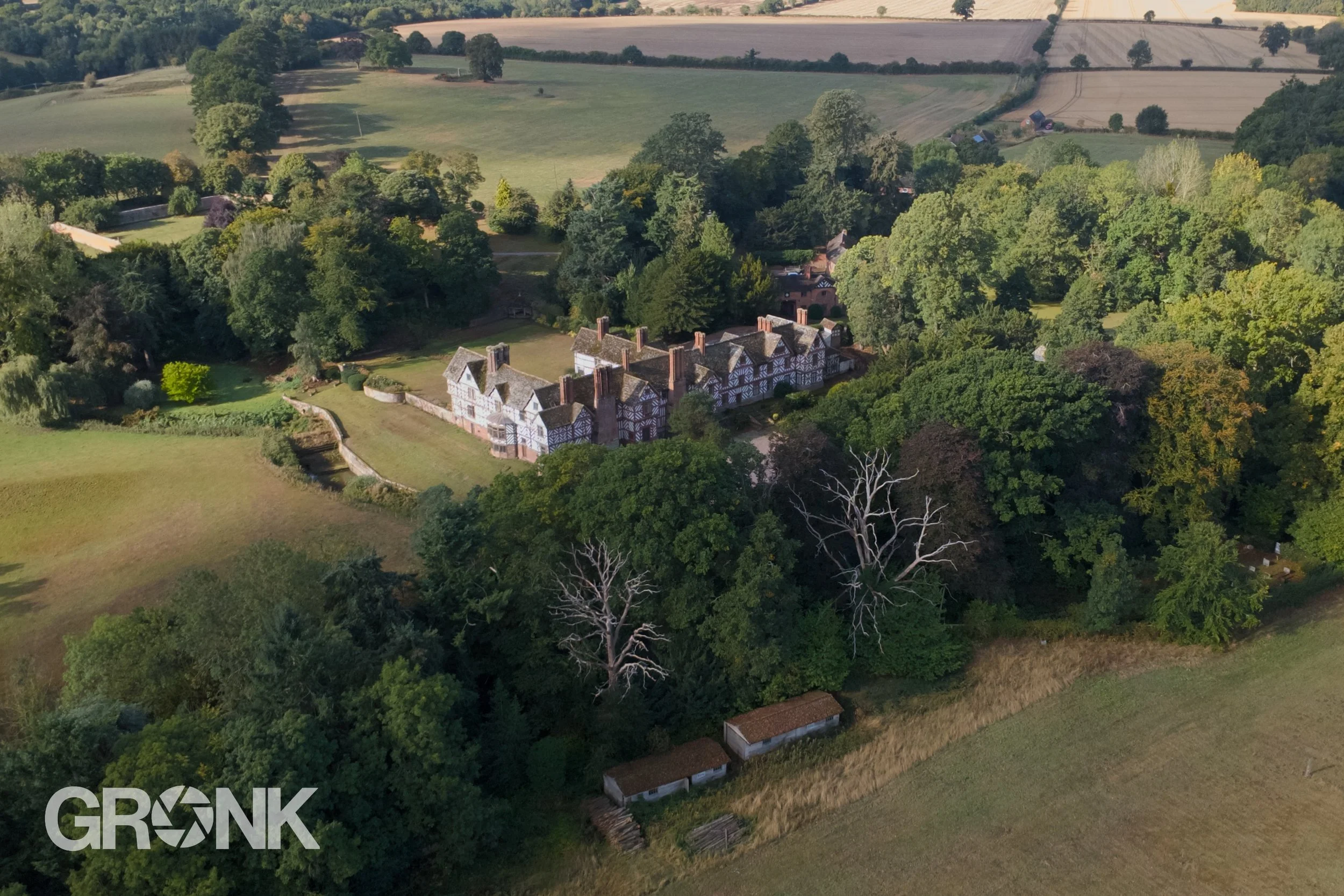
Pitchford Hall is a distinguished Tudor country house near Shrewsbury in Shropshire, renowned as one of England’s finest surviving timber-framed mansions. The estate is recorded in the Domesday Book of 1086, showing that a manor existed on the site by the Norman period. A medieval house stood here from at least the 13th century, and parts of its structure may survive within the present building.
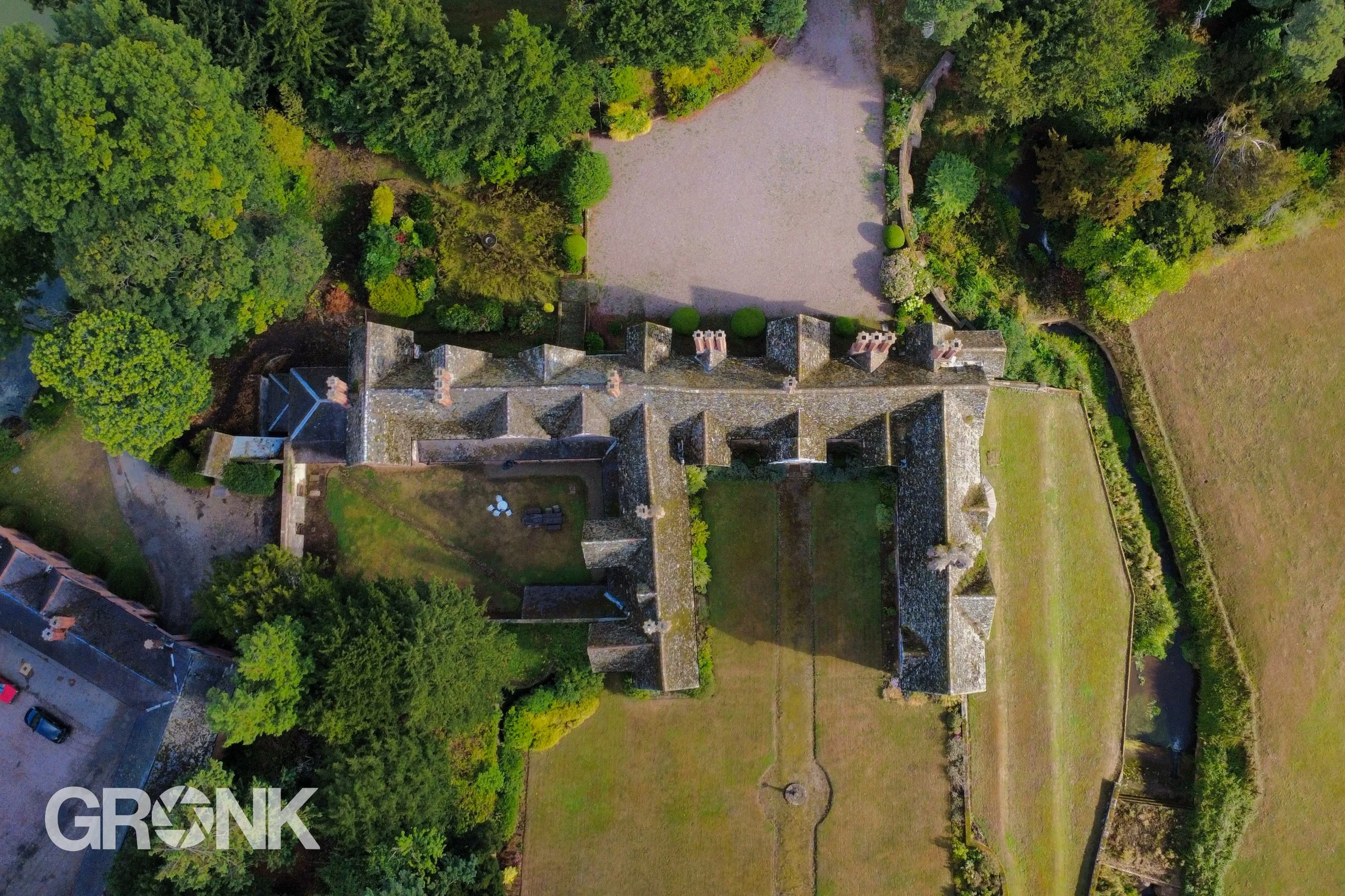
The current Pitchford Hall was constructed around 1560–1570 for Adam Ottley, a wealthy Shrewsbury wool merchant. Built in the Elizabethan style, the house features a striking black-and-white timber frame, elaborate brick chimneys, and an E-shaped plan surrounding a courtyard. Its design reflects both prosperity and status, as well as the craftsmanship of the Tudor period. The Hall remained in the Ottley family for over 250 years.
The name “Pitchford” derives from a nearby natural pitch well, where bitumen seeped to the surface and was historically used for waterproofing timber. The surrounding estate included a deer park, established in the 17th century, and a remarkable tree house built in a large lime tree, believed to be one of the oldest surviving tree houses in the world.
Pitchford Hall has welcomed notable visitors. In 1832, the young Princess Victoria, later Queen Victoria, visited and famously described it in her diary as “striped black and white.” During the Second World War, the Hall was designated as a potential refuge for the Royal Family in the event of invasion.
After passing through several families and undergoing Victorian restoration work in the 19th century, the Hall fell into decline and was sold in 1992. In 2016, it was repurchased by descendants of former owners, who began an extensive restoration.
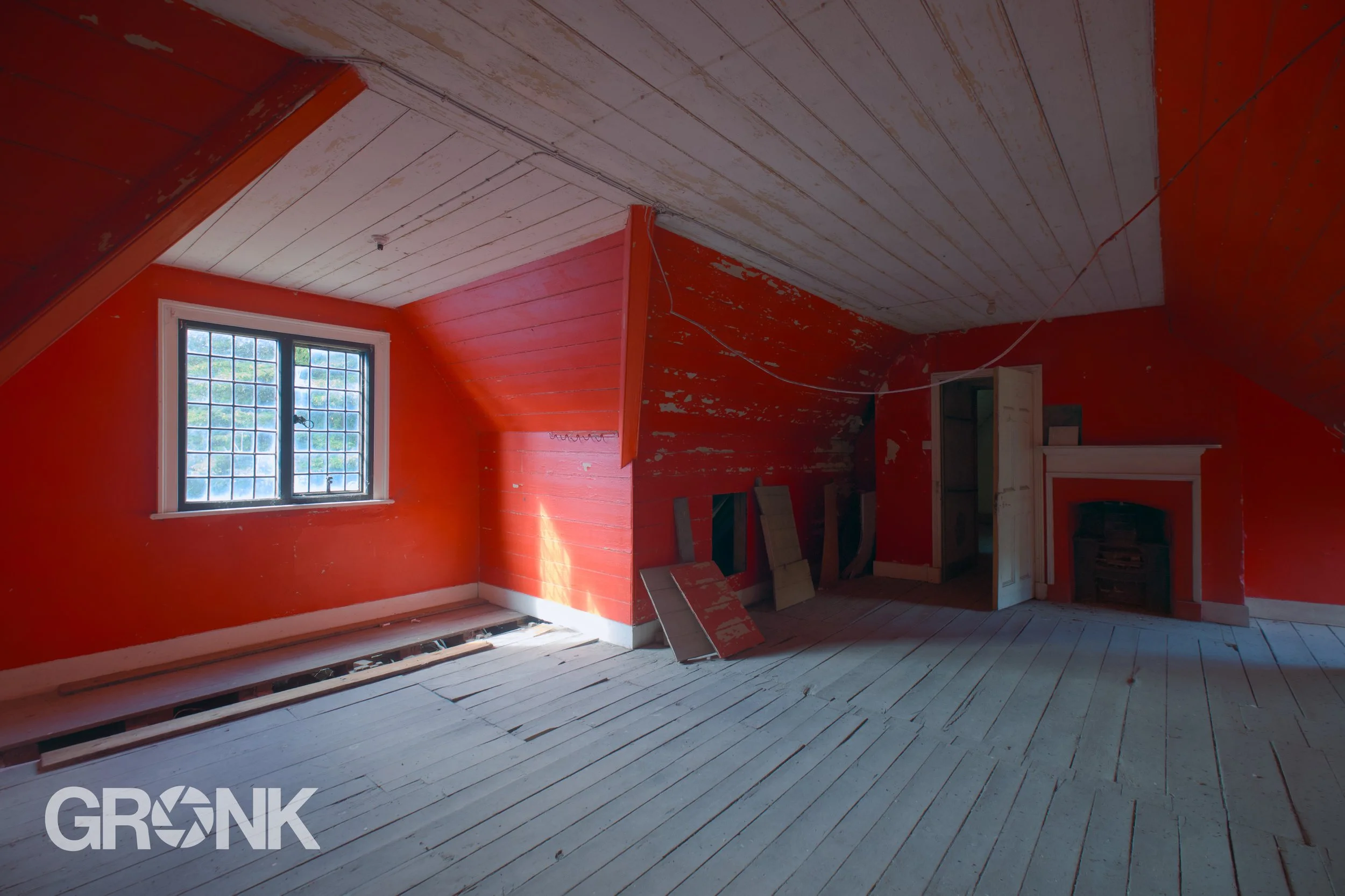
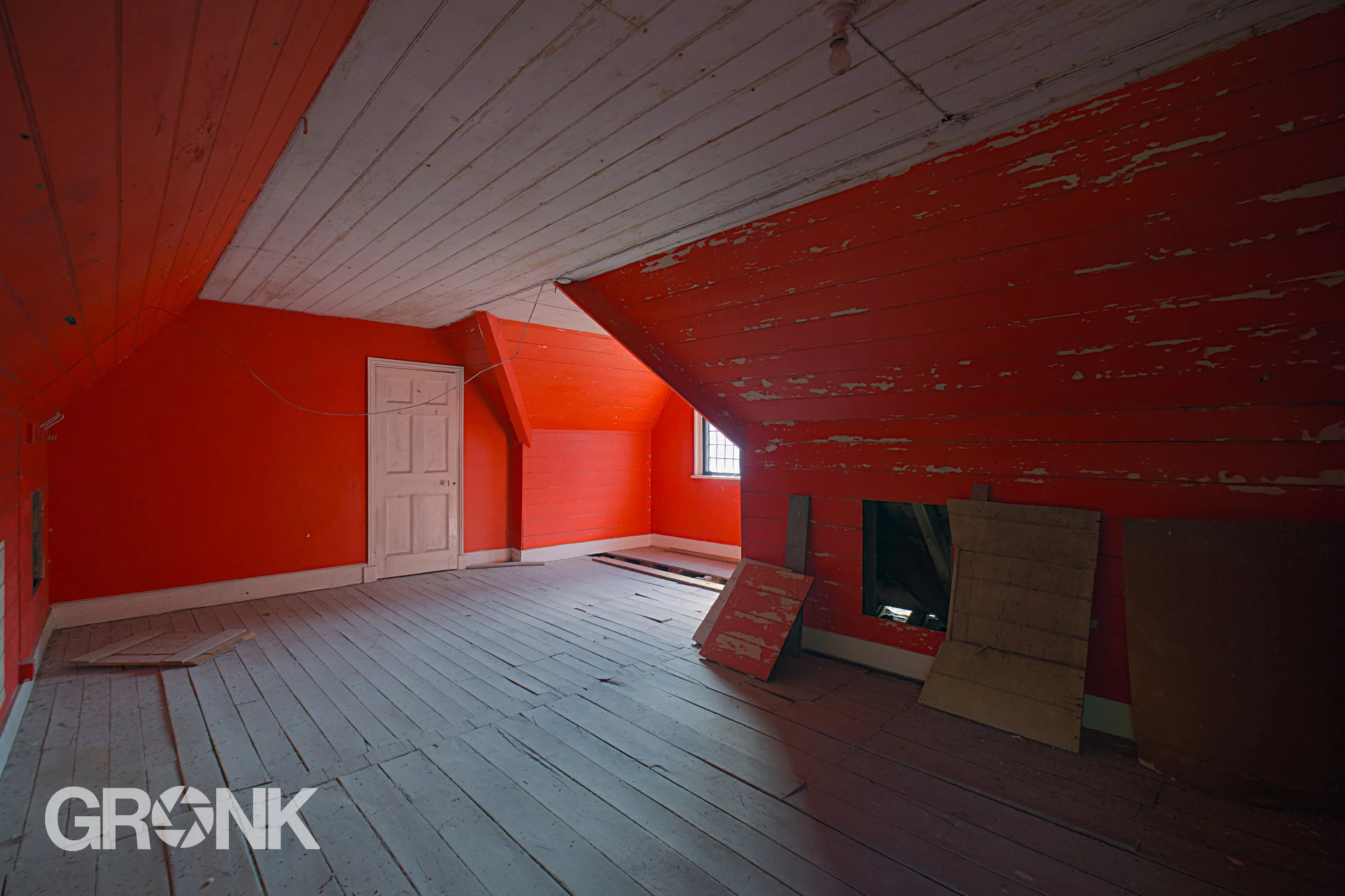
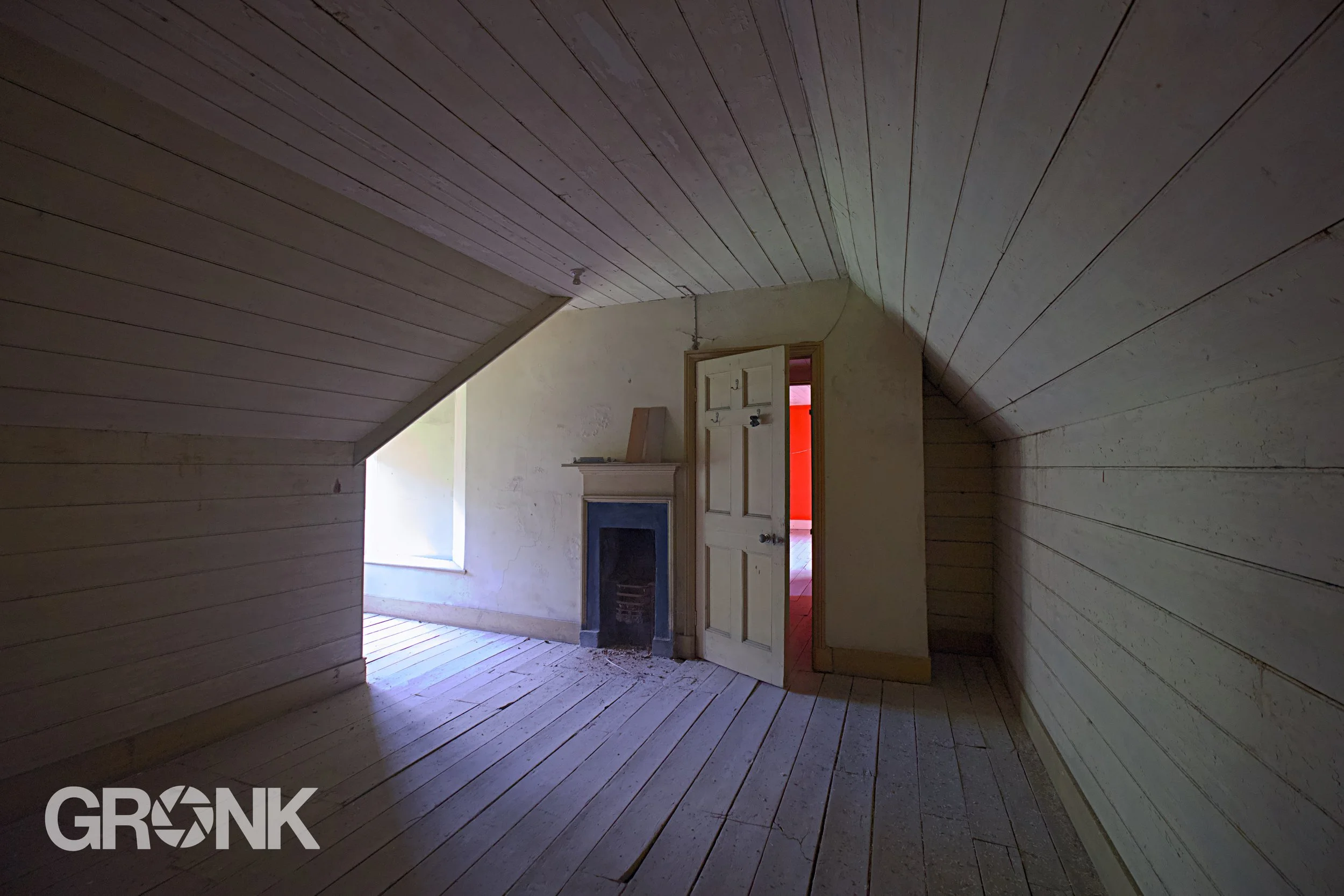
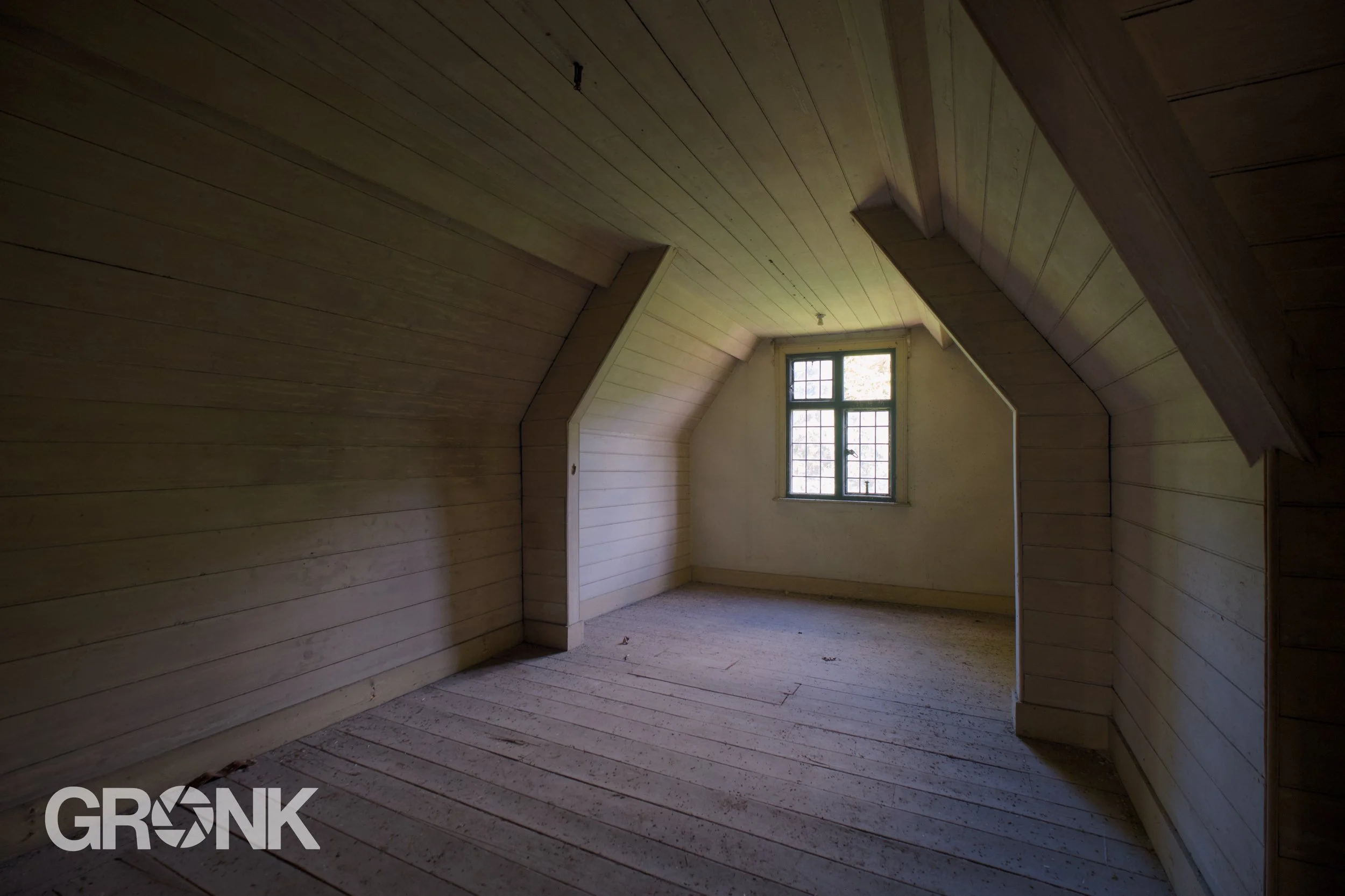
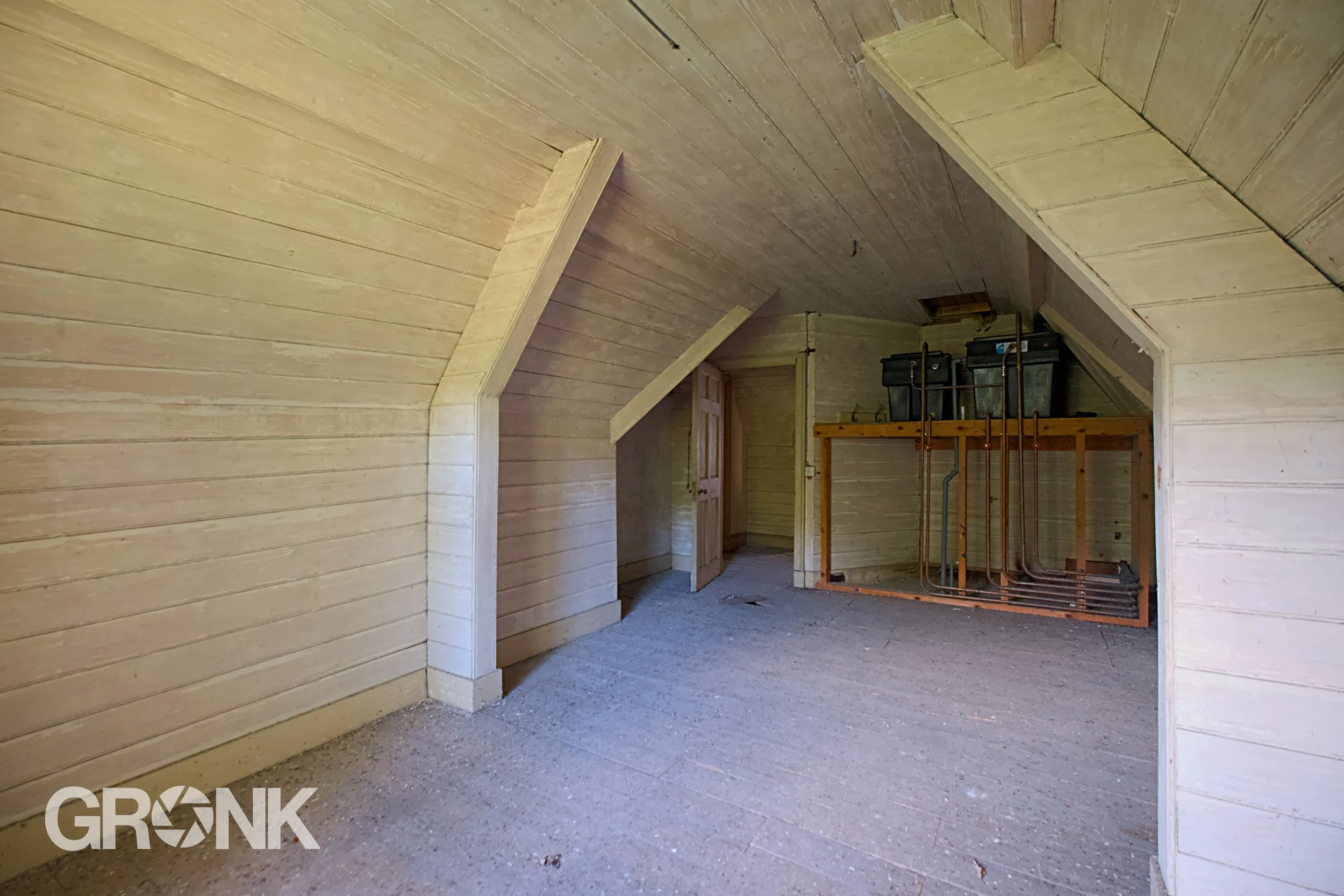
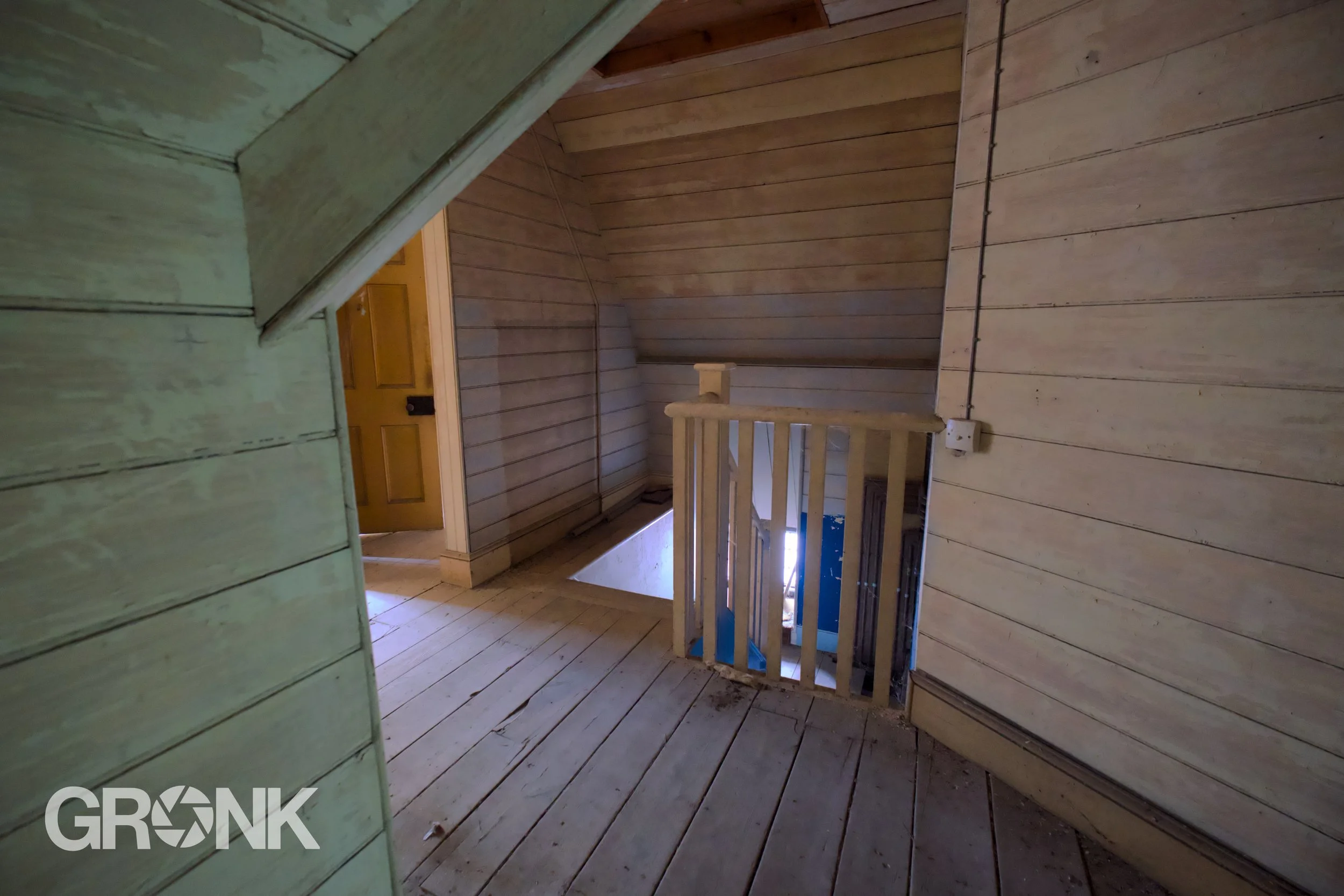
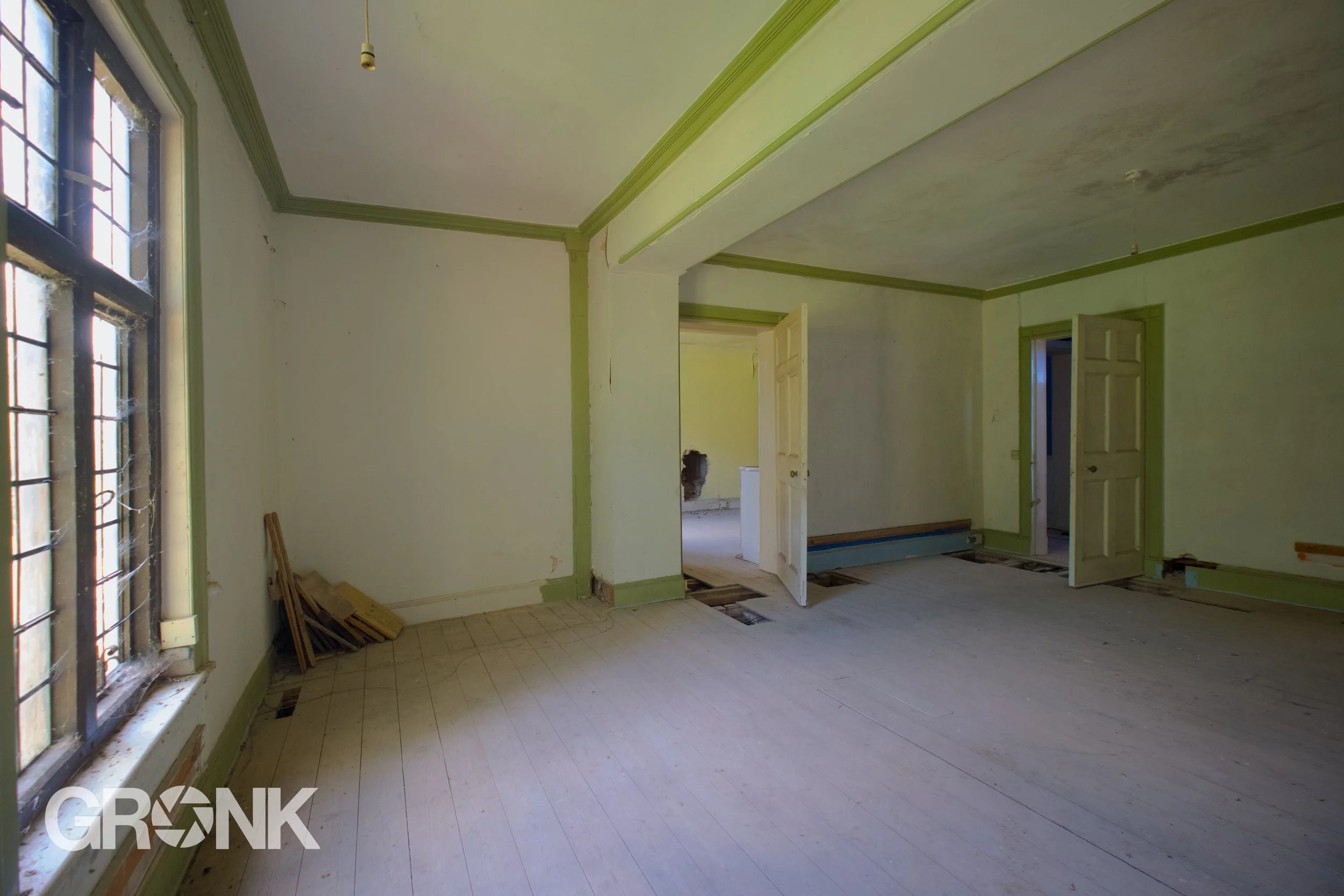
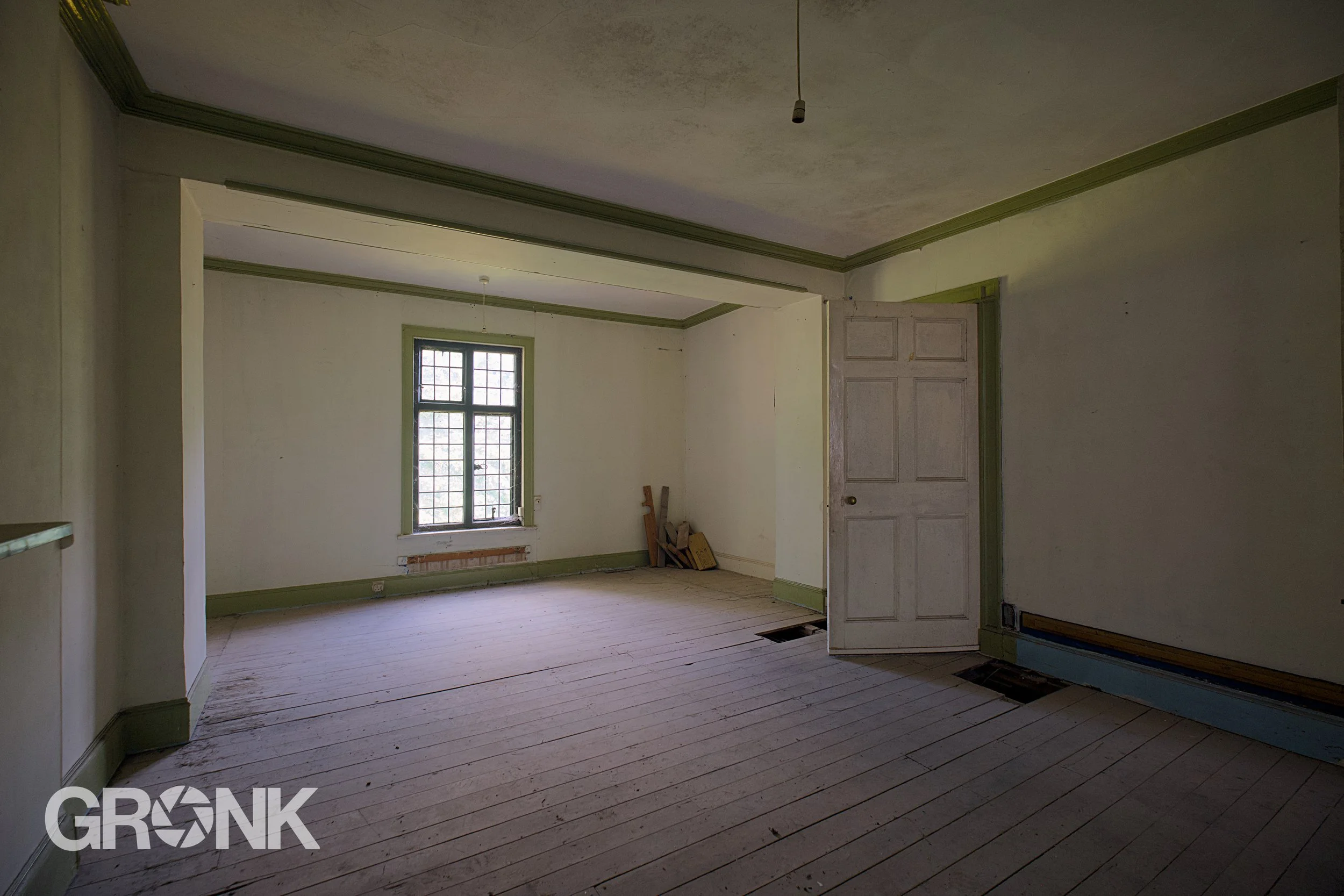
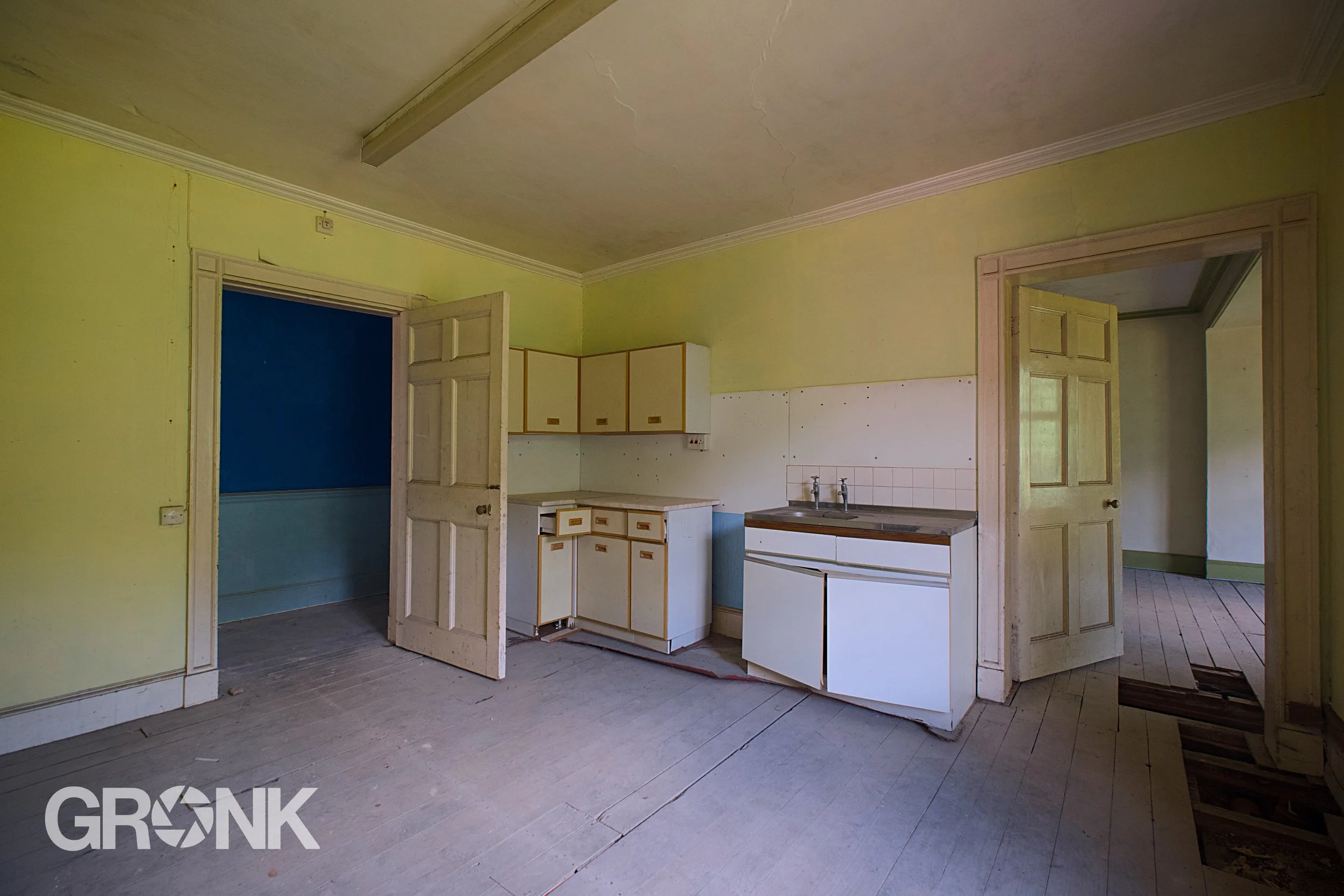
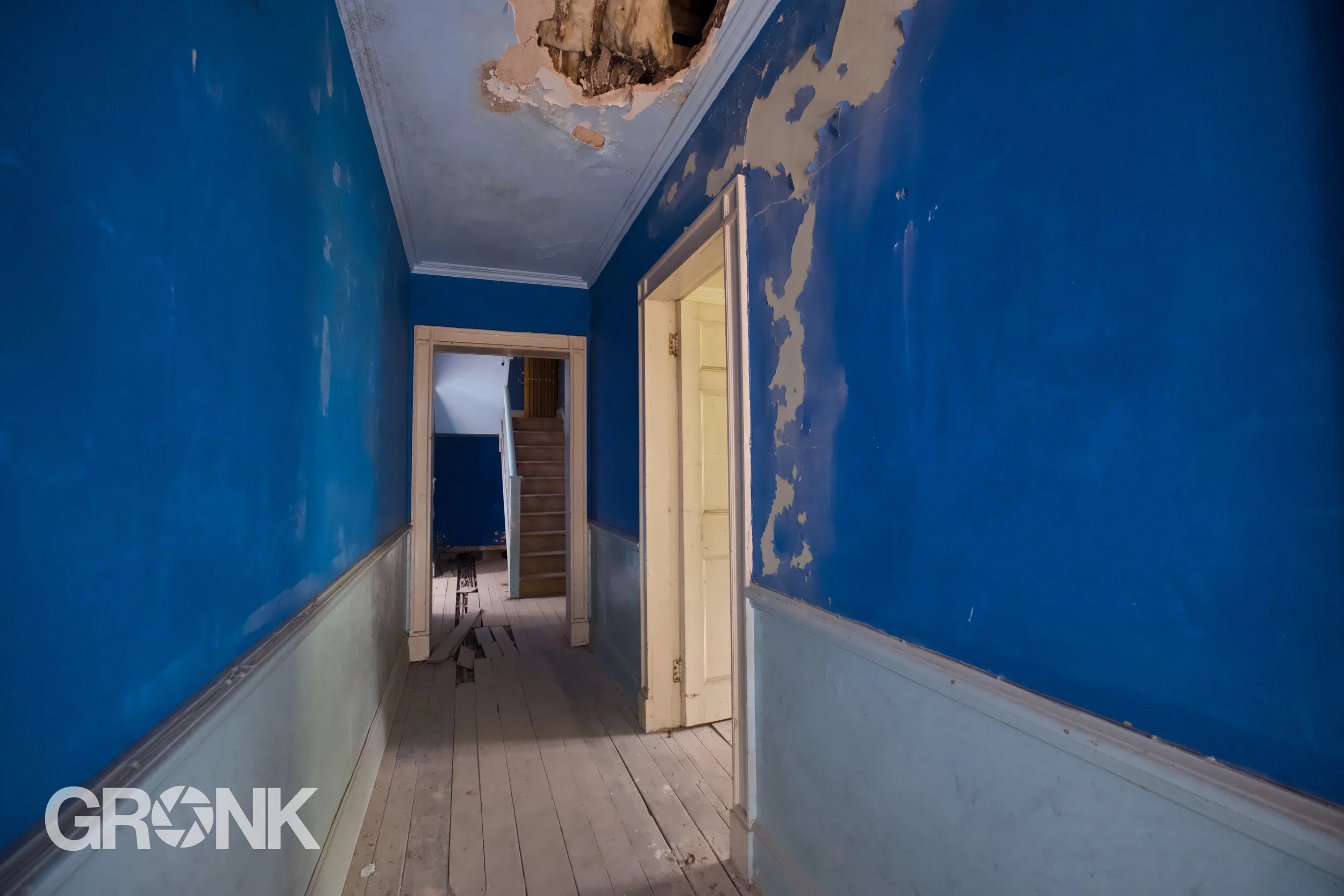
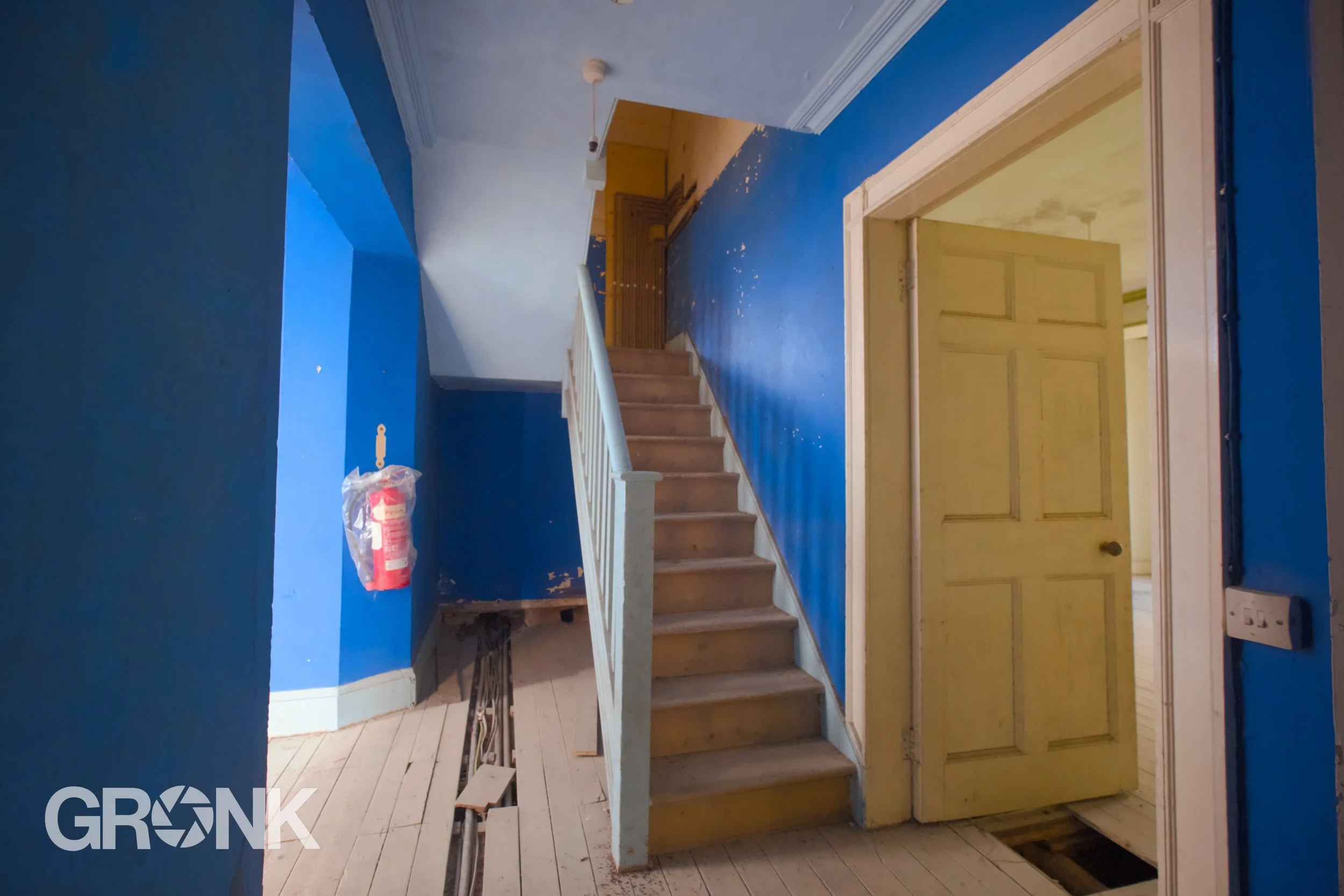
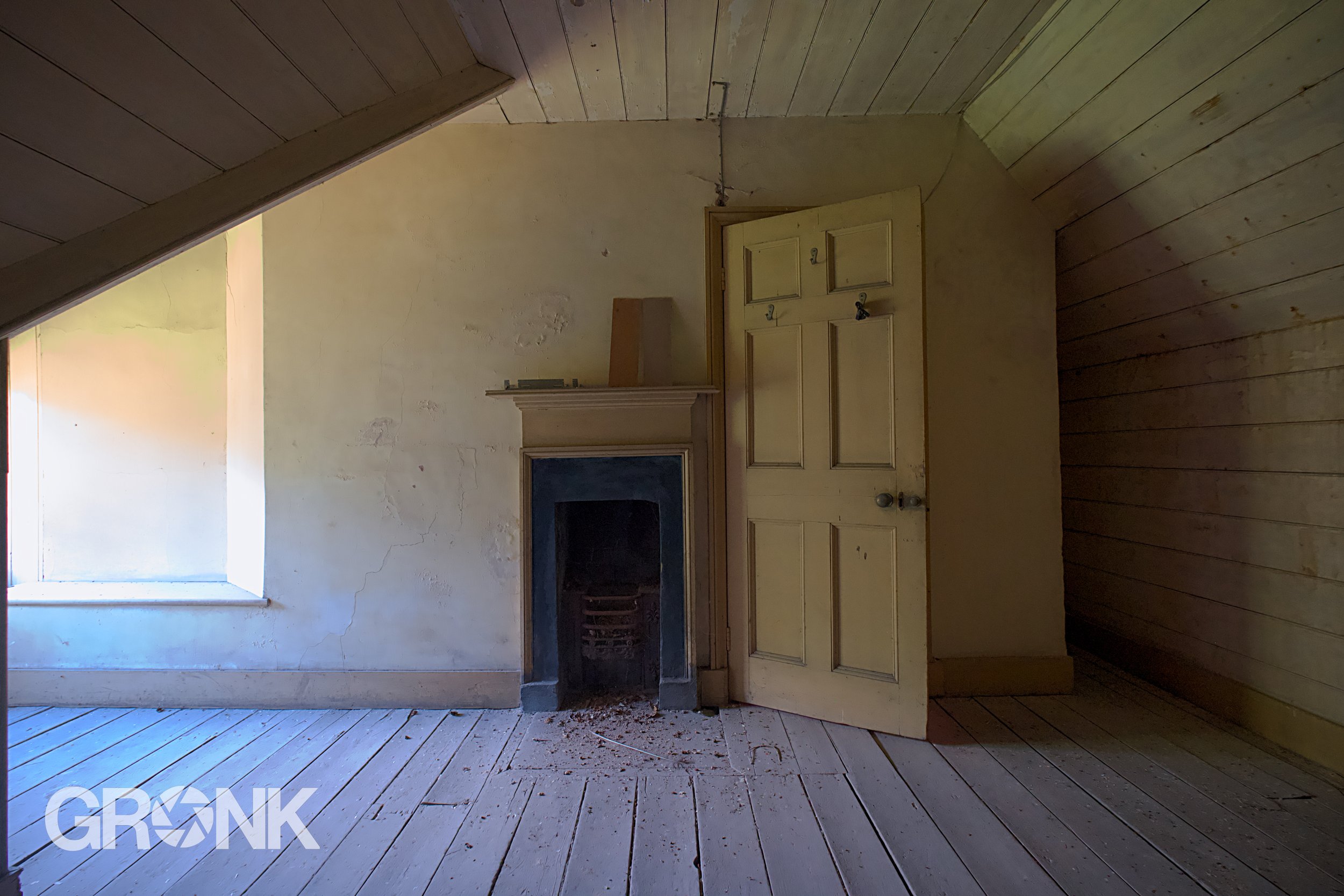
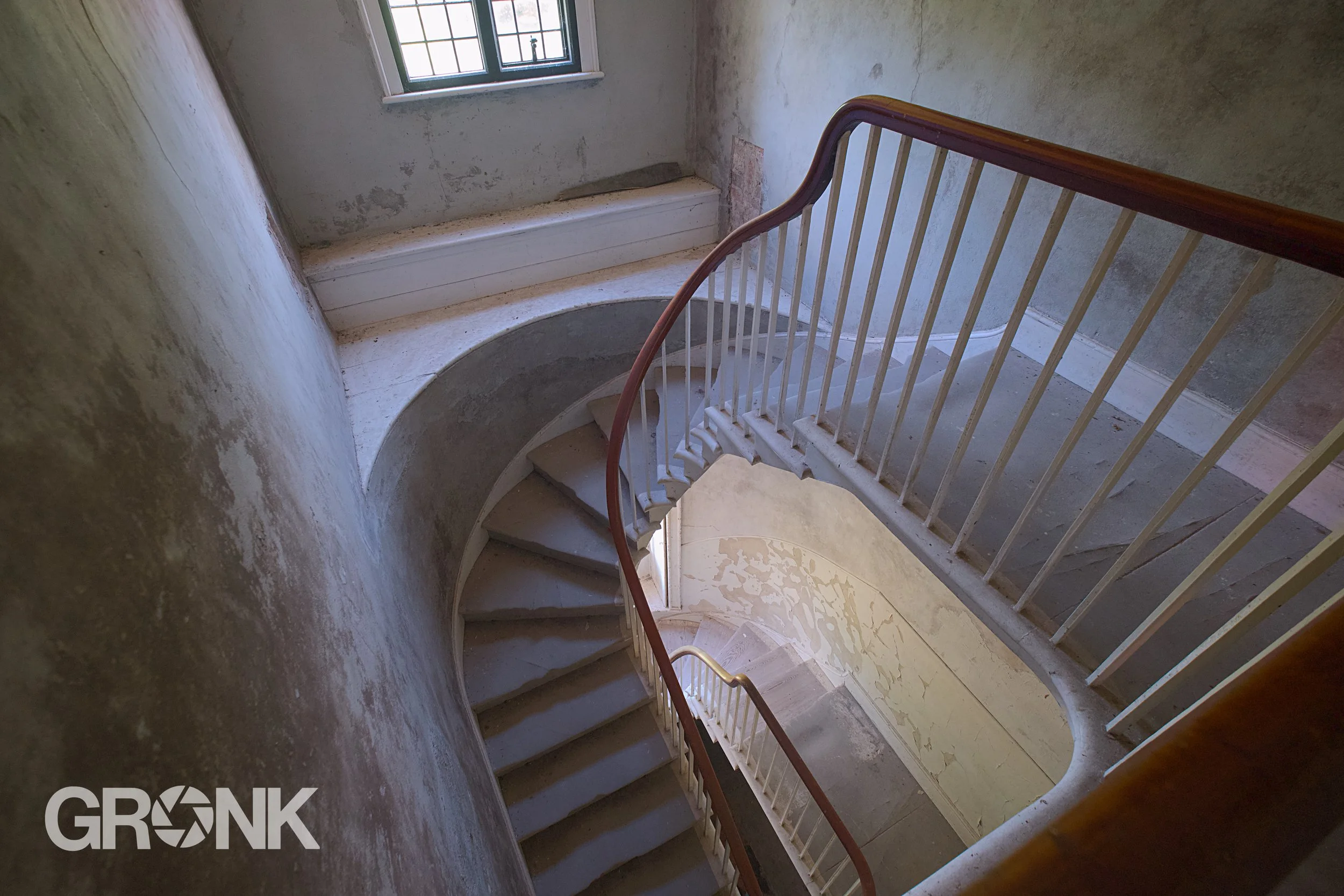
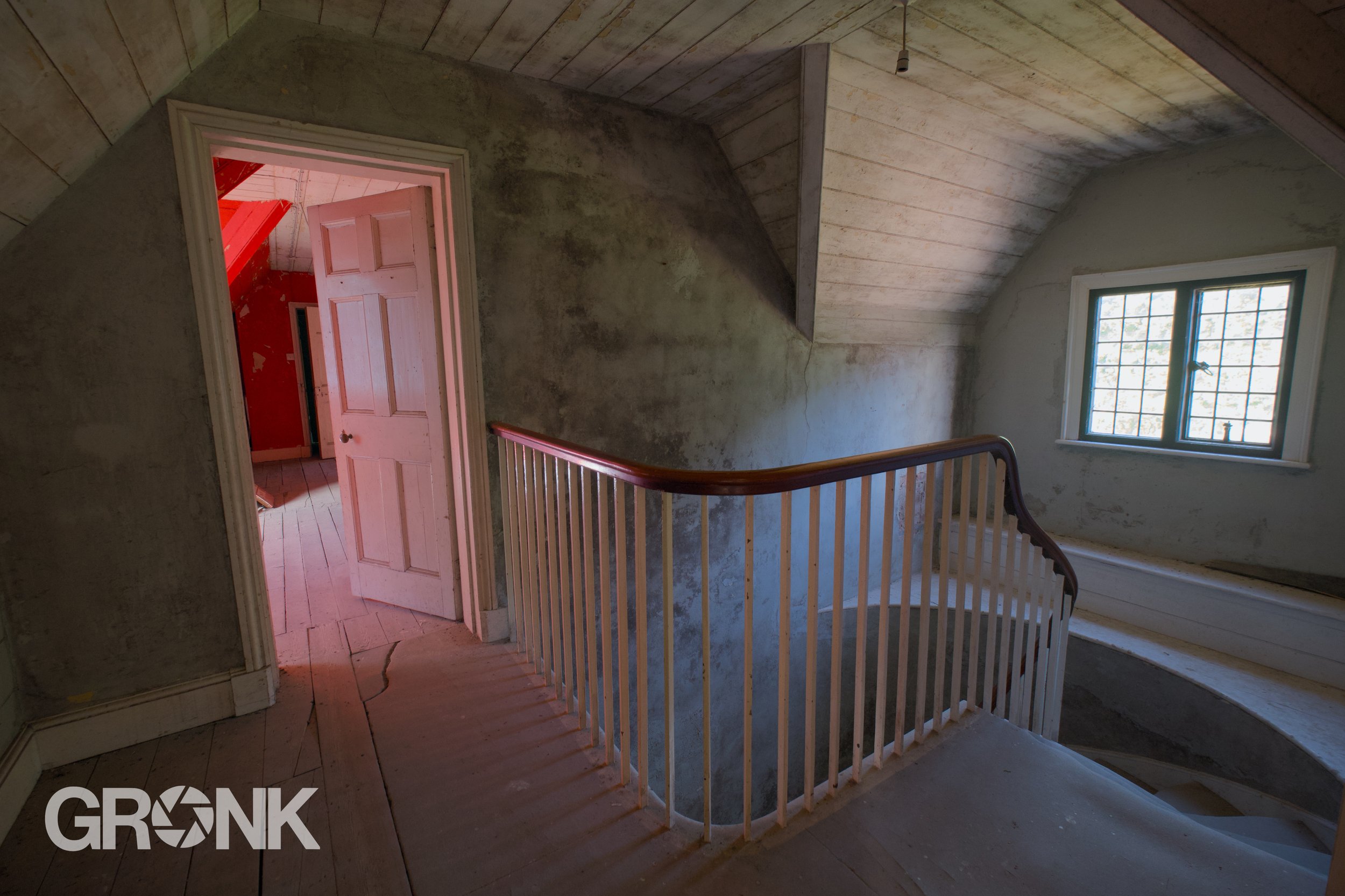
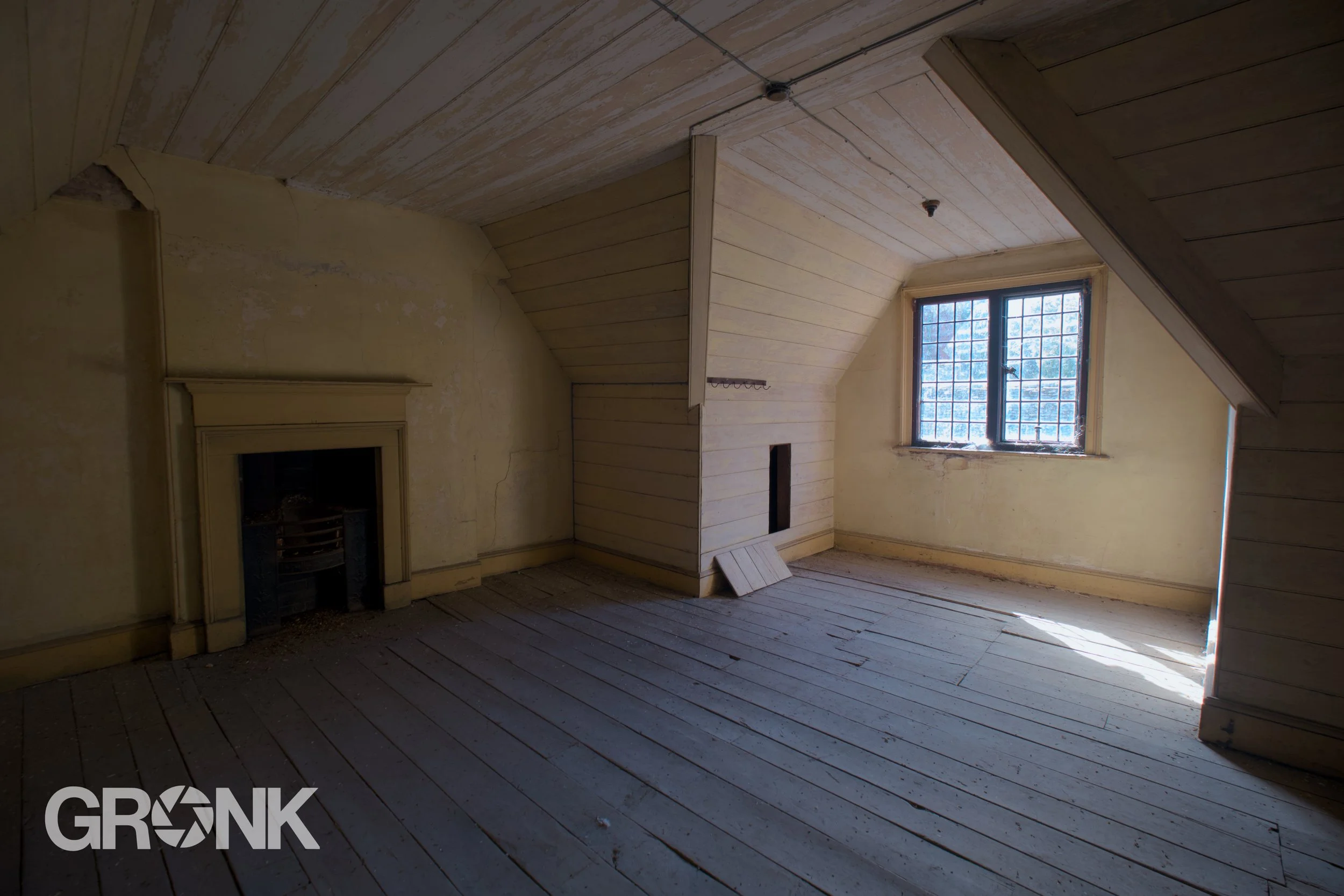
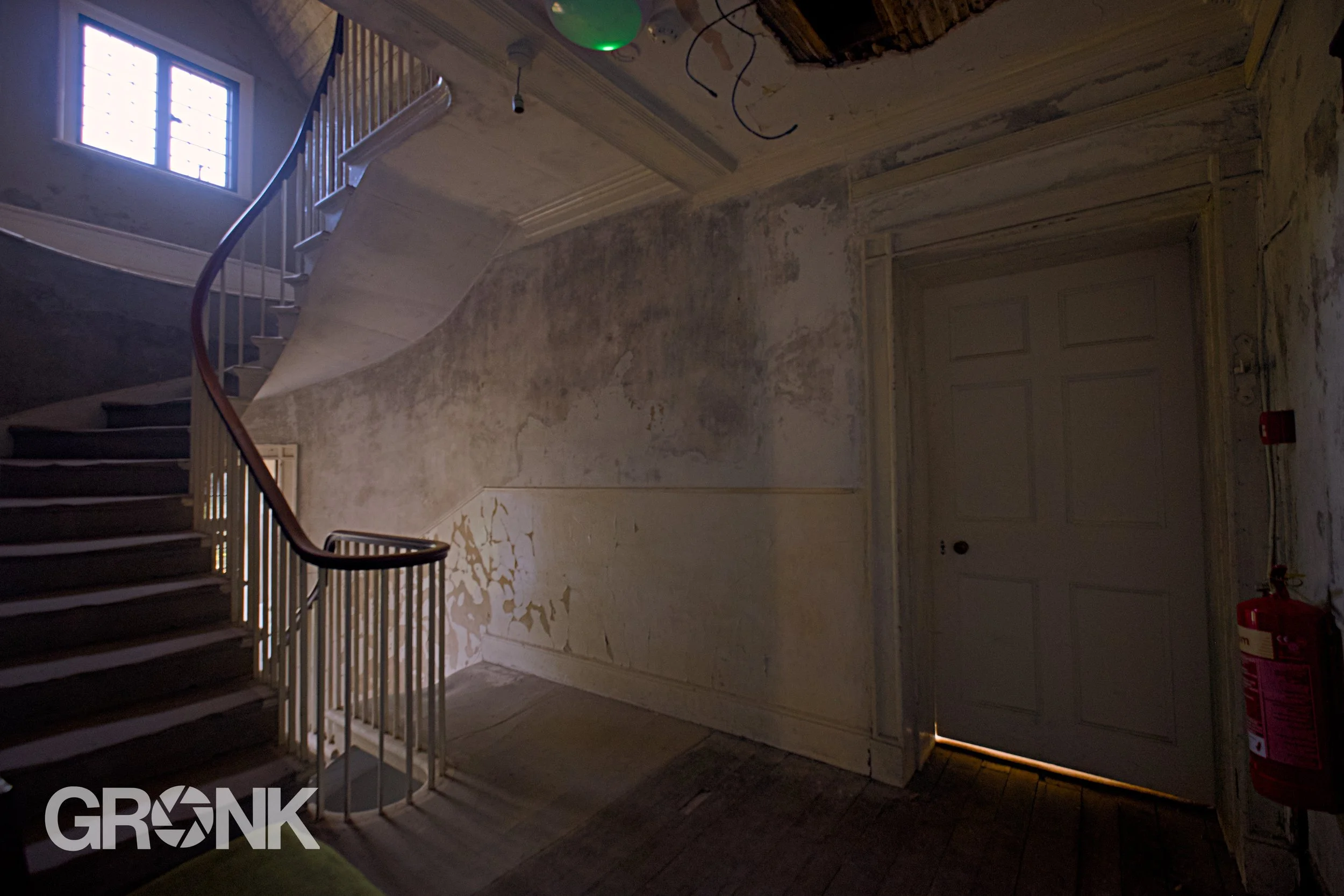
At the time of my visit, part of the main hall was under restoration; consequently, my photographs feature only the unrestored areas of the building.
Main Hall

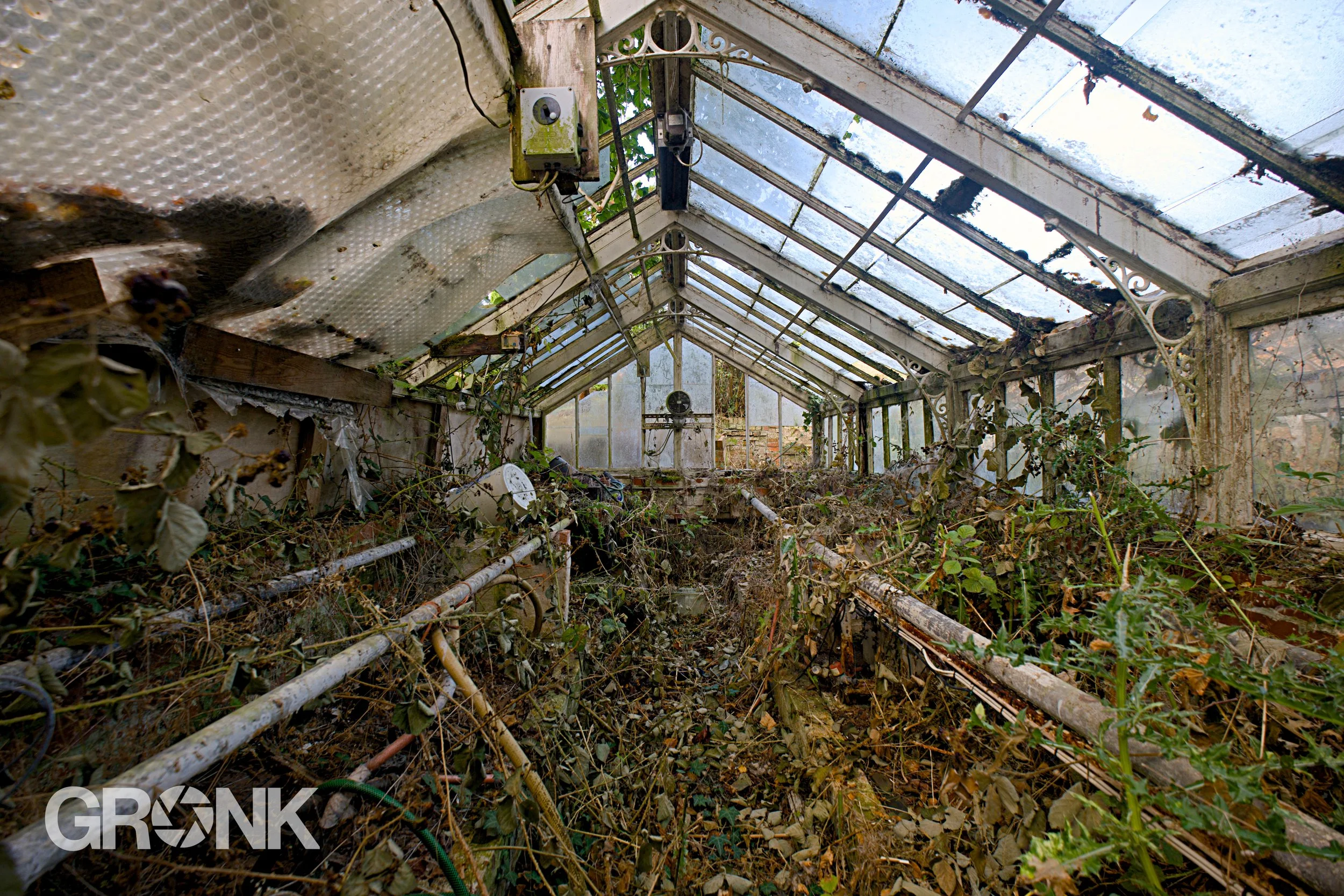
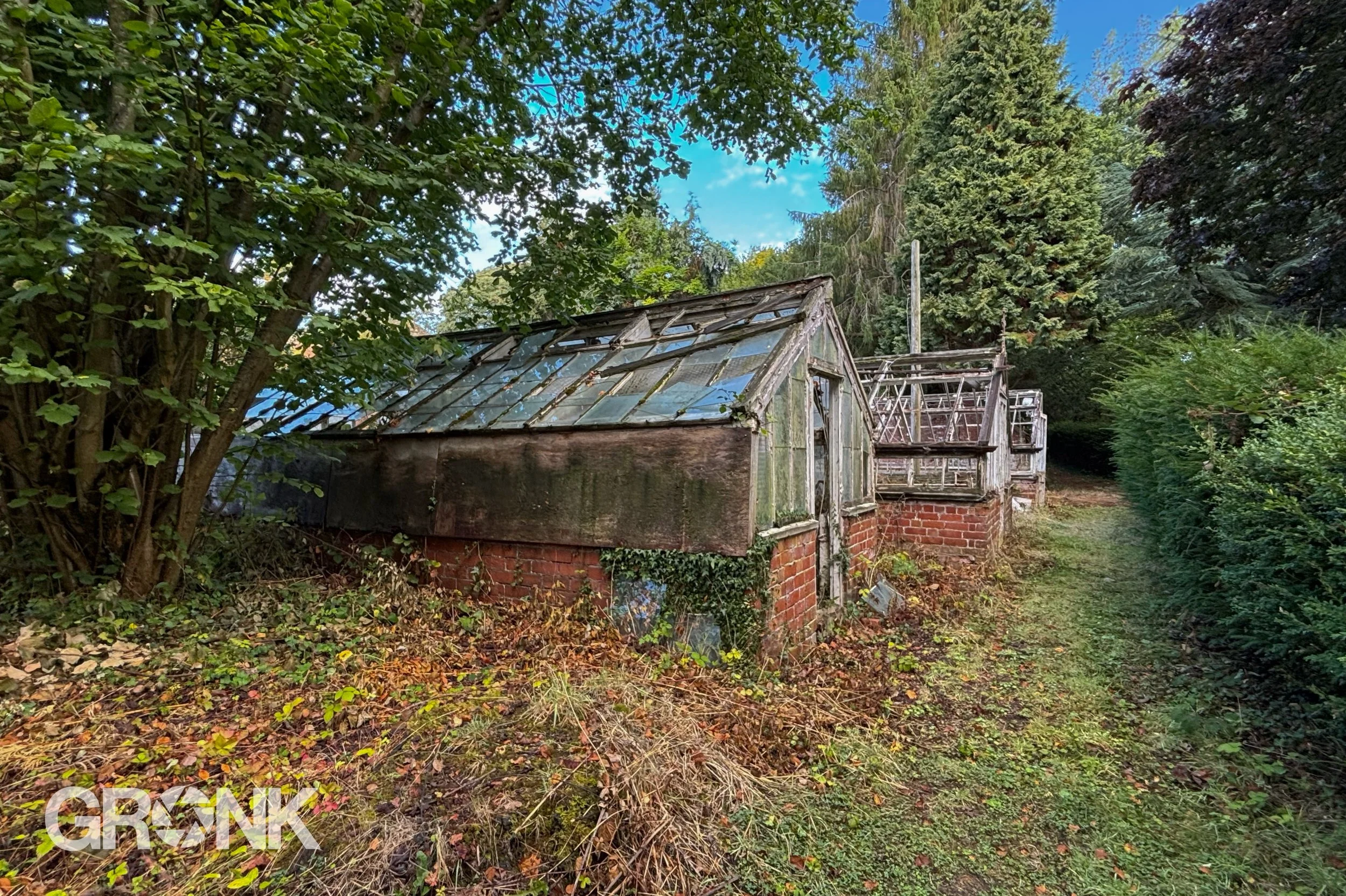
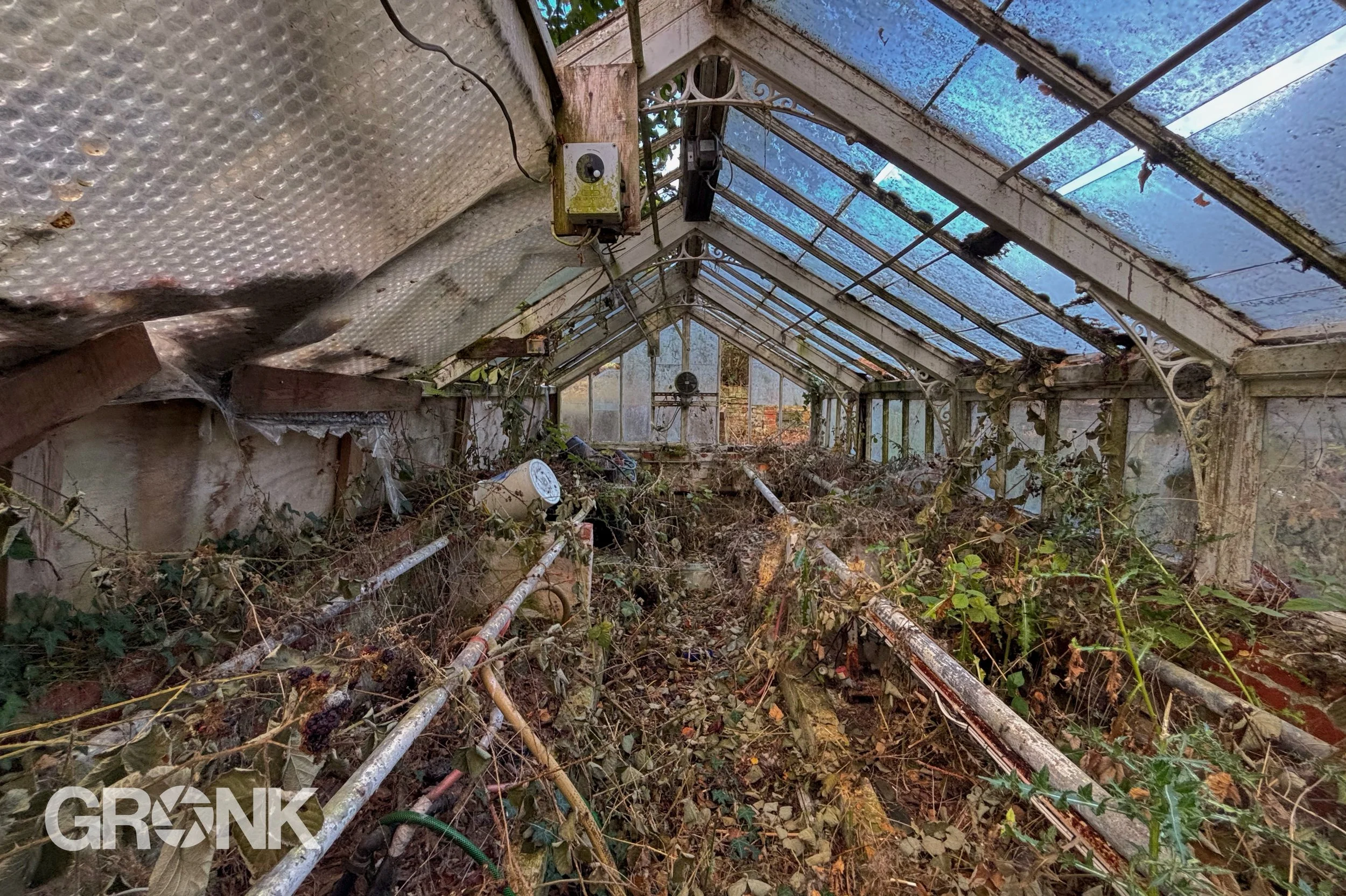
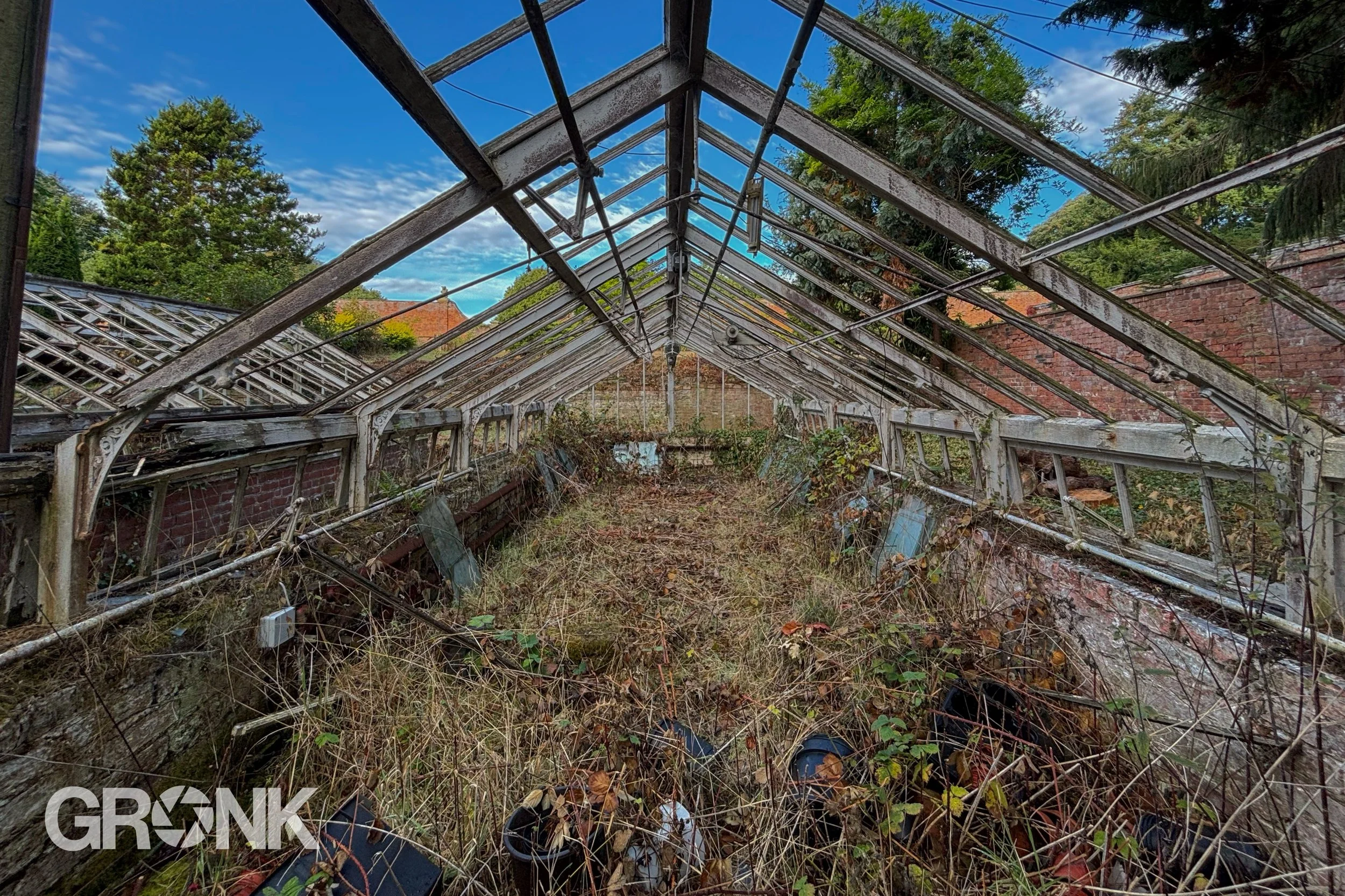
Greenhouses