Woodside Tunnel, Birkenhead
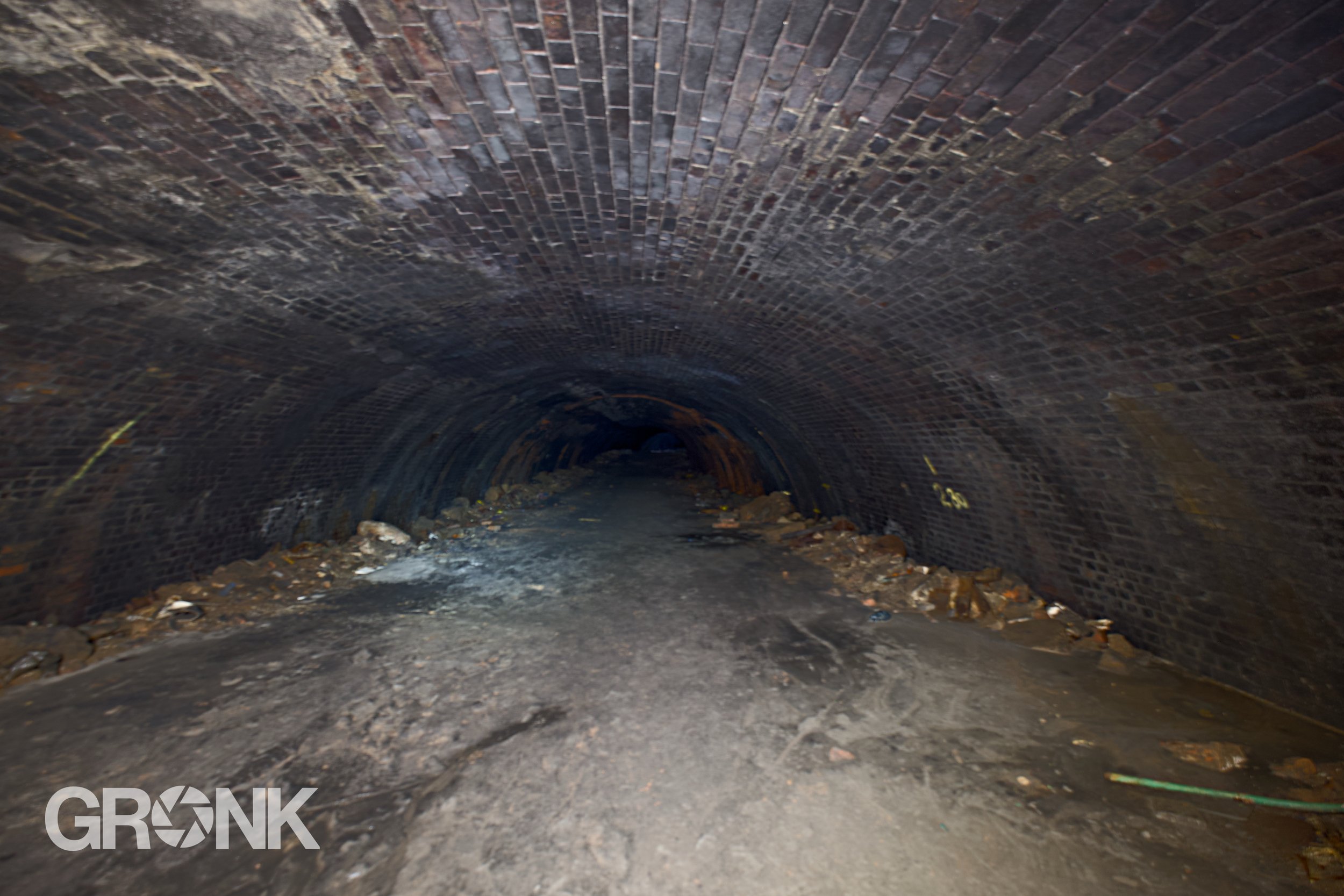
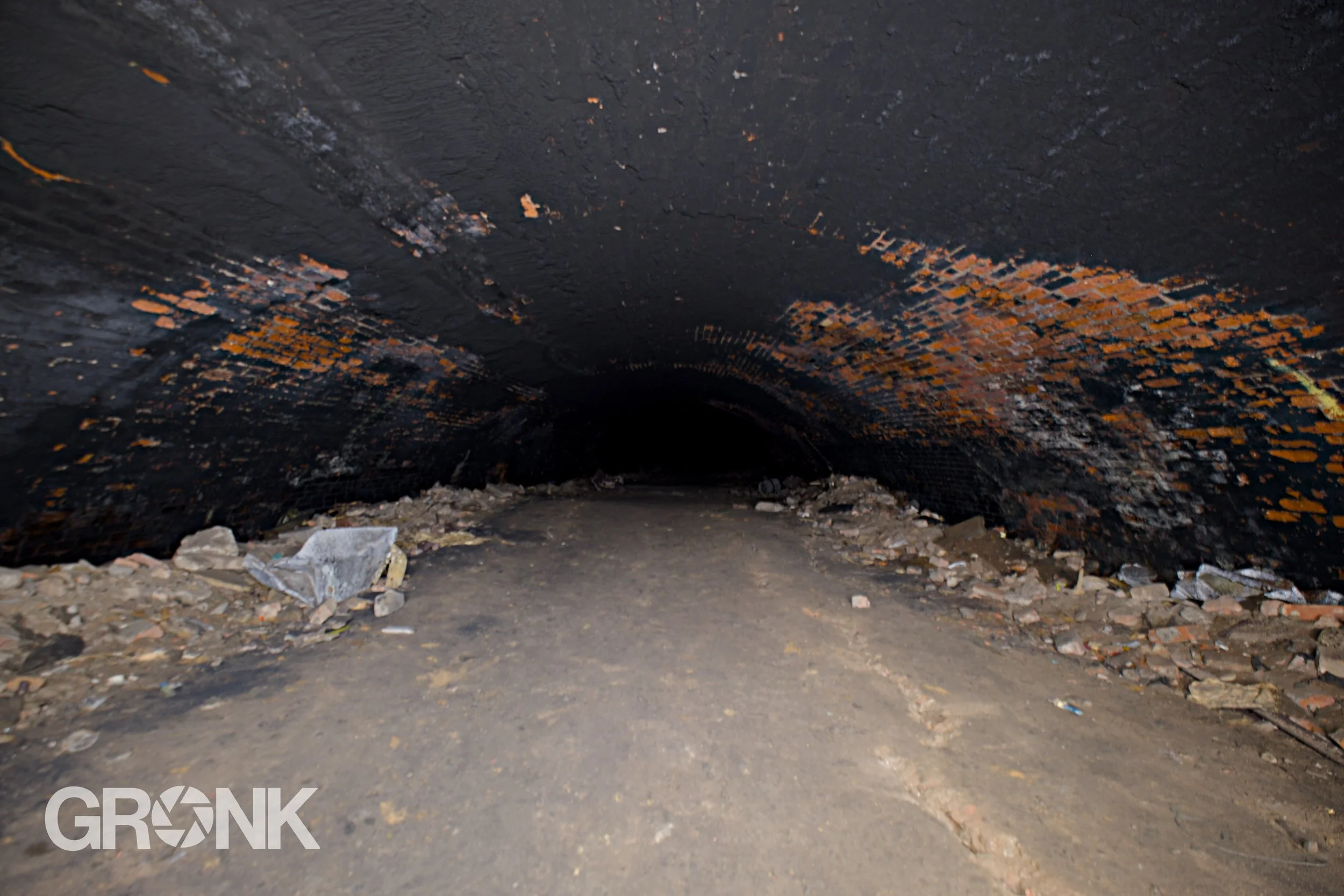
The Woodside Tunnel in Birkenhead was part of a railway route built to serve the town’s riverside stations. Its origins go back to 1844, when the Monks Ferry Tunnel—about 340 metres long—was opened to connect the Birkenhead Joint Railway to the ferry terminal. Increased traffic soon demanded a larger and more direct link. In the 1870s, the Woodside Tunnel was constructed to serve the new Birkenhead Woodside Station, which opened on 31 March 1878. The tunnel, around 800 m long, was built using the cut-and-cover method beneath Chester Street. It curved east into the station from the south, providing double-track access. The station itself was notable for its grand twin-arched roof and unusual “back-to-front” layout, where the rear became the main entrance.
Woodside Station offered both local and long-distance services. Trains ran to Chester, Helsby, West Kirby, and North Wales, as well as to London Paddington via the Great Western Railway. There were also through services to the south coast, including seasonal trains to Bournemouth. The station’s fortunes declined after the 1963 Beeching Report, which recommended concentrating intercity services at Liverpool Lime Street. Long-distance services were withdrawn in March 1967, and the station closed completely on 5 November 1967. It was quickly demolished, leaving the Woodside Tunnel abandoned.
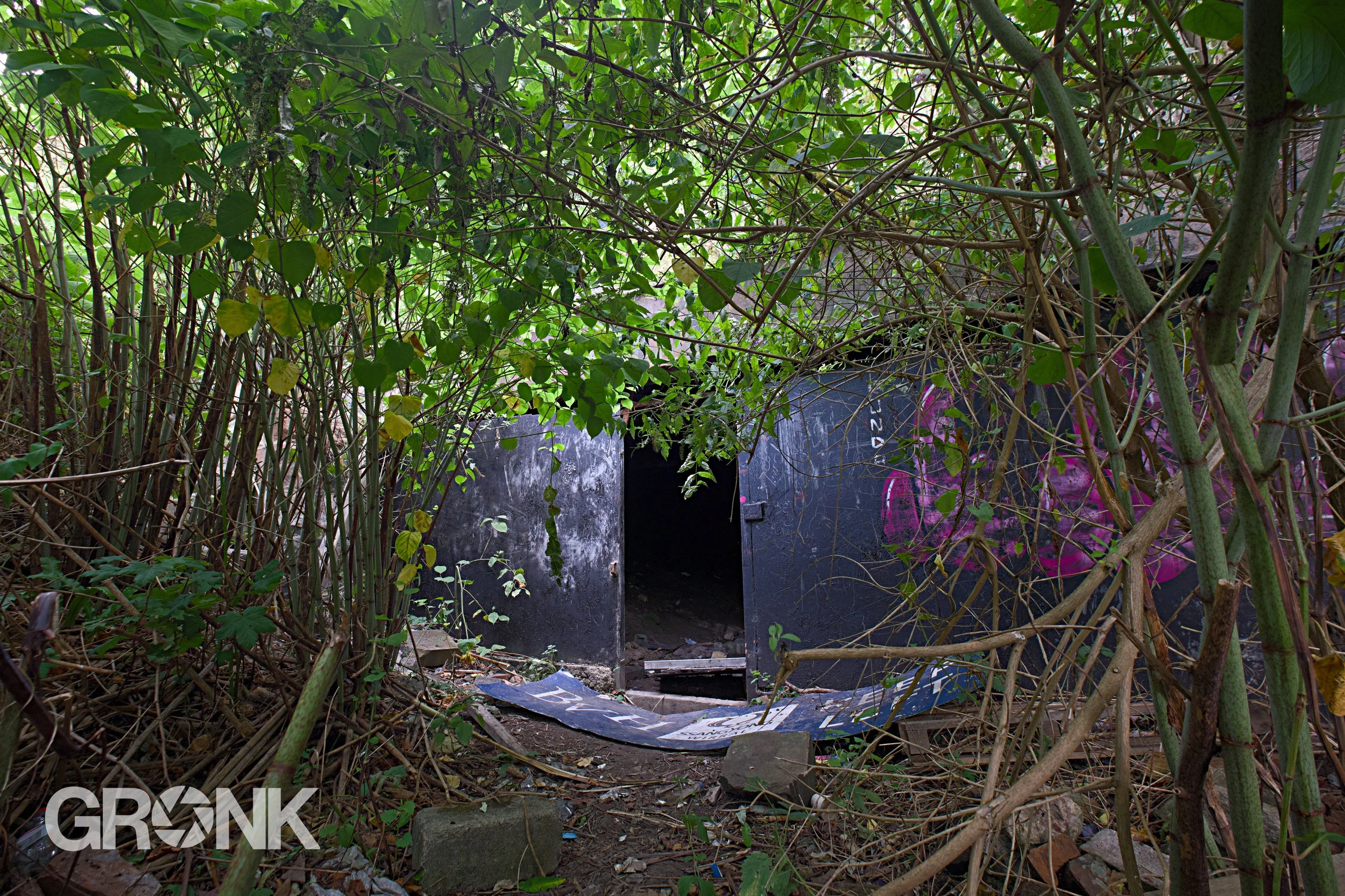
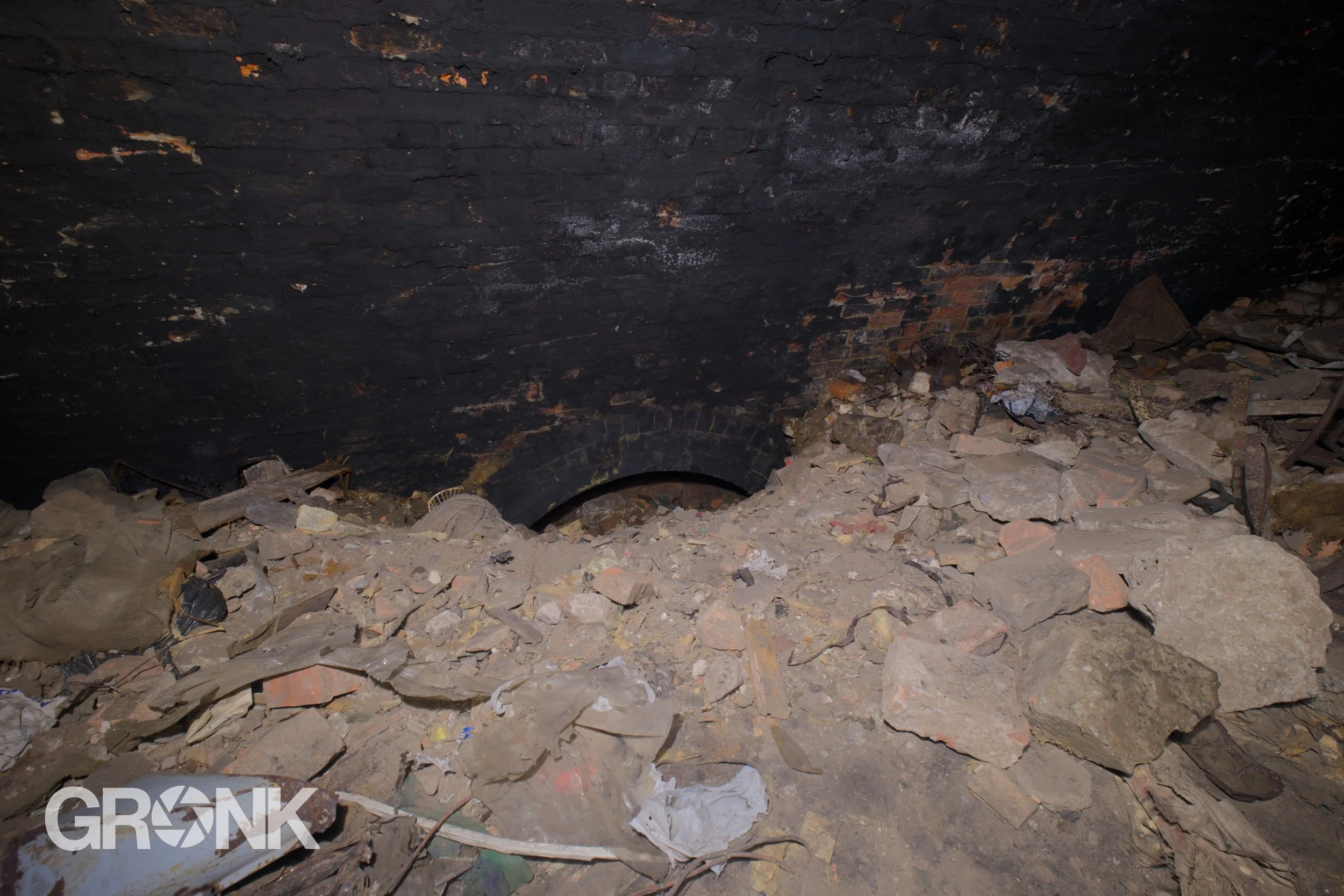
Today, only remnants of the station and tunnel survive: a section of wall, a road bridge, and the sealed tunnel entrance near the former station throat. The site above has been redeveloped as a bus park and business park. While the tunnel remains disused, its structure is still intact and has been suggested for possible future transport schemes. Nearby stands the Woodside Ventilation Station, built between 1925 and 1934 for the Queensway Road Tunnel under the River Mersey—often confused with the earlier railway tunnel.