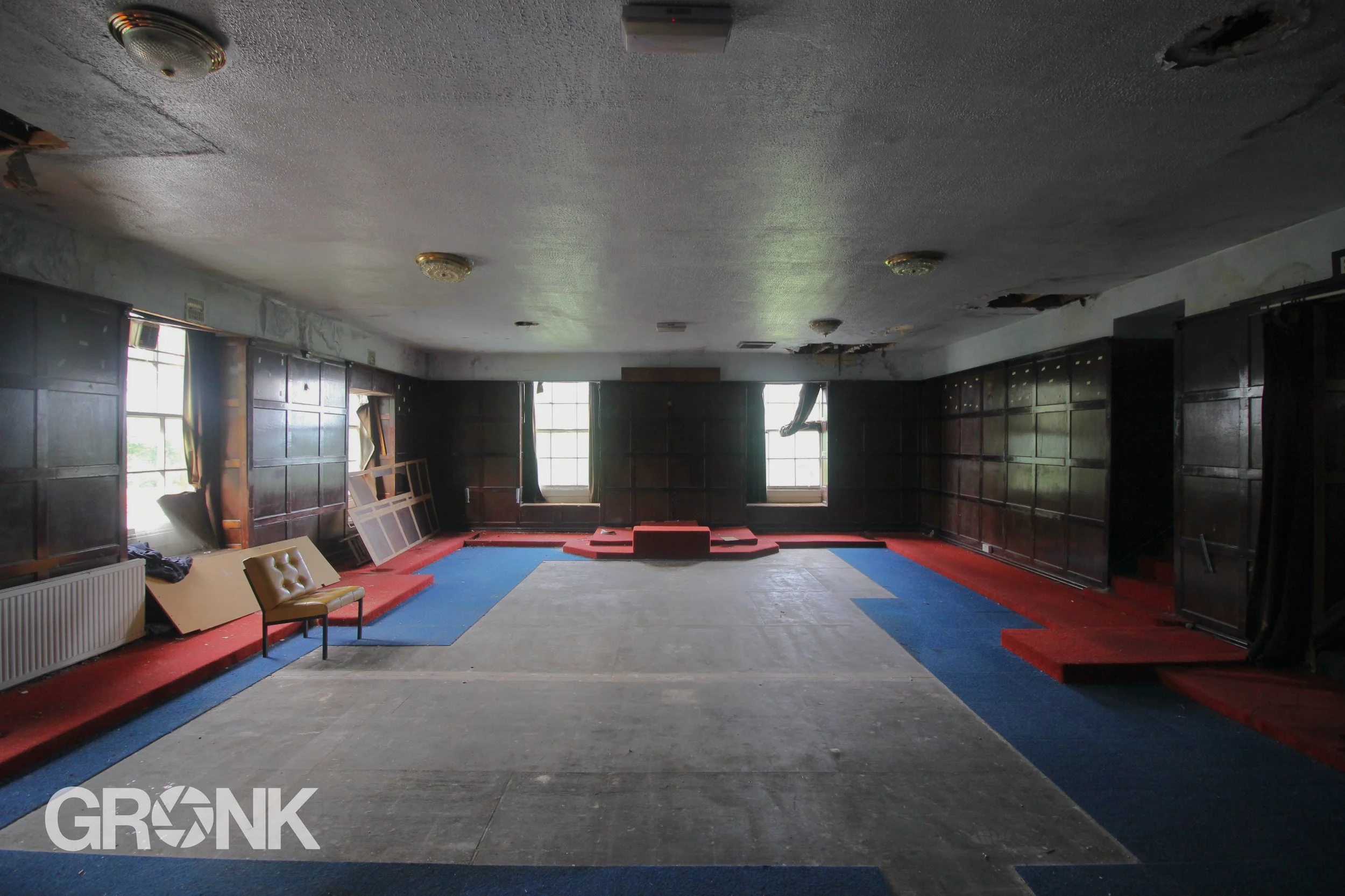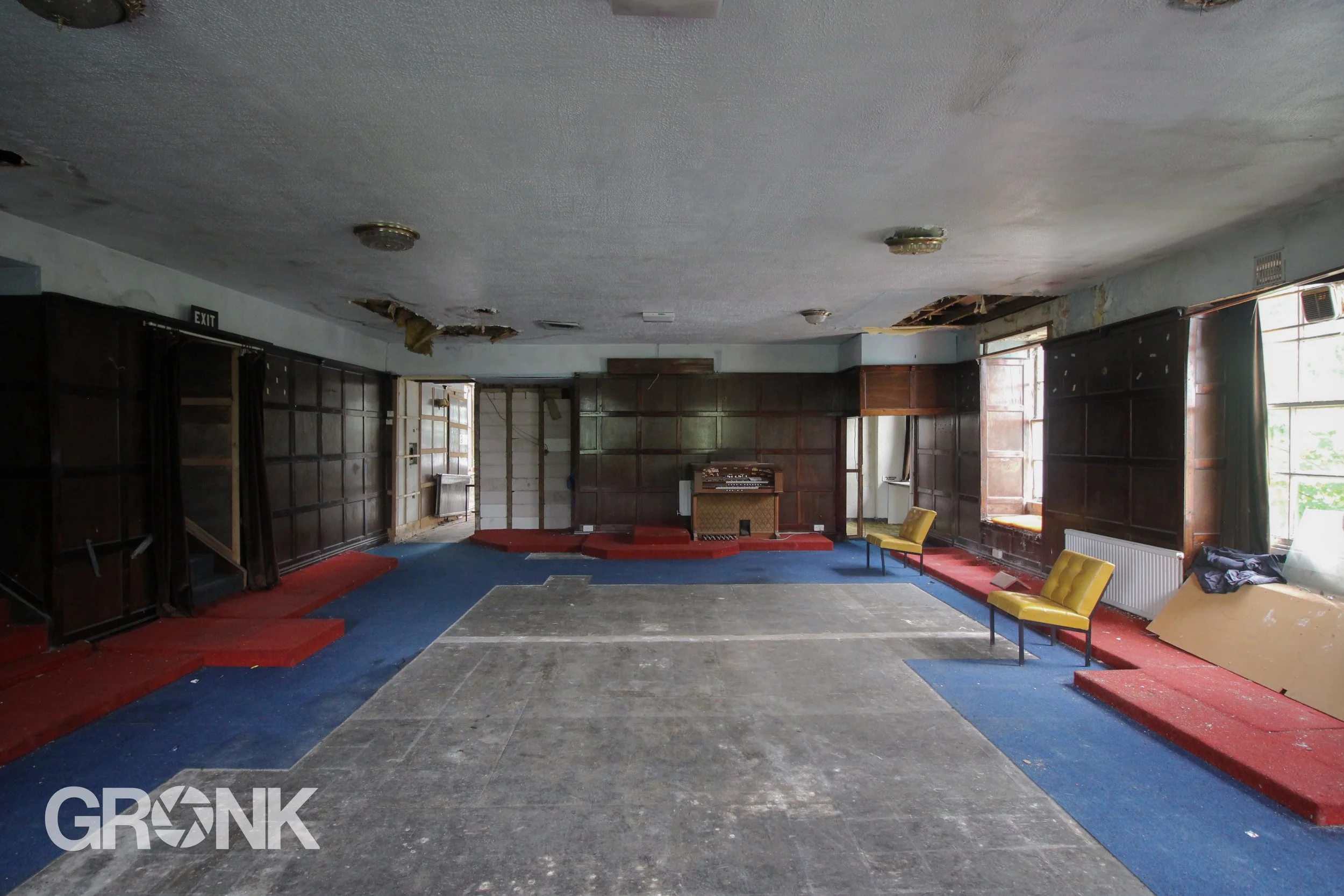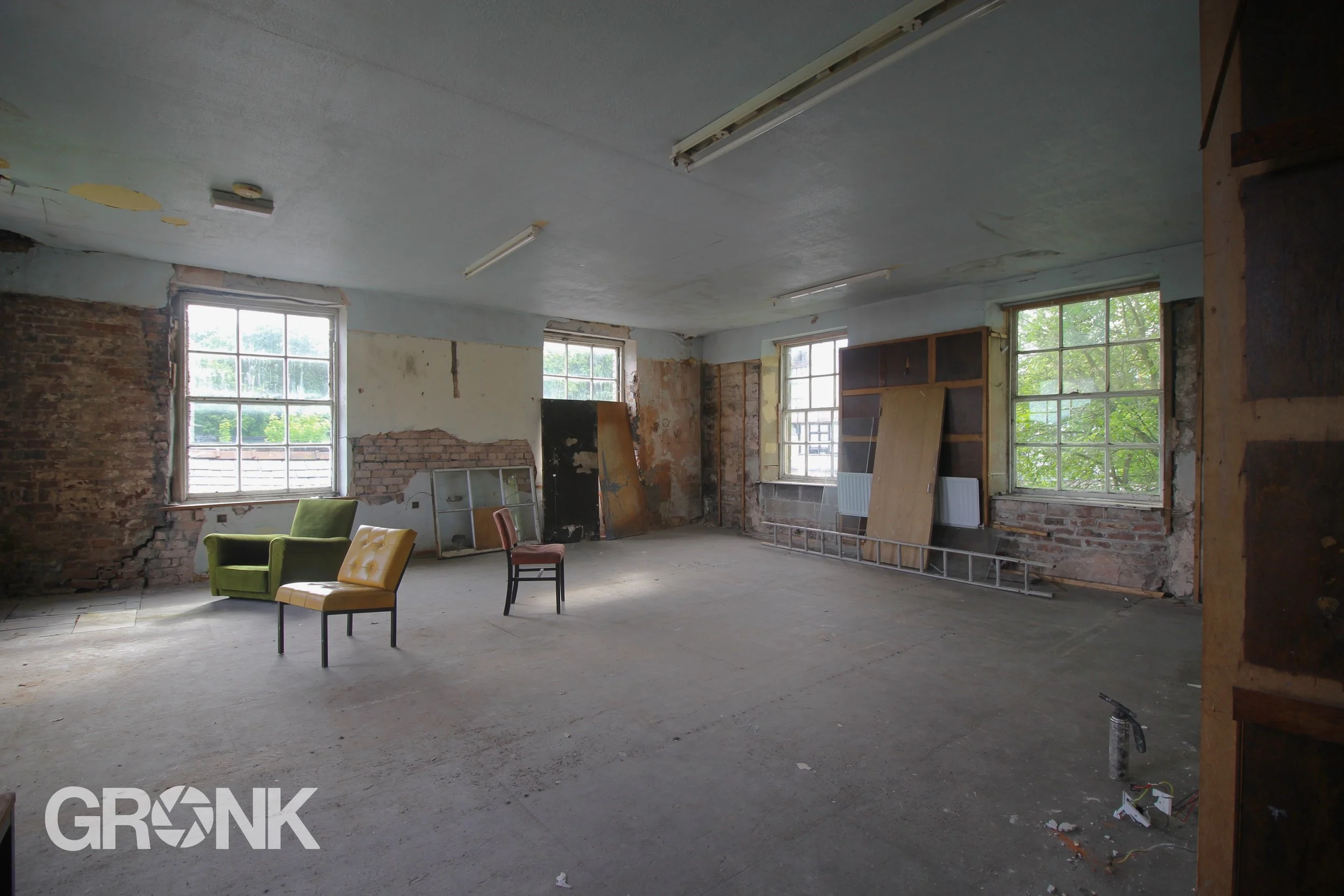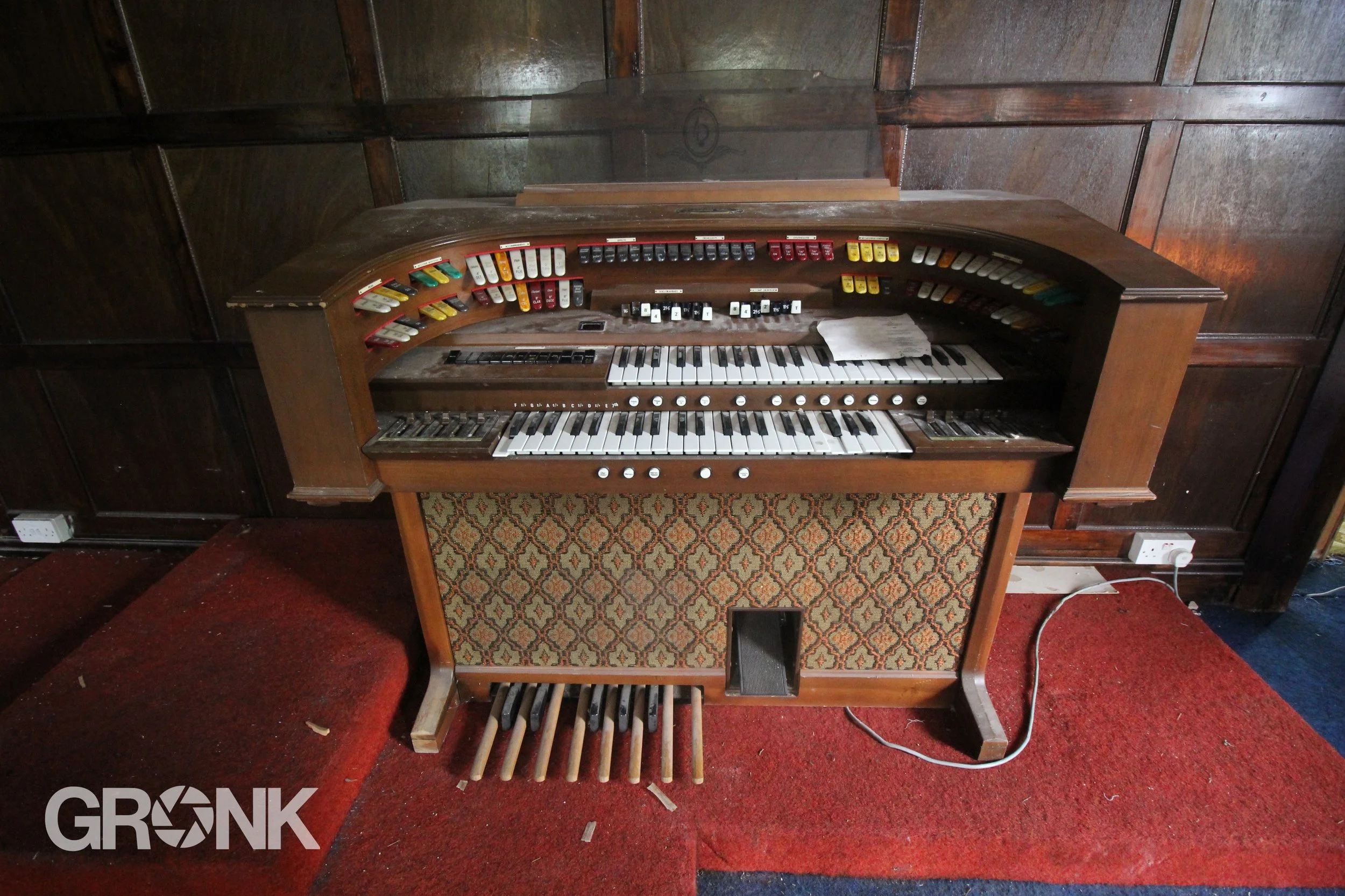
Woolton Hall, Liverpool
Woolton Hall is a Grade I listed country house in Liverpool, regarded as one of Robert Adam’s finest works in northern England. Its story spans more than eight centuries of change, decline, and survival. The site was first held by the Knights Hospitaller from about 1180 until the Reformation in 1559, when Elizabeth I seized their estates. The land later passed to the Brettargh family, who maintained only a modest cottage there.
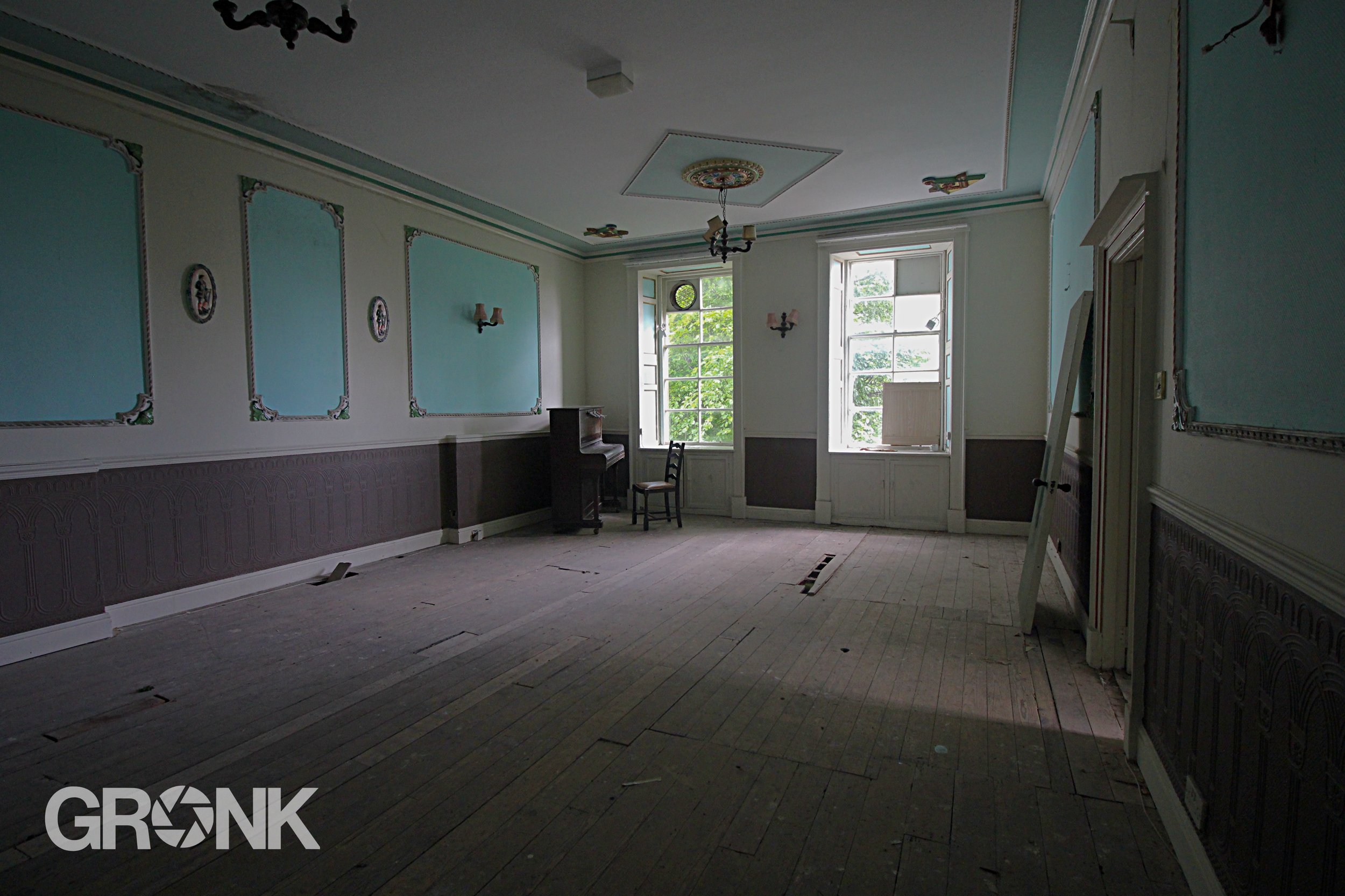
Between 1700 and 1704, Richard Molyneux, 1st Viscount Molyneux, built the north block of the hall in a Palladian style. Its most significant transformation came in 1772, when Nicholas Ashton, a wealthy industrialist and High Sheriff of Lancashire, commissioned Robert Adam to remodel and enlarge the house. Adam’s classical interiors and refined façade gave Woolton Hall its enduring architectural importance.
Ownership changed several times during the 19th century. James Reddecliffe Jeffery, owner of Compton House in Liverpool, briefly held the estate before financial ruin. In 1877, it was purchased by shipping magnate Frederick Richards Leyland, who adorned it with artworks by Burne-Jones and Ford Madox Brown. Later, the McGuffie family converted the property into a hydropathic hotel, which operated between 1899 and 1912.
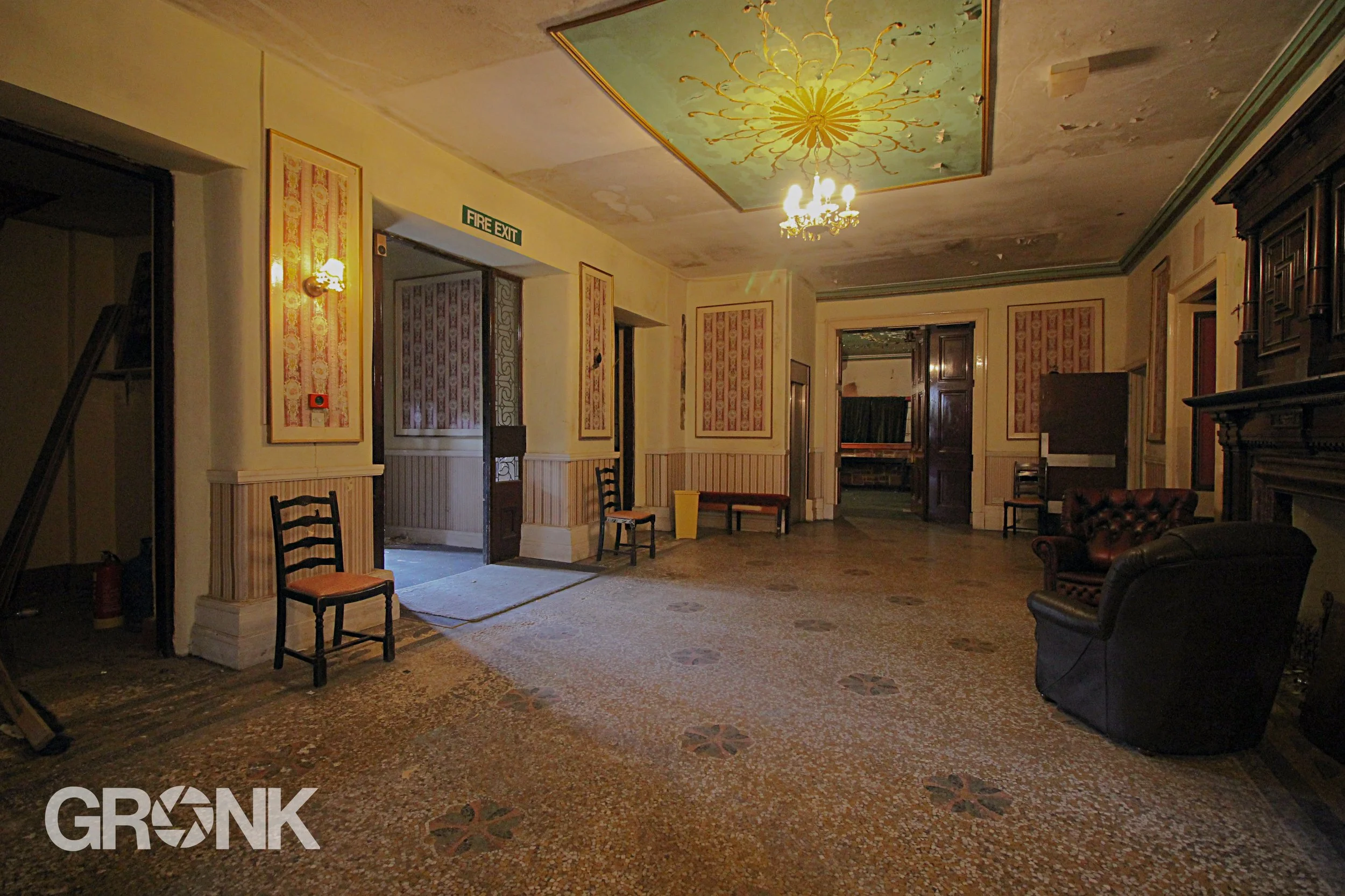
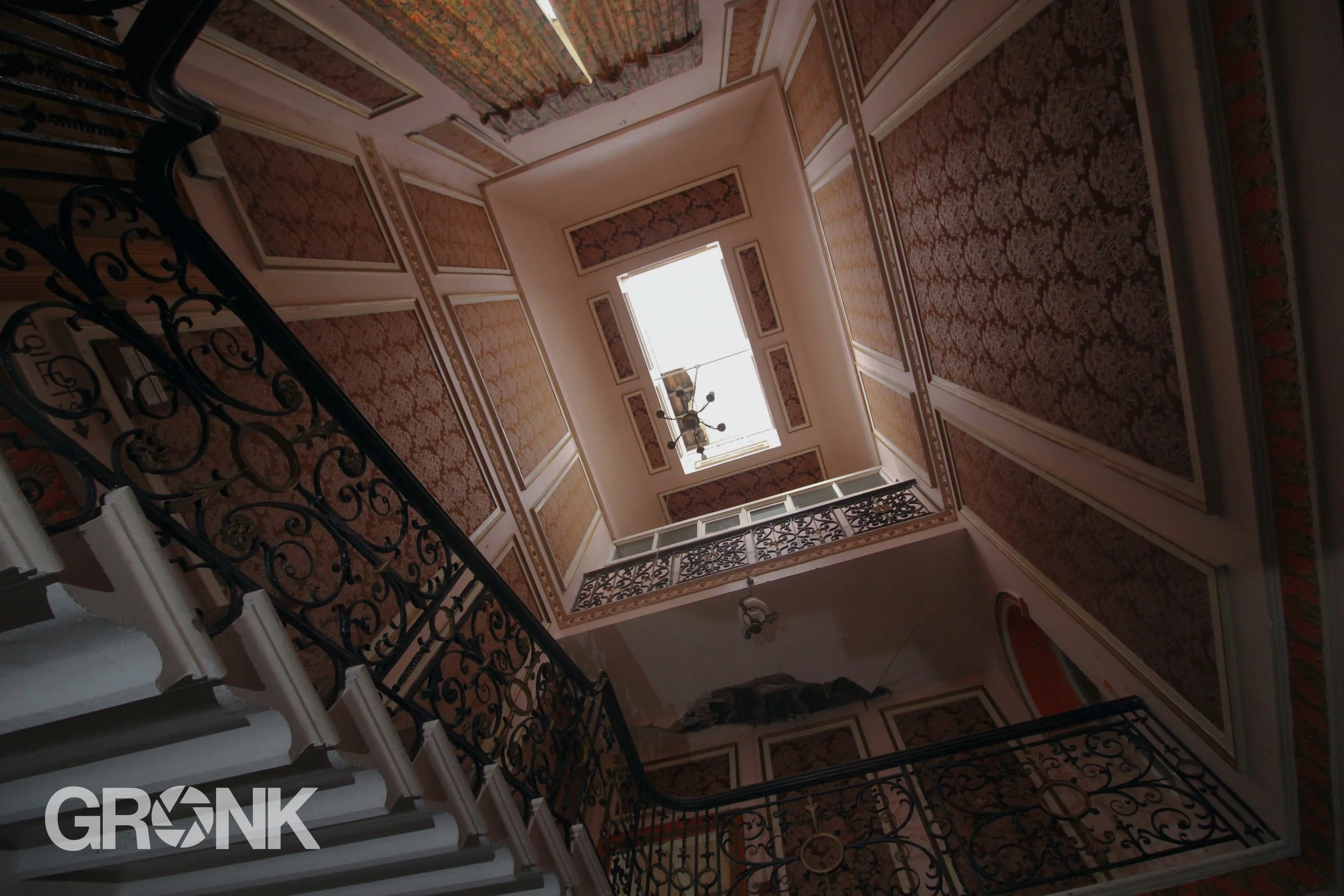
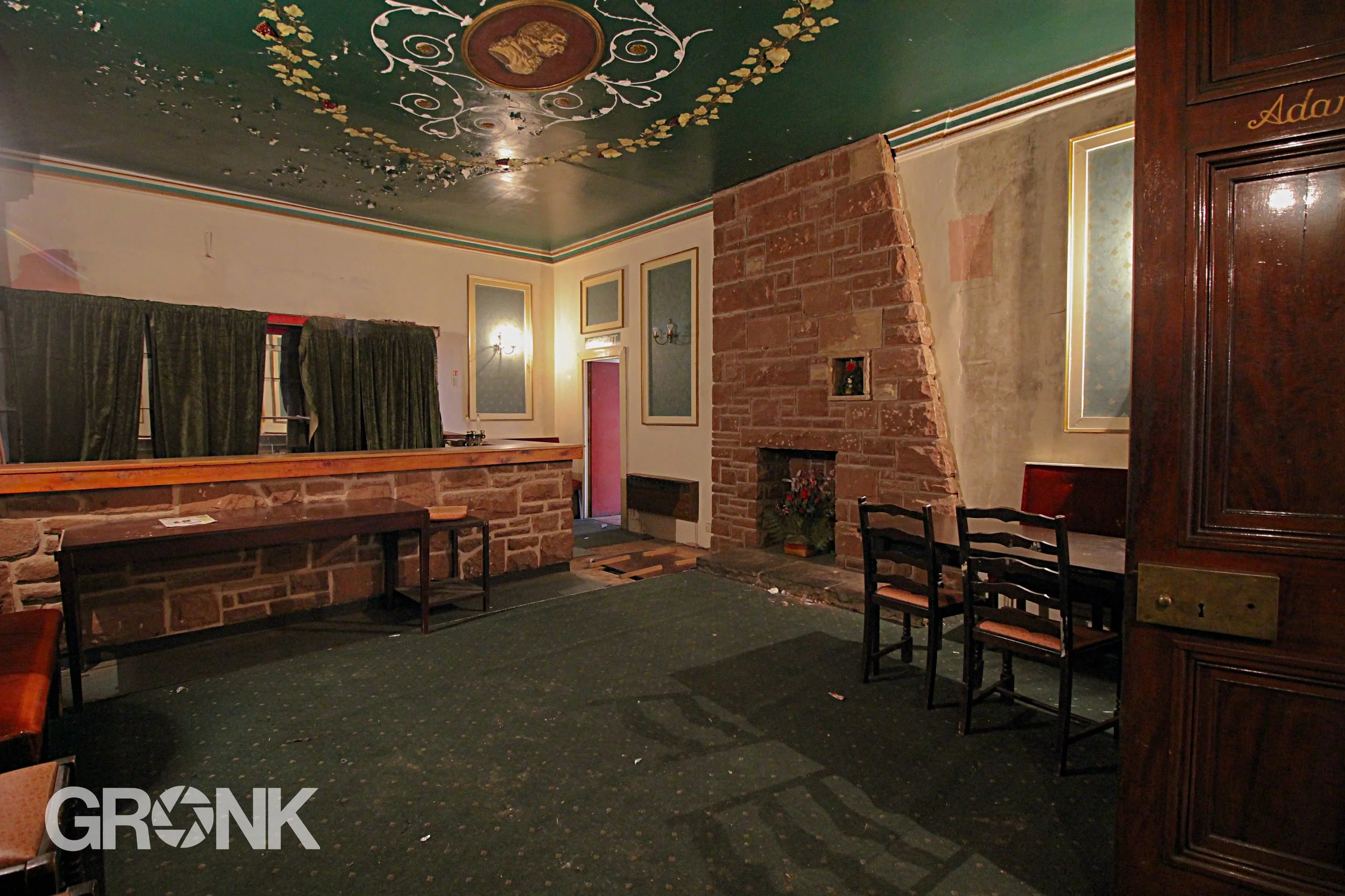
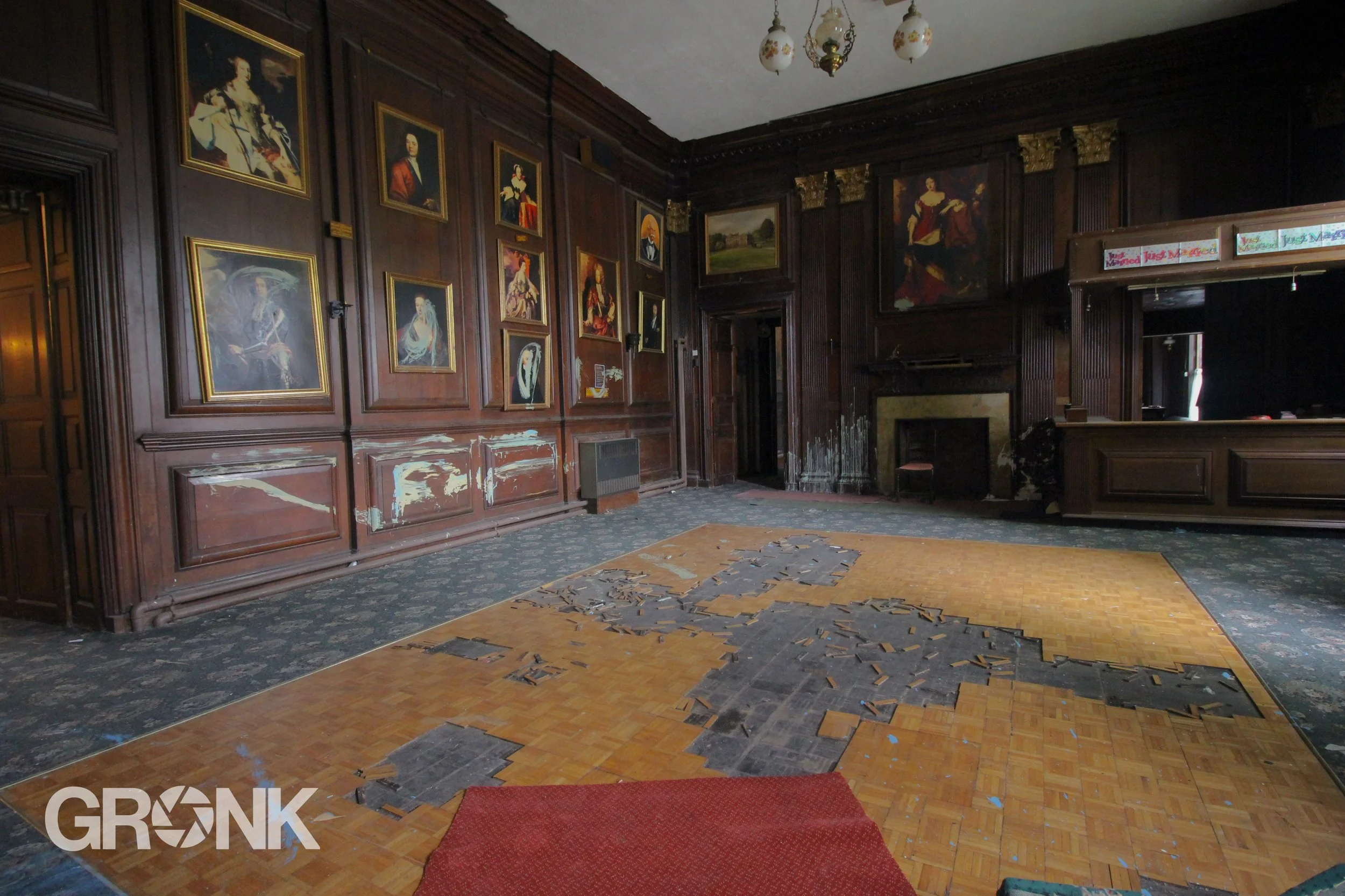
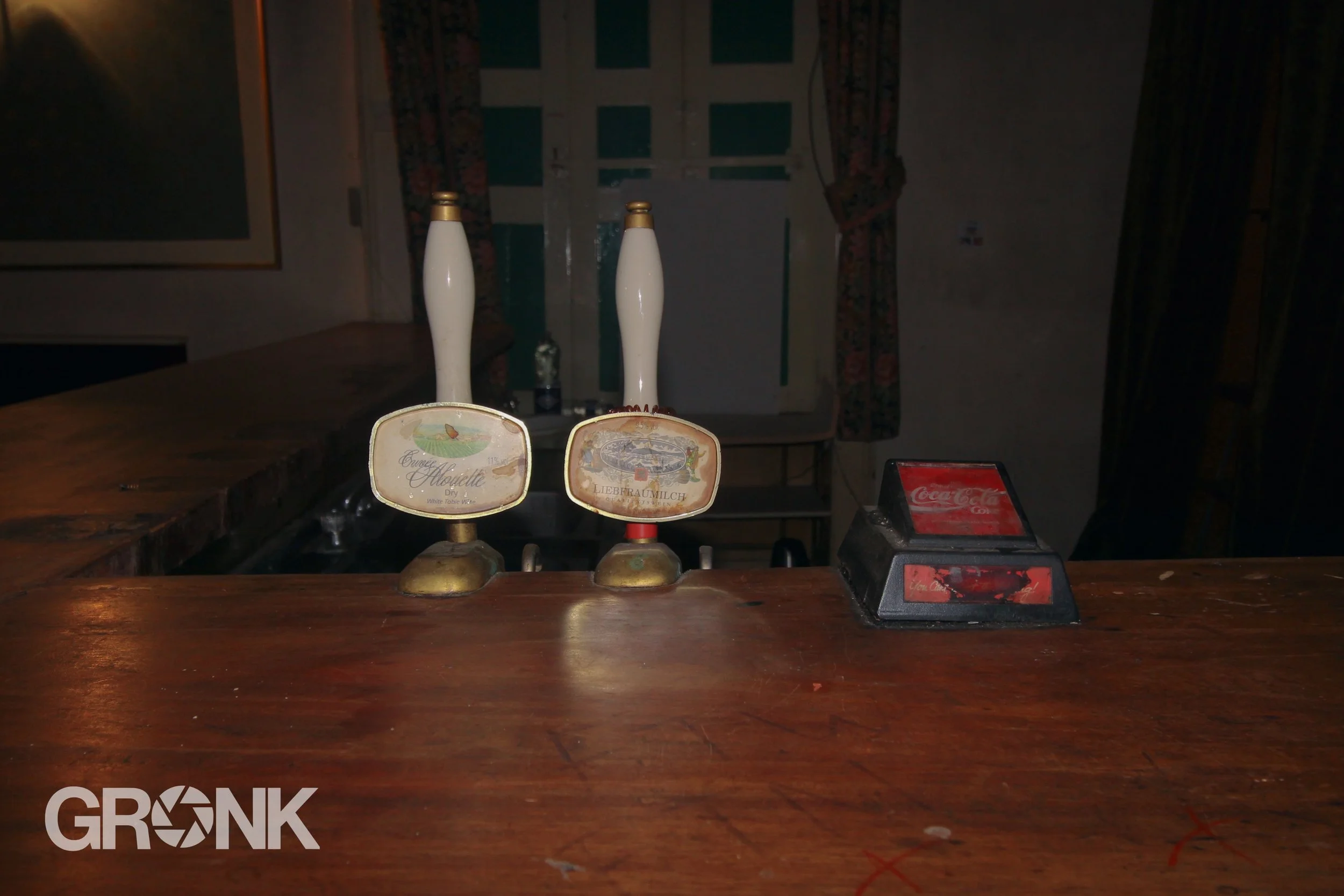
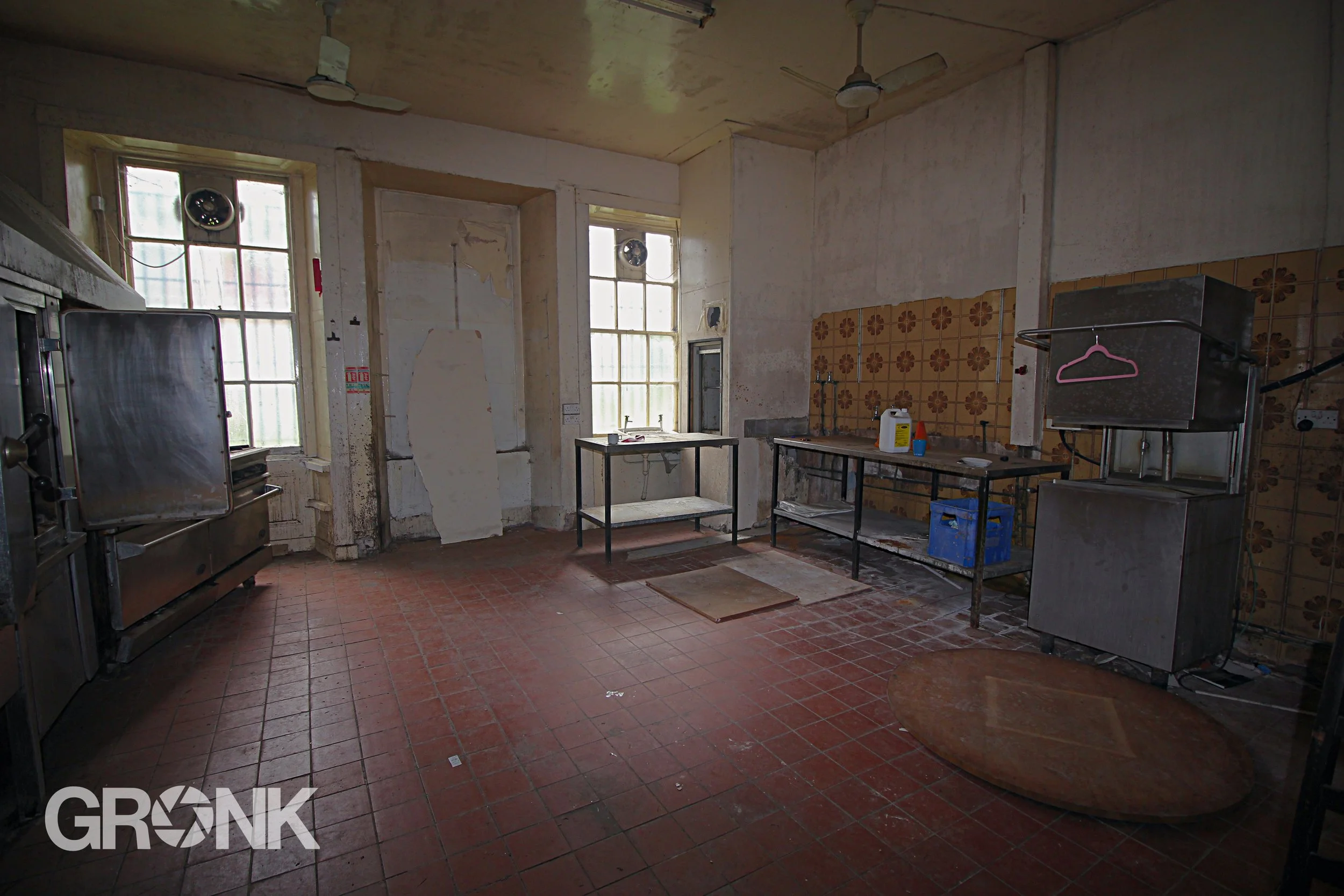
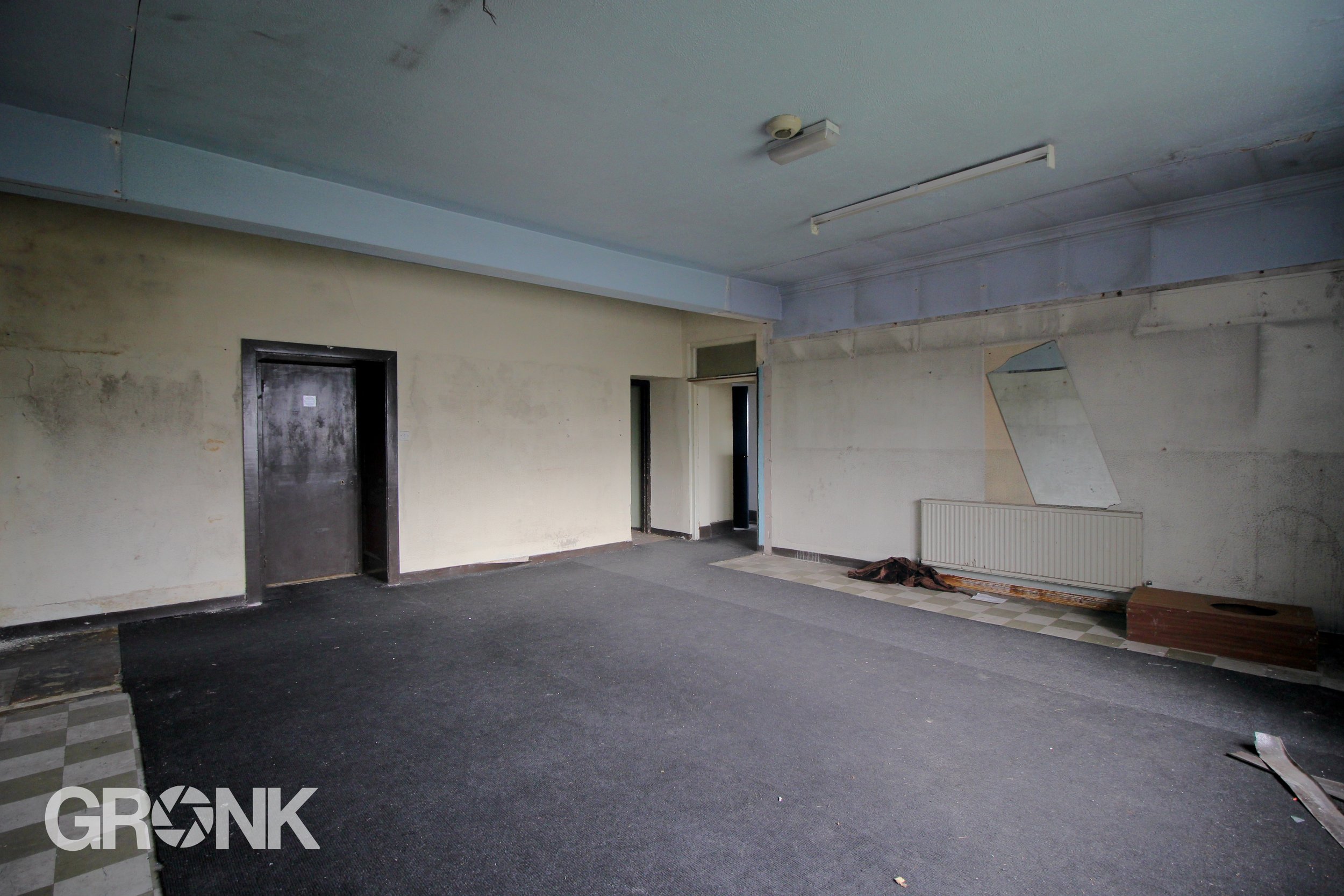
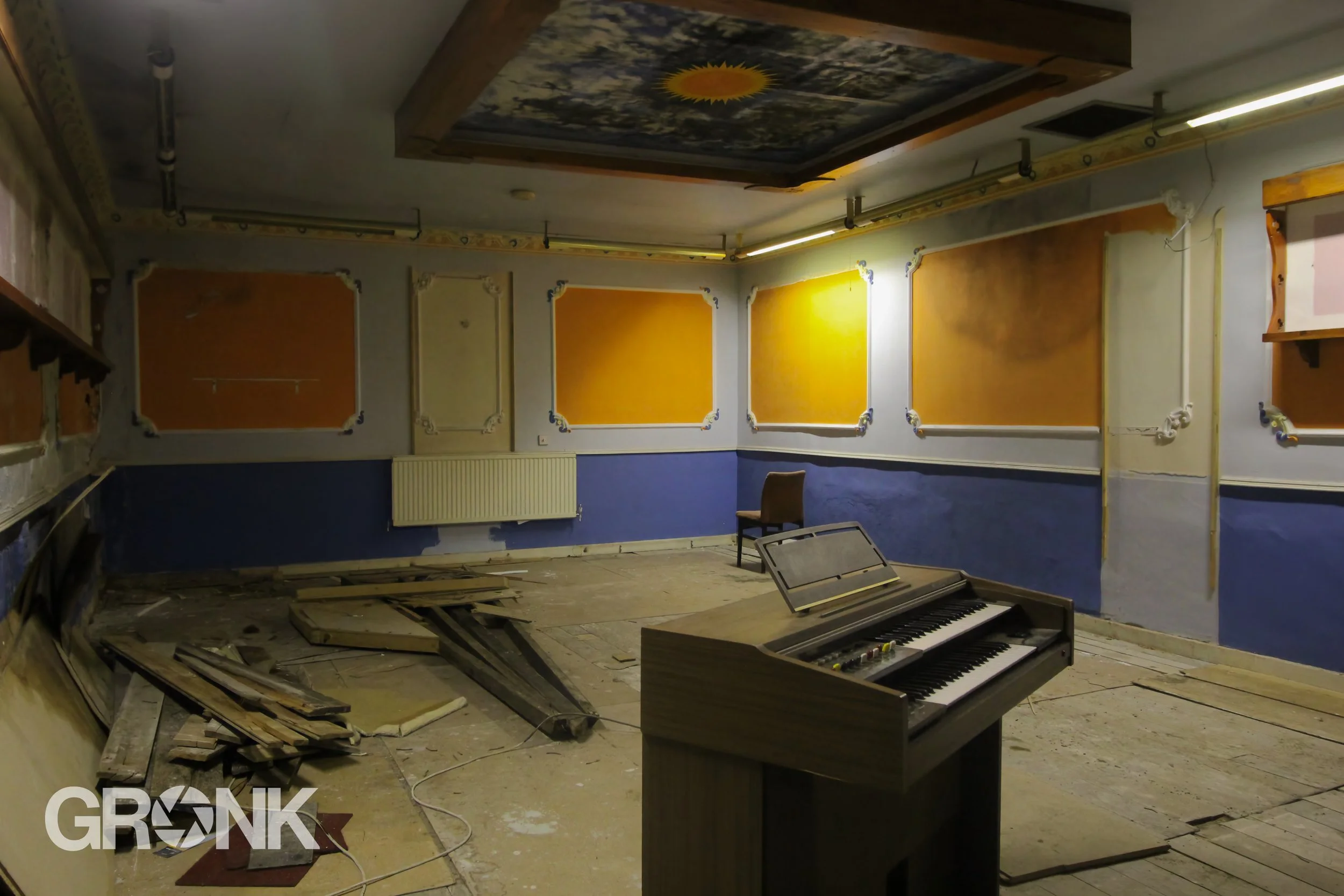
In the 20th century, Woolton Hall served as military headquarters and hospital during the World Wars, and later as a convent school run by the Sisters of Notre Dame. By the 1970s it was abandoned, and demolition threatened. Local resident John Hibbert rescued it in the 1980s, investing in repairs, and in 1982 the hall was granted Grade I listed status. Despite this, attempts to secure a sustainable future—such as a proposed retirement village in 2005—failed. The hall has since fallen into serious decline, suffering vandalism, neglect, and a fire in 2019. In 2021, Historic England placed it on the Heritage at Risk Register as a site in immediate danger of further deterioration. On 19th August 2025 a fire broke out at the hall causing extensive damage.