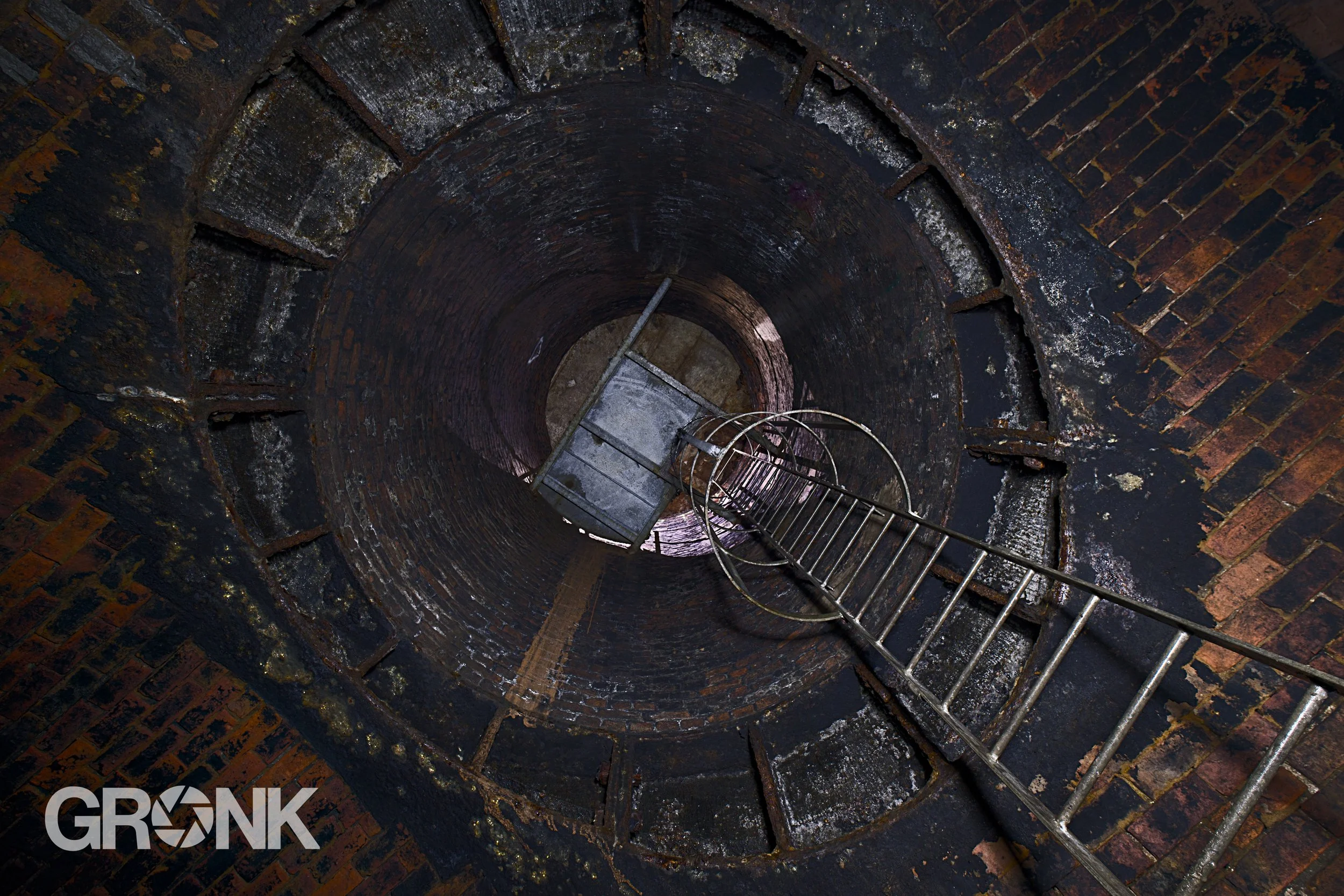
Monks Ferry Tunnel, Birkenhead
The Monks Ferry Tunnel was built in 1844 by the Chester & Birkenhead Railway to extend their line from the original Grange Lane terminus directly to the River Mersey, where ferries linked Birkenhead to Liverpool. The single-track tunnel, around 450 metres long, ran beneath Birkenhead to a new Monks Ferry station, which opened for passengers on 23 October 1844.
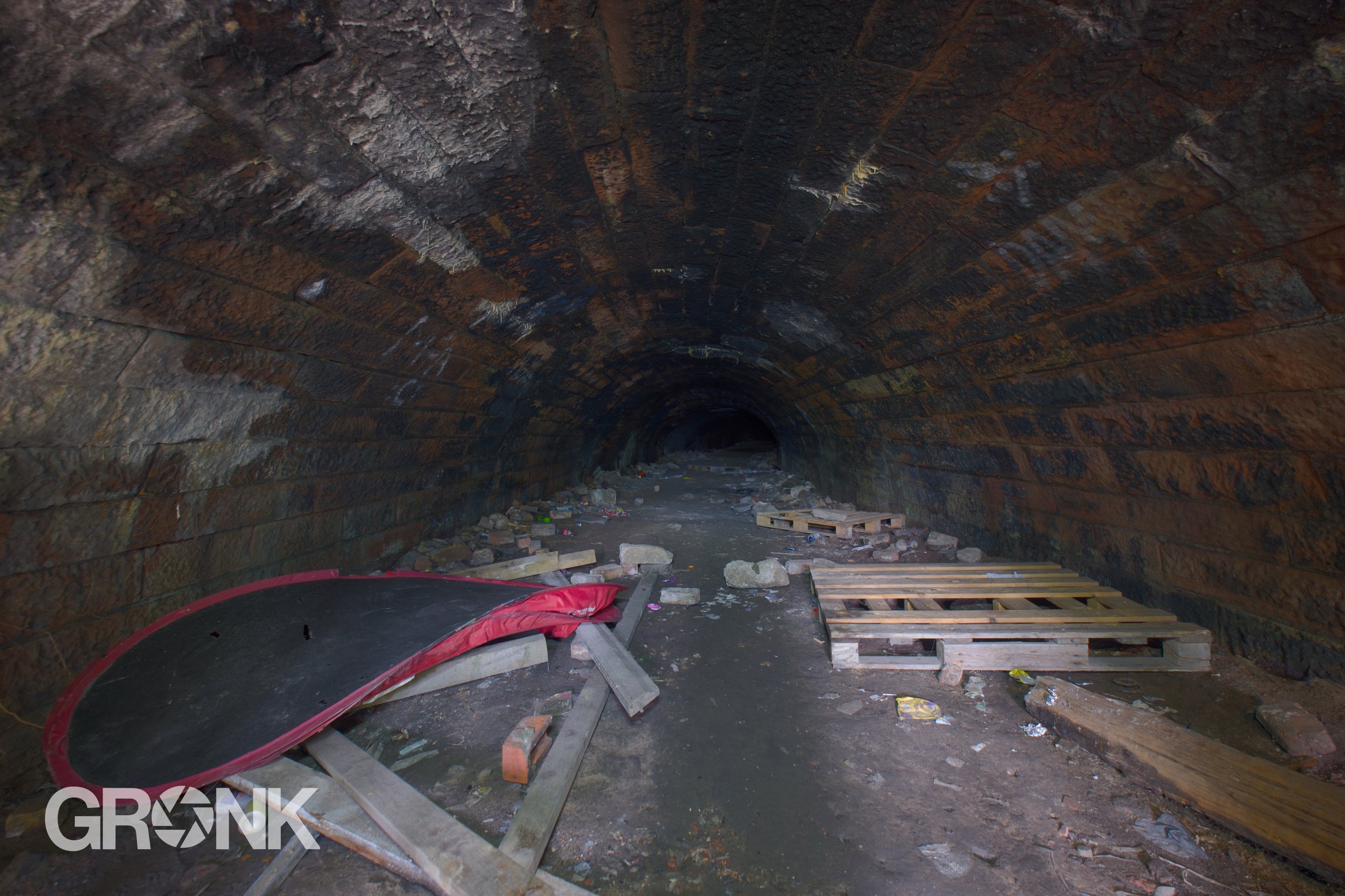
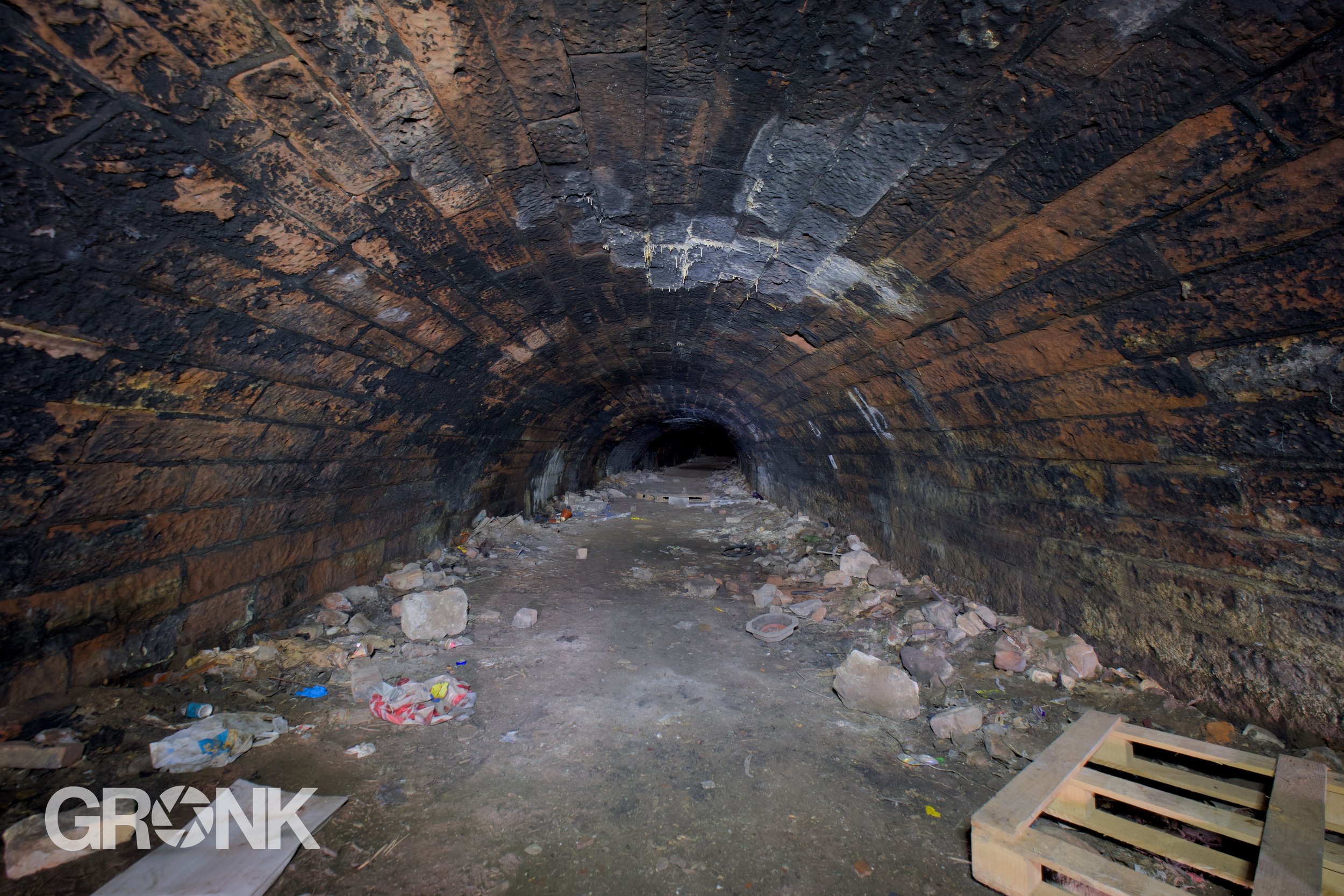
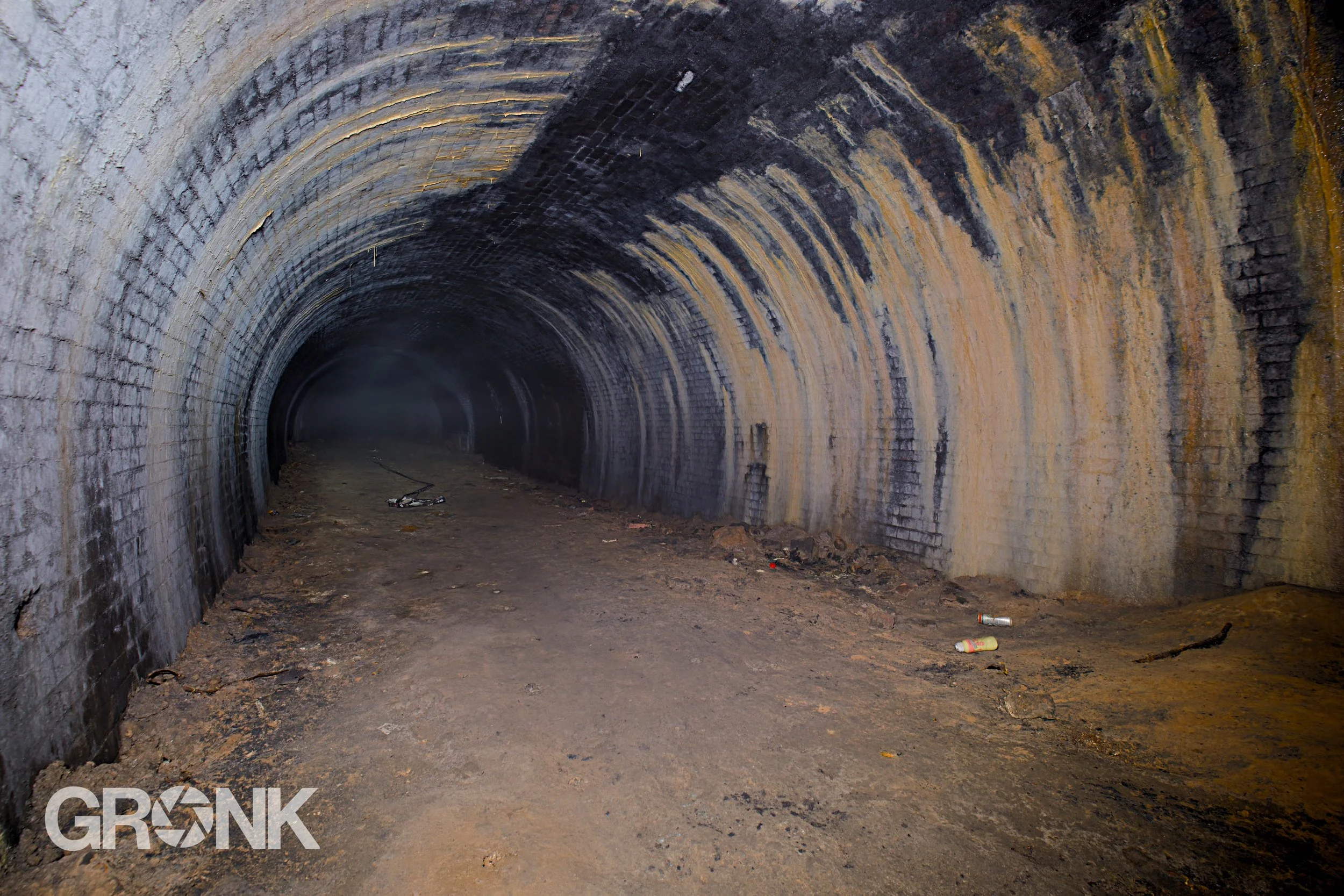
The station had three platforms in a single-storey building with booking offices, waiting rooms, refreshments, and goods sidings. It also connected directly to Cammell Laird shipyard via a spur line. The tunnel itself passed through both soft soils and sandstone, lined in brick and stone, with a semi-circular arch and a central ventilation shaft.
Monks Ferry quickly became the main passenger and goods terminus for Birkenhead. However, by the 1870s it was overcrowded, with no room for expansion. To relieve pressure, a new and larger terminus—Birkenhead Woodside Station—opened on 31 March 1878, served by a second tunnel. Passenger services were transferred there the same day, leaving Monks Ferry for goods traffic only.
For the next eight decades, the tunnel handled freight, particularly coal and shipyard supplies. Goods services continued until 1961, after which the line fell into disuse. Tracks were lifted by about 1967, and the station site was later redeveloped for housing.
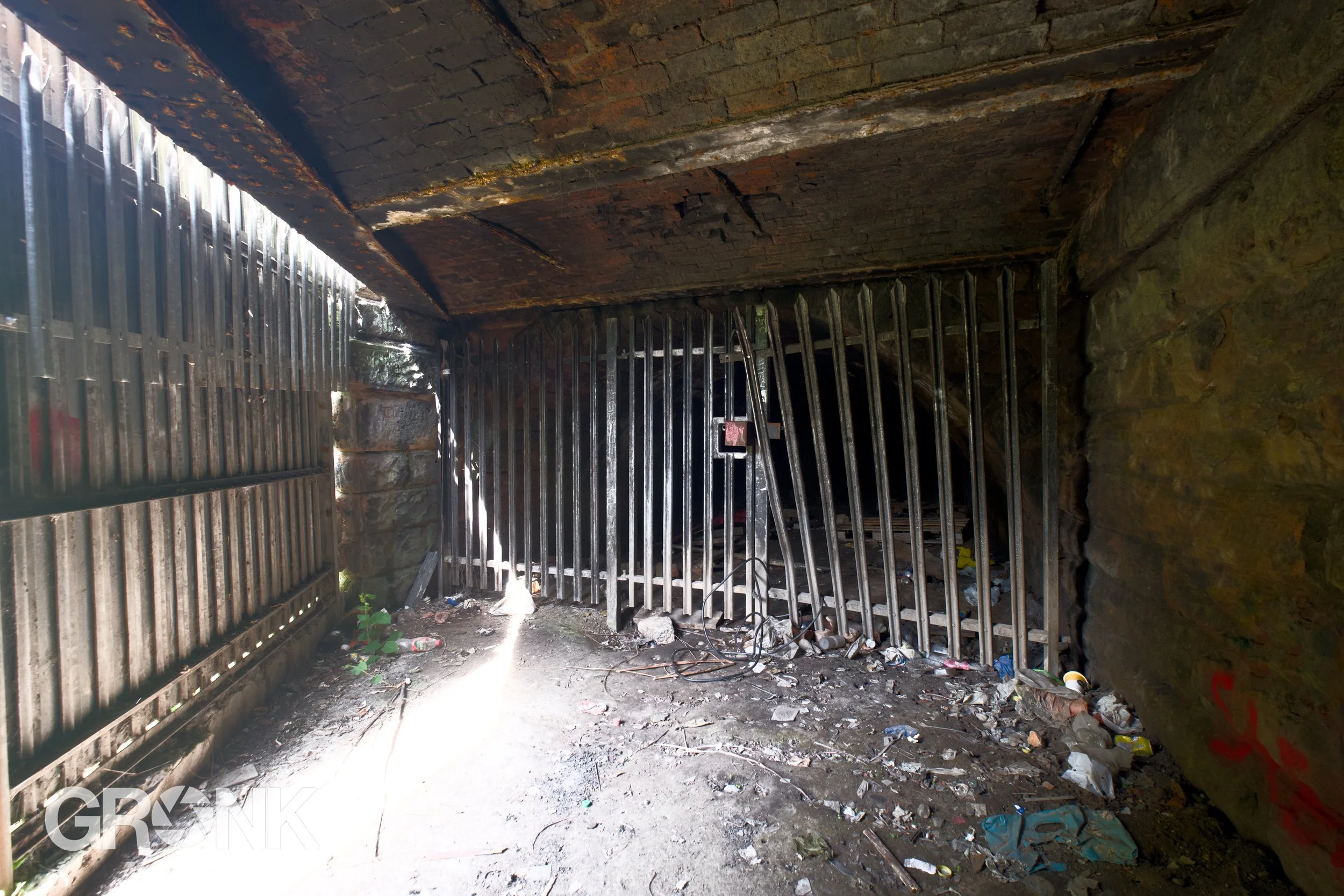
Today, the Monks Ferry Tunnel is sealed and inaccessible, with sections partially filled. Along with the Woodside Tunnel, it survives as a hidden relic beneath the streets, occasionally glimpsed by urban explorers and preserved in local memory. While overgrown and unused, these tunnels are part of Birkenhead’s rich transport heritage, marking a time when rail and ferry worked in close partnership to connect the Wirral to Liverpool and beyond.