Abandoned Lancashire
The County of Lancashire
Lancashire emerged as an administrative county in the 12th century, centred on the historic town of Lancaster, which became an important political and judicial centre following the construction of Lancaster Castle. Earlier settlement in the region dates back to Roman Britain and Anglo-Saxon kingdoms, with strong Norse influence along coastal and northern areas.
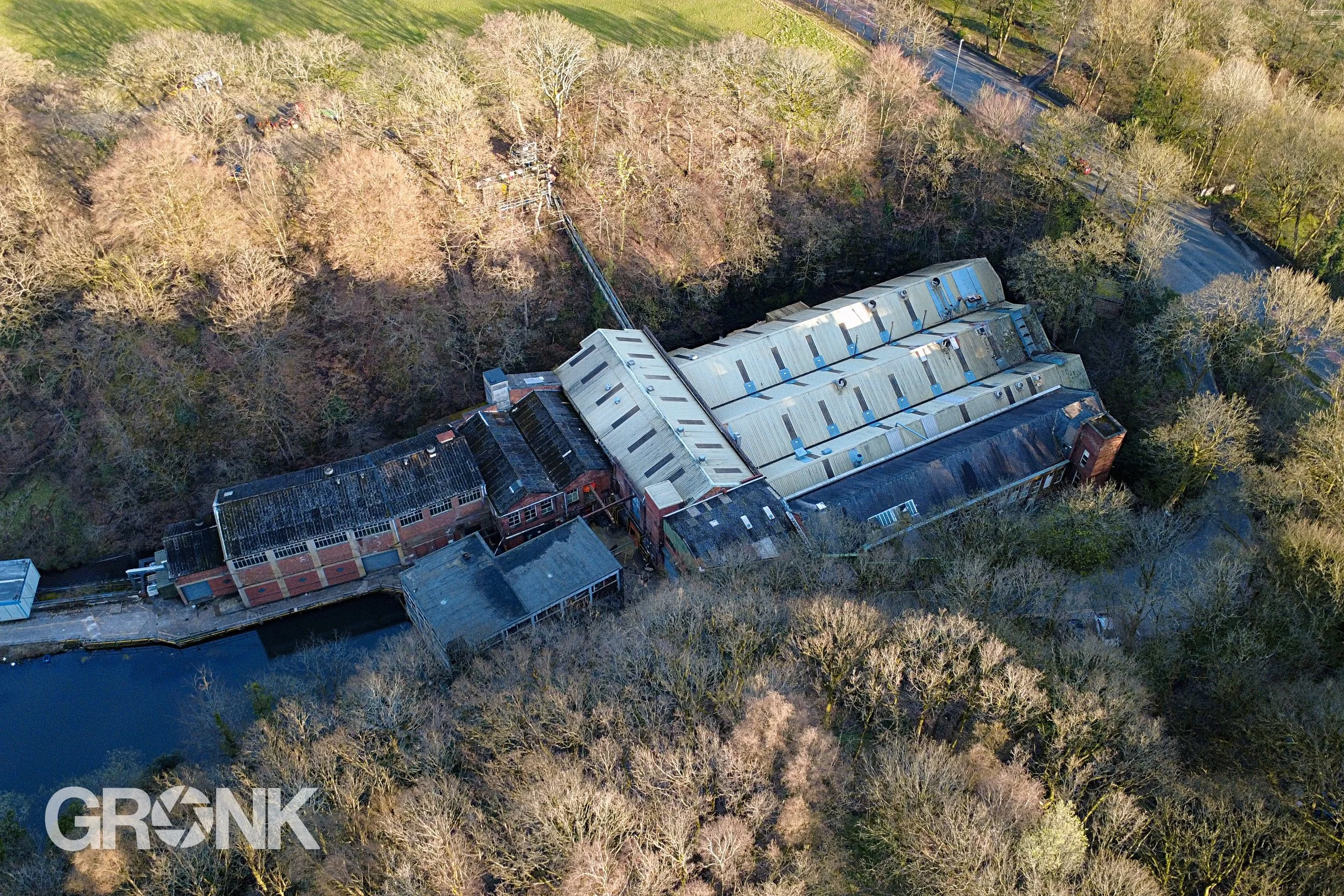
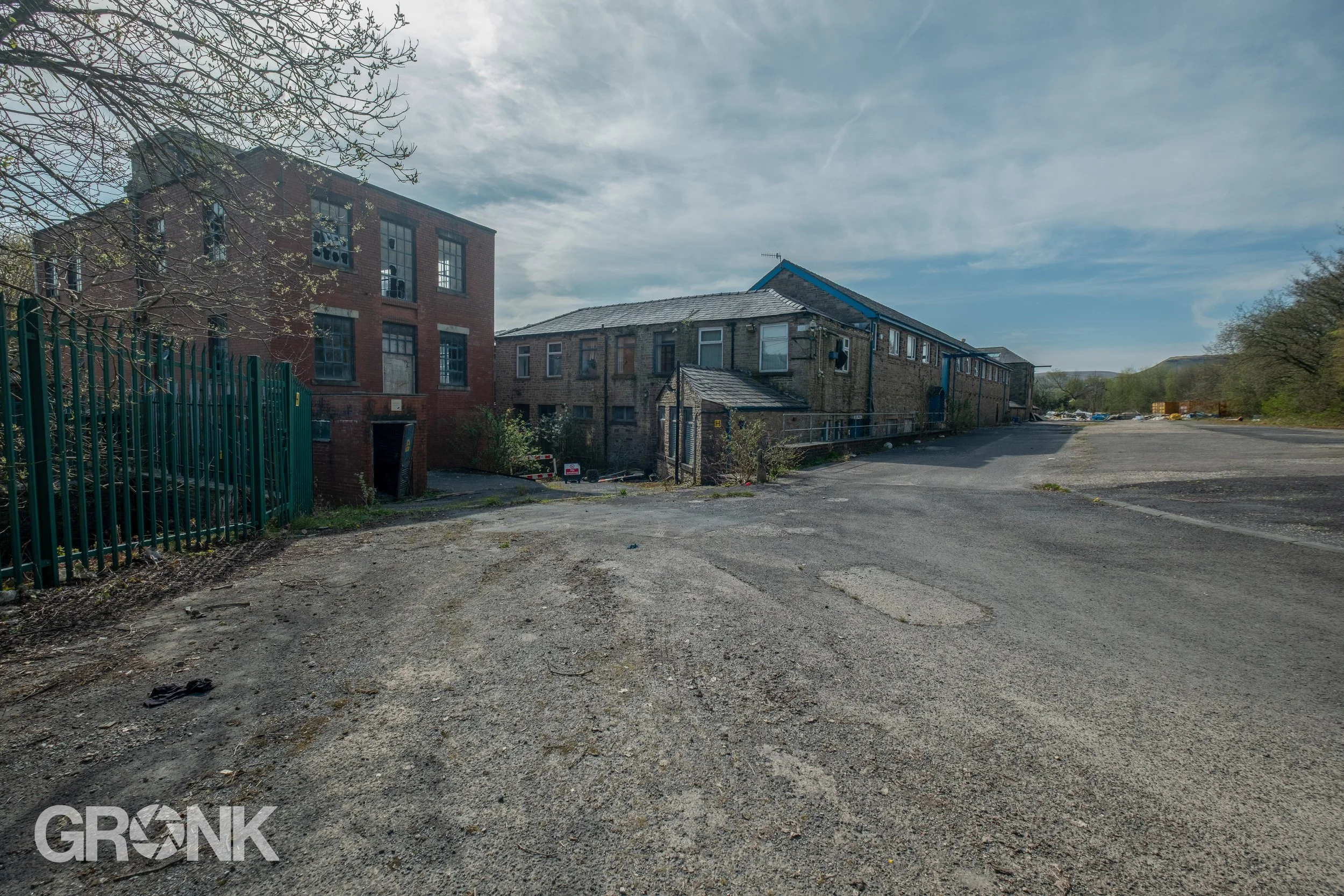
During the late medieval period, Lancashire played a key role in national politics, most notably giving its name to the House of Lancaster during the Wars of the Roses. For centuries largely rural, the county was transformed in the 18th and 19th centuries by the Industrial Revolution. Towns such as Preston, Blackburn, and Burnley became major centres of cotton spinning, weaving, and engineering, helping make Lancashire the heart of Britain’s textile industry.
Twentieth-century local government reforms significantly reshaped the county, with areas later forming Greater Manchester and Merseyside separated in 1974 under the Local Government Act 1972. Today, Lancashire combines industrial heritage, coastal resorts, and rural landscapes such as the Forest of Bowland, remaining an important historic county of North West England.