Chernobyl Exclusion Zone
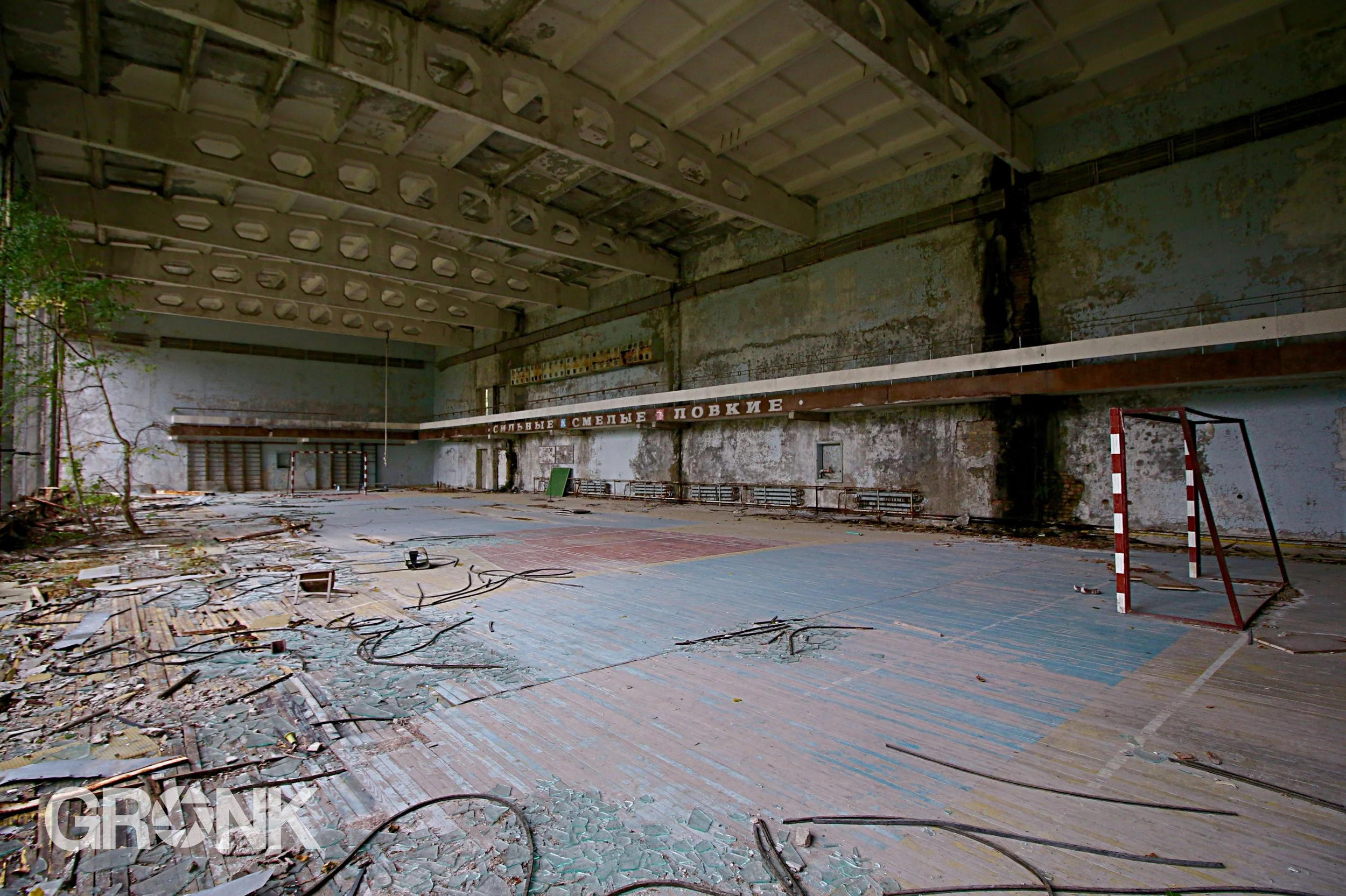
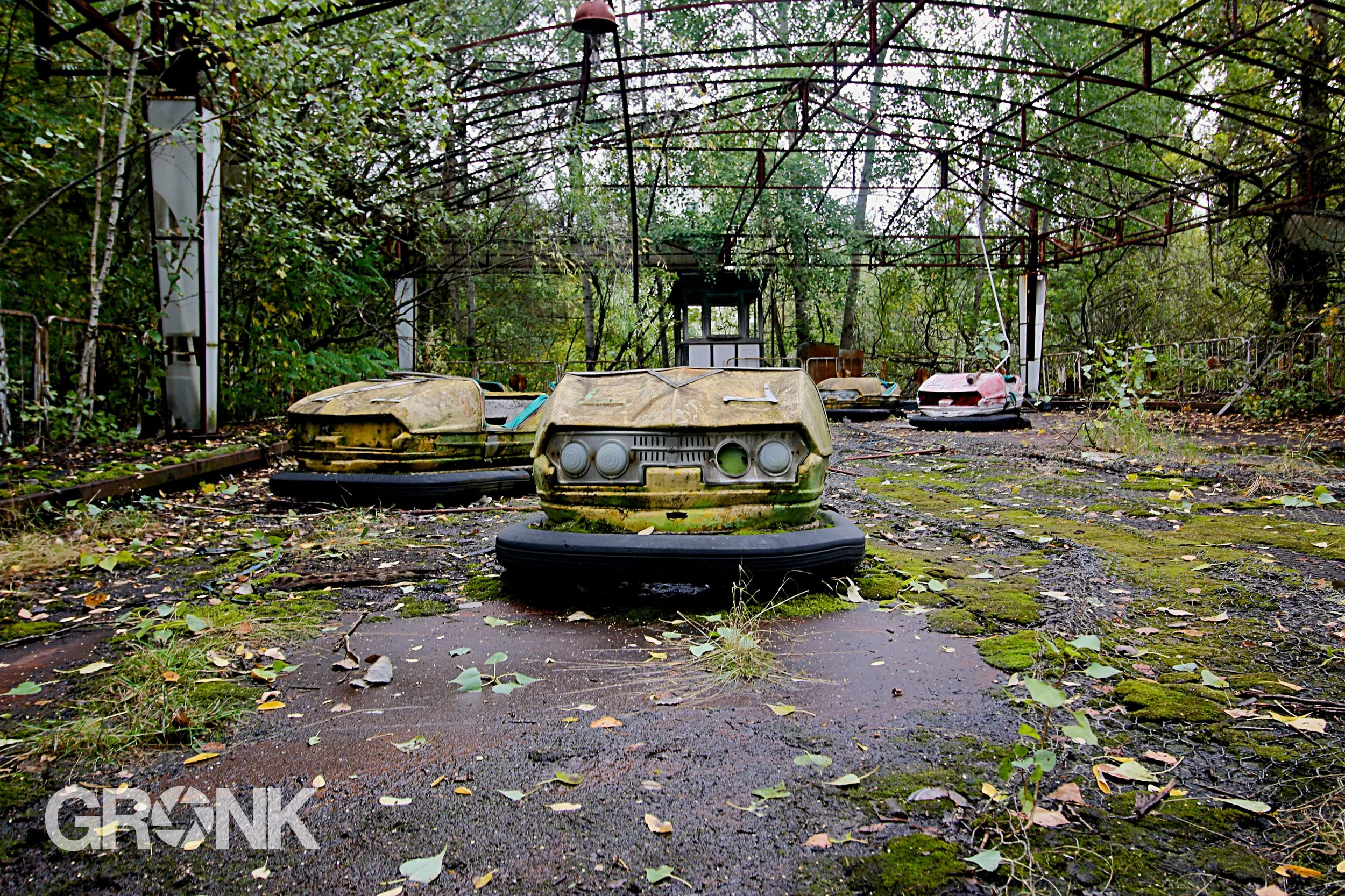
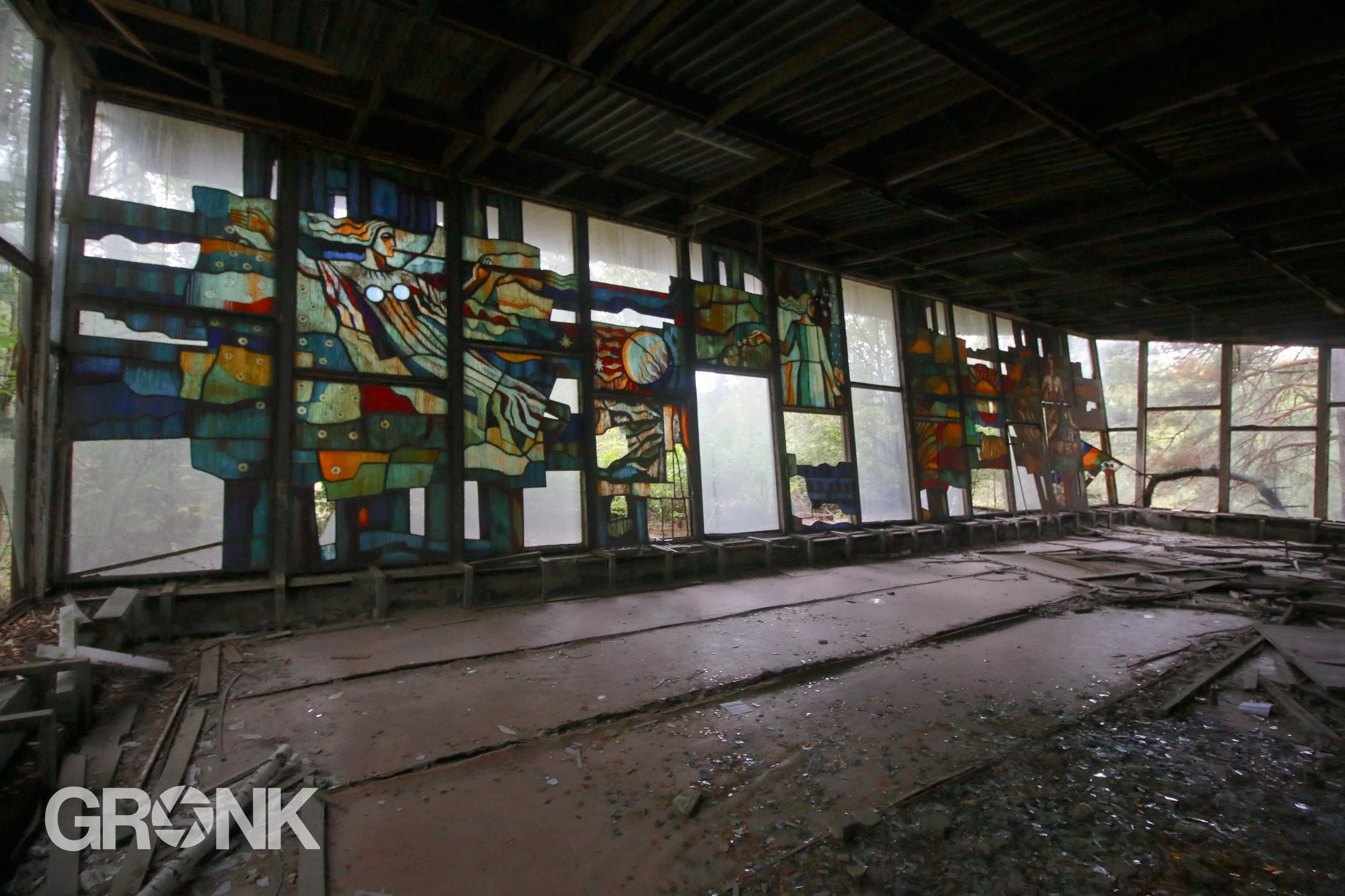
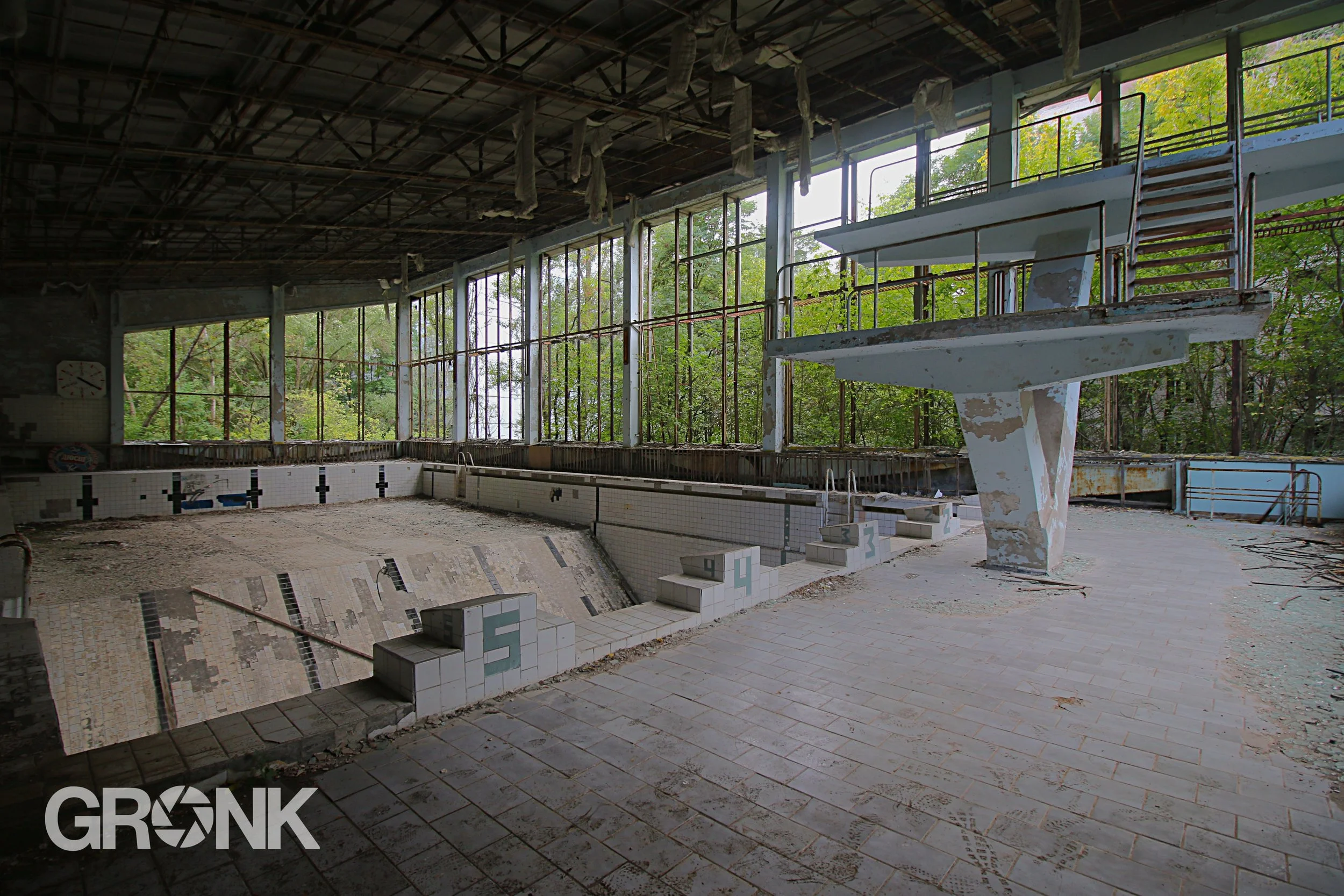
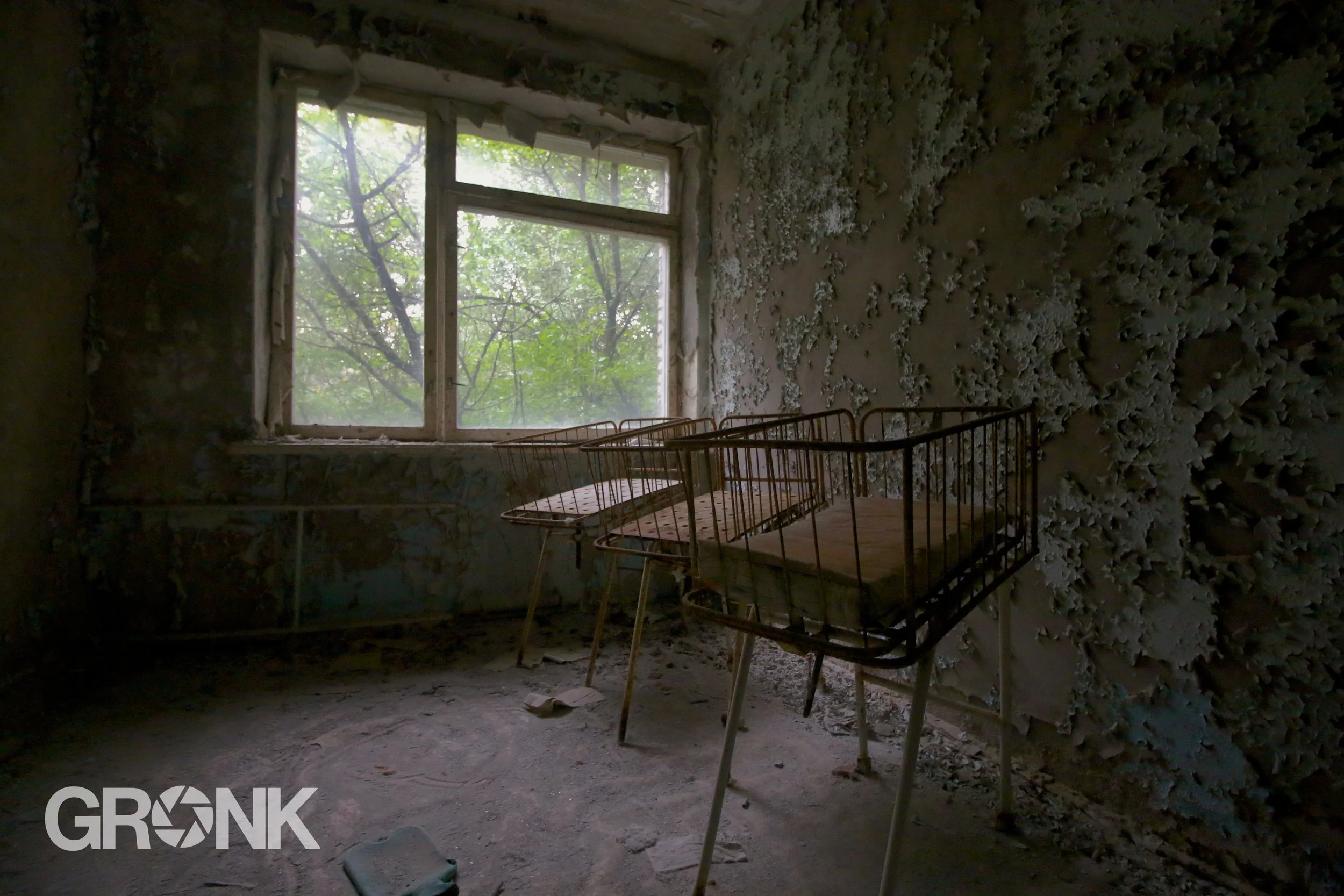
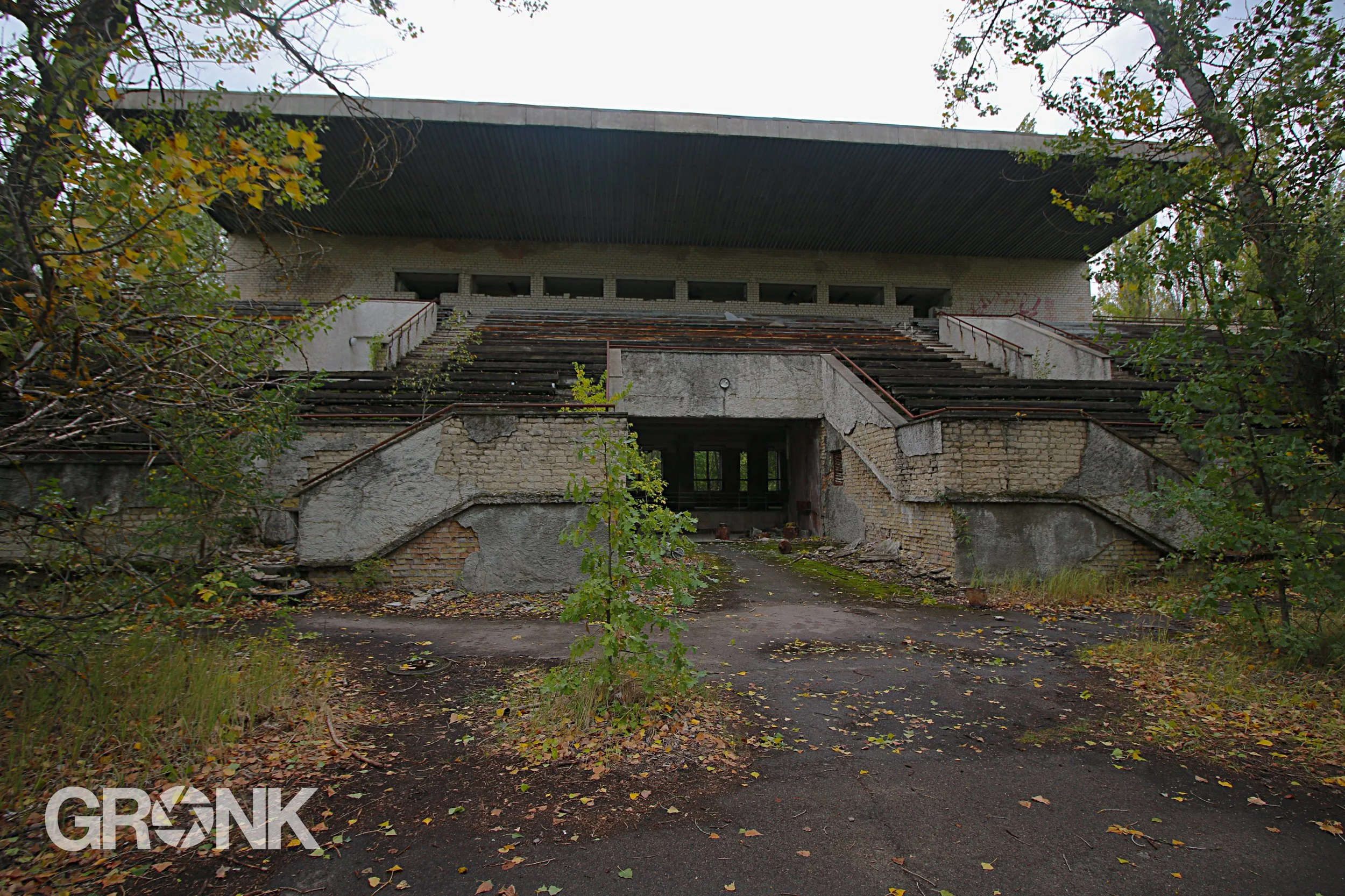
The Chernobyl Exclusion Zone is a restricted area surrounding the Chernobyl Nuclear Power Plant in northern Ukraine, created after the disaster on April 26, 1986. When Reactor No. 4 exploded during a failed safety test, it released massive amounts of radioactive material into the atmosphere. The nearby city of Pripyat, home to nearly 50,000 people, was evacuated the following day, and soon afterward the Soviet authorities expanded the evacuation to dozens of surrounding towns and villages.
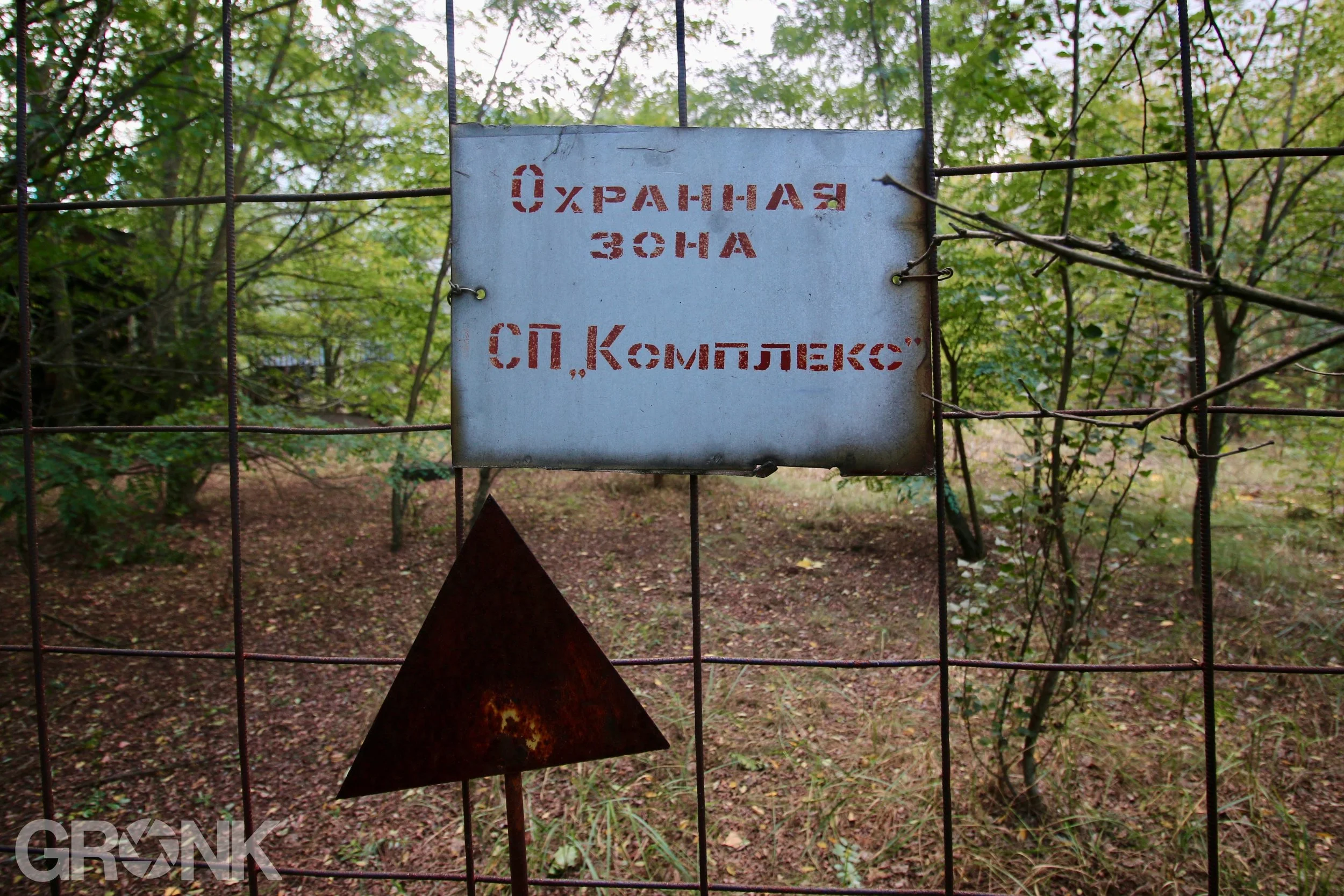
Within weeks, the government established a 30-kilometer radius around the plant, which became known as the Exclusion Zone. Residents were permanently displaced, and access to the area was limited to workers, scientists, and security personnel. Though the boundaries have changed over time, the zone still functions to isolate the most contaminated land and prevent unnecessary exposure to radiation.
Over the years, the absence of people has turned the area into an unintended wildlife refuge, where species such as wolves, bison, and rare birds have rebounded despite lingering contamination. A small number of elderly residents, called samosely, returned illegally and continue to live in scattered villages, and thousands of workers rotate in and out to maintain the site and conduct research. Controlled tourism has also been allowed since the 2010s.
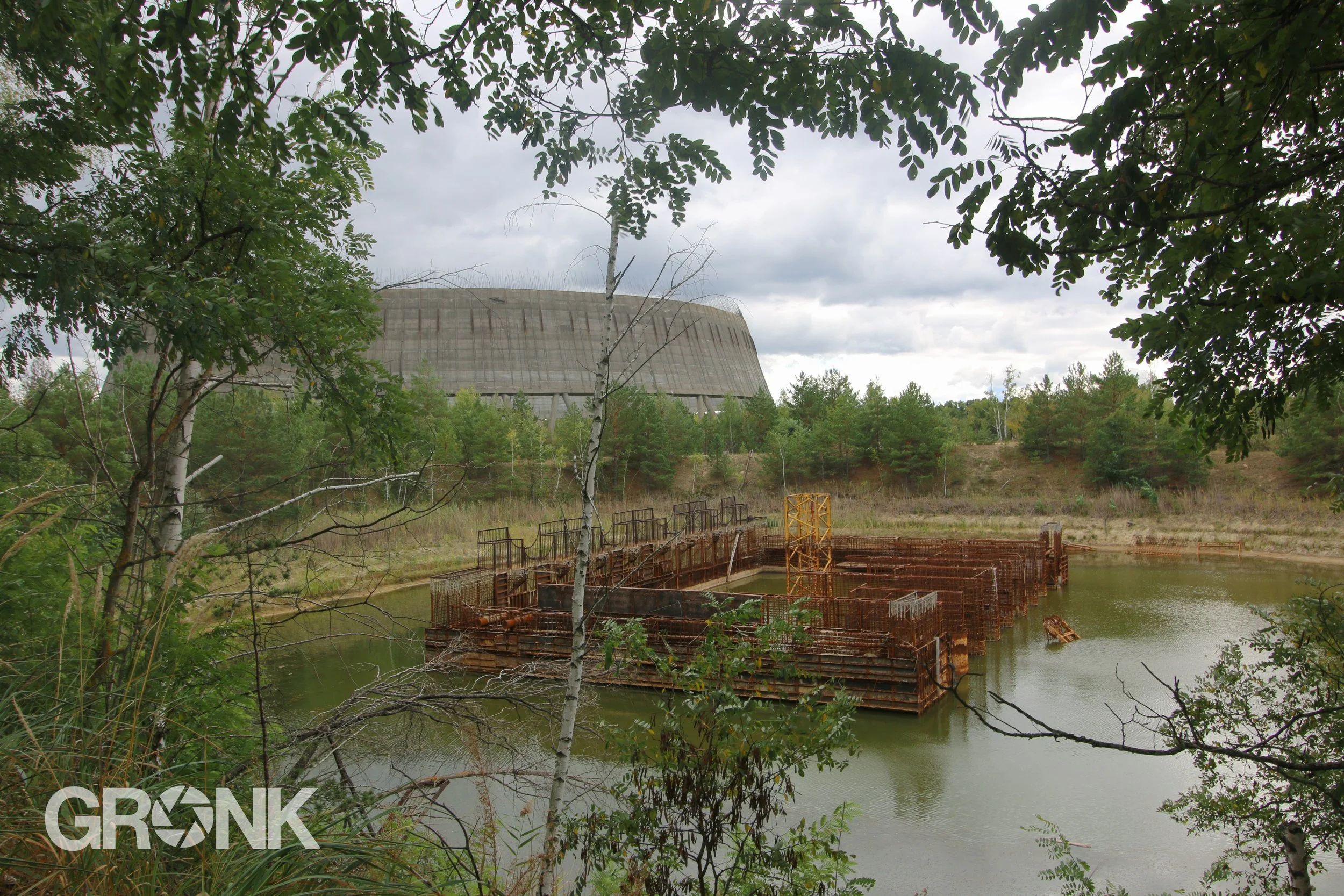
Although radiation levels vary widely, the Exclusion Zone remains one of the most contaminated regions on Earth. The Chernobyl plant was fully shut down by 2000, and the remains of Reactor No. 4 are now enclosed in the New Safe Confinement structure, completed in 2016 to prevent further release of radioactive materials. The zone today serves as a place of scientific study, environmental paradox, and historical remembrance.