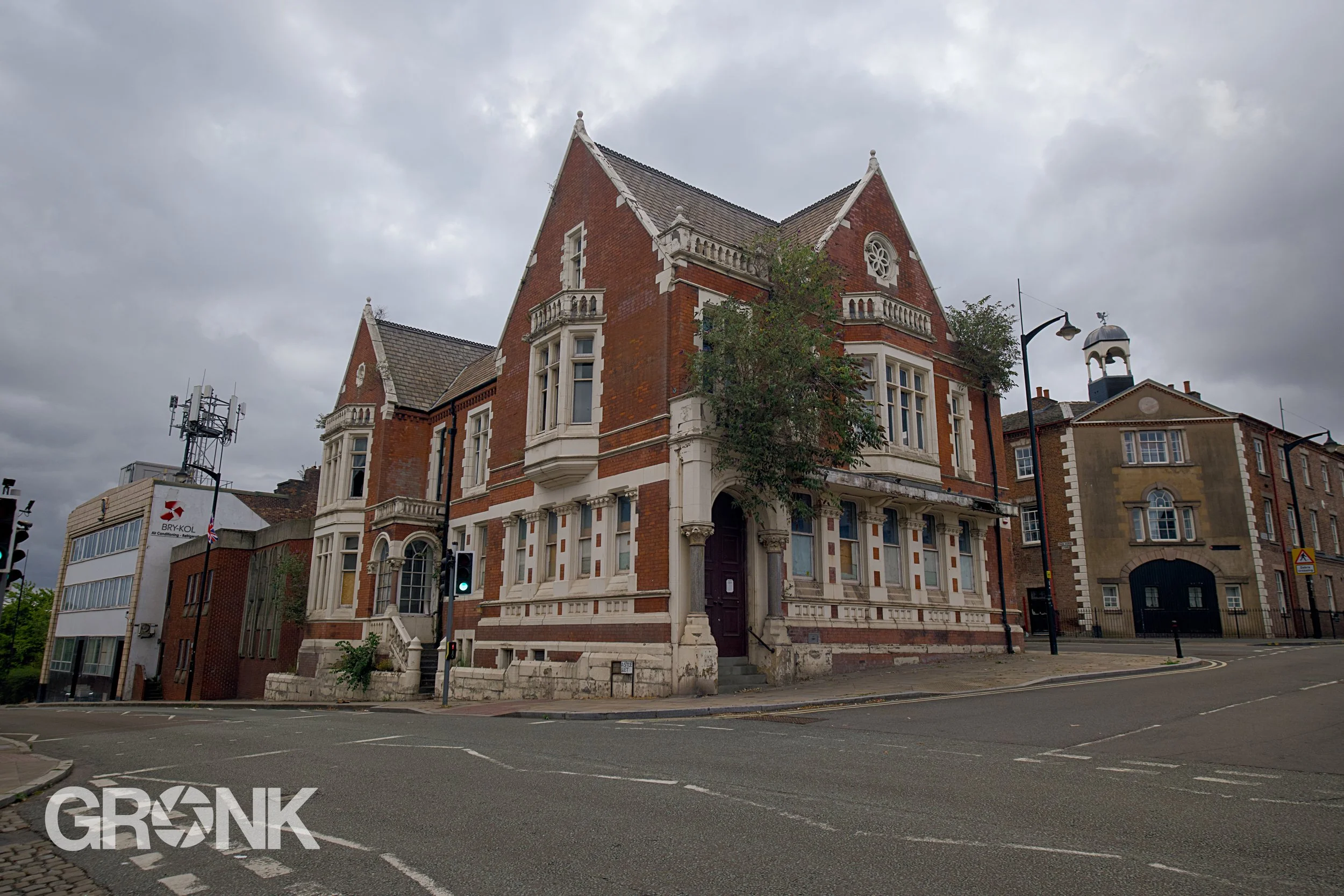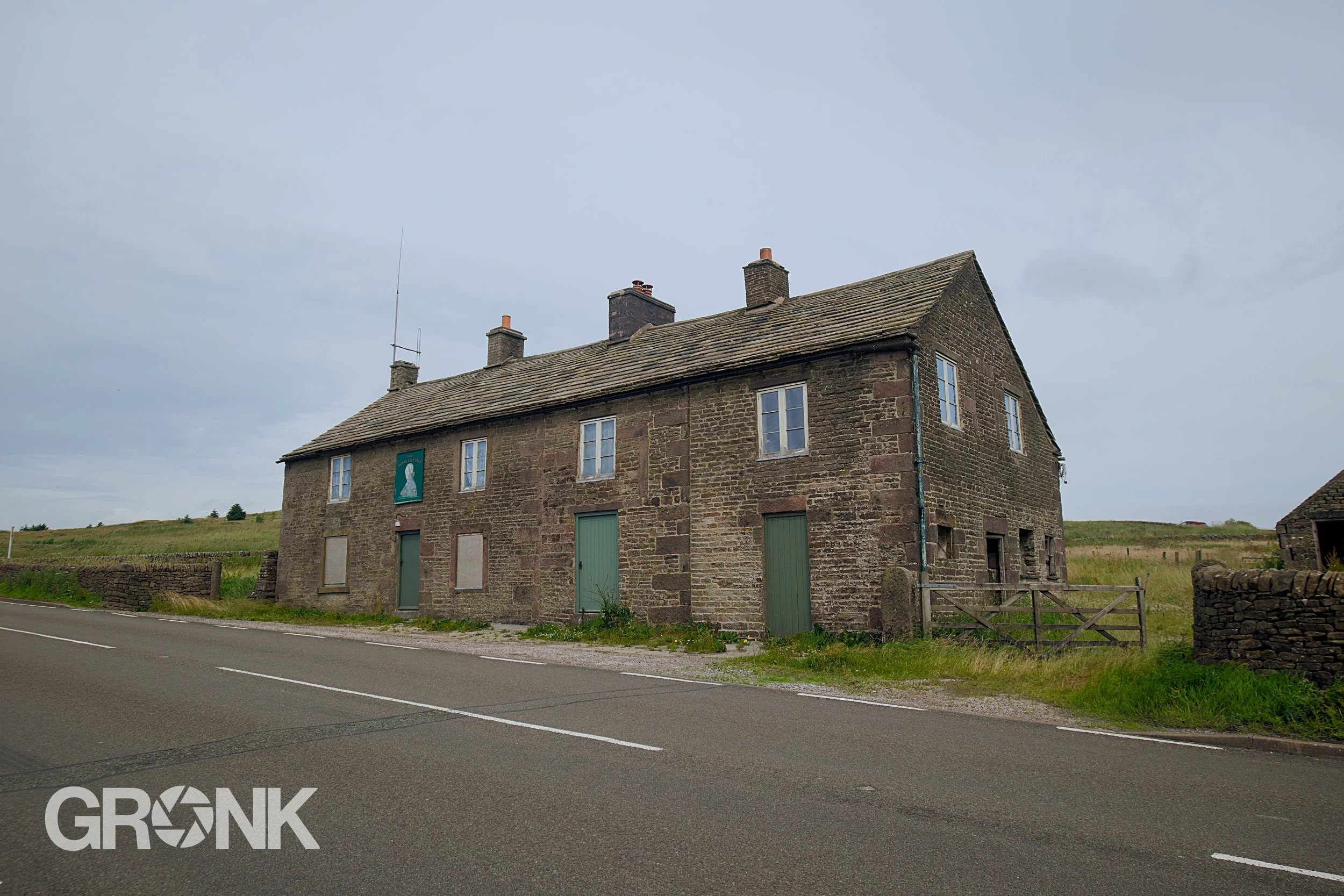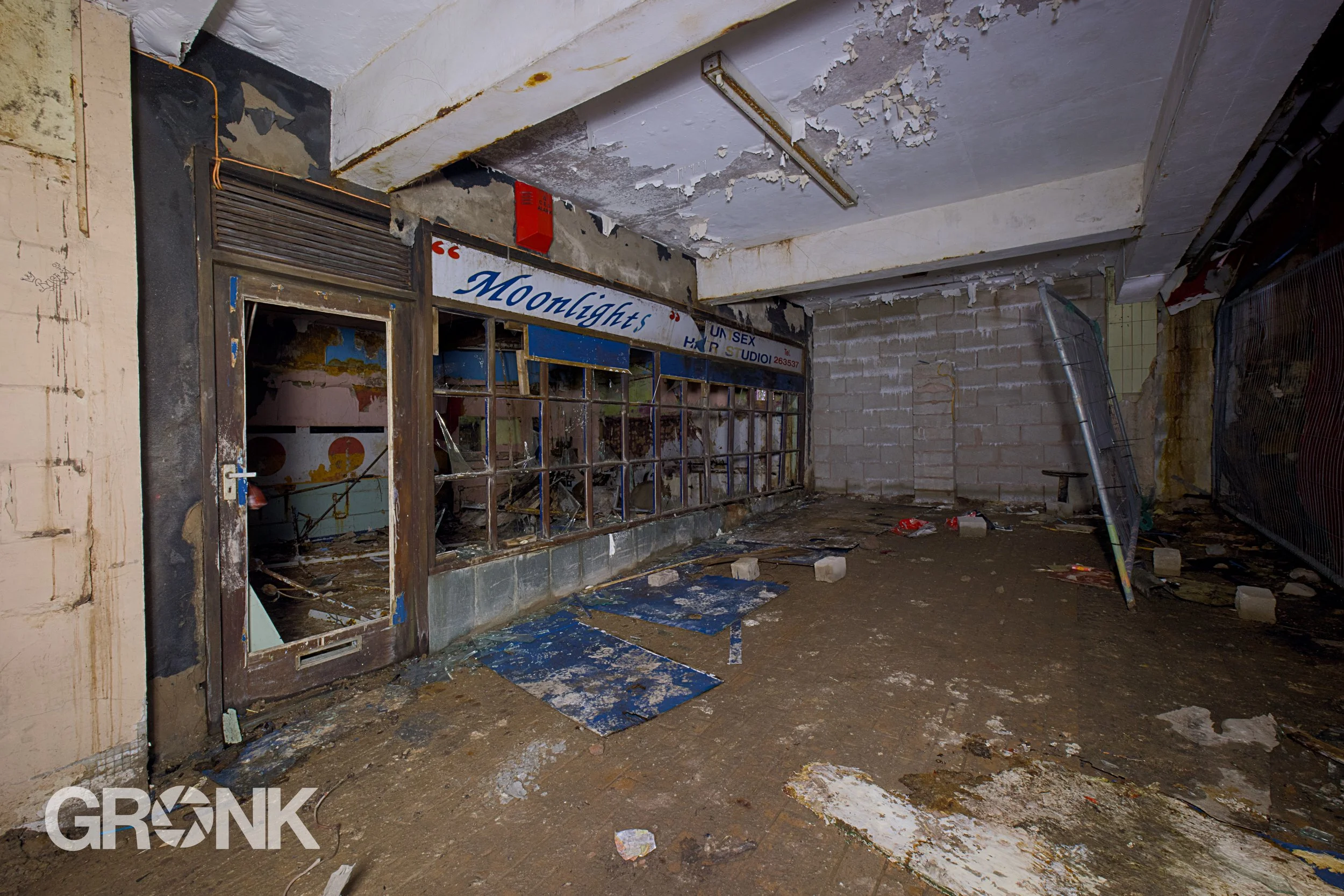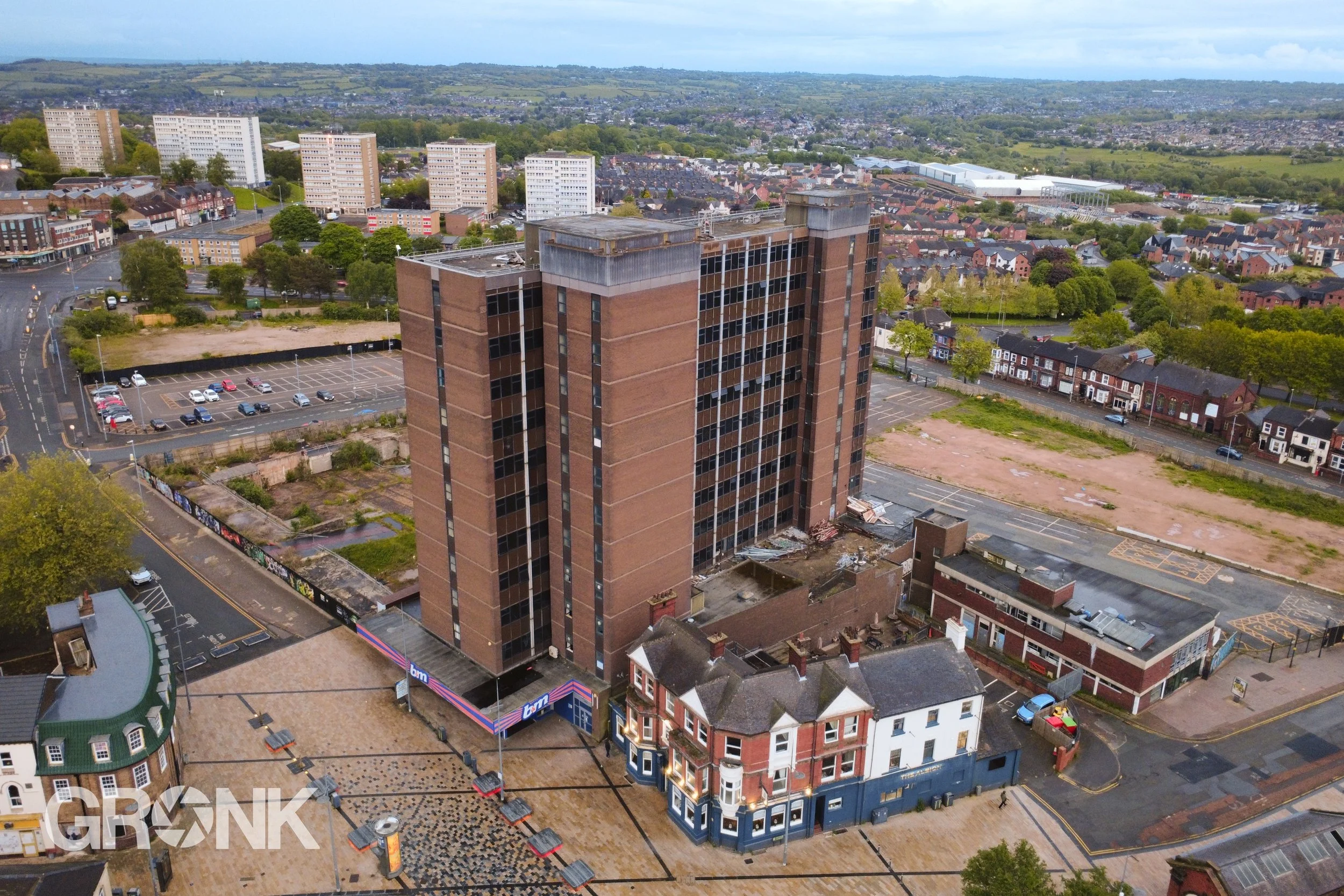
Abandoned Staffordshire
The County of Staffordshire
Staffordshire has been inhabited since prehistoric times, with evidence of Bronze Age settlements and Roman activity, including roads linking nearby military centres. After the Roman withdrawal, the area became part of the Anglo-Saxon kingdom of Mercia, and the county town of Stafford was established in the 10th century as a fortified burh to defend against Viking incursions.
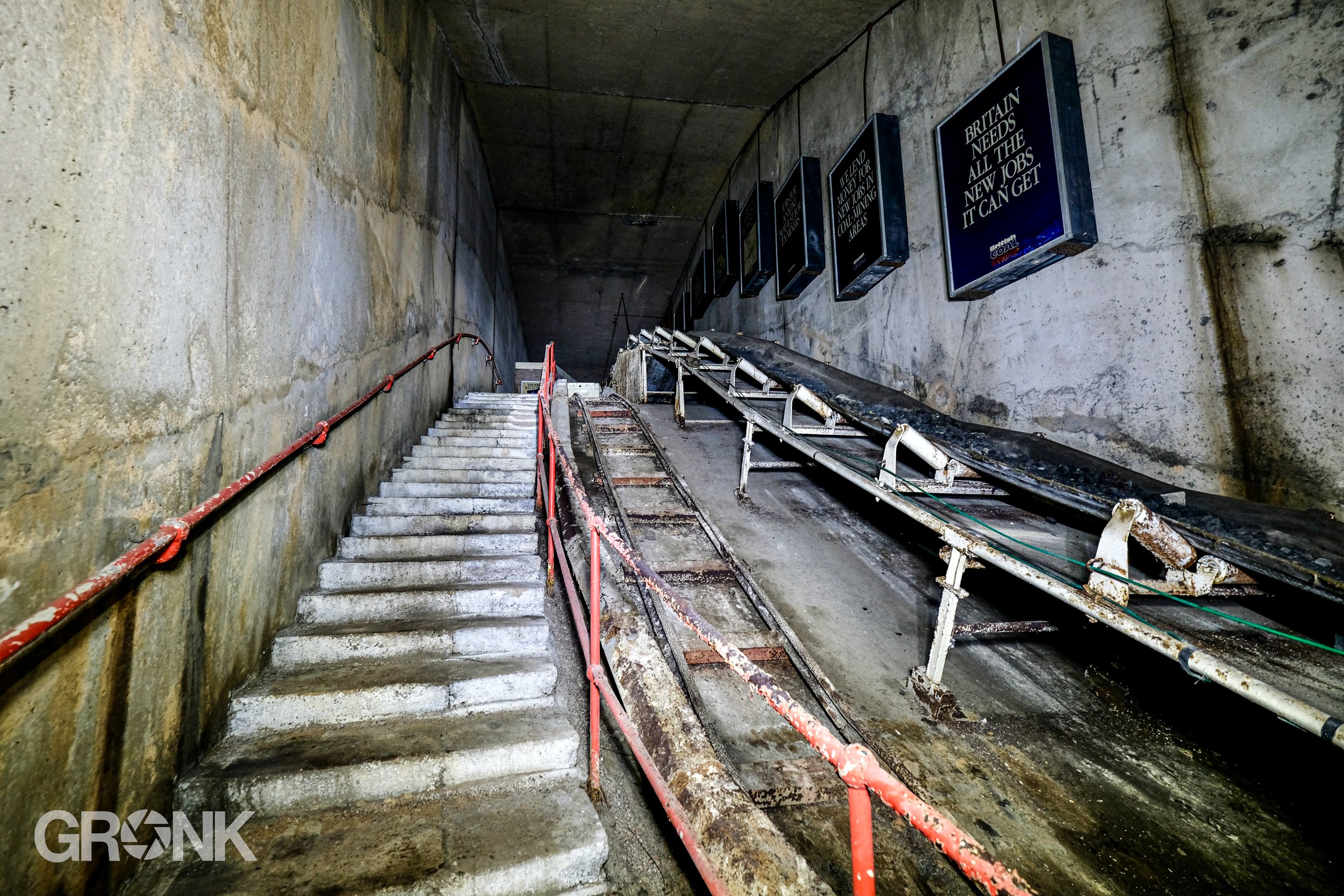
During the medieval period, Staffordshire was largely rural, known for agriculture and local crafts. Its fortunes changed dramatically in the 18th century with the Industrial Revolution, particularly in Stoke-on-Trent, which became famous as “The Potteries.” Innovators such as Josiah Wedgwood revolutionised ceramic production, making Staffordshire a global centre for pottery manufacture. Coal mining, ironworking, and canal construction further accelerated industrial growth.
In the 19th and early 20th centuries, towns across the county expanded through industry, while rural areas such as Cannock Chase supplied coal and later became protected landscapes. Although traditional heavy industries declined in the late 20th century, Staffordshire today blends industrial heritage with tourism, ceramics, and service-based economies.