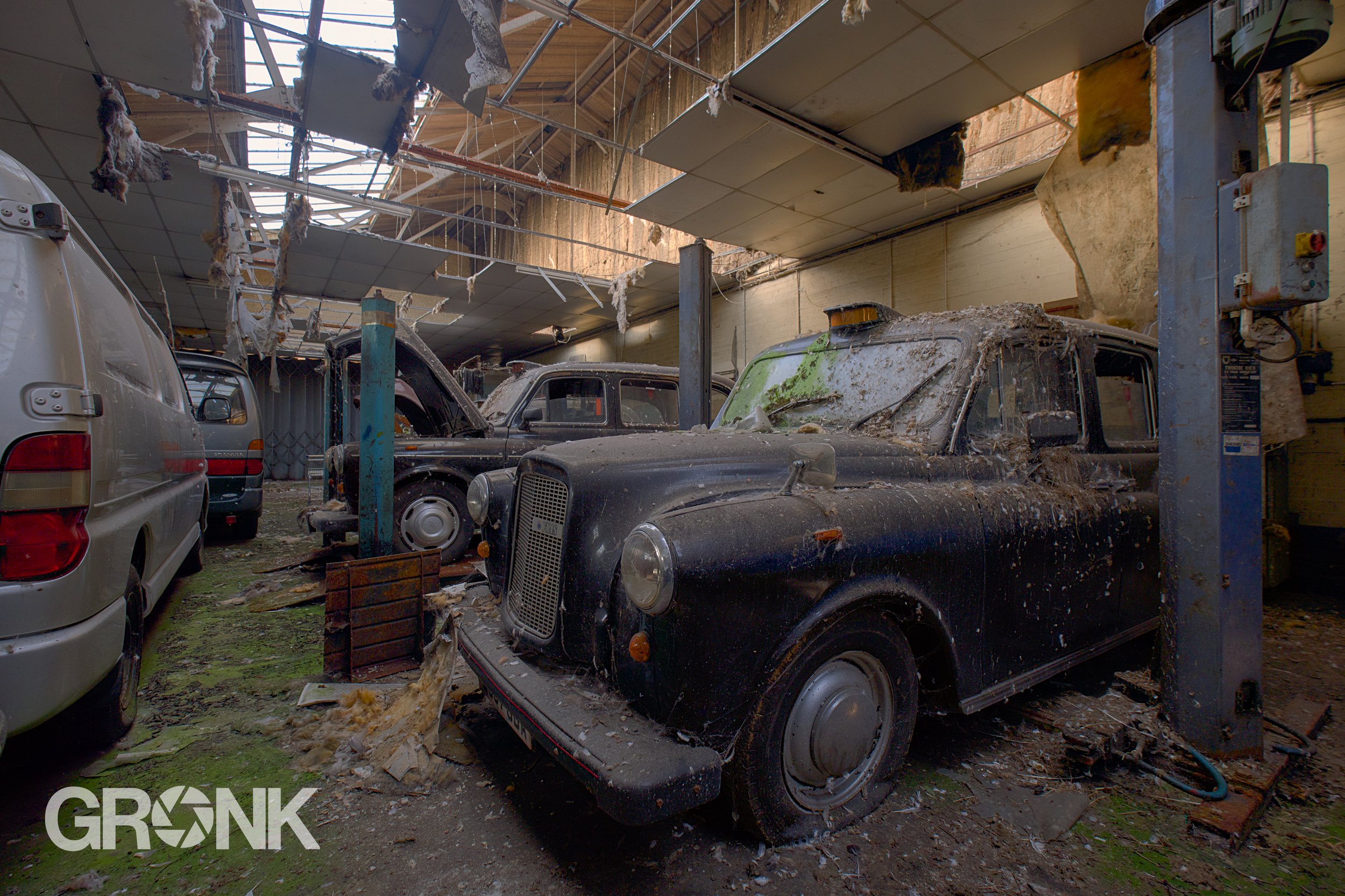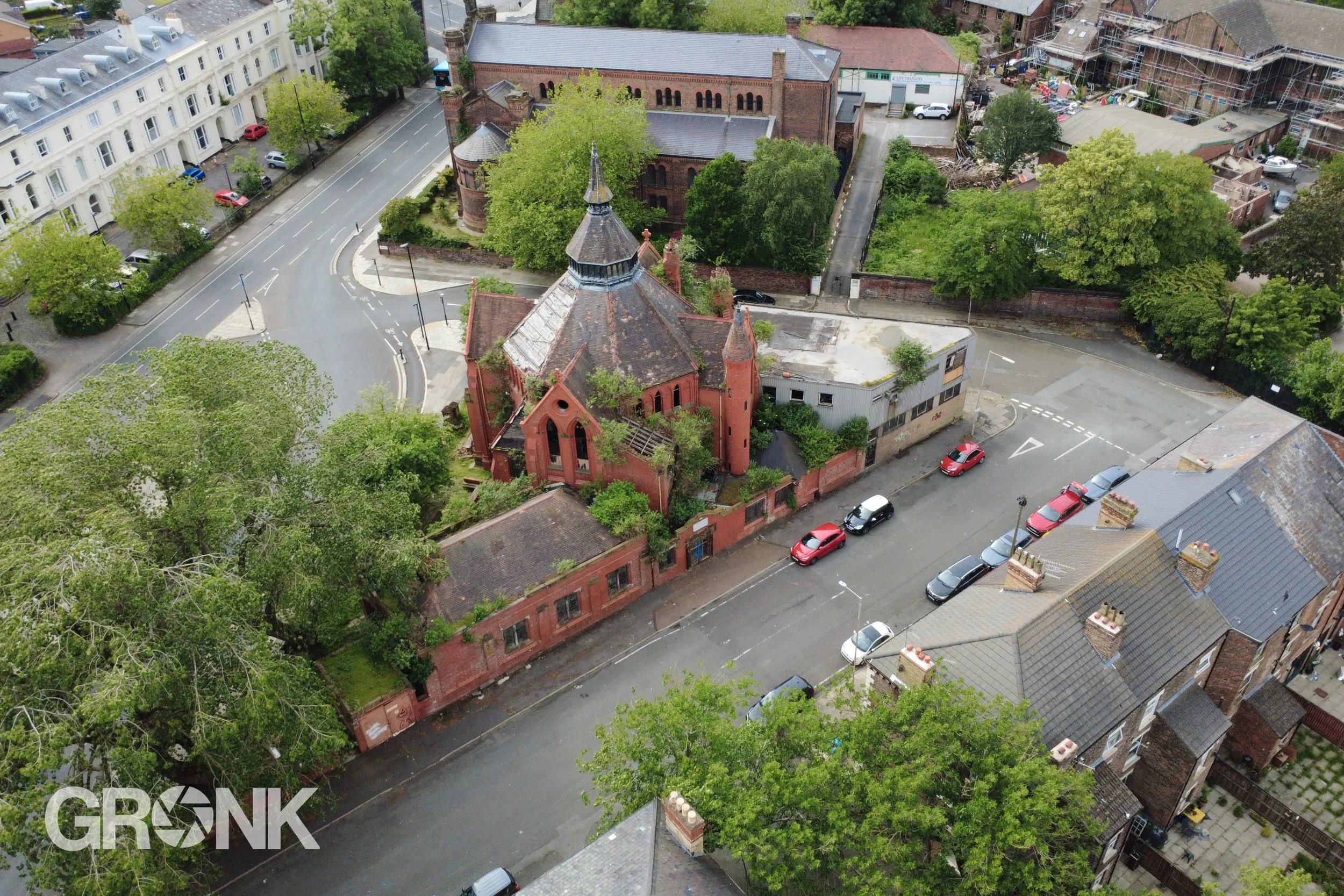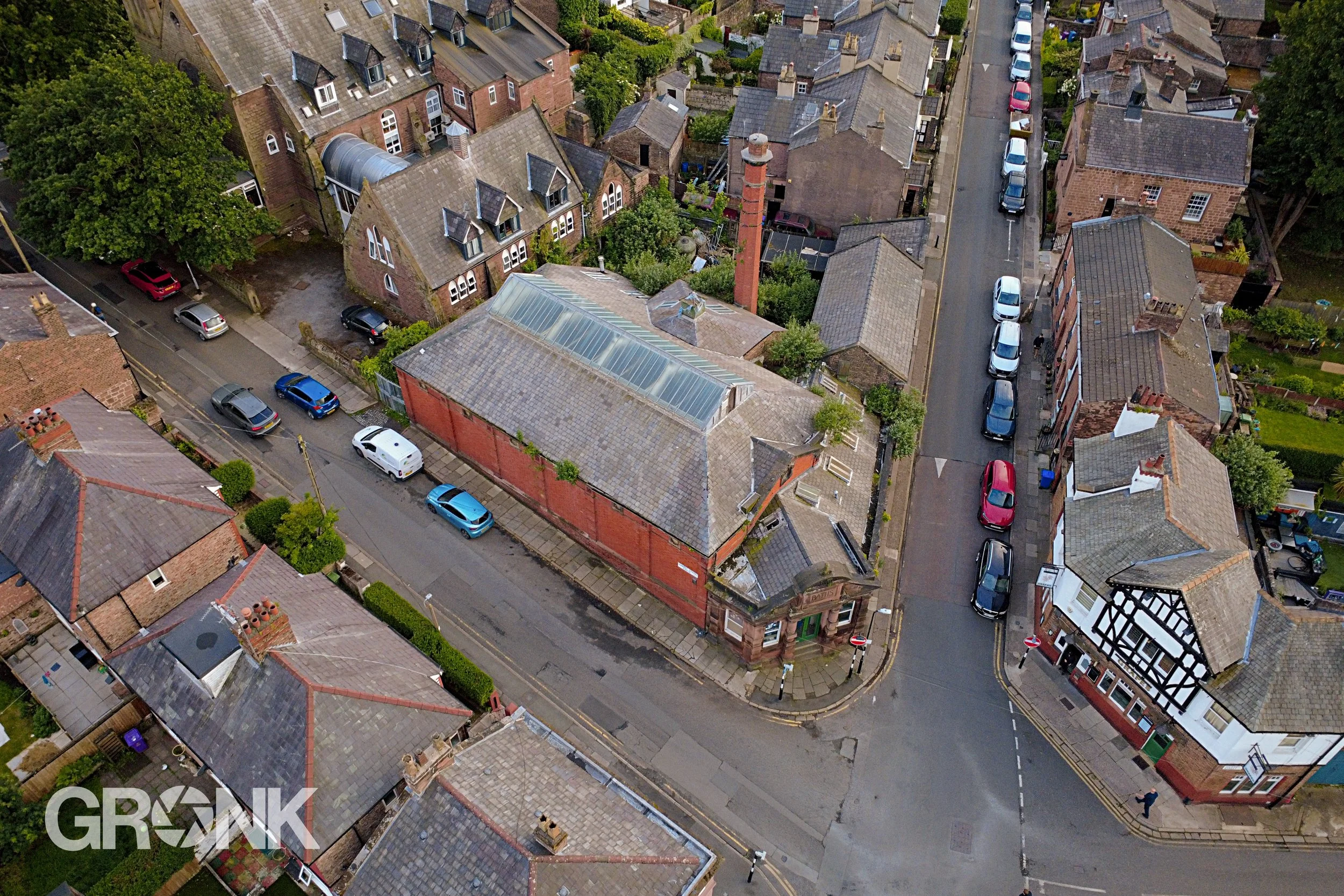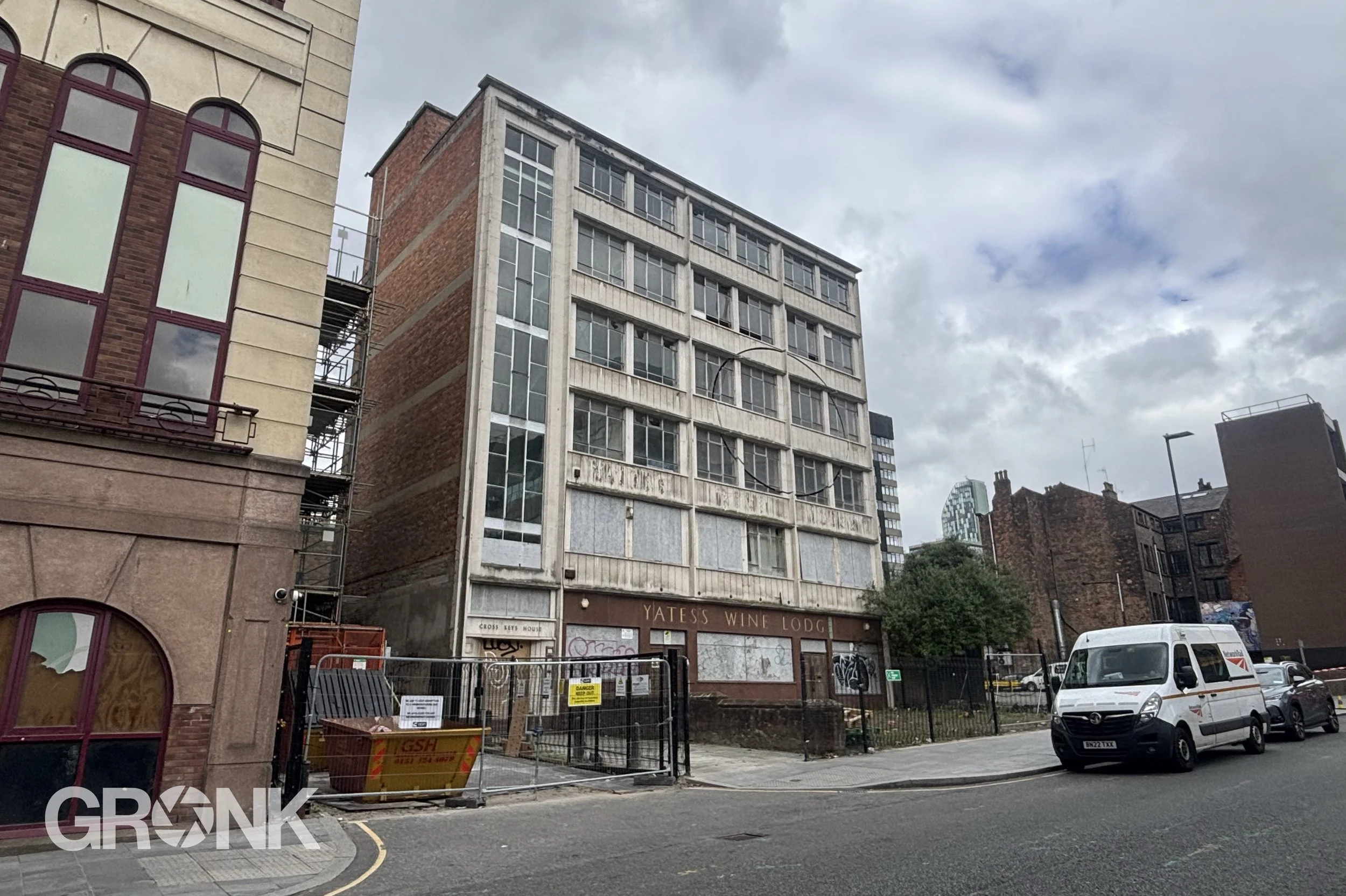
Abandoned Merseyside
The County of Merseyside
The area now known as Merseyside developed around the River Mersey, which has been a key trading and transport route since prehistoric and Roman times. During the early medieval period, the region lay between Anglo-Saxon Mercia and Viking-influenced settlements, leaving a strong Norse legacy in local place names, especially on the Wirral.
From the 18th century, the growth of Liverpool transformed the area. Liverpool became one of Britain’s most important ports during the Industrial Revolution, heavily involved in global trade — including the transatlantic slave trade — and later serving as a major gateway for migration, industry, and shipbuilding. Surrounding towns such as Birkenhead, Bootle, and St Helens grew rapidly through dock work, manufacturing, coal mining, and glass production.
Modern Merseyside itself is relatively new: it was officially created in 1974 under the Local Government Act 1972, combining parts of historic Lancashire and Cheshire into a metropolitan county centred on Liverpool and the Mersey estuary. Although the county council was abolished in 1986, Merseyside remains an important administrative, cultural, and economic region in North West England today.